

VIDEO: Large Waterspout Near Elaphite Islands in Southern Dalmatia
As Morski writes on the 9th of November, 2019, some dramatic footage taken of a large waterspout has emerged from the beautiful Elaphite (Elafiti) islands close to the City of Dubrovnik. A Morski reader from the island of Lopud, one of the islands in question, recorded it and claims that it was the largest that has been seen there in recent years, and this one on the video is far from the only one.
''This the largest waterspout (Croatian: pijavica) seen in the last few decades near the Elaphite islands. I took the footage of it from a balcony on the island of Lopud. You can see how today's largest waterspout (and there have been others) can be seen passing between the islands of Šipan and Mljet. The storm is still ongoing. The radar footage shows the front coming across from Italy straight to the Elaphite islands. It looks like a tornado route when hot and cold currents merge and rotation occurs,'' Pavo Noin Lein tells us.
Otherwise, waterspouts are not uncommon for the southern Adriatic area of Croatia, the last major one having been recorded just one day before between the island of Korčula and the Pelješac peninsula.
Waterspouts like this are characterised by extremely strong winds that often exceed hurricane speeds (> 120 km/h), especially if they're fully developed. Estimates of hurricane speeds can be inferred from the damage they cause when they reach the mainland. Therefore, it is clear that there is a great danger of waterspouts like the one in the video engulfing boats or other vessels, or indeed arriving ashore.
The duration of waterspouts is usually up to about ten minutes, but sometimes they do last much longer. In the Adriatic, waterspouts can occur at any time of the year, but most often they happen during the summer and especially in the autumn, when fronts above the still warm sea begin to occur much more frequently.
Although waterspouts are still a relatively rare occurrence, there are, unfortunately, documented encounters with waterspouts in the Adriatic sea that have ended tragically.
Watch the video of the Elaphite waterspout taken from Lopud here:
Follow our lifestyle page for more.
Croatian Medical Tourism Stakeholders Beginning to Gel at CIHT 2019
CIHT 2019, the seventh edition of the Crikvenica International Health Tourism conference concluded on November 8, 2019. Outstanding from start to finish, did it contain a watershed transformation from potential to the beginnings of realisation for the Croatian medical tourism industry?
Full disclosure - this has been the best week in the history of TCN. Two new writers hired, our first intern programme with the University of Zagreb agreed, two big contracts signed, agreement with exciting partners to start our first EU-funded project, and two outstanding conferences. G2.5, the diaspora conference in Zagreb at the beginning of the week was one of the best I have been to in Croatia in terms of contacts and business done (see the conference report here), and I really wasn't expecting a better conference for quite some time. But then, just two days later...
CIHT 2019, the annual health tourism conference which has become a signature event for the very proactive Kvarner Health Cluster, was not only filled with an exceptional list of engaging and diverse speakers, but the levels of cooperation and joint initiatives were at a level visibly more noticeable than ever before.
CIHT 2019 was held in the village of Selce, a very short drive from Crikvenica. The reason, I suspect, was in honour of one of the true Croatian success stories in any sector, the outstanding 30-year success of the husband and wife team, Drs Ivan and Vlasta Brozicevic and their world-renowned Terme Selce facility, which has grown both in size and quality since its inception in 1989, and which includes no less than 120 Olympic medalists among its satisfied patients. I will be returning to Selce later in the year to do some in-depth features on that 30-year journey, which continues today. The Brozicevics were presented with a special award (see above) before the conference got properly underway, and there were few dry eyes in the house as Dr Vlasta took us through her inspirational journey of excellence and constant learning.
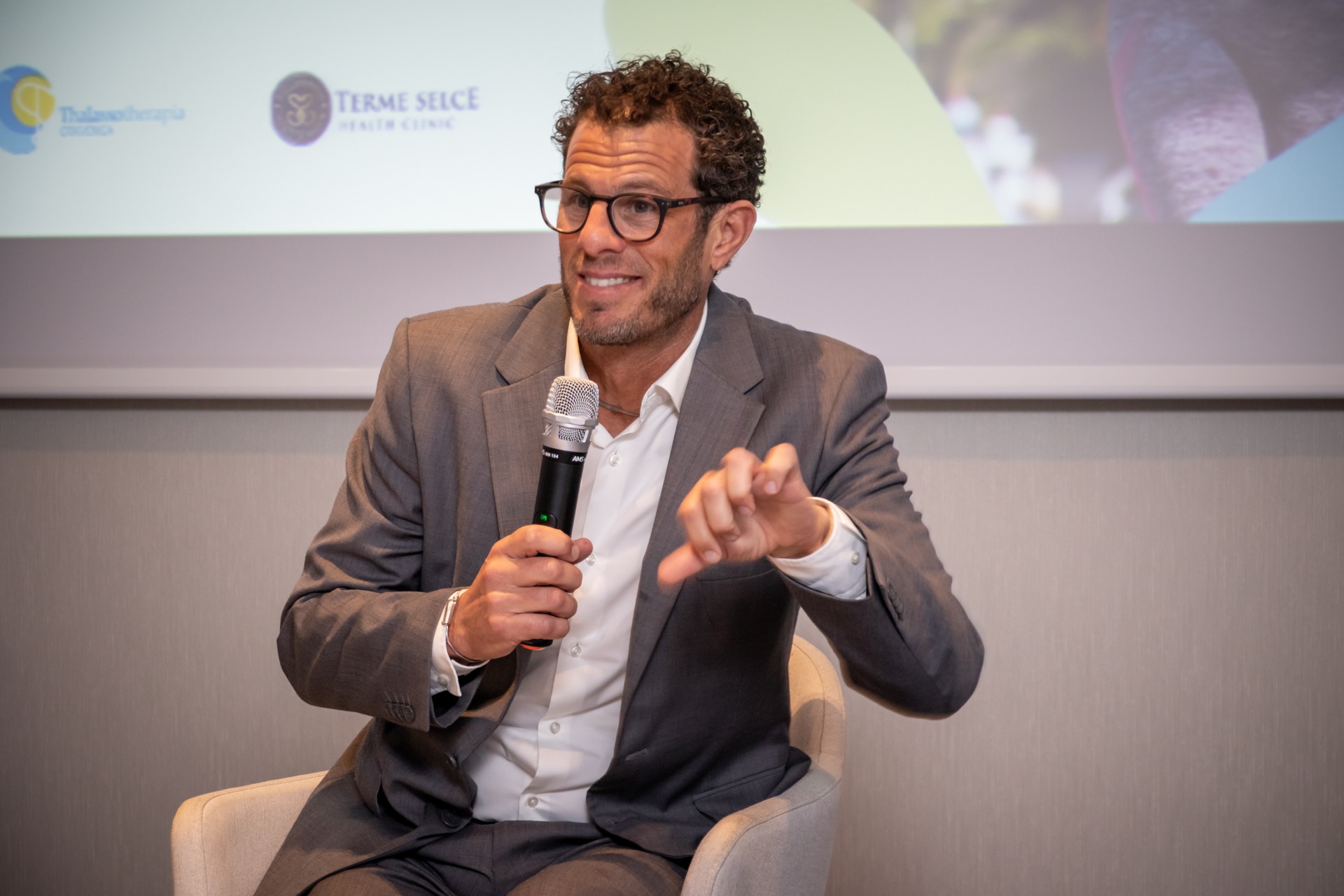
A very tough act to follow, but a challenge taken on with relish by the next speaker, one of the world's most in-demand tourism conference speakers, Doug Lansky. And it did not take long to realise why. His keynote session, called Successful Tourism, was laced with great tips for Croatia, both in directions to go and to avoid, and I will dedicated a later article to Lansky's presentation and the two subsequent workshops he conducted in the afternoon session.
One of the strengths of CIHT has always been that it aims high in terms of the quality of the speakers. And there are few higher places in the healthcare industry that Cleveland Clinic and Mayo Clinic, the two leading medical facilities in the world. Super Mario Skugor, Director of Education at Cleveland and himself a Croat, was followed by Rahul Kashyap, Assistant Professor of Anesthesiology at Mayo Clinic. Kashyap gave a comprehensive overview of the Mayo model of care, focusing on quality education and research collaboration.
Cleveland Clinic and Mayo Clinic presenting together, just after one of the world's top tourism speakers, all in a little village on the Kvarner coast in early November. Pretty impressive.
More was to come, indeed the most - at least for me - significant and encouraging presentation of the two-day event. Not perhaps for the content after such a high-quality start, but in terms of openness, honesty and willingness to engage. For the speaker was a politician.
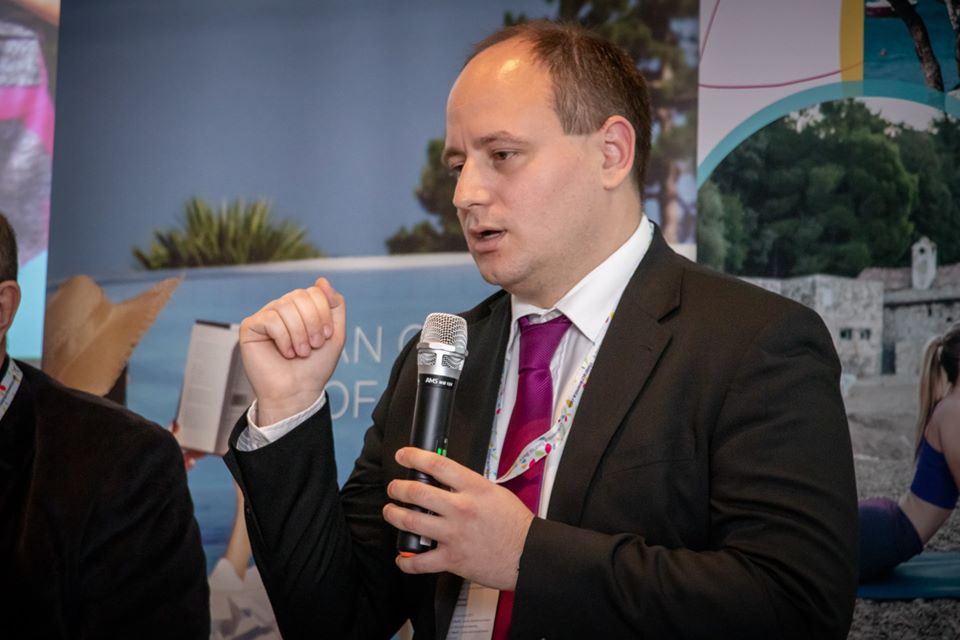
Deputy Health Minister Mate Car's presentation was entitled The Interactions of Policy, Strategy and Health Tourism, but it was when he started talking about the state of Croatia's health tourism efforts, dividing them into three slides looking at the good, the bad and the ugly, that I saw for the first time (and I have been to many health conferences in the last two years) what I had heard from several in the industry - here was a senior official who was very interested in engaging with the other stakeholders, calling together meetings to hear their ideas and frustrations, even publicly publishing his official mobile number to make himself even more accessible. While 95% of ministers and deputy ministers tend to leave conferences as soon as the PR photo shoot and opening speeches are done, Car not only stayed until the end and was a very active participant, but he even found time to chat to me for over an hour on a wide range of issues concerning health tourism, the role of government and Croatia in general. It was very refreshing to see.
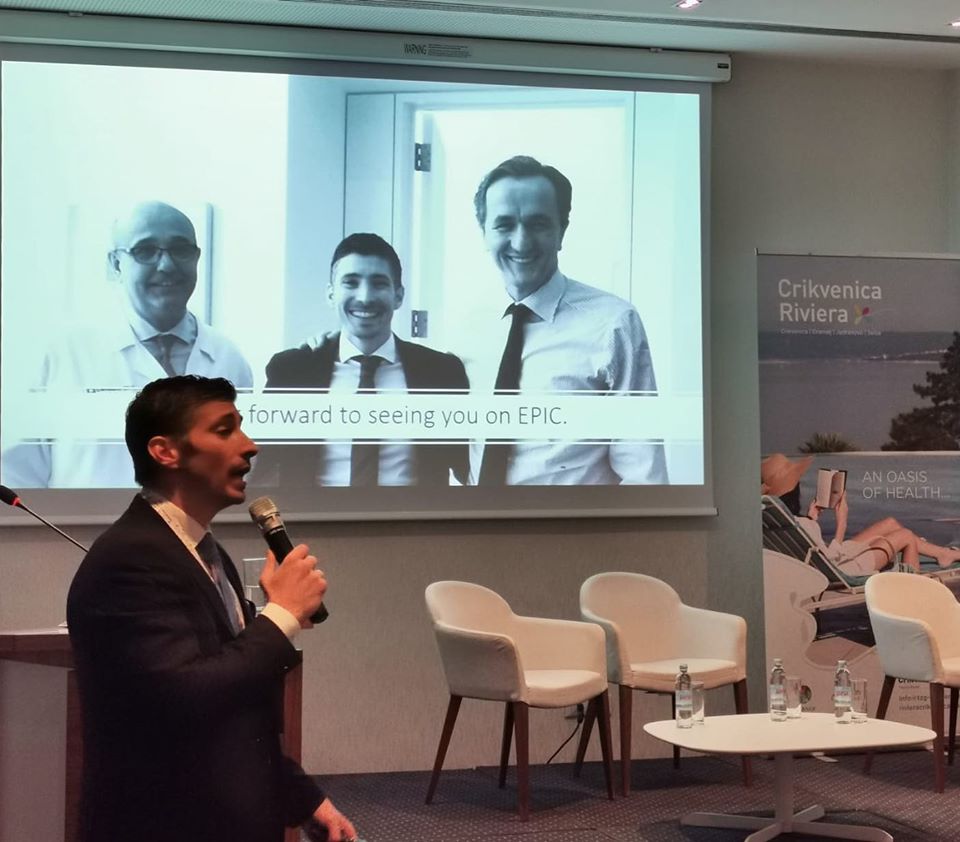
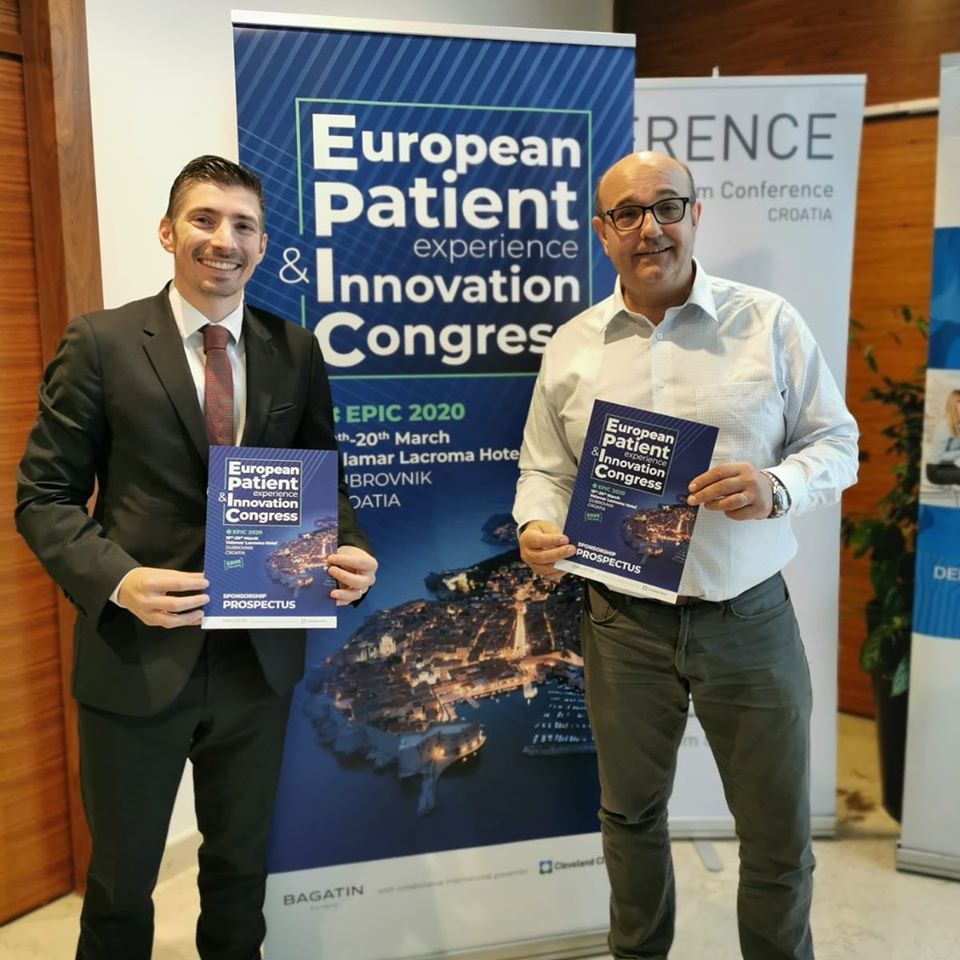
Car's relationship with one of the drivers of progress in the industry, Ognjen Bagatin, CEO of Bagatin Clinic, has been key. Bagatin was also a speaker on the first day, presenting arguably the most ambitious medical tourism conference in Croatia next March - the first-ever European Patient Experience and Innovation Conference, to be held in Dubrovnik. Against a backdrop of Bagatin with Cleveland Clinic CIHT speaker Super Mario and Cleveland CEO Tom Mihaljevic, Bagatin introduced his vision of EPIC 2020, a groundbreaking conference which his Bagatin Clinic is the main organiser.
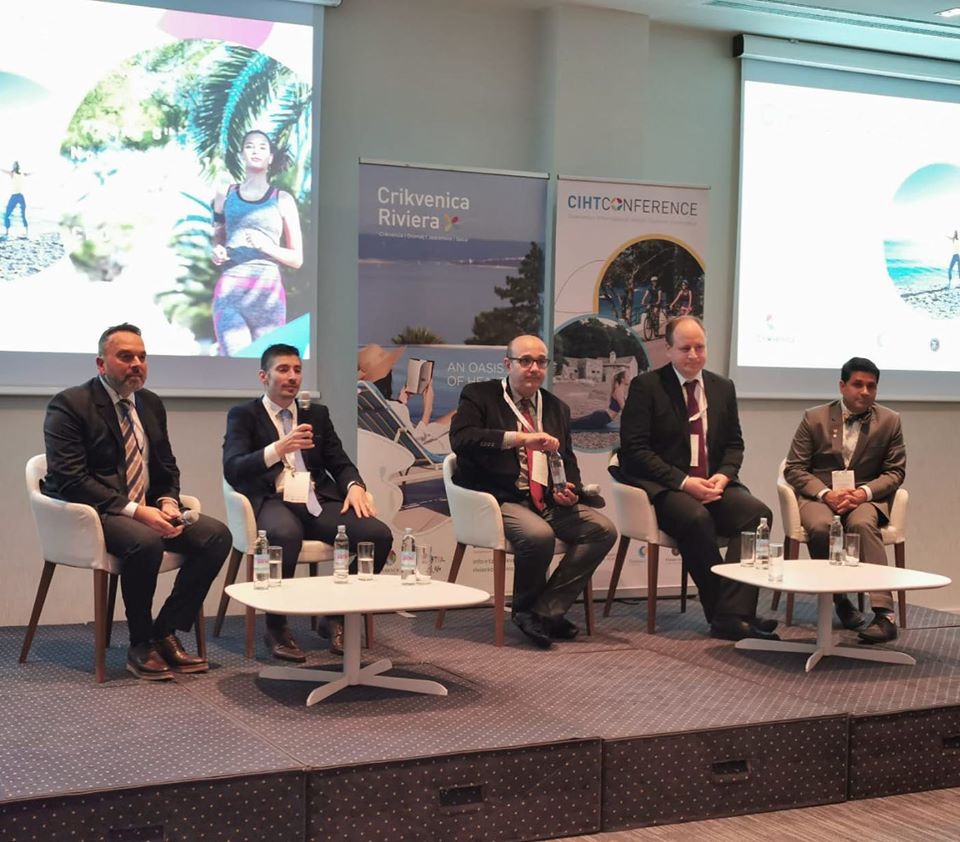
Having observed the Croatian medical tourism industry for two years now, Ognjen Bagatin strikes me as being akin to the Luka Modric of the Croatian medical tourism industry, a midfield dynamo pulling the strings and connecting and lifting the entire team. Here he is, fielding questions with other speakers including Cleveland and Mayo Clinics and Deputy Minister Car.
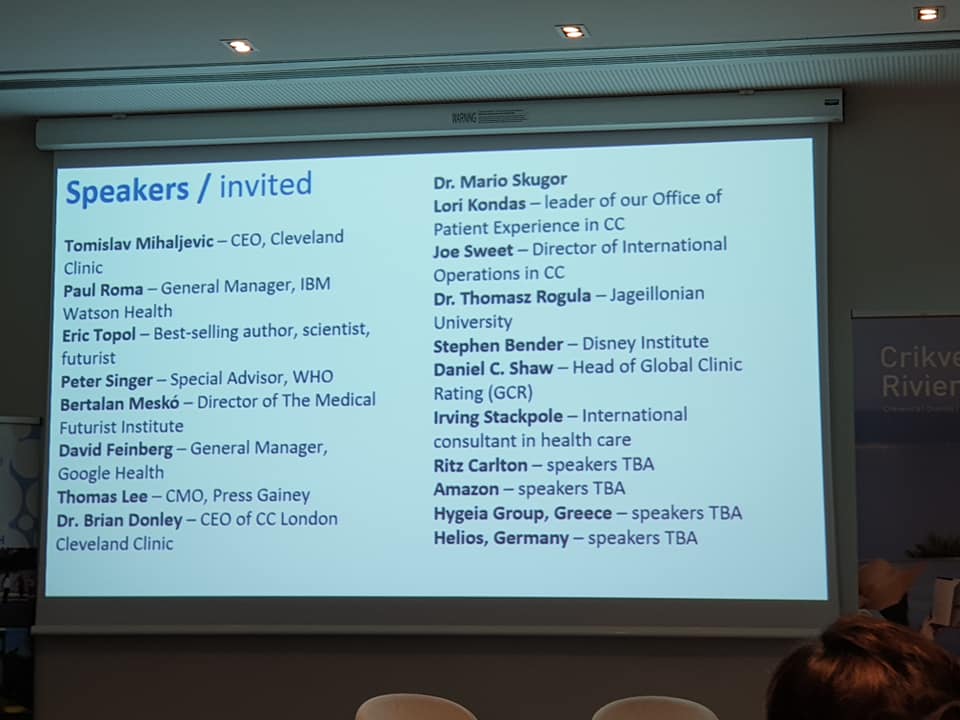
He is certainly aiming high with EPIC, and if we stick with the football analogy, EPIC Dubrovnik could be the perfect World Cup Final stadium for medical tourism speakers. Bagatin showed the list of invited speakers, several of whom have already confirmed. You can learn more details about the EPIC conference on the official website.
Doug Lansky's two workshops on Destination Development and Creative Problem Solving ended the work part of the opening day, which was then followed by a very pleasant Healthy Party, with fine local wine and blue fish specialities. And music and dancing that went on late into the night and past the bedtime of this correspondent.
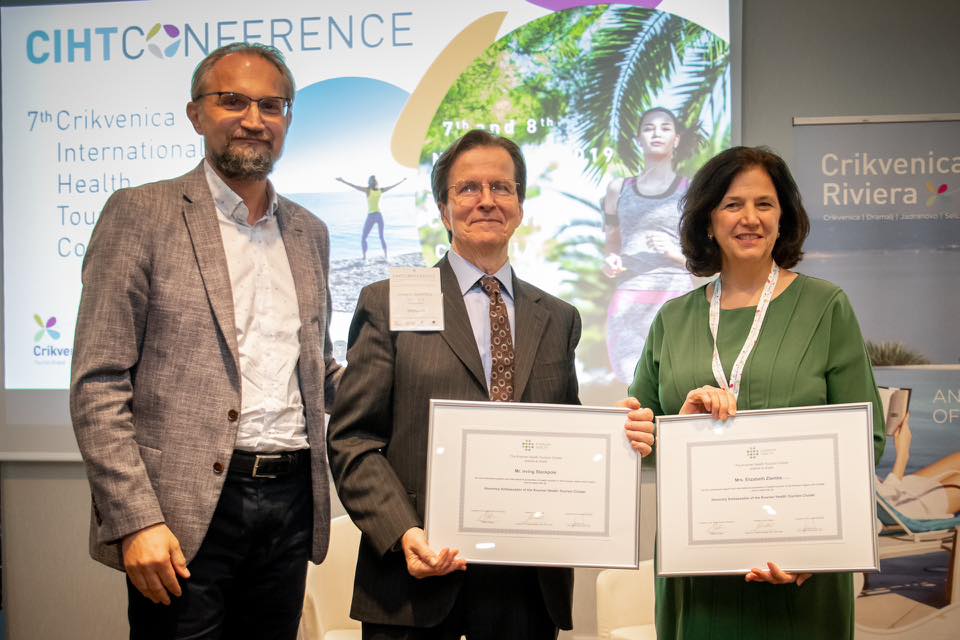
All were fully awake for the following morning's opening session, which included CIHT 2019 ambassador awards for the veteran and highly experienced husband and wife team, Elizabeth Ziemba (whose opening presentation was on Accreditation: What It Can and Cannot Do for Clinics and Hospitals) and Irving Stackpole. Now 47 years in the medical tourism business, I was impressed with how Stackpole has kept abreast of the frightening pace of change in technology, and his presentation of technology and change was thought-provoking - The Future of Health Tourism Is In Your Hand; How personalization and digitization changes the patient experience?
Health talk aside, I learned a new term caused by the digital age. Kids today are digital natives, while we older folk have been forced to enter a brave new world and have been forced to become digital immigrants. I liked that description. The morning session was completed by Djurdjica Simicic of IQM talking about Integrated Quality Destination Management, followed by TCN offering a foreign resident media view of the Croatian medical tourism potentials and realities.
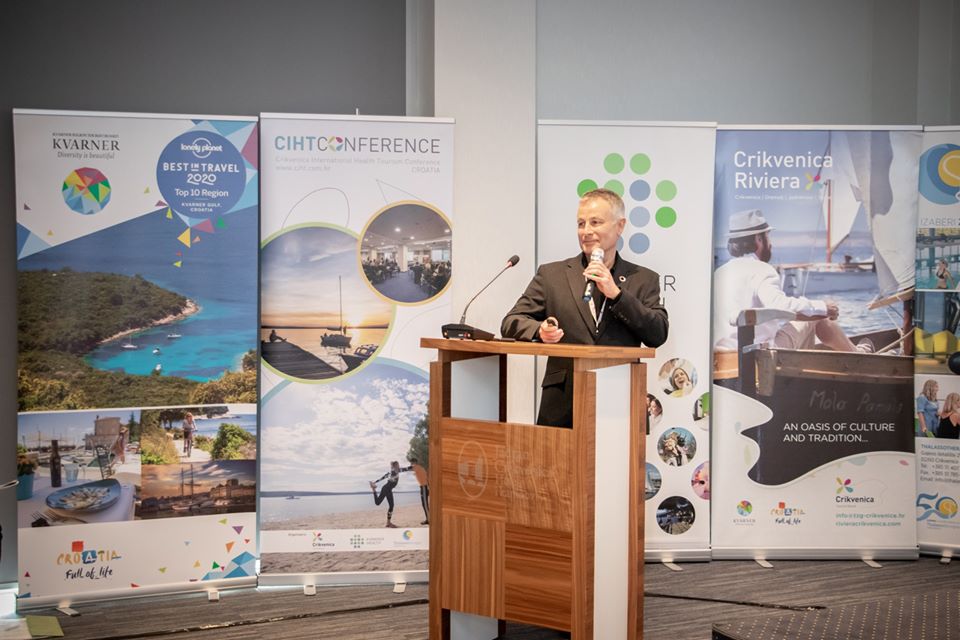
The quality of leading international speaker continued. Marc Ortmans, a brand strategist from the UK opened the late morning special, his subject matter Building Brand Futures. A particularly interesting aspect to his very illuminating talk was the story behind the campaign to launch the Champions League logo and brand back in 1992. So successful was the campaign that the very same theme music is used today, some 27 years later, and the brand is now worth 4 billion dollars.
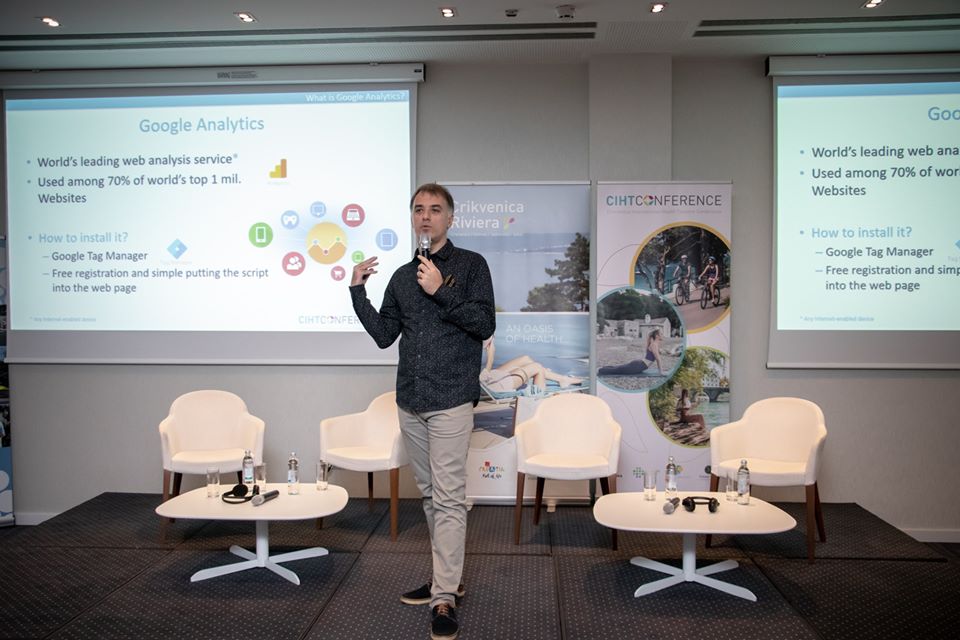
There was practical website advice from Croatia's leading Google Analytics expert, Robert Petkovic, in his presentation - I know your website generates visits to your clinic, but do you?
One of the points I made in my presentation at CIHT 2019 was that the word 'potential' was not only overused by everyone, but it was also a nice shield to hide the fact that not much progress was being made, or things worked on. Potential always points to somewhere in the future, and six years after medical tourism appeared in the 7-year strategic plan of the Ministry of Tourism in 2013, there is still no national medical tourism brand. Clusters operate individually, with Kvarner Health bigger than the brand of Croatia itself, and Zagreb investing $50,000 dollars in a questionable report - both in terms of content and whether the report might have been more useful to have been country-specific rather than just the capital city in isolation.
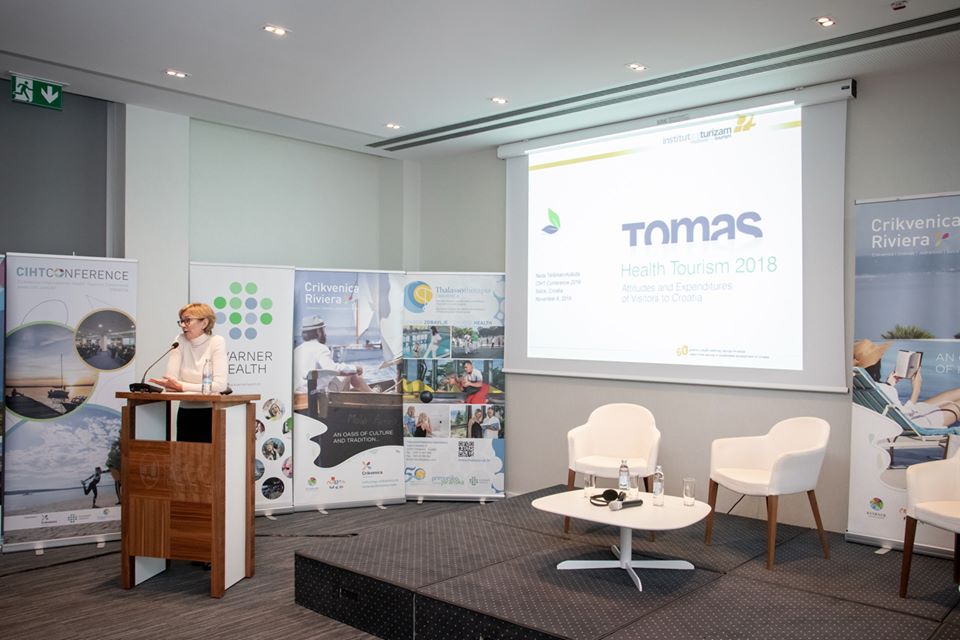
And so it was encouraging to listen to TOMAS – Health Tourism 2018: Attitudes and Expenditures of Visitors to Croatia, by Neda Telisman Kosuta, Senior associate at the Institute for Tourism in Zagreb. Although I have yet to see a full copy of the report, the presented results provided much food for thought and a basis for moving forward. One more part of this new gelling process.
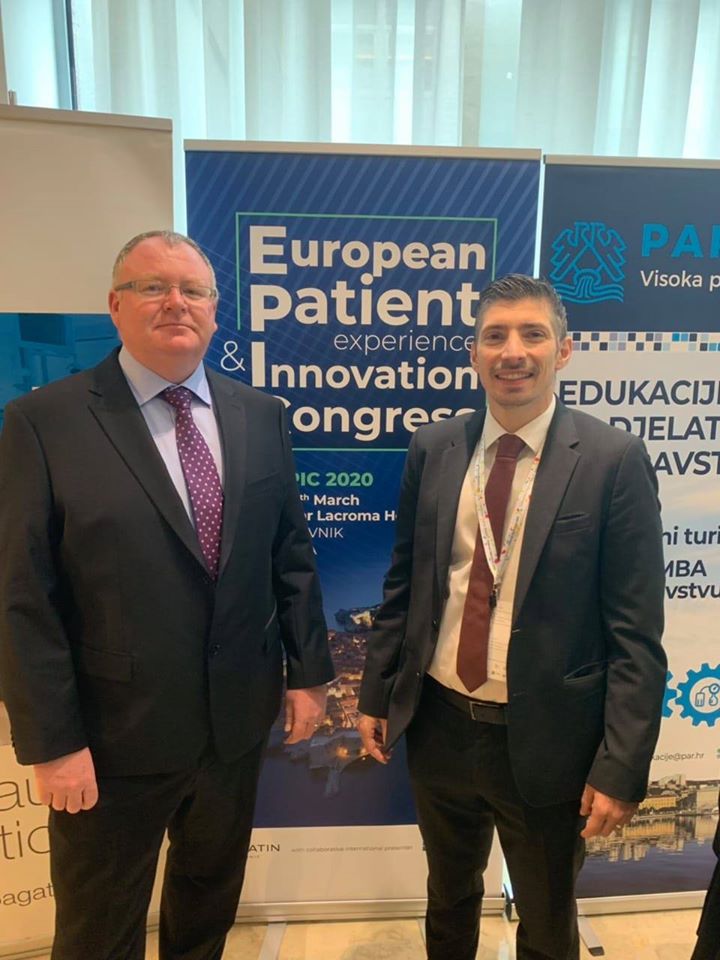
There were more presentations which I did not attend due to other commitments, but a chance also to catch up with Luka Medical Tourism Modric before the long drive home. it is more than two years now since Ognjen Bagatin introduced me to the world of Croatian medical tourism excellence, his infectious enthusiasm quickly spilling over onto me. His energy is endless, his determination relentless. And the signs are there that his efforts - and the efforts of many others - are beginning to pay off.
There is a long way to go, but don't rule Croatia out from reaching any future medical tourism World Cup Final.
Learn more about the CIHT 2019 conference on the official website, or check out the video report on local news below.
To follow the latest in the Croatian medical tourism industry, follow the dedicated TCN section.
Rijeka 2020: 1000 Events, 268-Page Guide in English: Now Available!
November 9, 2019 - Rijeka 2020, the European Capital of Culture, is only a few months away. A timely English-language overview of the 1,000 events planned, introduced by the man who translated the brochure.
The official programme for next year’s European Capital of Culture was launched at the end of October with a special promotional party in the city of Rijeka, attended by the media, sponsors, partners and special guests.
The programme’s 268-page brochure printed in separate Croatian and English editions outlines all the programmes, main exhibitions, artistic interventions, festivals, music, theatre and dance events as well community programmes, building restorations, meetings and conferences which will all kick off officially with the Rijeka Carnival in February 2020. In total about 1,000 events are planned in the city, the surroundings, on the islands and throughout Primorje-Gorski Kotar County.
This first English edition of just 700 printed copies will be updated with added events and information as 2020 approaches. The current English language brochure is available to view and download here.
And you can keep abreast of the events and preparations on the official website, and of course on Facebook, Twitter, YouTube etc.
See you in Rijeka in 2020!
Looking to learn more about the 2020 European Capital of Culture? Here are 25 things to know.
5 Things to Know about Croatia's Louisiana Road (Lujzijana Cesta)
November 9, 2019 - TCN is delighted to welcome Forrest Stilin to the team, with his first article on the historic Louisiana Road (Lujzijana Cesta, or Ljuzinska and Luzijanska) from Karlovac to Rijeka.
A new addition to the TCN team, Forrest was one of the successful applicants from our recent job posting for new writers. It is always nice to learn something new from a writer applying for the job, and I must confess that I personally had never heard of the Louisiana Road (Lujzijana Cesta) before.
Welcome, Number 142! If you would like to write about the Croatia, Montenegro or Slovenia where you are, please contact us at This email address is being protected from spambots. You need JavaScript enabled to view it.
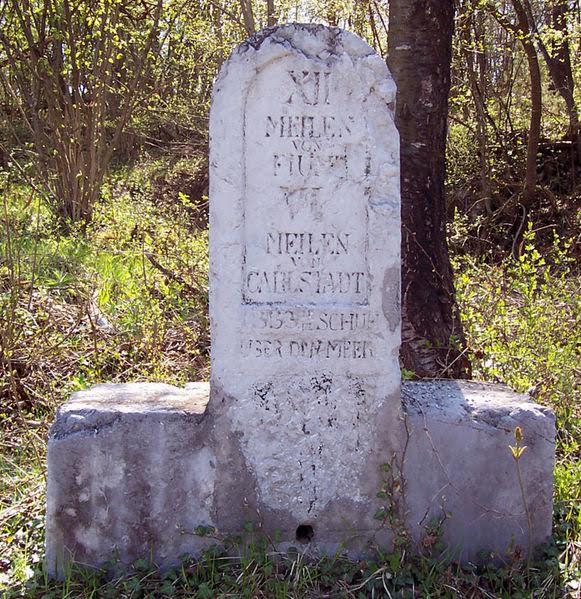
The Louisiana Road, built between 1803 to 1811, emerged as an important early commercial route for the transport of goods between Karlovac and Rijeka in the 1800s. The average annual road traffic between 1827 and 1829 was estimated at 80,000 horse-drawn carriages, 90,000 oxen and 25,000 freight horses.
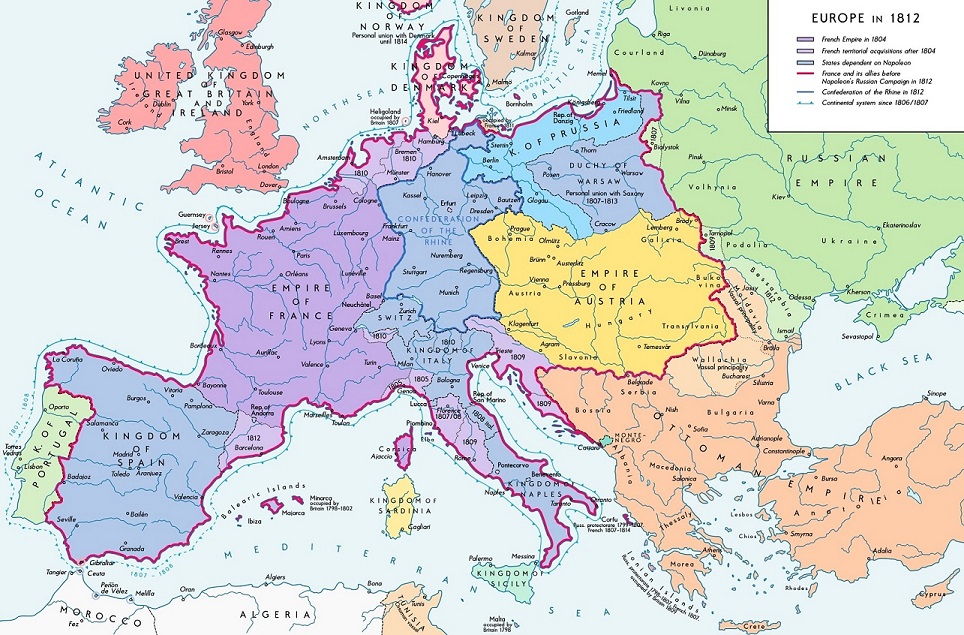
Built During the First French Empire
Most of Croatia proper, Istria, Dalmatia, Slovenia and part of Austria were re-named the Illyrian Provinces under the First French Empire, which existed under Napoleonic Rule from 1809 to 1814. The origin of the name Louisiana remains in dispute. Some historians maintain that it was named after Maria Ludovika of Austria-Este, the third wife of Emperor Frances I of Austria, while others believe that it was named after Napoleon’s second wife Marie Louise of Austria.
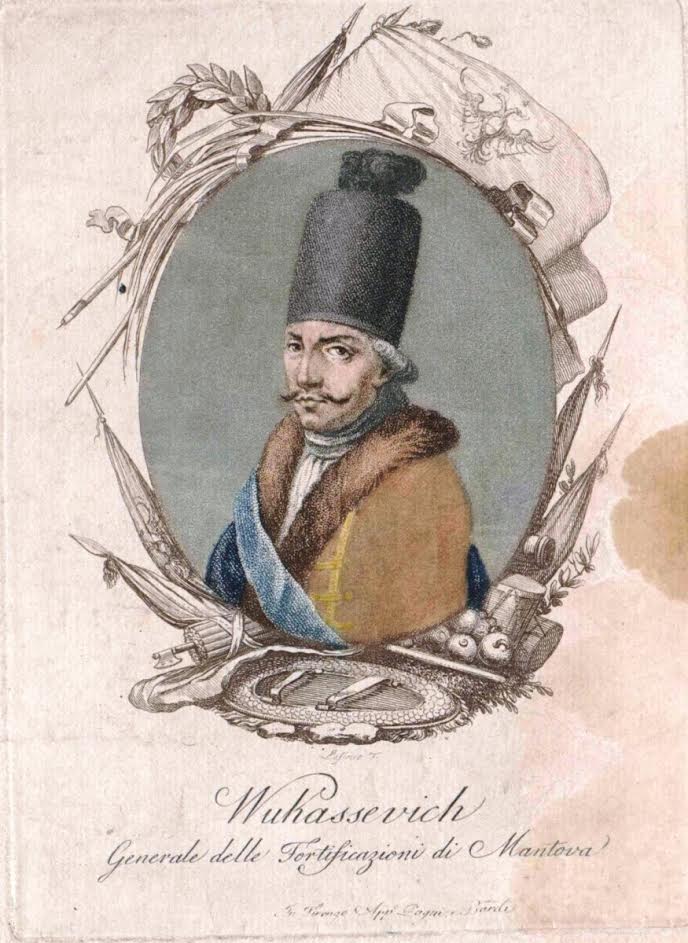
Designed by Barun Josip Filip Vukasović
Barun Josip Filip Vukasović, a Croatian soldier, played a key role in the development of early transportation routes from the Croatian Littoral to the Adriatic Sea. He is credited for designing the Theresiana Road, which upgraded an earlier route from Gospić to Karlobag. He also designed a coastal road between Senj and Sveti Juraj and directed the reconstruction of a portion of the Josephina Road from Senj to Karlovac. He is most well-known for his career as a soldier in the army of the Hapsburg Monarchy and fought the advance of the Ottoman Empire. He later fought in Napoleonic Wars (1803-1815) during the First French Empire, was wounded in battle, and died on August 8, 1809.
Road Specifications and Route
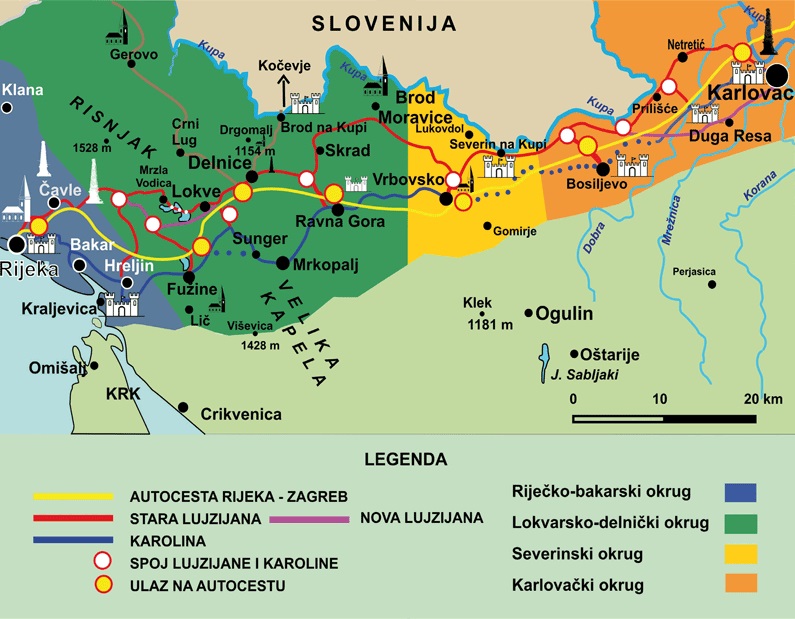
The original Louisiana Road was just under 18 Austrian postal miles or 141 km long, 8.2 m wide and boasted grades of less than 4%. The road began in Karlovac and passed through Netretić, Vukova Gorica, Severin na Kupi, Vrbovsko, Skrad, Delnice, Lokve, Mrzla Vodica, Gornje Jelenje, Orehovica and ended in Rijeka. The road was upgraded in 1910 and paved from Rijeka to Delnice in 1940. By 1955 the entire road had been paved. The present- day D3 state route follows portions of the original Louisiana Road. Most of the contemporary traffic from Karlovac to Rijeka follows the A1 and A6 freeways which were completed in 2005 and 2008.
Obelisks and Mile Markers
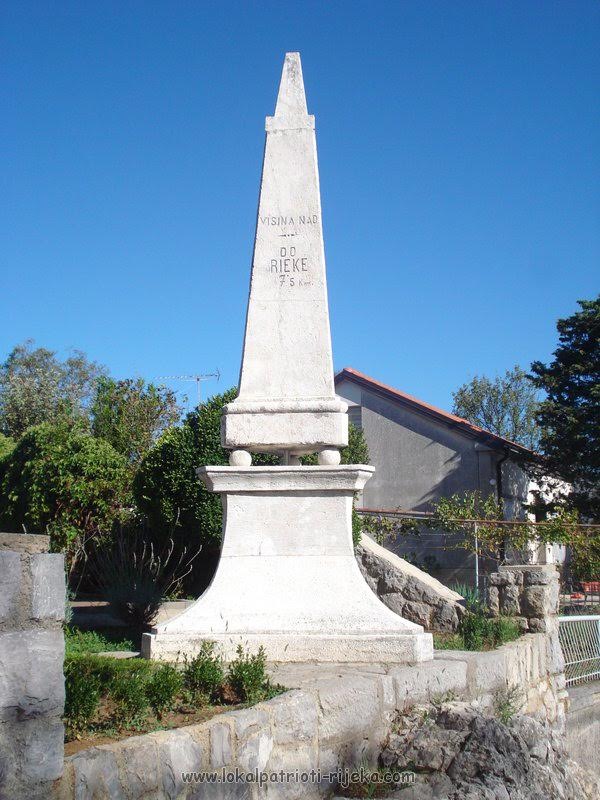
A number of stone mile markers, which follow the route and note distance, still exist along the present-day D3 state route. These original tablets, like the one in Nadvučnik, use Austrian postal miles to denote distance and are written in German. Later markers, like the obelisk in Čavle, use kilometers for distance and are written in Croatian.
The Book
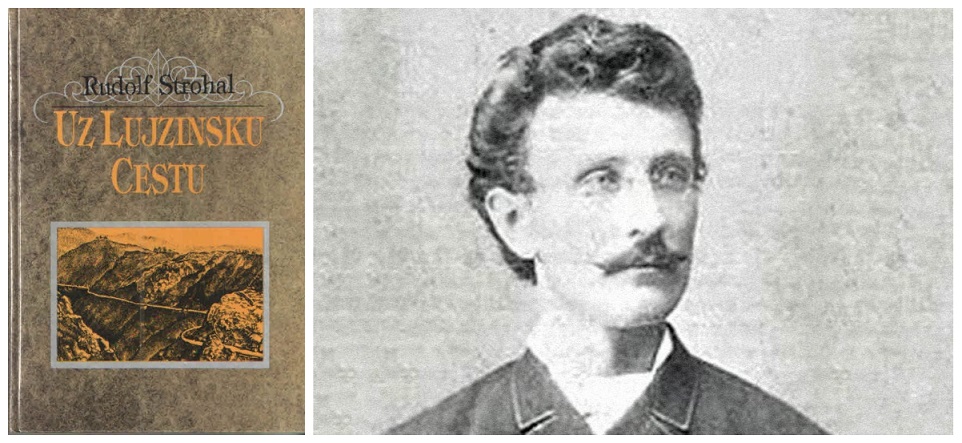
Rudolf Strohal, a famous Croatian linguist and writer penned the book “Uz Lujzinsku cestu” (Along the Louisiana Road). It was published in 1935 and describes the construction of the route and the regions and towns it passed through. In his forward, he states: “I wrote this book to reminisce in my old age about sweet memories from the happiest period of my life, which I spent along the Louisiana Road. I saw the sun for the first time along the Louisiana Road, I spent my young days along it, and crossed it countless times. Not only did I know every house along the Louisiana Road but every stone and piece of wood.”
And, to finish, a little archive footage and video from Croatian national television.
Karamarko to Run Again for HDZ President?
ZAGREB, November 9, 2019 - Former HDZ leader Tomislav Karamarko on Saturday posted a message on his Facebook wall indicating that he could run again for party president in elections to be held in the spring of 2020.
At the end of a lengthy post on the 30th anniversary of the fall of the Berlin Wall, the former HDZ leader says: "P.S. As far as I'm concerned, I continue destroying 'the antifascist defence wall'. See you at party elections!"
Judging by statements they have given so far, other possible rivals to HDZ leader Andrej Plenković at the party elections are MPs Miro Kovač and Davor Ivo Stier and Vukovar Mayor Ivan Penava.
Prime Minister and HDZ leader Andrej Plenković said on Saturday that any HDZ member could take part in party elections, thus commenting on a Facebook post by former HDZ leader Tomislav Karamarko indicating that he, too, could join in the race for the new party president.
"We have a different matter on the agenda now - presidential elections. Party elections will be held when the time comes," Plenković said in Varaždin after a session of the government's Council for Croats Abroad.
Asked by reporters about antifascism in Croatia, Plenković said that his position was evident from the parliamentary debate on the bill on holidays.
"There are some fundamental values on which modern and free Croatia was built... and those values are also contained in the HDZ's statute and platform. We support it," he said.
Asked what he expected of today's presentation of Social Democratic Party presidential candidate Zoran Milanović's platform, Plenković said briefly "I expect Kolinda Grabar-Kitarović to win."
More HDZ news can be found in the Politics section.
Zoran Milanović Holds Rally in Zagreb
ZAGREB, November 9, 2019 - The candidate for the president of Croatia of the opposition Social Democratic Party (SDP) and 12 other liberal-left parties, Zoran Milanović, said at a motivational rally in Zagreb on Saturday that if elected president, he would be a supreme defender of the rights of Croatia and its citizens.
"My strongest weapon will be my speech. That is what the president has, and if he does not - nothing can help him, particularly not greater powers. I will be a sort of supreme defender of the rights of Croatia, its people and citizens, even though the current ombudswoman does her job well."
"The president can do the most by tirelessly warning about the problems of ordinary people who live off their work," Milanović told those gathered for his first big election rally, held under the slogan "An entirely normal rally."
Along with the slogan "A president with attitude", another key slogan of Milanović's campaign focuses on the term normality.
"We must create a normal state where we will wake up in a month and a half from now and say - this was worth it," Milanović said.
In his 30-minute motivational speech he also said that he would point to thievery.
"In Croatia there is no trust in the judiciary, people are exposed to power-wielders and we have been witnessing that for 30 years. As president of the republic I will warn about problems and injustices and help build trust in the system because our state has a deep meaning despite the efforts of many to devalue it. Corruption is a nice term for what people call thievery - it's greed for the property of others, for what is in the common treasury. I will work to change that. With attitude and loud warnings if necessary but not by banging my fist on the table or by forming unlawful shadow cabinets," he said, adding that he would cooperate with the government but would not exceed his powers.
In an ironic reference to President Kolinda Grabar-Kitarović, Milanovic said that he was not one of "those who say that they still believe in Croatia, I have always believed in it, and I also believe in the EU."
Commenting on current disputes in society, he said that antifascism "is not an ideology but resistance" and that his ideology was one aimed at protecting the weak.
Commenting on the 30th anniversary of the fall of the Berlin Wall, Milanović said that it was time for Croatians to ask themselves if they were better, happier and smarter and in what kind of country they lived.
"Our past was difficult, more difficult than the past of any other country in Europe but the wars are over. We won those wars. We owe eternal gratitude to those who fought in them, but we must move on, we must build a normal country. The state is there for us to be satisfied living in it but is that the case today? Who is responsible for that? It does not even matter. I will not point the finger at anyone, but I will not keep silent either. My most powerful weapon will be my speech," he said.
Describing his vision of the president's role in foreign policy, he said that he would do his best to protect Croatia's interests in cooperation with the government, adding that there was no need to play the role of commander in chief of the armed forces 24 hours a day.
"We now have members of the Croatian army deployed around the world, where I deeply believe they do not belong," he said.
He also noted that life should be protected with all means available but that women's rights should be protected as well.
"I see memoricide trends, trends of restriction of women's rights and I will be a staunch advocate of the worldviews and rights of the weaker ones," he said.
Milanović's presidential candidacy is for now supported by 13 political parties - the SDP, the HSS, GLAS, the IDS, the HSU, the Democrats, SNAGA, the PGS, the Reformists, the SU, the Croatian Labour Party (HL), the Medjimurje Democratic Alliance, and the Green Pula.
More news about presidential elections can be found in the Politics section.
Plenković Says Croatia Proud of Its Diaspora
ZAGREB, November 9, 2019 - The Council for Croats Abroad on Saturday started a two-day session in Varaždin, with Prime Minister Andrej Plenković saying on that occasion that Croatia was proud of its diaspora and that his government's goal was to create conditions facilitating the return of a part of the expatriate community.
"The fact that Croats live in many countries and that many contribute to their homeland... with their business, cultural, artistic, sports and other activities reflects the great unity of the Croatian nation and of the expatriate community and the homeland. That unity is high on the government's list of priorities," said Plenković.
He went on to say that financial support to projects for Croats in Bosnia and Herzegovina had been increased by more than 50% and that support to Croat minority communities in neighbouring countries had been doubled.
"In the last three years we have financed 1,537 projects around the world worth HRK 115 million," said Plenković.
He said that Croats in Bosnia and Herzegovina should have a status equal to that of the other two constituent ethnic groups, the Serbs and the Bosniaks.
"I hope that recent media reports indicate a change in the right direction regarding an agreement between political parties, primarily the HDZ BiH and the SDA, on changes to the election law so that anomalies are removed and situations are prevented in which Croats are outvoted in elections for key bodies of representation," Plenković said.
He underlined Croatia's unreserved support to Bosnia and Herzegovina's journey to EU membership, and noted that special account had to be taken of the Croat community in Serbia.
"Everything that happens in Croatia with regard to the Serb minority reflects instantaneously on the status of Croats in Serbia. That is why it is important to understand our policy and its impact on the status of the Croat minority," the PM said at the start of the session of the Council for Croats Abroad.
Addressing the session, Council chair Ivan Grbešić wondered whether Croatia was ashamed of its diaspora.
Grbešić believes that someone is afraid of the diaspora because the ministry of charge of it no longer exists, and he also noted that the number of seats for diaspora representatives in the national parliament had been reduced from 12 to 3.
He said that Croats living abroad had fought for the country together with defenders in the country.
Grbešić cited successes of Croat expatriates, from sports to business, and noted that a large number of Croat expatriates spent their holidays in Croatia.
In the period from 1991 to 2011, around 100 million dollars arrived in Croatia from the diaspora and according to some indicators, around 2 million euros arrives every year, he said.
Grbešić welcomed recent amendments to the Citizenship Act and noted that now a government campaign was required to encourage new generations of expatriates to apply for and obtain Croatian citizenship.
The main topics of the two-day session of the Council for Croats Abroad are the possibility of electronic voting, preservation of the Croatian language and identity in the diaspora, the status of Bosnia and Herzegovina Coats, and maximising the services of Croatian Radio and Television for Croats abroad.
More diaspora news can be found in the dedicated section.
Advent in Pula Gears Up For Festive Season With Changes
As Glas Istre/Borka Petrovic writes on the 8th of November, 2019, the biggest news of this year's "December in Pula" program is the ice skating rink that will move from King Tomislav Square on Veruda to the very city centre. Mayor Boris Miletić justified the moving of the skating rink by claiming that it better adheres to the wishes of local kids and their parents, but also to the desire to bring all activities together in one place and stimulate additional liveliness in the city centre.
The installation of the ice skating rink, measuring 30 times 20 metres, will begin next week, more precisely on November the 13th, and the opening is planned for November the 29th. The rink will be open until January the 6th, 2020.
Traditionally, the first and last day of the ice skating rink's operation will be free of charge for everyone, as well as for all previously announced organised visits of preschool and school institutions.
Because of the ice skating rink of the rink and the turning of Giardini into a pedestrian zone, many changes in traffic regulations and public transport will be introduced in Pula.
Thus, for all traffic, as was the situation with previous years, Giardini will be turned into a pedestrian zone, Laginjina (at the intersection with Smareglinas street and Anticova street) will be closed from November the 13th onwards, and this year, Zagrebačka will be closed at the intersection with Dobricheva ulica, while Zadarska street (from the intersection with Istarska street to the intersection with Dobricheva street) will adopt a one-way system in the direction of Istarska street.
Carrarina is turning into a two-way impasse with the possibility of a semi-circular turn, and the taxi station will be relocated to the site of the current bus stop on Istarska street. All this was explained by Mayor Giordano Škuflić.
Igor Skatar, the director of Pulapromet, explained that the Pula city bus lines that otherwise operated along those sections would be diverted to the nearest surrounding stations, using mostly stops at the city library, Pula Arena and the market, and that changes to these routes would be available to the public on the company's website. The bus times will not change.
Pulaparking director Branislav Bojanić also stated that there will be free parking throughout the month of December.
''After November the 15th, we will be more tolerant of drivers and will allow delays of five or ten minutes until things are settled. But one thing we won't tolerate in December is improper parking and we will be rigorous there,'' Bojanić stressed.
The director of the Pula Film Festival Public Institution, Gordana Restović, emphasised that with the nearby ice rink, the entire site will be surrounded by amenities - as usual, eighteen cottages with various facilities will be located there, as will two stages, a gastro corner and the magic forest for toddlers, and in cooperation with the Visualia Festival, this pedestrian zone will be further enriched by the installation of the "Passage of Wishes" (Prolaz želja), that is, light arches that will extend as far as 50 metres along Giardini street.
As usual, a large stage and more than twenty concerts will be available to enjoy on Portarata, and the traditional New Year's Eve celebrations will be held at the Forum.
Make sure to follow our dedicated travel page for more.
Croatian Tourism Champion Rovinj Sets Investment Example
As Glas Istre/Duska Palibrk writes on the 8th of November, 2019, Rovinj is leading the way in investments in public infrastructure. Out of a total of about 10 million euros invested during the first half of this year, 4.6 million euros has been invested in paving the plateau at St. Euphemia and the Dapiran roundabout - Istarska street. In addition, the most important investments made in infrastructure include the reconstruction of Valpereri Street and the construction of the northern breakwater of Katarin in Rovinj.
This year and next year, about 120 million euros has been or will be invested in public tourism and other infrastructure across Istria. Most of this money comes from both city and municipal budgets, as well as from co-financing from the Ministry of Tourism and also from various European Union funds.
According to the data collected from the local self-government units by the County Administrative Department for Tourism, the record holder for investments is the city of Rovinj, Croatia's tourism champion. Of the almost 36.2 million euros of investments made during the first six months of this year, more than 32 million euros relates to Rovinj, which used this money to renovate new promenades and hiking trails.
The next most significant realised projects related to the tourist infrastructure are the arrangement of the Vižula Archaeological Park in Medulin, roads with parking in Labinci, car parks in Rabac and a visitors centre in Barban.
Rovinj also leads the way in investments in other types of public infrastructure. Out of a total of about 10 million euros invested during the first half of this year, 4.6 million euros was, as previously stated, invested in the paving of the plateau near the Church of St. Euphemia and the Dapiran roundabout - Istarska street.
In addition, the most important investments made in other areas of Istrian infrastructure are the reconstruction of Valpereri Street and the construction of the northern breakwater of Katarin in Rovinj, the reconstruction of the intersection at the entrance to Rabac and the Breg Ivanovci road in Labin, the reconstruction of the Zajerci - Draguć road in Cerovlje, and the Baštići - Gržići - Mill (Mlin) road in Grožnjan.
In the second half of the year, and by the end of 2019, more than 14 million euros worth of investments in tourism infrastructure and 22.3 million euros in other areas of public infrastructure are planned.
Rovinj is as such investing more than 10 million euros in bicycle lanes, road reconstruction, landfill and construction of the communal port of San Pelagio. A promenade by the sea is being built in Pula, the Tara oil mill is being built, the Šoht mining tower is being reconstructed in Labin, and the Arsia visitor centre is being set up in Raša.
By the end of the year, Rovinj will once again be steaming well ahead when it comes to investment in infrastructure with 6.6 million euros worth of investments in waste management facilities, storm sewers and road construction.
In addition, roads are being built within the Štrpa work zone with accompanying infrastructure in Brtonigla, in Funtana the old school is being transformed into a cultural/community centre and a kindergarten is being built in Gračišće. These are just a handful of the investments taking place in Rovinj which set it apart from the rest and make it an outstanding example to other cities across the country.
Make sure to follow our dedicated lifestyle page for much more.
Staying Authentic: Croatia the Non-Starbucks Capital of the EU
November 9, 2019 - One of the top travel speakers in the world was in Croatia this week at CIHT 2019 in Selce near Crikvenica, talking Pizza Hut, Starbucks, and successful tourism.
One of the things I love most about my 'job' is the sheer diversity of opportunity it gives me to see so many different aspects of this beautiful country. And while I cover a wide range of subjects and destinations with my travel around the country, it is almost always the case that a new situation will lead me off in an altogether different and totally random direction.
Who would have thought, for example, that seeing a red British telephone box in the oldest continuously inhabited town in Europe in eastern Croatia would lead to a visit to an authentic English pub in a field literally in the middle of nowhere close to Vinkovci. You can learn more about that, as well as why Yorkshire puddings were once on the Vinkovci menu, in How I Came to Open an English Pub in a Field in Eastern Croatia.

But this week was exceptional. The main reason for attending the outstanding G2.5 diaspora conference in Zagreb (see report here) was to pursue contacts and business links between the diaspora and entrepreneurs building bridges from the Homeland, but the highlight - at least in terms of stories - was learning about a golf tournament which takes place in Zagreb each year, where the competitors play in kilts, to the sound of bagpipes, and accompanied by a wee dram or three of whisky. Yes, really - check it out here.
My second conference of the week was in Selce, near Crikvenica, the 7th edition of CIHT 2019, the Crikvenica International Health Tourism Conference. We will have MUCH more about this conference shortly, including TCN's maiden speech on the medical tourism speaking circuit, but my main takeaway of the whole event had nothing to do with medical tourism.
As my wife and colleagues will tell you, I am famously disorganised, and I usually walk into situations with the minimum of preparation or research. I find life more fun that way (ok I am lazy) and so I had no idea who else would be speaking.
And so it was rather a surprise on the first day to see one of the world's top tourism speaking gurus not only giving one of the keynote speakers but also held two workshops in the afternoon. I have no idea how much Doug Lansky costs - and I suspect he is not cheap - but he was worth every penny. By quite some distance, he was the most thought-provoking speaker I have heard in my time in Croatia. I am still processing much of what Doug said, but one of his points got me initially motivated enough to write.
Forget the fancy websites, the top 10 lists, even the sponsored social media - the thing that motivates people to travel is having something unique and amazing to offer. If you have that, the word of mouth and genuinely heartfelt social media sharing will do the rest.
And yet, according to Doug, the paradox is that the more we travel, the more the places we resemble look like home - sometimes almost more than home. He cited the case of the handful of Pizza Huts in New York City, versus the dozens in Beijing, as just one example of how the chains we use back home are even more evident when we go abroad. It is all becoming the same. What is sought after is something unique and different. I made a mental note to myself to check something later.
Starbucks.
I knew that, despite many rumours, Starbucks still had no presence in Croatia. With such a wonderful coffee culture here, there really is no need for it, but I was curious to see how prevalent Starbucks was in Europe. The results were interesting - and encouraging for Croatia.
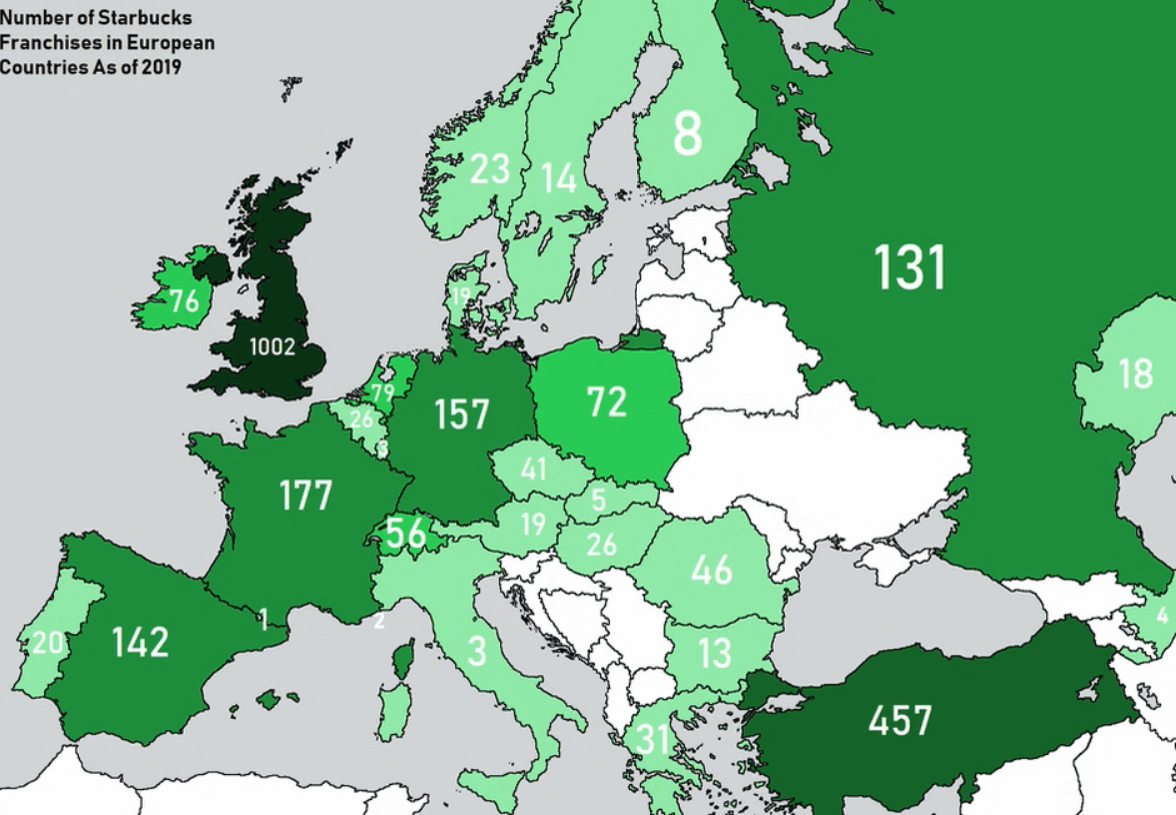
The following was posted on Reddit recently, a map of all the Starbucks franchises in Europe as of 2019. There are only five EU countries which have no Starbucks at all - the three Baltic states, Slovenia and Croatia. Of those, by far the biggest country, both in terms of size and population, is Croatia. And when it comes to tourism numbers, that size is much, much bigger (as an aside, several people have asked me to comment on Croatia's record 20 million tourists this year - and once I catch my breath from all this travel and do a little more research, I will publish Why Croatia Should Not Be Celebrating Its Record 20 Million Tourists).
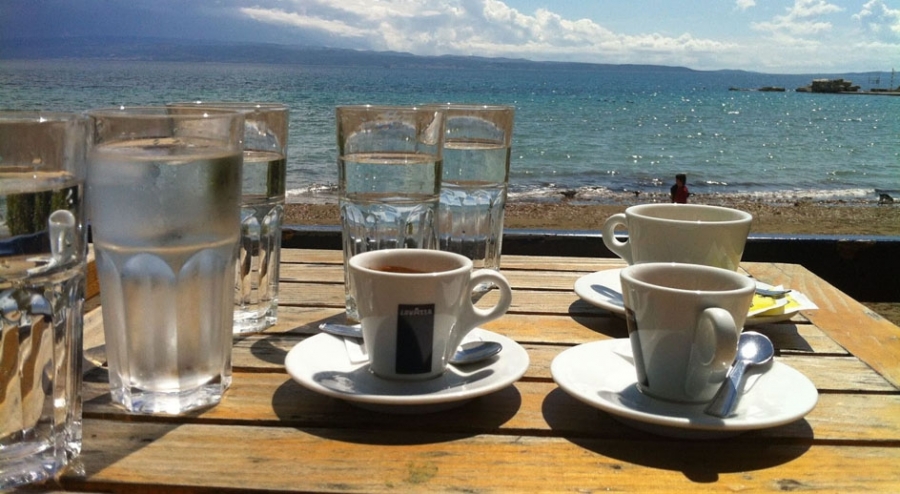
Coffee drinking culture in Croatia is authentic and pretty unique.
A land without Starbucks.
It is fast becoming a unique thing in itself.
Unique and amazing - Croatia has such things in spades, but (at least in my opinion) does a very poor job at promoting them. And while the obsessions with numbers, numbers, numbers and the gradual environmental devastation of the Adriatic coast slowly continues, there are SO many unique things that Croatia has to share that very few people know about.
In addition to the Yorkshire puddings, red telephone boxes and English pubs in obscure fields, I am discovering an abundance of fantastic stories and unique finds all over continental Croatia. And as I report on them, I am struck by how many local people are amazed by what they read. Not because my writing is particularly good, but because they are vaguely aware, they really had no clue about just how awesome some of these rarely visited attractions are.
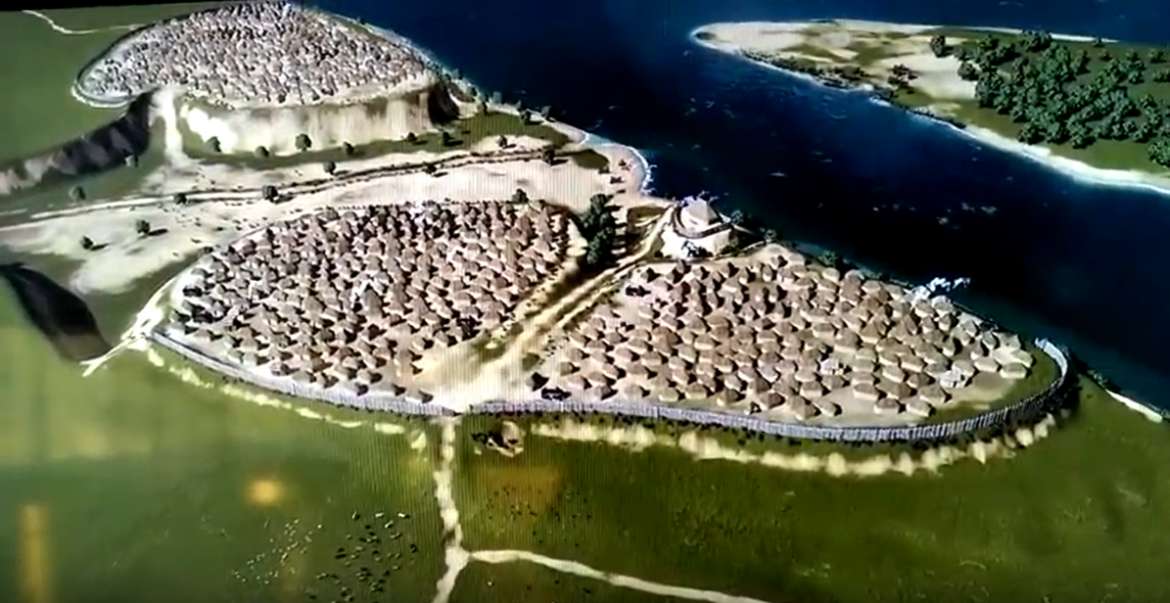
Two recent examples will suffice. Very few people outside Croatia (and I would guess not that many even in the country) have a firm grasp of Vucedol culture. And yet, just a few kilometres outside of Vukovar, one can find an outstanding museum on the site of what was once the centre of a very sophisticated culture, probably the most advanced in Europe at the time. Learn more in Vucedol Era: When Eastern Croatian Settlements Most Important in Europe.
There are many, many tourism niches, which do not appeal to everyone, but if you have something unique and high quality in that niche, people will travel for it. Look at the case of Medjugorje, the site of the alleged apparitions from the Virgin Mary in neighbouring Bosnia and Hercegovina. Even though there is nothing really to physically see, and even though the Vatican has not authenticated anything, more than one million people visit every year.
And yet, back in Croatia, there is a fully authenticated miracle approved by the Vatican (you can even see the Papal Bull) that you can physically see that hardly anyone knows about in detail. Learn more about it here.
Europe's oldest inhabited town with its British phone box, Europe's leading culture 5000 years ago, Croatia's miracle town - unique, authentic experiences which could be developed responsibly and authentically to take the pressure off the insane current obsession with numbers, numbers, numbers on the coast.
And with no Starbucks.
Looking to learn more about the unique finds in continental Croatia? Here are 25 reasons you should never visit.