Monday, 29 July 2019

Dalmatia as It Once Was: Split in the 1950s, with Horses and Double-Decker Buses (VIDEO)

July 29. 2019 - Continuing our journey back in time on Croatia's Adriatic Coast, a visit to 1950s Split.

The stylish riva in Split may be the place to be seen relaxing over a three-hour coffee, but it was only pedestrianised relatively recently. 

Before that, there was a busy road between the sea and Diocletian's Palace, a road that included horses and even double-decker buses back in the 1950s. 

In the latest in our series looking back at the Adriatic Coast as It Once Was, take a looks at the Dalmatian coast over 60 years ago.

To learn more about the city today, check out the Total Croatia Split in a Page guide

Sunday, 28 July 2019

VIDEOS: Istria on Red Alert, Roads Flooded in Dalmatia as Storm Hits Croatia

A summer storm followed by a torrential downpour and strong southern winds caused problems along the coast of Croatia on Sunday.

In Istria and Kvarner, the red Meteo alarm was switched on, while the rest of the coast is on the somewhat weaker, orange Meteo alarm, reports Index.hr on July 28, 2019. 

"The weather is mostly cloudy and unstable with intermittent rain and thunderstorms. There can still be thunderstorms along the coast followed by intense winds, but also waterspouts, especially in Dalmatia. The wind is blowing weak to moderate to the southeast, on the most of the Adriatic to a moderate southwest, and in Dalmatia, there is a very strong southern wind. In the evening, the wind will weaken everywhere. The highest daily temperature is between 25 and 30°C,” read the DHMZ forecast for Sunday.

The summer storm particularly hit Šibenik-Knin County. The wind knocked down trees and thrust them onto the roads.

One sailboat was swept to the shore in Primošten, as was a small dinghy near Šibenik, and the wind carried it to the bridge, said the Center 112.

"The Harbor Commander has been informed about everything, and the main thing is that there are no victims, everyone is safe," said the watch operator.

In addition, Center 112 received numerous reports and requests to remove branches from the roads in Skradin, Pirovac, Kistanja, Srima and Šibenik.

In Kašić, a strong wind collapsed a tree through the wire of a pipeline and the villagers are having problems with electricity. 

A short water spout flooded Poljička cesta in Split. A hundred meters of the road near the intersection with Ulica Bruna Bušića was completely flooded. 

In the video, you can see how the road looked between the two Split hospitals. 

The Blatine neighborhood in Split also saw fallen trees.

Hvar couldn't escape the floods, either.

Heavy rain fell all morning in the area of Imotski, and some thirty liters of rain per square meter is said to have fallen in two hours, which caused flooding on the roads. 

To read more about news in Croatia, follow TCN's dedicated page.

Sunday, 28 July 2019

Record Weekend for Travelers at Split Airport and Ferry Port this Year

Since the beginning of the tourist season, we’ve outlined just how many travelers are passing through two of Dalmatia’s biggest hubs - the Split Airport and Split Ferry Port.

While the numbers have been above 100,000 for the last month, this weekend brings the busiest weekend of travel yet, reports Splitski Dnevnik on July 27, 2019. 

Namely, the Split Airport and Ferry Port will handle some 117,000 travelers, which is the biggest weekend in traffic this year.

“On Saturday and Sunday, there will be about 58,000 passengers through the Split Airport and 220 aircraft, which is the largest number of passengers and aircraft during a two-day weekend this year," said the Head of the Reception and Dispatch Service at Split Airport, Mate Melvan.

According to Melvan, this weekend is the peak of the tourist season, and at Split Airport, they are preparing to keep traffic operating without interruption. 

"Through the Split Ferry Port, Saturday and Sunday will welcome 59,000 passengers and 11,000 vehicles, which is the biggest weekend turnover so far,” said Jelena Ivulić, the head of Jadrolinija in Split.

The most significant number of passengers with personal vehicles are from Slovenia, Poland, Slovakia, and the Czech Republic, while English, German and Australian tourists make up most of the travelers at Split Airport. 

To read more about travel in Croatia, follow TCN’s dedicated page

Sunday, 28 July 2019

Market Correction: Long-Term Rentals Returning to the Split Market?

July 28, 2019 - The conflicting messages from official statistics and private renters in Split have caused some discussion. Is it already leading to the market correcting itself? 

One of the destinations which is offering a very different picture of the tourist season is Split. While official statistics point to a record year, many apartment owners are complaining of empty beds in peak season. 

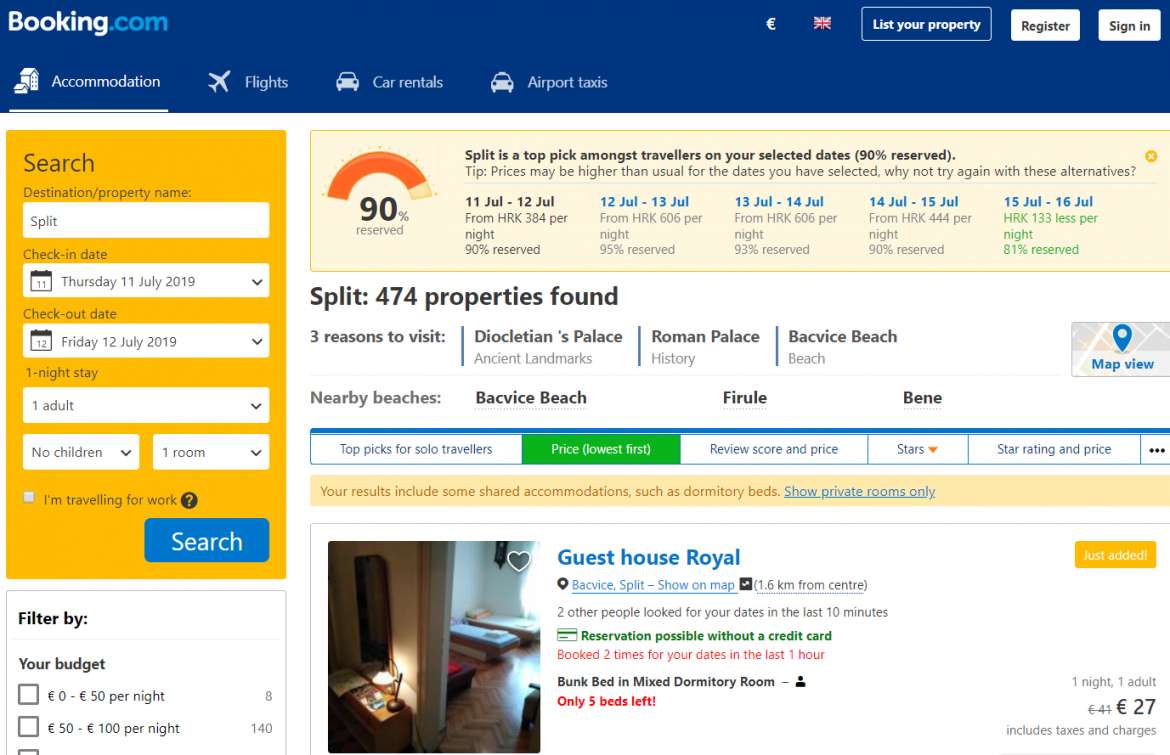
As I explained in a previous article, each year I check out the price and availability of accommodation on the first night of the Ultra Europe Festival. If you are not full during Ultra in July in the middle of the peak season, when will you be?

split-accommodation-long-term-rental.jpg

In 2013, the first year of the festival, there were just two options left in the city, the cheapest of which was 200 euro a night. Last year, there were 441, cheapest price 27 euro. And, as you can see above, this year, there 474, also starting at 27 euro. 

With Split feeling pretty full, there was only one explanation for the empty apartments - oversupply. 

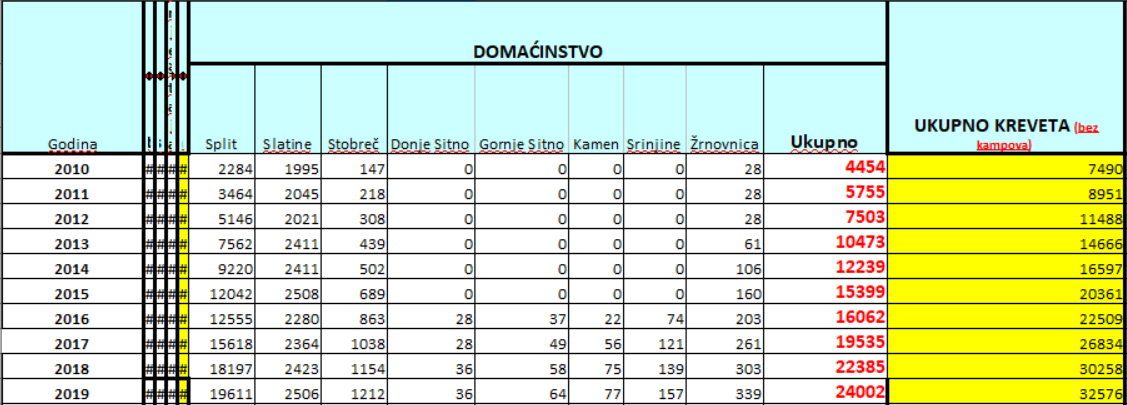
Just how much of an oversupply was about to come from official statistics I obtained from the Split Tourist Board:

split-accommodation-long-term-rental.png

 There you had it. In just 9 years, the number of beds in private accommodation had risen fro 4,454 to 24,002. 

While the Ministry of Tourism is restricting access to official statistics, some destinations are not afraid to publish their July numbers. Vir is having a record season, and the only other big destination which has transparently published the data is Split. Split is also having a great season and has also given a great breakdown of the various types of accommodation in the city, and the hotels are full. You can see their press release here.

So with a lot of oversupply with apartment rentals, what to do?

I met a friend for a beer in Split the other day who follows such things closely. He himself rents a 90m2 apartment in the centre year-round for 700 euro a month. It is a great arrangement. He loves the apartment and has a secure tenancy, and the owner has a guaranteed income of 8,400 euro a year gross and doesn't have to think of any advertising, booking or property management costs or effort. 

Finding a long-term 12-month rental is becoming increasingly difficult in the bigger top destinations on the coast. It used to be common to rent to students during the academic year, then to tourists in the lucrative summer months. But as the season got longer, so the students could not compete with the tourist short-term rental prices. 

My friend has noticed in recent days that more long-term rentals are being advertised in places like Njuskalo, as perhaps people are having a rethink due to the oversupply. 

He understands this subject better than me, but argued that to make the 8400 a year from a simple long-term rental, you would need to earn somewhere near 15,000 a year from the same rental, once advertising, booking and property management costs were taken into account. If the apartment cost 100 euro a night, he argued, one would need 150 nights to get to the same earning for the long-term rental. And if there are 474 apartments available on the first night of Ultra, who can guarantee that?

And so will it happen that the oversupply will force some owners to be realistic about their tourism income potential, especially if they have nothing special to offer, and to return to the security of long-term rentals? I think that will happen and, with several new hotels set to open next year in the Dalmatian capital, and with quality private accommodation looking strong, I think that market forces will push the Split accommodation balance the right direction. It should lead to more affordable housing and more locals renting close to the centre, which is a good thing, of course.

What are your thoughts?

To learn more about the city, check out the Total Croatia Split in a Page guide


Sunday, 28 July 2019

City of Split Bans Music in Outdoor Terraces of Center after 11:30 pm on Weekdays

Just after the City of Split decided on a rather controversial decision for catering businesses, which clearly defines that at 11:30 pm on weekdays in the peak season, music in the outdoor areas of a bar, cafe, or restaurant must be turned off, an anonymous caterer sent a public letter to the competent authorities, asking them to review the legality of such a decision.

It was to be expected that some owners of Split cafes, restaurants, and bars would not rush to begin implementing the new law, because turning off the speakers in the city center a half an hour before midnight wouldn’t exactly bring in any more business. However, the time has finally come.

Thus, Slobodna Dalmacija decided to take on the new law first hand and embarked on a ‘super tour’ of the town 10 minutes before the clock struck midnight. 

The popular portal did not intend on walking to every business in the city center, but followed the sounds on a tour that lasted just 20 minutes, which they claimed was more than enough.

Slobodna started their tour in an area that receives the most complaints about loud music - the terrace of the Tourist Palace and the nearby InBox cafe. 

Both of these buildings continued as if the provision did not exist. 

They then moved down the Riva only to find that local hotspot Antique was operating as if it was a weekend, not a working day. 

It was a little quieter in the nearby restaurant Adriana, though the music continued to play just before midnight.

While there was no noise at Voćni trg, Slobodna continued to Pjaca, where the music brought them behind the old City Hall, where popular bar Gaga continued to operate as usual with their outdoor speakers. 

And finally, around the corner on Ulica Petra Kružića, while no music could be heard outside, the bars were full of locals and tourists which created its own noise. 

In an invitation to the Prime Minister Andrej Plenković, Ivan Malenica, Minister of Administration, Gari Cappelli, Minister of Tourism, and Nediljka Vuko, head of the County Office of the State Administration, anonymous caterers urged their immediate response to prevent the decision-making on the catering activity of the City of Split.

It requires that the competent institutions carry out oversight over the constitutionality and legality of the decision and remove the established irregularities, as well as the supervision of the city administration and the City Council.

In their public address, the caterers warn that the City of Split may be sued in court proceedings, whose costs would then be paid by the citizens. As the reason for the public letter, they state that the noise is within the competence of the Law on Noise Protection and not the Law on Catering.

Because of the same noise problems, Barcelona introduced surveillance in 2006, while, for example, Dubrovnik and Venice banned the use of the speakers in the outdoor areas of catering businesses.

To read more about lifestyle in Croatia, follow TCN’s dedicated page

Friday, 26 July 2019

Reduce, Reuse, Recycle: Break Time Jewelry Says No to Plastic with New Collection

July 26, 2019 - From plastic bottles to nautical bracelets, meet the new Break Time #reCYCLED collection. 

Croatia is catching onto the plastic-free movement, which can be seen in just some examples of introducing reusable cups at the two sold-out Foo Fighters’ concerts at the Pula Arena to initiating actions at the Motovun Film Festival. Though it’s not hard to see why, considering the world is currently producing 300 million tons of plastic each year. 

Today, we have even more good news as we bring you yet another example of one Croatian company saying no to plastic - Break Time nautical jewelry. 

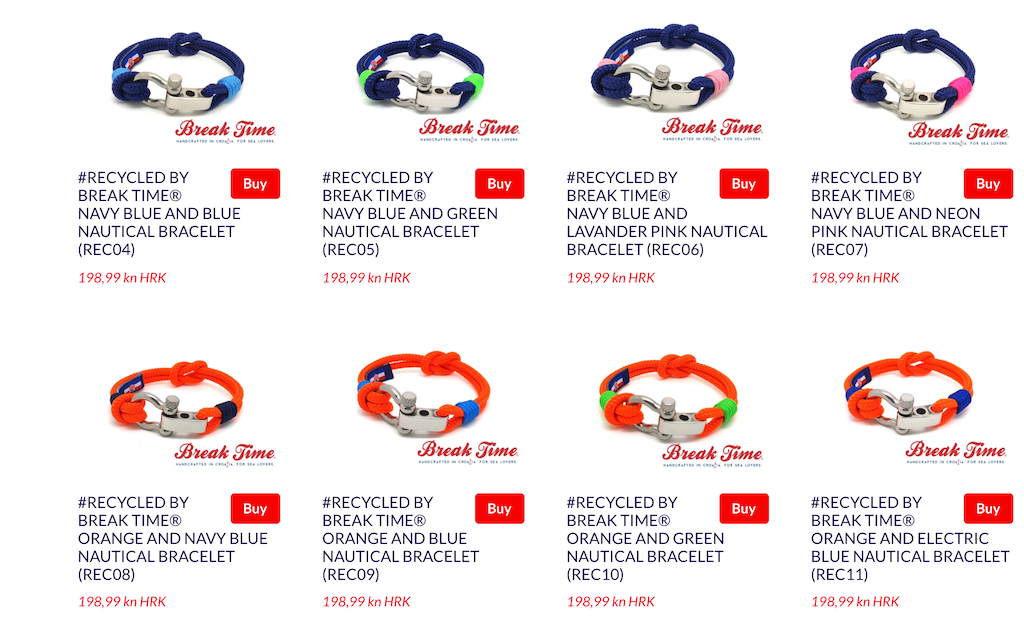
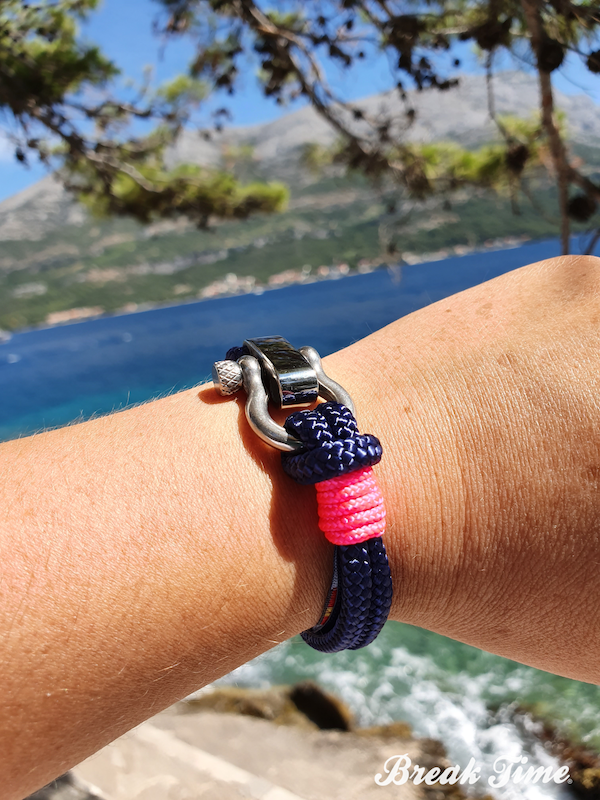
Namely, Croatia’s favorite jewelry team has introduced a brand new collection that vows to do its part in reducing plastic waste - meet the #reCYCLED by Break Time nautical jewelry collection. 

Screenshot 2019-07-26 at 10.37.28.png

“We are committed to doing our small part in reducing plastic waste, so we have partnered up with one of the oldest rope factories in Europe - Langman (operating since 1638 in the Netherlands), and we are proud to use - for our new #reCYCLED by Break Time® collection - their absolutely innovative yachting ropes, produced for us in beautiful colors (navy blue, red, bright orange, bright green) and - most importantly - made 100% of recycled plastic,” said Break Time when they announced the new collection on Thursday, and further revealed that 40 PET bottled are used to make 1 kilogram of yachting rope. 

break-time-recycled-1.png

You can have a look at the entire collection here

Fortunately, you can help save the planet, too.  The new #reCYCLED by Break Time collection is available now online at www.nautical-bracelets.com and over the coming days in Break Time’s five Croatian locations: 

Ilica 14, ZAGREB

Zadarska 1, SPLIT

Trogirska 8, SPLIT

Antuninska 5, DUBROVNIK

Via Arsenale 10, ROVINJ

To make sure you never miss a Break Time beat, follow them on Facebook, Instagram, Twitter, and YouTube

To read more about lifestyle in Croatia, follow TCN's dedicated page

Monday, 22 July 2019

A Digital Nomad Reflects on 63 Glorious Days in Croatia

July 22, 2019 - They are not tourists in the classic sense, but they do travel around and spend. A digital nomad reflects on 63 days in Croatia. 

After 63 days in Croatia it is finally time to move on. We stayed at three different locations, all of them great in their own way, so I wanted to share the details for those that are interested in learning more. This country is so special with the amazing water, weather, and people and the food is some of the best I’ve found! Our next 45 day journey starts today, but here’s an overview of our stay here:

croatia-digital-nomad (3).jpg

Leg #1: Kastel Kambelovac, just 20 minutes north of Split

We stayed in a very small one-bedroom unit with a direct view of the channel and a balcony that we ate on as often as possible. When we arrived May 15 it was a bit sleepy with not much activity and the weather was rainier and colder than usually, but within a few weeks it went from that to very hot, in the 90’s F. The energy of the city also changed come June, especially by June 15 which seemed to be the switch to summer. Within a few days people were everywhere, beaches were crowded, areas of the sea were roped off to delineate safe areas and the area became more bustling.

Split town, pretty easy to walk around when we arrived, also got busier and you could see more cruise boats all the time. When we first got here we weren’t that impressed, aside from the view and closeness of the water, but as we are now leaving we have become “part of the city” somewhat. We have conversations with restaurant people, some locals and I can see that over time it could grow on us. Learning the language, well, that’s another thing, as it is highly unlikely that we would learn Croatian beyond a few words. Very difficult and different than anything we were used to.

croatia-digital-nomad (4).jpg

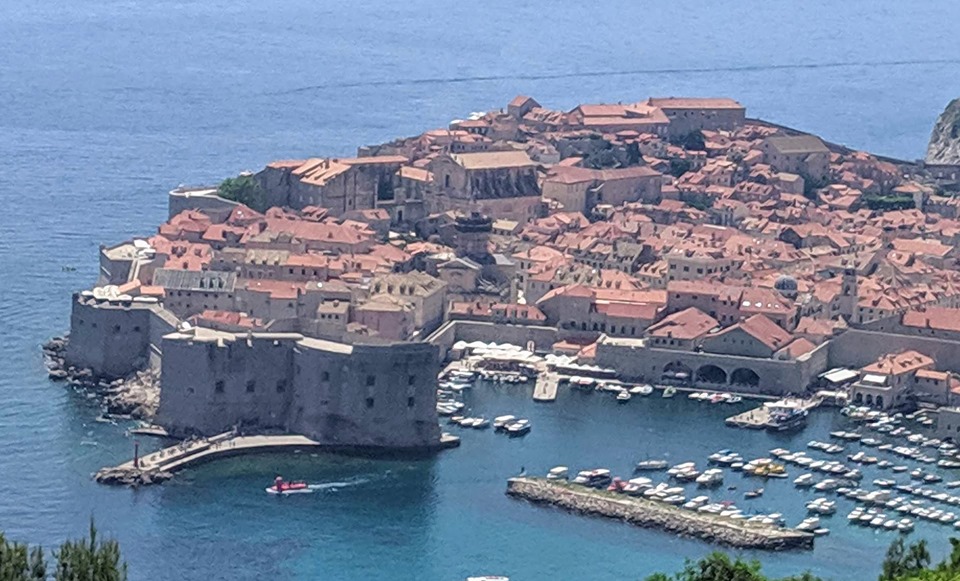
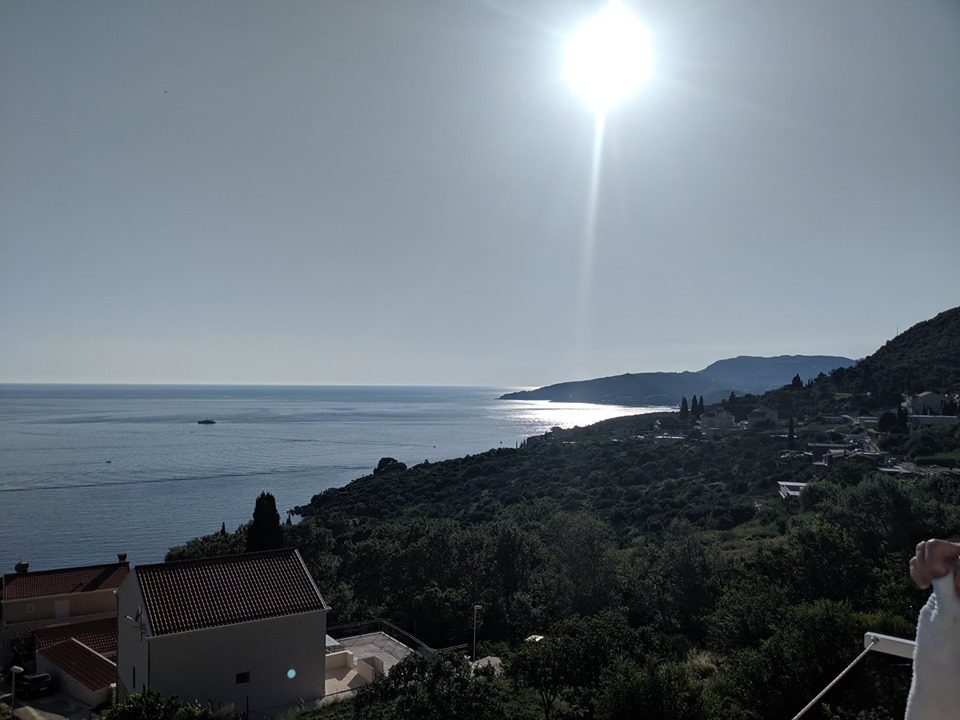
Leg #2: Dubrovnik, actually a small village called Plat just 10 minutes south

We were only there for a week and when we walked into our unit we flipped as the balcony expanded to an amazing pano view of the channel and sea from a very high distance above. The unit itself was small, but very clean, and aside from not have a complete kitchen, worked beautifully. We found an amazing restaurant 100 yards down the street and ate there several times for amazingly good prices considering what they charge in Dubrovnik proper. We liked Dubrovnik Old Town, but as warned, it was crazy busy and hot in summer. We found some great places to enjoy the water and the beauty of Croatia is that you merely have to take a ride along the coast, and when you see a place that looks good, you stop. Parking is never a problem and you can do it any way you can!

croatia-digital-nomad (6).jpg

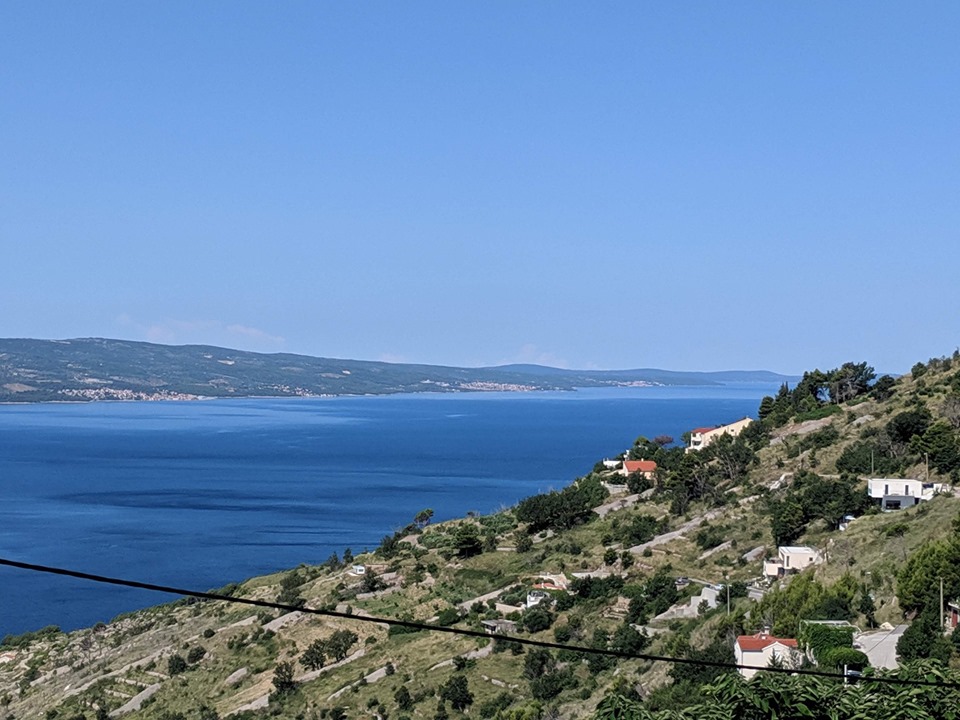
Leg #3, Lokva Rogoznica, a small village just south of Omis

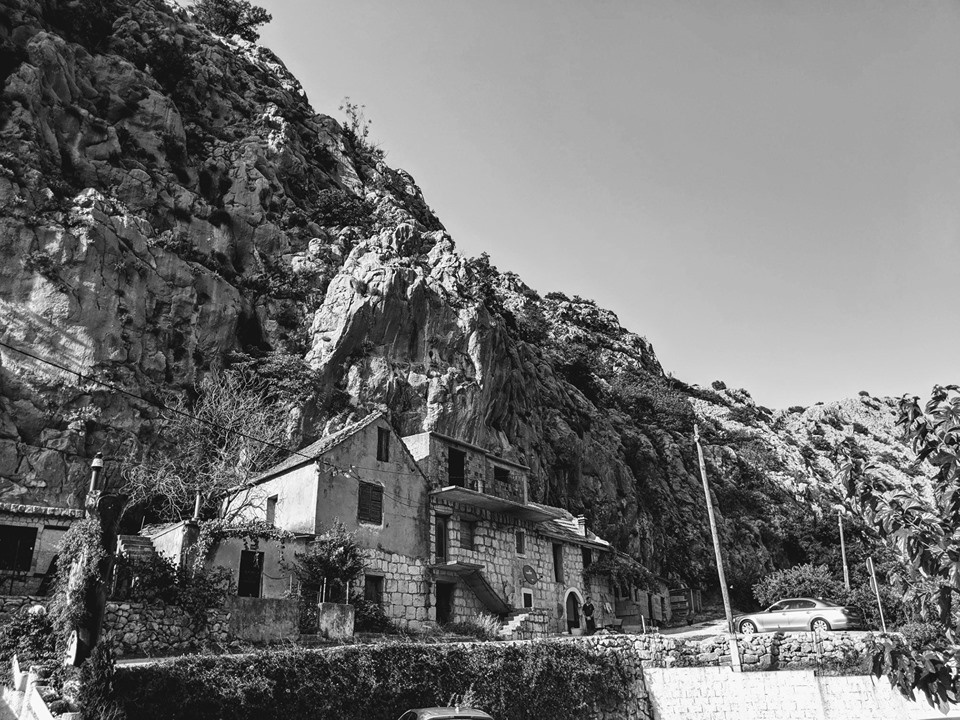
This was the city whose name I could not pronounce, but loved immensely. As we rode into Omis the first time we, like everyone who does so, were amazed at the rock walls alongside the city. We were at this location for 10 days and this was a trip. The first time arriving we kept climbing up and up and up alongside the cliff wall. We finally get to this small village via several switchbacks and it looks deserted and empty. It mostly was but still enough people to create good energy and our unit was outstanding. We stayed with another couple for a novel experience, and each of us had two complete units with kitchens, baths, etc… Again, fantastic balcony very high up looking at the island of Brac. Several times rain arrived, we could see it doing so! And we watched lighting and heard thunder as though we were IN the storm. Pretty awesome.

croatia-digital-nomad (1).jpg

A car was required and we spent a lot of time at these beaches and in the town of Omis, plus did a great raft ride. We had a terrific guide and for about $35 spent 2.5 hours on the River Cetina. The only downside was my pixel phone was lost in the river (my bad) but otherwise, all good.

So, after 63 days the question is “Do we come back?” and the answer is a 1000% yes. Where, when are yet to be decided, but for anyone who lives or spends time in Croatia, you get it. For those that had no idea where it is, which included me just a year ago, get this destination on your vacation plan and bucket list. If you need help or suggestions on how to Travel Younger, just ask.


Norm Bour is a travel writer and blogger who teaches others how to “travel younger.” A Baby Boomer who permanently left the US in February 2019, Norm stays at different locations six weeks at a time, with no intention of stopping. He never traveled outside the US until 2016, but watched how the Millennials traveled affordably and with a great sense of adventure and fun. At age 64, he and his girlfriend decided to learn from those that were doing it right and is committed to inspiring Baby Boomers of any age to live their dream. Follow their journey at his Facebook blog under Travel Younger..

To learn more about the digital nomad opportunity in Croatia, check out the dedicated Total Croatia guide.

croatia-digital-nomad (5).jpg

Monday, 22 July 2019

Split Tourist Board Published Tourism Accommodation Statistics

July 22, 2019 - As access to tourism statistics is restricted at the national level, a very transparent overview of the season by the Split Tourist Board. 

In the first six months of 2019, Split Tourist Board records 237,865 arrivals (which is 12 percent more than in the same period in 2018) and 853,646 overnight stays (15 percent increase compared to 2018), which is in accord with the strategic goals of the increase of tourist traffic in the preseason. Bed occupancy has increased by 7 percent in the first six months of 2019.

In the first 15 days of July, 88,466 arrivals and 280,662 overnight stays were recorded, which are both 6 percent increases compared to the same period last year. The total numbers for July will be officially reported in early August.

In the week of the Ultra festival 49,591 arrivals and 166,542 overnight stays were recorded in the eVisitor system - 10 percent increase in arrivals and 12 percent in stays. The accommodations in Split were filled at a rate of 60 percent, which is 4 percent higher than in the week of the festival last year. The best results were seen in the objects with the higher categorisation (four- and five-stars).

The city of Split has 45 hotels open for this tourist season, including the seven new hotels that were recently open. That's the most newly opened hotels in a year in Split in a decade. So now Split has hotels Briig, Time, Vila Nepos, Boban Luxury Suites, Time, Pax and Ora to offer to the tourists - and that's in addition to hotels Cvita, Villa Split, Agava and aparthotel Posh which were opened late in 2018, so this is their first full summer season. That way, there are 10 additional four- and five-star hotels in Split!

That increased the number of hotel beds in Split by 10 percent, and there is a large demand for hotels - proven by the fact that they're all almost 100 percent full! Split has 3,641 beds in the hotels in 2019, and construction is almost finished on several new hotels which should be ready for the next season, bringing additional 1200 beds in four- and five-star hotels. Courtyard by Marriott is expected to open "Dalmatia Tower" until the end of 2020, with 190 rooms and four apartments. "Amphora Resort" on Žnjan, with 207 rooms, a congress hall, three swimming pools and a wellness centre is almost ready to be opened, as is the Ambassador Hotel on Matejuška, with 101 rooms and apartments, large restaurant for 240 people, spa, gym, nightclub and underground garage will. Villa Harmony with around 55 beds will also be open soon, proving the trend of growing investments in the highest quality hotels in Split in the last couple of years.

At the same time, the growth of the number of newly opened family-owned apartments has been reduced to just 5 percent, after several years when the growth was in the double digits. This year there are 1,271 new beds in private accommodation in Split, most of them belonging to the higher categories. The investments into the increase of the quality of accommodation in private apartments is obvious, as there are around 4 thousand beds in the four or five-star category. The total number of beds in private accommodation in Split this year is 24,614.

The total number of beds offered to tourists in Split is 34,374.

Sunday, 21 July 2019

Interview with Tomislav Buljubašić, Owner of Dioklecijan Hotel&Residence in Split

After finishing his education in business administration and international business and management at the prestigious Webster University in Vienna, Tomislav Buljubašić came back to Split to manage the first categorised medical hotel - the Dioklecijan Hotel and Residence in Split.

While studying in Vienna, he worked on his father's luxurious yacht, Seagull, which he says was one of his first experiences with tourism on a more exclusive level. Their guests were wealthier, often powerful people from all over the world and from different niches. He says that this job prepared him for what was to come, how to deal with the more demanding customers, and how to always provide the best possible service. It also helped teach him how to work with colleagues and how important it is to have professionals working with you every day.

He enjoyed Vienna but decided to come back home to Split. Both private and business reasons factored into that decision, as he believed that there was a lot of potential in Croatia to create something new or improve the already existing facilities. His father was just finishing his investment into the facility he's managing now, so that also helped Tomislav Buljubašić make that decision.

As soon as he graduated, he acquired the hotel from his father, and of course, he didn't have the means to buy it outright, so his father's equity will be paid from the hotel's income. Their business deal was simple and follows the old maxim; short reckonings make long friends. Both he and his sister were raised to aspire to greater things, to want to create on their own, not just enjoy the success of their parents. He adds that he'd never say that he started from the bottom, as that would not be true, but that he has proven himself anyway.

His upbringing prepared him for his entry into the business world, but still, he was not aware of the complexity of the project when he took it over. Now he admits that his father was also brave to allow him to manage the hotel at such a young age.

In addition to the hotel, he manages the Split House of Health (Splitska kuća zdravlja, SKZ), a multifunctional facility which brings together tourism and health. There are several prestigious clinics and doctors' offices there: Akromion Hospital, Bagatin Clinic, a Hydrotherapy Centre, a Pediatric Clinic, the Dr. Željko Roje Clinic, the Dermalis Clinic, and Dioklecijan Hotel&Residence. The project was envisioned by his father, Juroslav Buljubašić, who believed that the fast-growing trend of medical tourism could come to Croatia as well.

Tomislav Buljubašić explains that medical tourism is an extremely important aspect of tourism, as it brings in higher income because those are the services of higher value.

It is not limited by seasons, weather and summer - and those tourists prefer coming out of season. Croatia is still behind some other destinations in this tourism niche, but there are bright examples, especially in the dental tourism field in Istria and Kvarner, but there's room for improvement.

The potential is vast, and much more work needs to be done to fully develop that potential. Croatia needs to be branded as an ideal destination for this type of tourism. We can already start working on that branding with the tourists who come to Croatia these days, as the message needs to be delivered to them about Croatia as a medical and health tourism destination. We have highly respected experts, high-end institutions and specialised hospitals, great accommodation, natural beauty, gastronomy and other tourism content and that's what can make Croatia a popular destination in that field.

One of the problems is the chronic lack of educated personnel in tourism, even in the situation where they make more and more money each year.

However, that does not seem to be enough, as there just aren't enough educated staff for Croatian tourism. A temporary solution is to import workers, but the long-term solution needs to be in finding a way to bring more people back, by lowering taxes on what they make. It's a great loss for Croatia when the people we educated leave and showcase their potential elsewhere because they can't find work here that would pay what he or she deserves. We can turn that trend around with tax reductions, which will lead to satisfied workers and satisfied guests, says Tomislav Buljubašić.

The other problem is that some of the tourism workers can't be educated properly in Croatia, because the schools don't have some of the necessary programs.

For instance, the Croatian school system does not allow a person becoming a chambermaid to learn about the hotel system, maintaining a facility etc. Many positions are like that, where people educate themselves while already working on the job. The situation is different elsewhere in the world, and in Croatia, some schools would like to make that possible, but they're struggling with the infrastructure, the students avoid practical education and there's a negative perception of some jobs in the hospitality business.

Therefore, the entire education of the workforce is placed on the employers, leaving them to educate in order to have good workers.

To learn more about the Entrepreneurial Mindset conference, click here.
Sunday, 21 July 2019

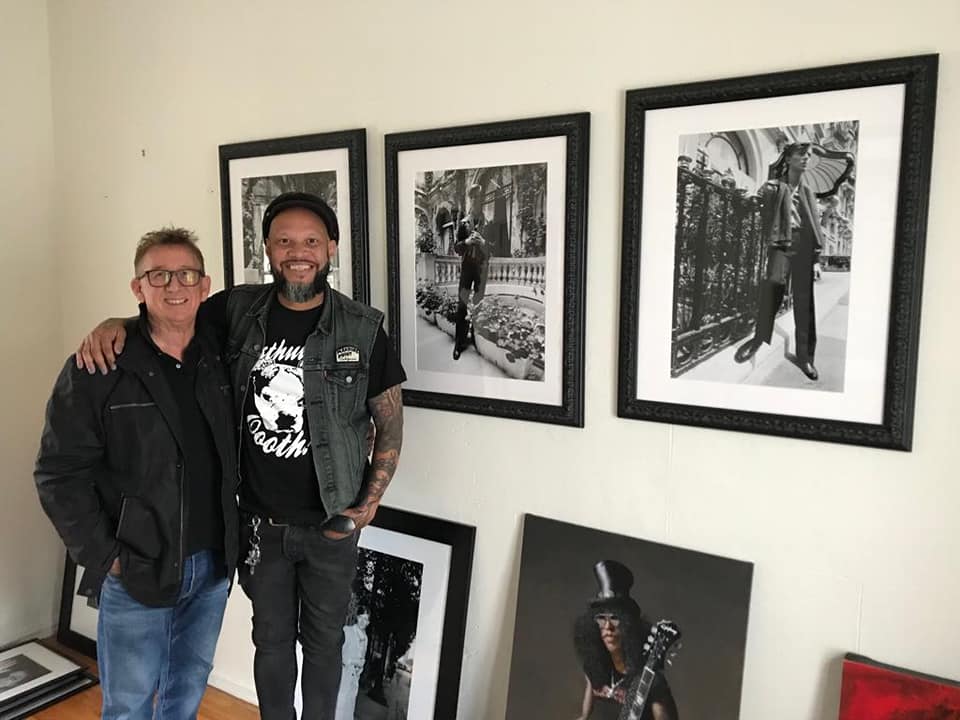
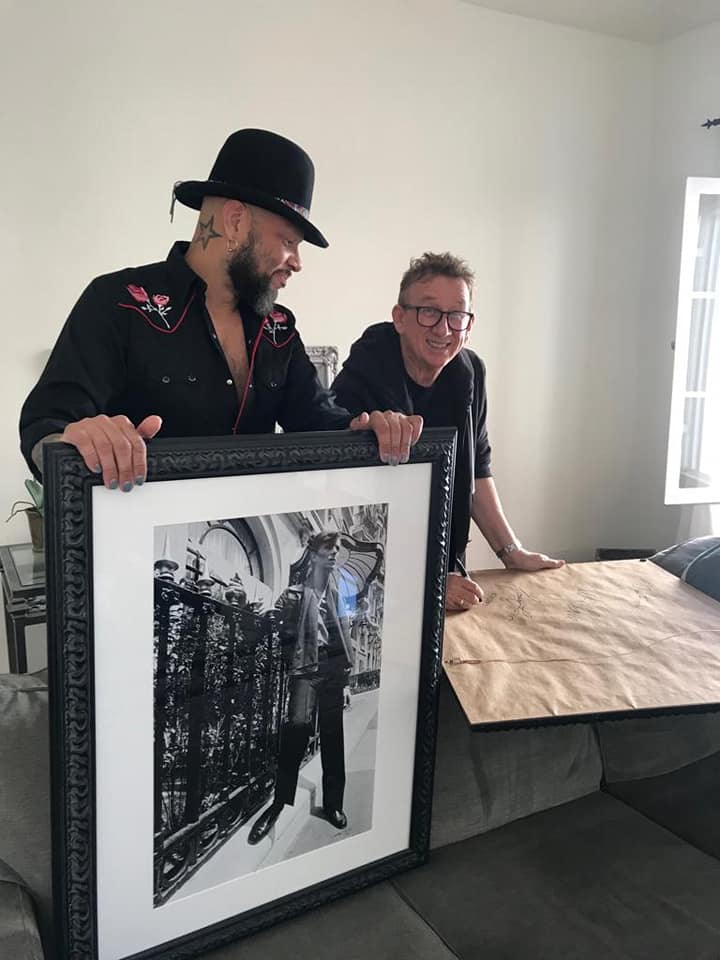
Green Day, Guns N' Roses and You: Buy Jadran Lazic Photos in Split

July 21, 2019 - Croatia's first international celebrity snapper has an exhibition of his photographs in his native Split. The photos of Jadran Lazic are also for sale, and look who is buying back in L.A. 

One of the things I most love about Dalmatia is its egalitarian nature. It doesn't matter who you are back home - we are all here for the same reason - to chill - and that makes us equal. 

Hvar is known for its very relaxed approach to celebrities, and they are broadly left alone - unless of course you are a drunk British prince who happens to fall into a nightclub swimming pool on camera. Nice one, Harry. 

green-day-jadran-lazic (1).jpg

Even though Jelsa is not Hvar Town, I have been privileged to meet all sorts of fascinating characters there over the years, from billionaires and top journalists to celebrities and Masters of Wine (yes, two of the 400 in the world). 

I am good friends with one of the (ok, THE) best Croatian photographers, Mario Romulic. A few years ago, he was having a coffee across the square and called me over. And that is how I met Jadran Lazic, the man who brought Jodie Foster to Hvar as a 15-year-old, and whose many career highlights included being the only journalist for a Western press agency to get pictures of Soviet leader Brezhnev's funeral in Moscow in 1982, and Palestinian terrorist Abu Abbas, who was on the run after the hijacking of the Achille Lauro in 1985. Both these stories I will tell shortly for the first time in English.  

green-day-jadran-lazic (5).jpg

Jadran is a great raconteur, and I have enjoyed our chats over the years, learning how he got started with Paris agency SIPA after bluffing his way into the hotel room of Charlotte Rampling, and of the biggest moment of his career - getting a press pass at Hajduk Split aged just 16.  

green-day-jadran-lazic (3).jpg

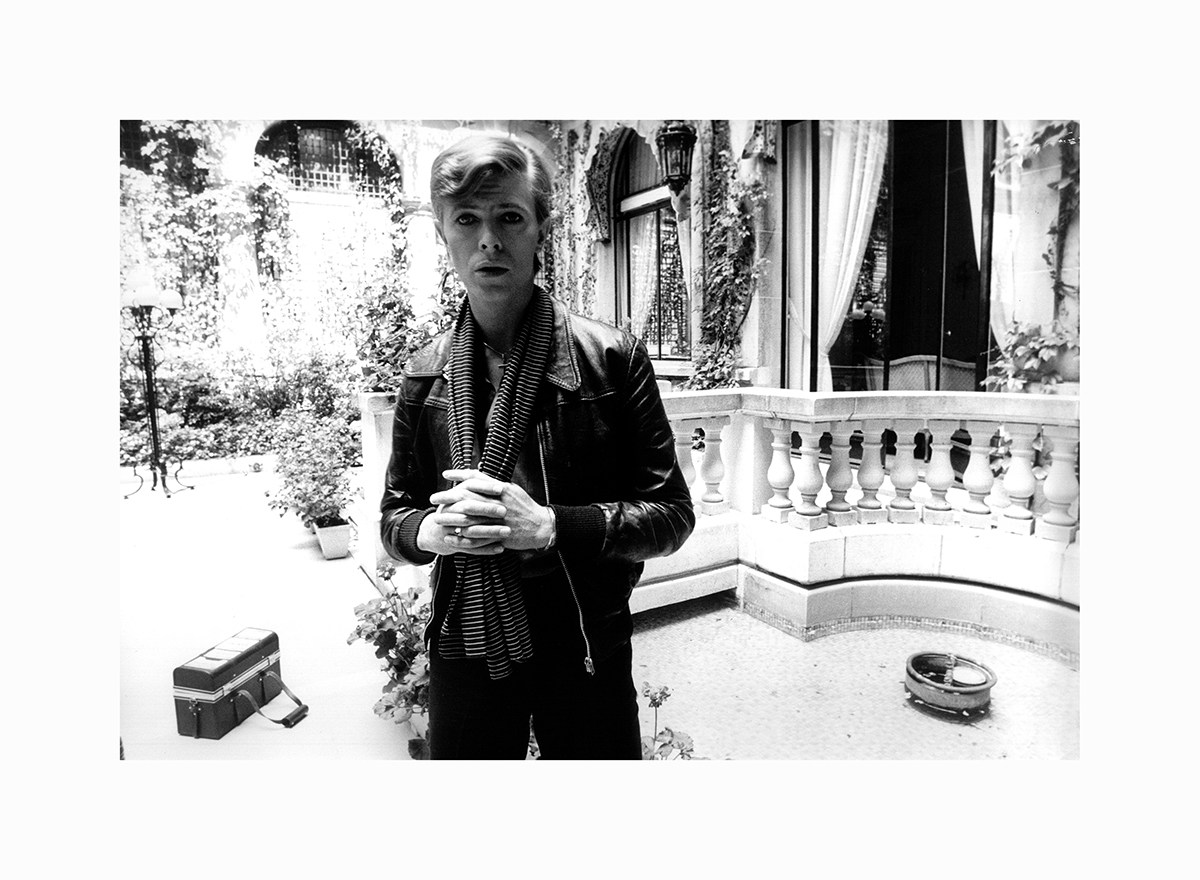
He is currently having a photo exhibition of his work at Foto Klub Split, including exclusive photos of David Bowie, never shown before in Europe. More than 600 people turned up for the opening of the exhibition last week. The exhibition runs until August 4 at Foto Klub Split on Marmontova, and Jadran tells me that all the photos at the exhibition are for sale. 

And he has plenty of celeb buyers back in LA, including Mike Dirnt from Green Day and Frank Ferrer from Guns N' Roses. Prices range from 1,000 - 2,000 euro.

green-day-jadran-lazic (2).jpg

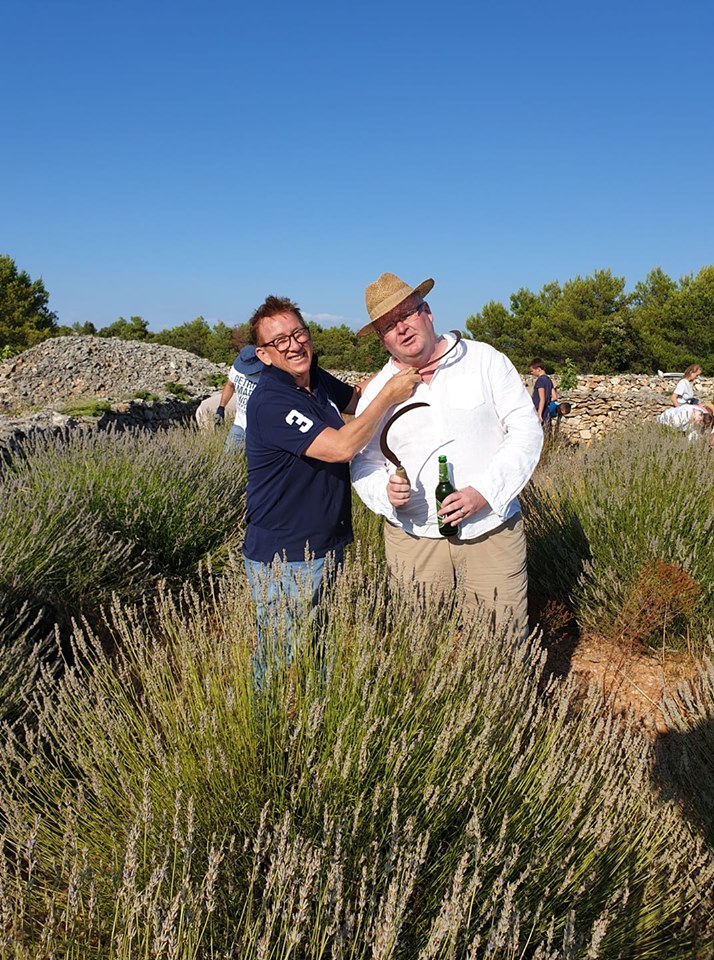
When not snapping celebrities, Jadran can be found on the top of Hvar in his beloved lavender field, and the lavender harvest is one of the most authentic experiences you can have in Croatia. Read more about that here.  

Search