

Similarities Between Croatians and Māori: From a Māori Living in Dalmatia
27th November 2019, similarities between Croatians and Māori as told by a Māori living in Dalmatia, married to a Croatian.
27th November 2019 marks 127 years since the first recorded marriage between a Croatian and Māori in 1892 Croatian-born Andrija Kleskovic married Erina Kaaka at St. Saviour’s Church in Kaitaia. 127 years later and I find myself married to a Croatian living in Dalmatia (maybe the only Māori married to a Croatian without roots here?), so it seemed fitting to write about the similarities between the two cultures from my perspective and experience.
When I first arrived in Split, I felt home. It sounds dramatic and I can’t quite explain it but the second I stepped off the bus and looked out over Split, my soul smiled and something felt familiar… Considering I had never been here before and knew nothing about Croatia, that was a strange feeling, to say the least.
I came to Croatia to work on a boat as a tour guide, ended up falling in love with a Croatian captain and the rest, they say, is history. Five years married and I find myself living and loving my life here in Dalmatia.
“What are you doing living in Croatia, don’t you miss home?”
Deeply. I miss my friends and whanau (family) immensely but after five years living here, my mind has come to understand what my soul first recognised – something about this place feels like home. There are many similarities between the Māori and Croatian/Dalmatian culture, so it is no wonder that when Croatians began to arrive on the shores of Aotearoa (New Zealand), they were embraced by Māori. Croatians in New Zealand were even given a name in the Māori language – “Tarara” – this name came from when Croatians first arrived speaking very fast in their native tongue, to the Māori it sounded like they were just saying “tarararararara”. This makes me laugh because Croatians and particularly Dalmatians are known to speak incredibly fast and chew their words, so this name seems perfect.
When I first met my husband’s grandmother, she couldn’t comprehend how it was that I came to be with her grandson because “you come from the end of the world” and while this is true, little did we know how similar our cultures are.
So, what are the similarities between the Dalmatian and Māori culture?
1. Whānau – Family
In Māori, the word “whānau” is translated as family but its meaning runs much deeper than that, it can include the physical, emotional and spiritual world and “… it is through the whanau that values, histories, and traditions from the ancestors are adapted for the contemporary world.” (Definition of whanau). Family is extremely important to Māori, it tells a story of who we are, where we come from and where we are going.
In Croatia, family is of utmost importance, and just like Māori, the meaning of the word family extends beyond the nuclear family to include Grandparents, Aunts, Uncles, cousins... One of the first questions you will be asked here, is – “what is your family name?” People like to know this because then they can ‘place’ you, by knowing the family, they know where you come from.
The strength of the family unit was something that first stood out to me and something I admire. While whānau is important in Māori culture, as New Zealand becomes more modernised and westernised, I feel like the family unit is not what it once was. In Croatia, it is not uncommon for families to live together in the same house or apartments above each other, and while this can have its pros and cons (privacy is a foreign word), in general, I see it as a beautiful thing.
I also love that the grandparents are so involved in their grandchildren’s lives and upbringing. In the traditional Māori community, it was not uncommon for grandchildren to be raised by their grandparents – a way of passing on family traditions and history, and just like here, there was a village approach to raising children. One other fact which made me laugh and feel at home is that in Croatia, just like with Māori, most older women are referred to as Aunt “Teta” (whaea in Māori), further proof of family as a notion that encompasses community, which I adore.
2. Respect for Elders/Kaumātua
The intense love, adoration and connection that Croatians have to their grandparents just make my heart melt. The first time I saw my husband with his grandparents, I knew that he was a man I could marry. Yes, this ties into family but it’s more than this. My husband’s grandmother ‘baba’ was widely respected in her village and many people would stop in just to get her advice, they valued her wisdom and it went beyond the practical, into the spiritual (not just in a church sense either).
In Māori culture, she would be called a Kuia – a wise, female elder, someone we turn to for knowledge and wisdom, especially about the deeper matters of life. The word for elders in Māori is Kaumātua – who are respected not just for their age but their knowledge on familial history, tribal history and traditions.
Croatians have an ingrained respect for their elders, as do Māori. Respect is built into the Croatian language, with one of the declensions being a more polite form of speaking to people, in particular – elders. But it’s more than simple niceties, like giving up your seat on the bus for an elder, it feels genuine. In Croatia, I say “dobar dan” (good day) to every elder I see and young children walking down the street do the same to me. I’ve watched my husband carry groceries for elder neighbours, or pick them up and drive them where they need to go if they are walking – including strangers on the street! Both cultures have this respect and connection to the whole rather than separation of the individual.
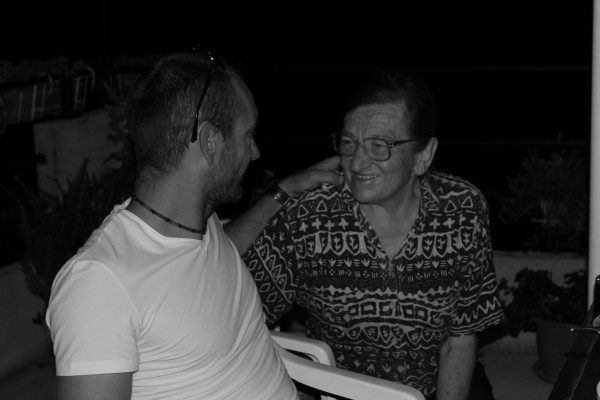
My husband with his late Baba.
3. Tight-knit Communities
I grew up in a small town where the community was strong; it’s one of those things that you don’t understand or appreciate until you leave. Not until I came to Croatia, was I able to reflect through the eyes of an adult and realise how important a strong community is. When we went through difficulties in our family growing up, our community was there to support, feed, love and help take care of us, we truly were raised by a village! I can see this same support here.
While everyone knowing your business might not be everyone’s cup of tea (the negative side of tight communities); to feel safe and part of something larger than yourself is a strong foundation for healthy development. Both cultures have this.
4. A strong sense of Cultural Identity
I strongly identify with being Māori just as much as being from New Zealand. I am proud of my culture and where I am come from, just as all Croatians I have met are proud to be Croatian, and Dalmatians take further pride in being from the Dalmatian coast or islands. Our traditions, culture, music, food, history, family, tribe/community – these are all aspects that create an overall cultural identity and that both Māori and Croatians are very proud of.
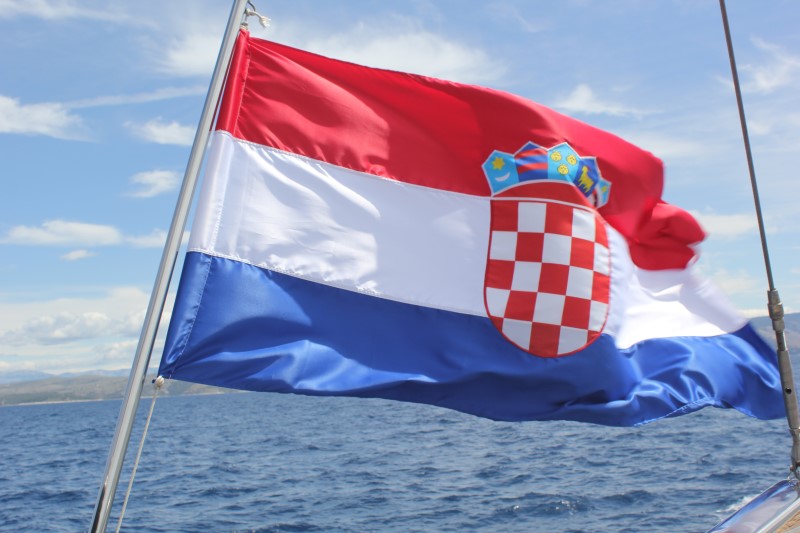
5. Faith
Almost 90% of the Croatian population is Catholic (according to the 2011 census), and while I don’t necessarily want to talk about religion, it is impossible not to mention that the Croatian culture is founded very heavily on religion.
Before colonisation, Māori held their own set of beliefs which included the natural and living world, and an overall message of connectedness. From the 19th Century onwards, many Māori converted to Christianity, including the Roman Catholic Church. Without entering into a theological debate, I think I can safely say that faith is a large part of both cultures, whether in a religious sense or the more spiritual approach of belief in something larger than one’s self.
6. Music
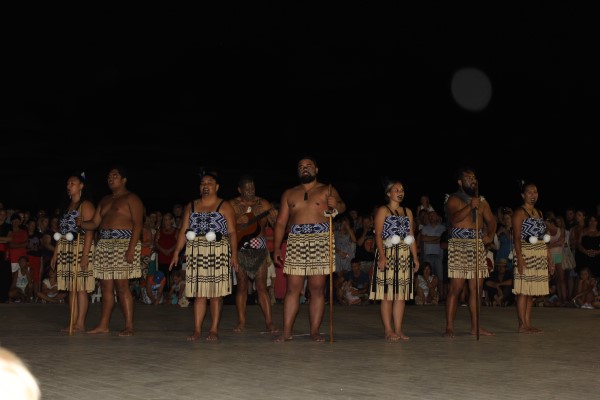
In the Māori culture, music is a huge part of our cultural identity, upbringing and sense of belonging. Music was a way that our history, traditions and beliefs were passed on and many of our songs (waiata) are about nature and particularly the sea – which is where our similarities with Dalmatians grow stronger.
Māori have groups called “kapa haka” which perform traditional songs, dance and haka (I’m sure everyone has seen the All Blacks perform the haka). A few years ago, a Māori kapa haka group was touring Croatia with the Kralj Tomislav Ensemble and I was fortunate enough to see them in Korčula and burst into tears – my two worlds collided!
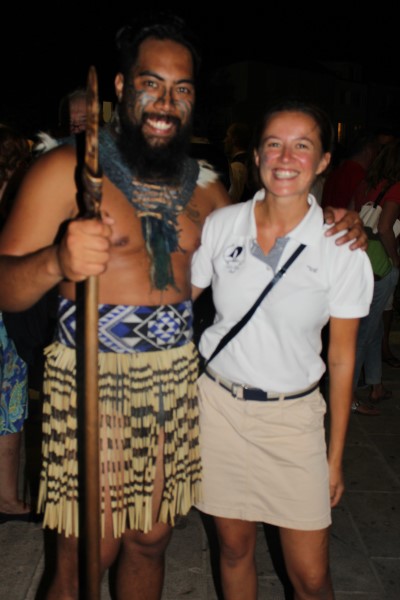
All smiles meeting with the Kapa Haka group in Korcula
Croatia also has groups called “Klapa”, an ensemble (typically male) which performs traditional songs in acapella. While they may be different in style, they are both beautiful and powerful in their own way. The first time I saw Klapa, it resonated with my Māori side and it seems I am not the only one – it also resonated with a Samoan group from New Zealand, so much so that they started their own Klapa group called ‘Klapa Samoana’ and even toured Croatia – talk about uniting cultures.
For both cultures, if there is a celebration or gathering, you can guarantee there will be singing! When I first arrived this simultaneously made me feel at home and disconnected – being surrounded by music but not being able to join in made me realise how important music is to my culture and sense of belonging. I’ve finally learned a few songs which helps me feel less homesick but maybe I should take a leaf from Klapa Samoana’s page and start the first kapa haka group in Dalmatia?...
7. Connected to Nature
Māori have always held a system of beliefs based around our connectedness to nature. The term “Kaitiakitanga” defines our relationship to nature as one of guardianship and management; that we are the caretakers of nature. Going back years, Māori lived in a natural rhythm and relationship with nature, respecting the natural resources available.
Talk to older Croatians and this was also their natural practice – they lived from and respected the land, nothing was wasted, everything had a purpose. My husband’s grandparents lived in the same village all of their life, they grew all of their food and lived a ‘sustainable life’; though it wasn’t because sustainability was on-trend, this was the standard practice. As the world becomes more westernised and dominated by consumerism, we are all drifting away from these principles and could do with returning to them.
Naturally, living by the sea, the weather plays a central role in life on the coast – and dalmatians, in particular, are known to always be grumbling about the weather one way or another, cursing ‘Jugo’ for the lethargy or thankful to ‘Bura’ for clearing the air (and mind). Both cultures have myths and superstitions related to the weather.
8. Connected to the Sea
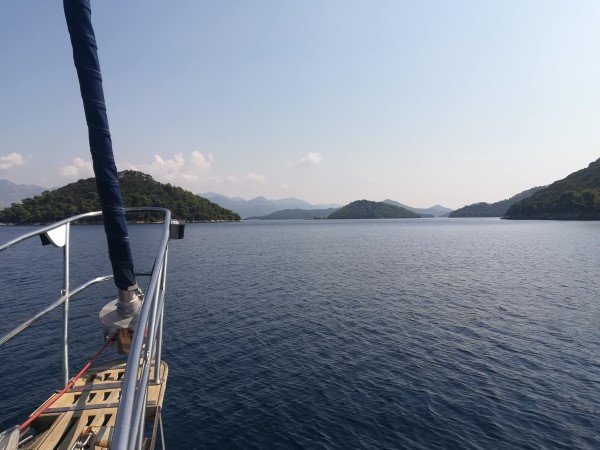
Both Māori and Dalmatian cultures are heavily intertwined with the sea. It is said that Māori first arrived in Aotearoa after navigating in their waka (canoes) from Hawaiki (Polynesia) more than 1,000 years ago – making them exceptional seamen and explorers. While Dalmatians are born with the Adriatic in their blood; this region churns out world-class sailors, rowers, water-polo players and any other sport related to the water. Both cultures love fishing and their kaimoana – seafood. Even though I have always loved the ocean, I had nothing to do with sailing until I moved to Croatia and married my Dalmatian skipper. Now we work on a yacht together and sailing to New Zealand as part of a round-the-world adventure is on the cards in the next few years!
9. Food, Glorious Food
In both Māori and Croatian culture, food is almost its own religion. In the Māori culture, at the heart of every gathering or celebration is food. Not only this but the hospitality and culture around food is one of generosity – ‘whatever we have, we will share it’ and there is real pride and joy in being able to provide food for others.
This is the same in the Croatian culture, and maybe even more so since most Croatian families make their own olive oil, pršut, vino or grow vegetables and raise stock; if this is the case, they are even more proud to offer you what they have. Just like in Māori culture, I have never walked into a Croatian’s house and not been offered food and drink, in fact, always be prepared to eat!
We even have some similar dishes, which many may not be aware of. A famous dish in Croatia is called “peka”, which is typically lamb or veal in a cast iron dish, which has been buried beneath embers and allowed to slow-cook for 2 – 3 hours.
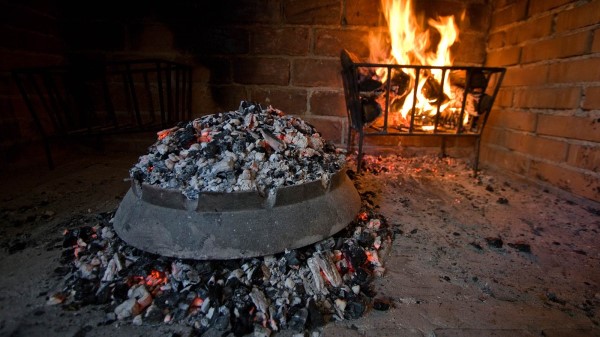
traditional peka, image credit: Croatia.hr
In Māori, we have something similar, though far more arduous – our traditional meal is called a “hāngī”. A deep hole is dug in the earth, and river stones that have been heating in a fire are placed at the bottom, then meat and vegetables are placed in cloth/hessian sacks (traditionally flax leaves) over the stones, then covered with a wet cloth and earth – which traps the heat and allows the food to cook for 3 – 4 hours.
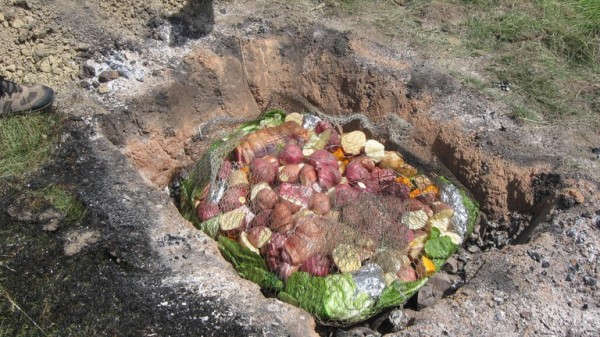
traditional Hangi, image credit CultureTrip
I love both of these dishes and while the food is excellent, it is also just as much about the process – prepping the meal, getting together, sitting around the fire with close friends and family, laughing, singing, drinking… both of these dishes hold some of my favourite memories.
In Māori, we also do something called a ‘boil-up’, which, as the name suggests is boiling meat (typically pork), potatoes and vegetables. Croatians also do this, but would call it “lešo”. Come to think about it, just a love of meat, in general, is shared by both cultures – roast/spit lamb, pork… And, as with Dalmatians, Māori also love seafood! Basically,a food is important and lies at the heart of both cultures.
10. Heart
This might be harder to explain but I find both Māori and Croatians to be “hearty people”; there is a strength in soul and in character that I find hard to put in words. When I was first tour guiding, my groups always used to ask me why Croatians were so serious or looked so angry and I would tell them all – ‘once you get past that, Croatians have some of the biggest hearts you’ll ever meet’. This sometimes gets lost in daily frustrations or stories of corruption but it’s undoubtedly there. Croatia showed its heart and spirit when half a million people gathered to welcome the Croatian National team home after the World Cup and then when beloved Dalmatian singer Oliver Dragojević passed away the coast mourned; hundreds of boats took to sea in his honour and thousands celebrated his life and music. When their hearts are in the right place, Croatians can move mountains (if only we could get this reaction to all pressing matters but that's a topic for another day).
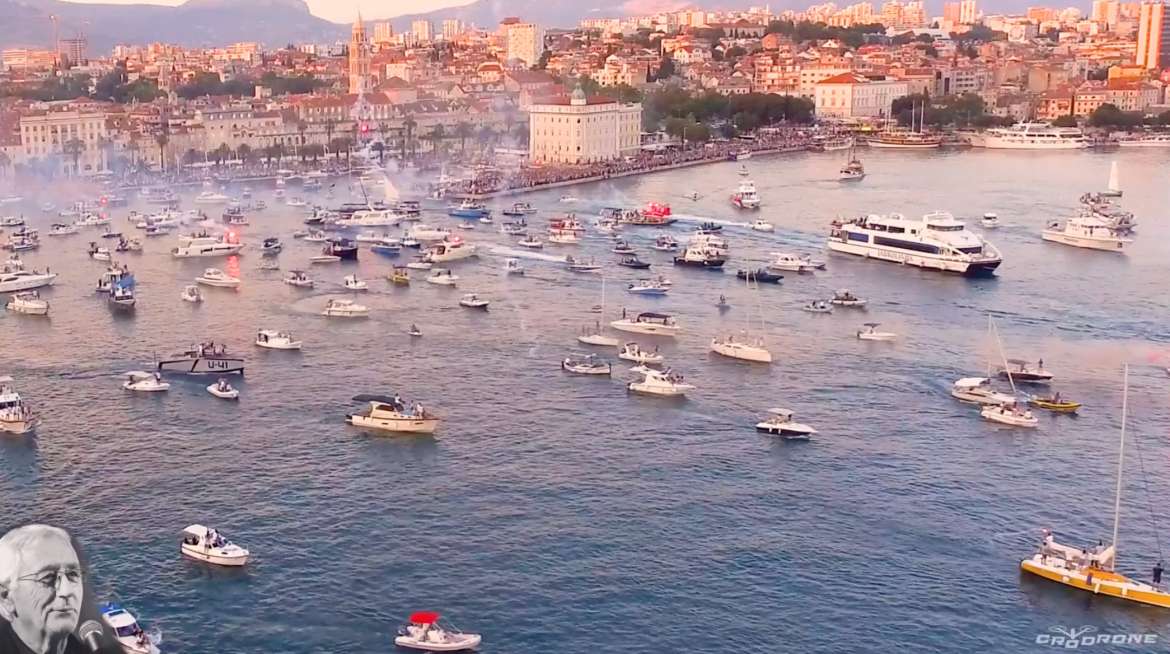
Boats honouring Oliver from Split Harbour, image: screenshot.
I miss my family, friends and roots but here it is, here I am; a Māori in Dalmatia, with no Croatian roots.
I came from the end of the world and find myself 'home' in Dalmatia.
Meet Croatia's UNESCO World Heritage Sites: Stari Grad Plain on Hvar
November 27, 2019 - Filipa Marusic continues her look at the considerable UNESCO heritage in Croatia. Next up, World Heritage Site the Stari Grad Plain on Hvar.
The Stari Grad Plain is a cultural landscape that has remained almost the same since the Ionian Greeks came from Pharos in the 4th century BC. This heritage has been part of the UNESCO World Heritage list since 2008. It showcases the ancient geometrical system of land division used by the ancient Greeks called the “chora” which has remained intact over 24 centuries.
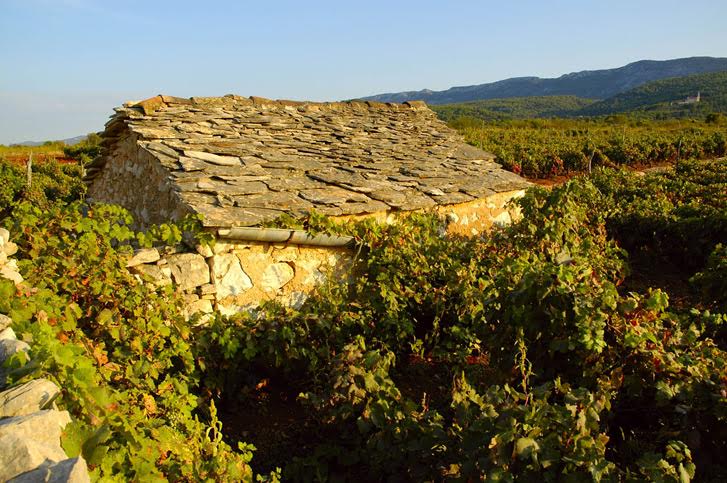
The agricultural activity in the chora was always here and based on grapes and olives the same as it was set up by the ancient Greeks 2400 years ago. The shape of the land division is the same, and the structures built by dry stone walling are authentic and reused throughout time. Additionally, this is a unique example of the land parcel system introduced by the Greeks. The cadastral division of the Stari Grad Plain is one of the best-preserved examples of Greek ancient culture in the entire Mediterranean. Despite all the historical and political changes over the centuries and multiple divisions of the plain, the Greeks set the structure. The Greek chora is embodied in the dry stone wall, which marks the land division. All later divisions of the land – Roman, medieval, or newer were always respecting the Greek shape and had the same dry stone walling technique. There is evidence of all different cultures who used the plain throughout time. The evidence is different archaeological findings dating all periods, from pre-history to medieval times.
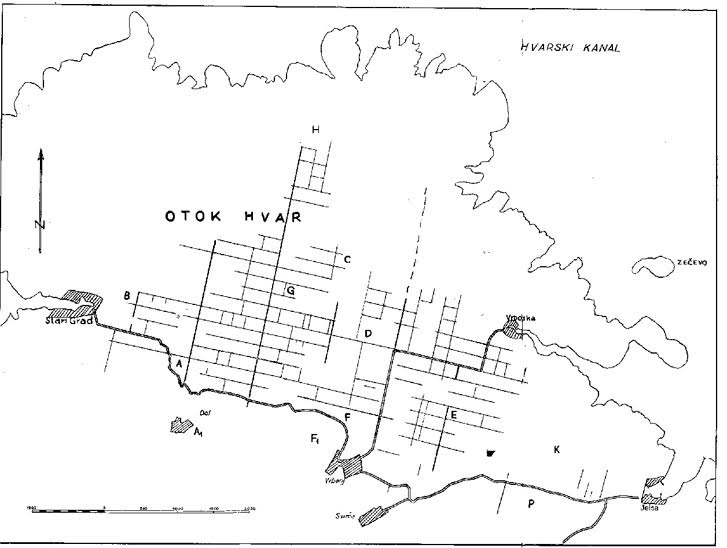
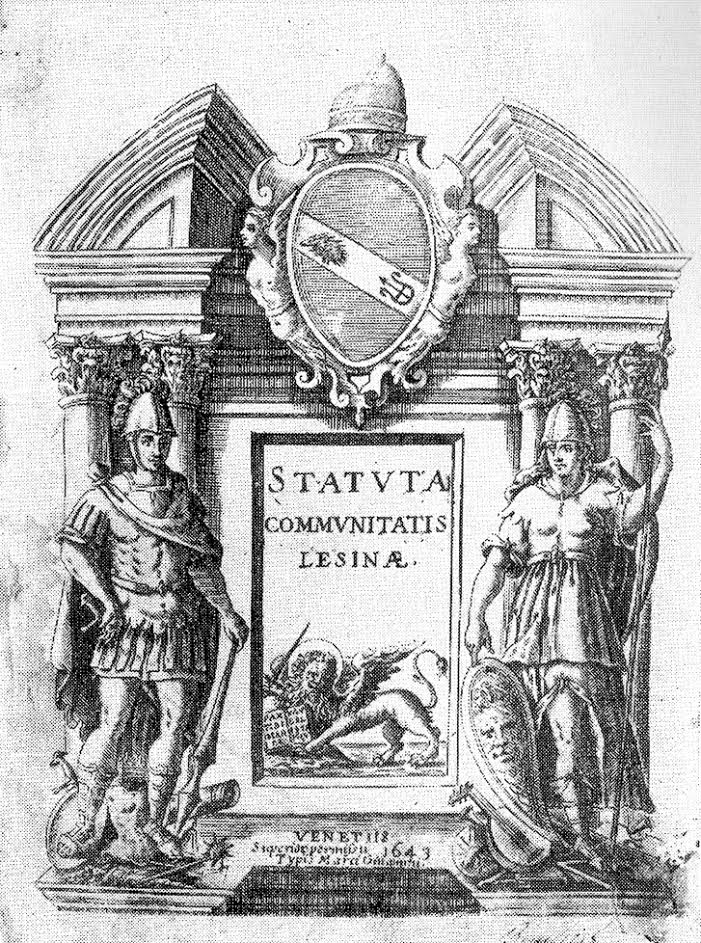
The Stari Grad Plain is the biggest and the most fertile plain on the Adriatic islands. It had and still has its agricultural use, and local people grow the same cultures – olives and grapes. Archaeological findings prove the local inhabitants had their faith in the fruitfulness of the plain. In medieval times the plain was under the protection of the patron saint of Hvar diocese St. Stephen. The Hvar statute from 1331 mentioned the plain, and it listed roads and borders of the plain and several place names for places with later discovered archaeological evidence. The Stari Grad Plain changed its names according to how its owners changed. Different names include Greek Xωpa Φapoυ, Roman Ager Pharensis, medieval Campus Sancti Stephani, or today Stari Grad Plain.
The precise boundaries set by the Greeks in the plain are the work of villagers who used dry stone walling techniques even in ancient times. Some are just a barrier between two different lands, while others are quite wide and were in use as paths. Around the plain, there are circular stone houses called “trimi” or “bunje” used in the past as storage and shelter during bad weather. While the land here is fertile, the Mediterranean climate often has dry weather, so the plain has several reservoirs for collecting and saving the rainwater. All the different buildings located in the Stari Grad Plain range from the remains of farmhouses and drystone shelters to churches and chapels are there to prove the reusability of all the elements through centuries.
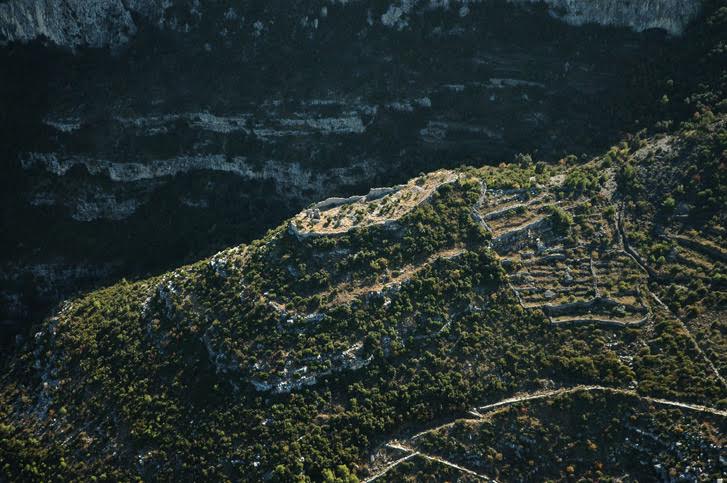
The Greek origin is visible in the very island name coming from Greek word Pharos (Faros), which ancient Greeks from Pharos island in the Aegean Sea gave when they arrived at where is now Stari Grad in 4 century BC. There were about 1000 inhabitants sent to colonise Hvar island. When Pharos became an independent Greek town polis in the 1st century BC, the Romans named the island Faria. In early medieval times, when Croatians came to the islands, they took over the names which locals used and adapted it to the Slavic language – this is how we have Hvar island name. Most Greek colonisations happened from 8th to 5th century BC, and there were about 700 colonies in the Mediterranean and Black Sea. At that time, there were just a few Greek colonies in the Adriatic Sea, so Adriatic islands were the only uncolonised part of the west from Greece in the 4th century BC.
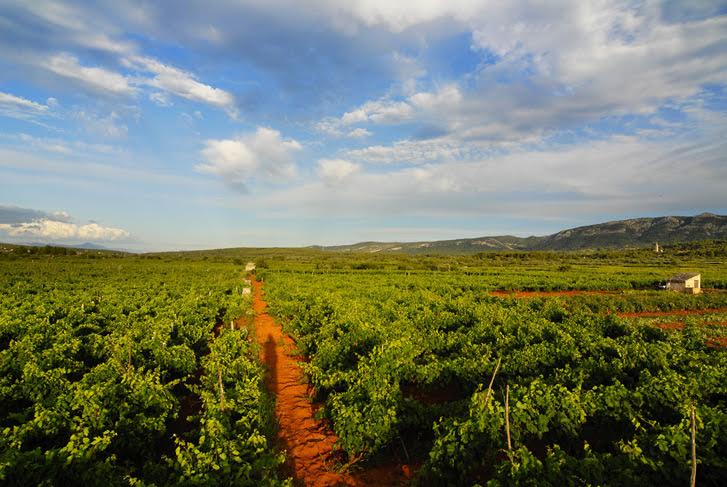
There is some prehistoric evidence dating back to Neolithic times (6000-3000 BC), which proved this fruitful area was inhabited much earlier than the Greeks. Additionally, there are findings from the Bronze and Iron Age as evidence the Greeks found native inhabitants on Hvar when they first came. Also, at the time, Illyrian tribes lived in this area, and islanders cooperated with Illyrian tribes on the mainland. When Greeks from Pharos came to Hvar, apparently, there was at first peaceful agreement with local inhabitants. Later on, this agreement wasn’t respected, so local natives decided to attack the colony. As the land division was one of the main tasks of colonisation, this was probably one of the reasons for the conflict. We also know that the Greeks built the town on the coast with fortifications. This fact, along with the land division, meant then needed a lot of money at the time to do that.

The cadastral plan and air image of the plain show that the border around the land has a size of about 180x900 m, no matter the division within this land part. The ancient Greek measuring system contains the measures that were in use. 180 m was the length of the Greek stadium while 900 m have five stadia. The average width of the roads was 10 Greek feet or about 3 meters. The Greeks used different sizes for this measure, but here research discovered it was 0,3026 m, and it was probably a standard measure in 4th century BC for some Greek towns. All the divided land in the direction east-west are parallel and break in one central point in the direction north-south. In ancient Greece, this point was called “omfalos” and represented the central unit where different paths meet. The land measure excluded the connecting roads. The base for the plain is karst terrain with several slopes where the land can quickly erode, and this is why people built so-called terraces or support walls. The terraces and dry stone walling is a valuable heritage people nurtured for years.
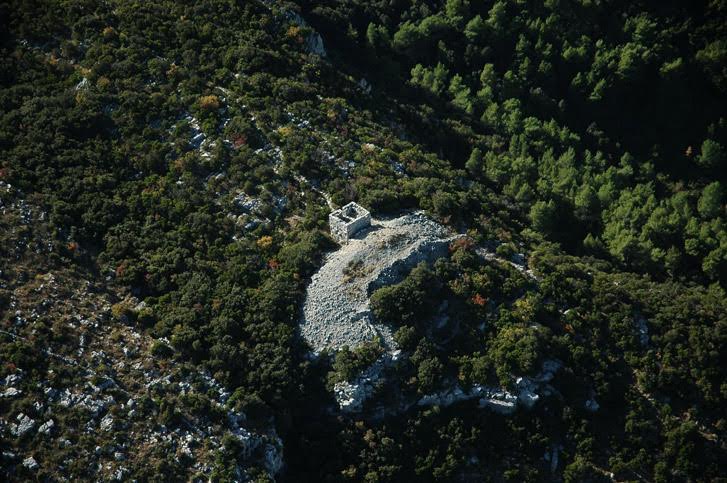
The chora had farmhouses, but there are just a few found as they were probably the foundation for Roman villa rustica. In the area, two guard towers protected the land. Additionally, there were perhaps temples dedicated to gods of fertility. There weren’t many Greek inscriptions in the area, but there is a stone fragment where it said “Border of the land of Matija, son of Piteja” which meant people of the time respected their land borders. Another larger inscription is evidence that local people of Pharos set three members to Greek Pharos to ask for money to renew the city, which proves they had a democratic setup. The local Greeks also were equal in terms of land amount and had similar housing.
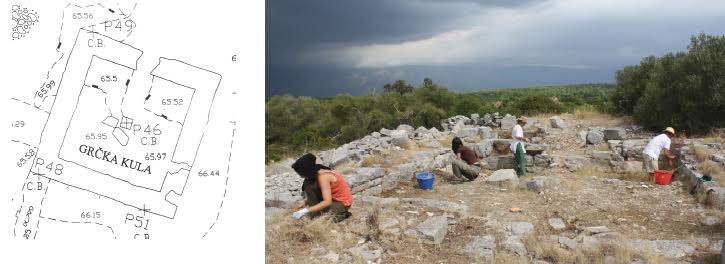
The ancient Pharos even had its mint, but as Greek Paros didn’t have their own money, they used money from Greeks on Syracuse as inspiration. There are numerous versions of money from this area, as well as coins from different regions proving there were plenty of trades going on in ancient times. The ancient vessels and vases from the area show they were imported from Greece or locally made. The end of Pharos ancient Greek town is not known, but there is evidence of Roman building activity from 1st century BC.
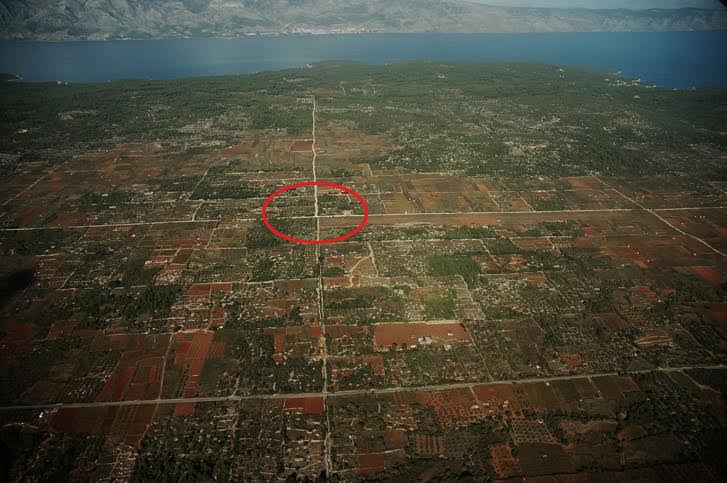
In ancient times the most important agricultural products were wheat and olives. The plain area divided this way gave good income to people – if they grew just wheat, the market surplus was between 41000 and 157000 silver drachma (one drachma was the daily income of the worker and its equivalent of approximately 30 EUR). The Greeks planted olive trees and produced wine, figs, rosehip, almonds, carob, and other cultures. They went fishing, hunting, and were beekeepers. They also had cattle for food and for towing and carrying loads. The different amphora remains proved there was active production of wines and olive oil. The ancient Greeks probably had food supplies and stored the food for the time of war and as protection against robberies.
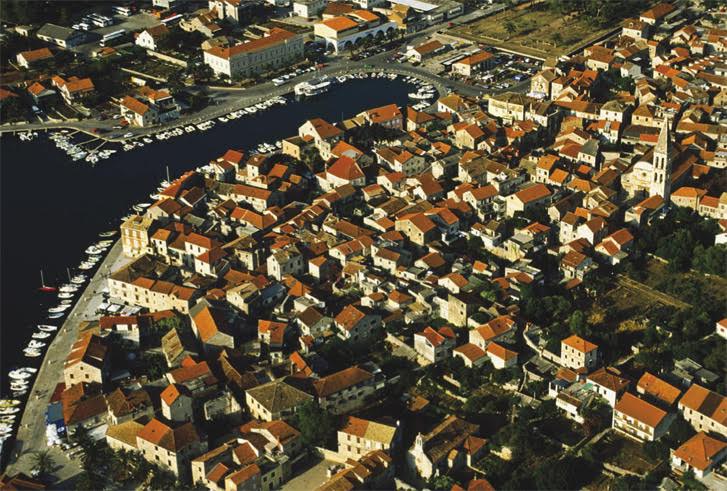
Toward the end of ancient times, Hvar island was quite well inhabited, especially the Stari Grad Plain area. As already mentioned, there are some early Christian churches which have medieval artifacts as well as circular dry stone shelter buildings from different periods. The Stari Grad itself has a range of different structures from the late ancient period to the end of the 19th century, which together create urban complex. From medieval times the bigger ancient lands were divided into smaller parts, and they reflect the changes through centuries.

When it comes to everyday life around Stari Grad plain was always connected to agricultural works depending on the season. The Hvar statute from 1331 gives the oldest written advice on agricultural work. Even today, the same rules are used in agriculture – the first warmer days after winter are for work, and this is the hardest part, and then summer is to keep the vineyard from any diseases. September is the month of harvest, followed by winemaking in October. November is olive picking, and December and January are for rest. From all the agricultural cultures, there are mostly grapes and olives but also lavender and rosemary, as well as other fruits grown here from ancient times. When some of the vineyards were destroyed at the beginning of the 20th century, lavender became part of Hvar's agricultural heritage. Rosemary is another aromatic herb growing on Hvar and other parts of the Adriatic coast. The vineyards and winemaking heritage are part of local identity for centuries. The authentic Dalmatian variety plavac mali grows here as well as indigenous Hvar variety of white wine bogdanuša and prč and red wine drnekuša. Olive trees were probably on Hvar even before the arrival of Greeks, but their arrival meant the beginning of cultivated olive groves.
The religious celebrations set the time for the biggest local festivities. At Easter time, there is a unique procession Za Križem during the night from Maundy Thursday to Good Friday, which has been the same for more than 500 years going from different villages and towns around the Stari Grad Plain. TCN wrote about this unique UNESCO protected heritage in several pieces. At Christmas time there is kolendanje – groups of children or adults sing old songs with good wishes for the year that is to come in front of the houses of friends or neighbours. The special occasions ask for special meals such as starogrojski paprenjok – a pastry made from honey, flour, olive oil, prošek and different spices. It represents local traditions and uses locally produced ingredients.
If local people didn’t use the Stari Grad Plain, the valuable heritage wouldn’t be at such a good level of preservation. The Stari Grad Plain is the best-preserved example of the Greek land division, and it stayed that way as locals continuously used the land throughout the centuries. The dry stone walls which were built and rebuilt saving the shape of the parcels. The value of the Stari Grad Plain encouraged local and state authorities to work on the revitalisation of old parts of the plain with planting traditional agricultural varieties and promoting this heritage in the cultural aspect of Hvar tourism. The idea is to keep the same shape and land parcel system set by the Greeks and keep all the paths and routes around the lands the same without the use of any modern building techniques. The idea is to renovate all the buildings according to the traditional way and reuse them for tourism purposes and keep archaeological researches active.
For more information about the Stari Grad Plain, visit the official website.
To learn more about Stari Grad, here are 25 things to know.
Zagreb University Guide: 10 Things We Wish We Had Known Before We Started
November 27, 2019 - Thinking of studying at Zagreb University and wondering what you need to know? Our next task for our intrepid interns is a joint project to come up with their ten top tips for noobs.
Hi there, Future Student at the University of Zagreb! If you are worrying about studying in the Croatian capital, you are in the right place. We, Paula, Ana, and Janja, have highlighted ten things we wish we had known before we started our university life in Zagreb. We sincerely hope this article will help you and make your student life more comfortable in the new city. Let's begin!
Financial plan
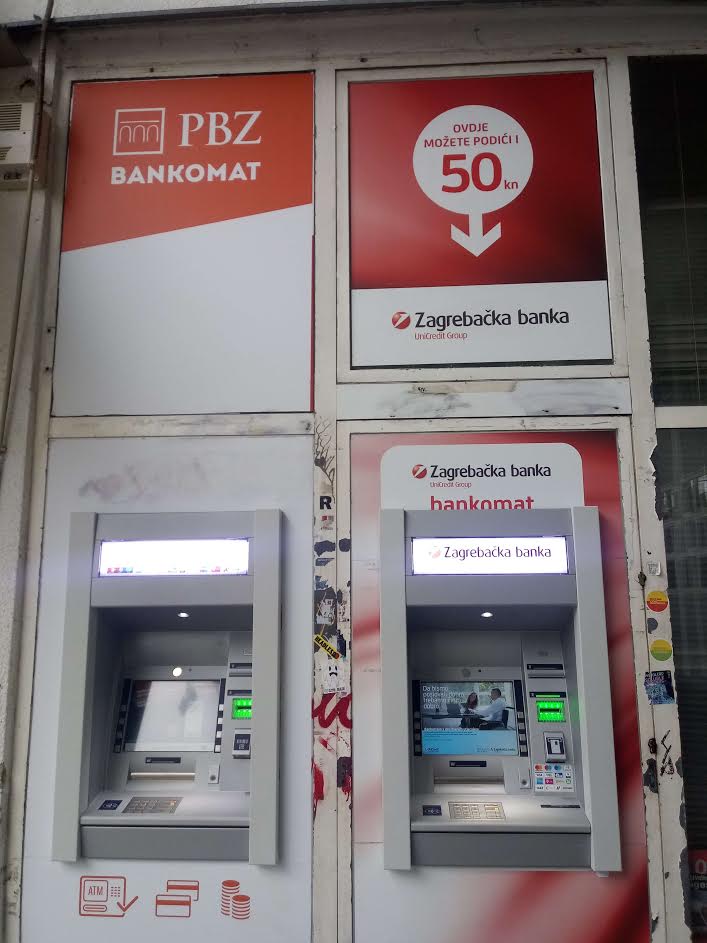
ATM around Student centar (special for students, you can withdraw a HRK 50), credit: Janja Šestak
When you live with your family, you don't bother that much about money, right? Well, when you go to college, it's a bit different. You get money from the parents, grandparents, aunts, and uncles. You have your own money, but you are also in charge of spending the money. That might sound fun at first, but not everything is as easy as it sounds. Firstly, our warm recommendation is to make a financial plan for the whole month. Housing, food, clothes, coffees, parties, and the most important, of course, literature for college ;), all of this requires a certain amount of money. Pay attention to how much money you spend, and is there really a need to eat at McDonald's or fancy restaurants so often. When you buy food, make sure you rather spend money on quality products and buy on discount if possible.
If your grandparents ever forget to send you the money, you can apply for a scholarship. Each year, the Ministry of Science and Education awards three types of state scholarships to full-time college students: state scholarships to students in STEM fields of science (1200kn), state scholarships to students based on socioeconomic status (1200kn), and scholarships to students with special needs (1200kn).
More information can be found on their website.
Also, some faculties have their own scholarship, which they use to encourage their students to study harder. Don't forget to thoroughly research the faculty you are applying to. Another thing to keep your eye on is the Scholarship and Higher Education Fair, which is held every year in October in three Croatian cities: Zagreb, Zadar, and Rijeka.
Housing: apartment, family, or student dorm?
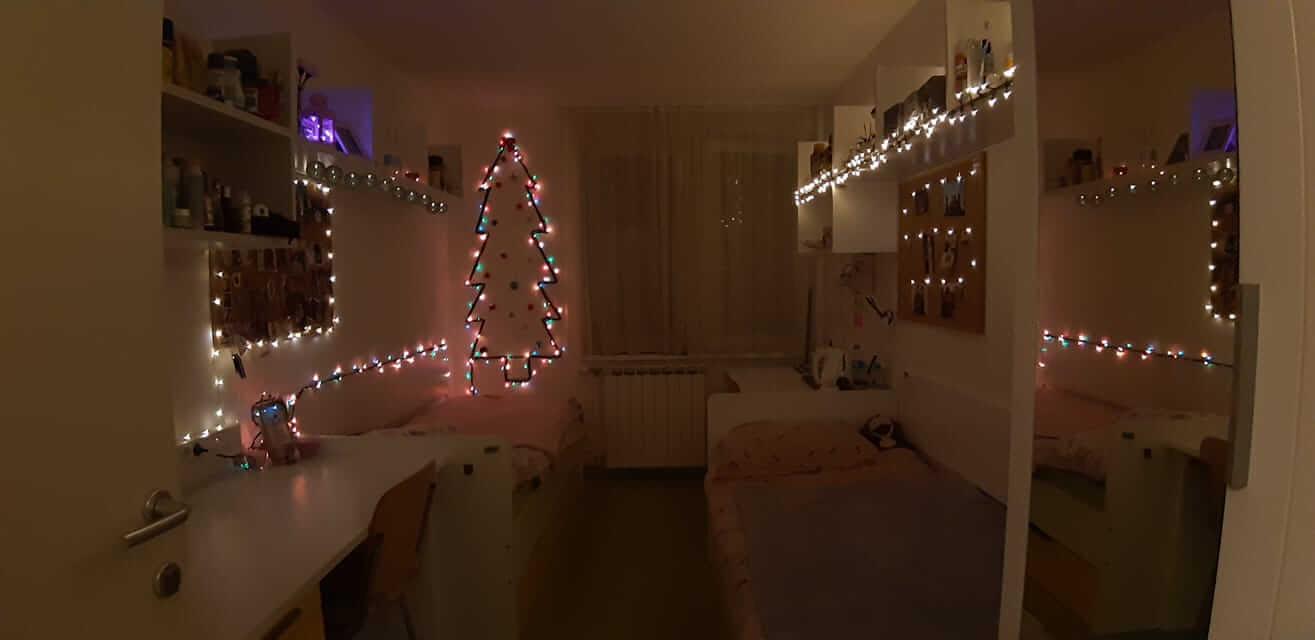
Christmas room in a dorm, credit: Petra Lončar
There are different types of accommodation for you in Zagreb. The first one is pretty simple. If you are from Zagreb, you are probably going to remain in your family home. The second option is taking the matter into your own hands and finding an apartment. With it comes all the responsibilities of cleaning and cooking by yourself. The last and most common one for anyone coming to Zagreb is living in student dorms.
All three of us have different experiences regarding housing. Paula is from Zagreb, so she lives with her family, Ana is from Šibenik and lives in the flat and Janja, also not a student from Zagreb, used to live in a student dorm.
Janja lived in student dorm Stjepan Radić, popularly called the Sava, and her experience was a surprisingly pleasant one. She was in a renovated 7th pavilion on the first floor. One of the most important things about living in a dorm is your roommate. If you get a normal one, you're lucky. So, if there's a chance, try to meet your potential roommate before you two move in. Secondly, Sava is the biggest dorm of all, and it has around 4000 beds. In the dorm complex, there is a fitness center, a cinema hall, classrooms, a foreign language school, a medical and dental office, a dance hall, two student food restaurants, and a pizzeria, as well as a cafe popularly called "Slasta." You can find all the other information on the website that we linked to above.
There are a few other things to know which you will not find on the website. If you're a quieter person, we recommend pavilions 7th to the 9th. But if you are more of a party-animal, book pavillions 1-4 because they are closest to the famous night clubs, Roko and Žabac.
The unwritten rule is that students greet each other in the hallways of the dormitory, hold the door open, and have respect for others. You might be wondering right now about the last thing. Let me put it in this way: You just passed the last exam and want to celebrate it with your friends. You invite the people in your room, put the music on, and after half an hour, you hear knocking on the door. You open the door, and there are security guards who say that someone has reported you because of the loud music. They will kindly ask you to turn the music down. What we are trying to say is that there is no problem in celebrating. The problem is in people who might not be the kindest if you party in the middle of exams season. If you want respect from your co-habitants, you have to act the same way towards them as well. Don't call the security guards as soon as you hear music from the room across you. Instead, come to the room where the LOUD music comes from and kindly ask them to turn it down a bit. If they are rude to you, feel free to call the security guards, and they will solve the problem.
People often say that the Sava has soul. And you know what? It truly has. It's wonderful when, in the evening, there are a bunch of young people sitting on the benches, some of them playing the guitar, others just talking with each other... The Sava is a mini-city for students and the best you can get if you are here both for studying and fun.
Apart from the Sava, there are Student dorm Ante Starčević (known to most of the students as Šara), Student dorm Lašćina and Student dorm Cvjetno naselje.
Even though we don't have the first-hand experience with any of the other dorms, we can assure you they don't have significant differences. The only thing is that the Sava is the biggest Student dorm. The Sava also has its Facebook group, where students help each other with all the necessary information. In that group, students make jokes, ask each other where they can buy cheap food, and inform each other about security and payment issues. Also, there will always be information about upcoming events in clubs and other exciting events in Zagreb.
Life with your parents has its ups and downs as well. While your colleagues have a hard time figuring adult tasks such as doing the laundry or cooking and have just now realized how extremely grateful are they for their moms at home, some of you might wonder what the best way to "survive" living with your parents for the next five or more years is. While some of you think everything is magically going to change as soon as you enroll in college or live in an illusion that your parents will be more understanding of you since you are a college student now, forget it. Most of you will have the same relationship with your parents you use to have while you were in high school. That is why a significant number of people go on Erasmus exchange or try living on their own by the end of college. While living with your parents might sound like a hard time, try asking some of your friends who live on their own or in student dorms how much more they appreciate their parents.
Living in a flat is a whole other story. When you live in a flat, make sure you know the person that lives with you very well. We recommend you know the person because figuring out a financial plan and agreeing on who does the house chores might be hard with someone you don't know that well and aren't used to. When you are looking for a flat, make sure you find the location from which you have the least to commute to your college. Furthermore, search for places where tram, bus stations, and stores are nearby. Also, make sure your landlord is not strict and that they don't request frequent inspections. Make sure your flat has all the necessary equipment such as washing machine, TV (if you watch it), Internet, central heating, etc.
Living on your own is great because you have your own space and you don't have to depend on the cafeteria for your meals. If you are a good cook or don't feel like eating the same thing every day, this is the ideal time to perfect your cooking. Besides, you are not as restricted as your colleagues in a student dorm and can bring friends to your apartment if you wish to. But bear in mind when your friends come and the party starts, you might find that you have neighbors sensitive to loud music here as well.
Traffic in Zagreb
One of the most frequently asked questions almost every student who is not from Zagreb asks probably for the first month or so is, "In which direction I am supposed to go?"
This sweet problem is part of Zagreb's public transport, which includes trams, and buses owned by a company called ZET (Zagreb electric tram). The monthly student pass is HRK 100, while the annual is HRK 960. If you choose the monthly option, remember to renew it on the 1st of every month. Otherwise, you can be charged up to HRK 800. There is a valid reason why ZET's official motto is – A ride without a ticket/pass - The most expensive ride. You can renew your pass at kiosks or in ZET offices.
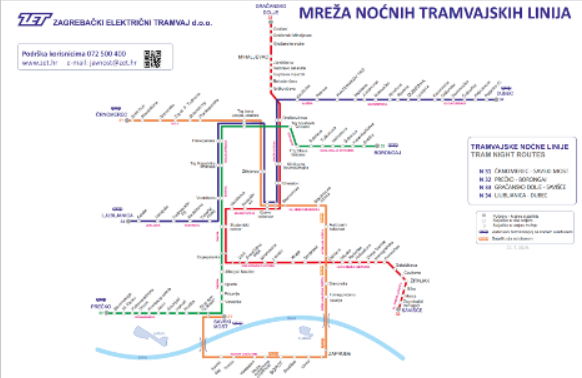
Essential information for students who like to party in many of Zagreb's famous clubs or are going home from a friend because they studied till 3 a.m. - be aware there won't be a tram every 7 minutes. There is a big difference between daily and night tram transport. In the 21st century, with the help of Google Maps, there shouldn't be a problem to get somewhere, right?
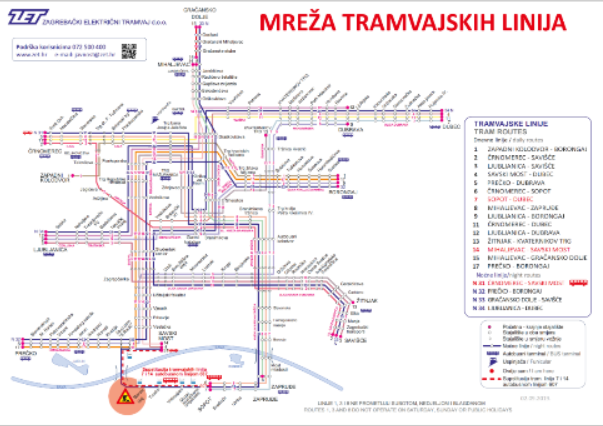
This is a screenshot of a network of nightly tram lines that run on average every hour.
Get informed, don't be shy!
We all know what it is like to be a lost student in the faculty building, searching for the right lecture hall. The most important thing is to relax. You can always ask a doorman or some person who seems approachable. Don't be shy! There are always older students who are willing to help you. Try to find Facebook groups and join them. You will find a bunch of useful information. If you don't find the answer to the thing you are searching for, ask politely, someone will answer it. If you can help others, this is also great. You will get to know many people through conversations such as "Where is the next lecture?" and remember, some of them might become your friends.
One important thing about having a lot of friends in the first year is that you have to be aware that some friendships won't last. Don't take it as something bad; be natural, and real friends will eventually come around.
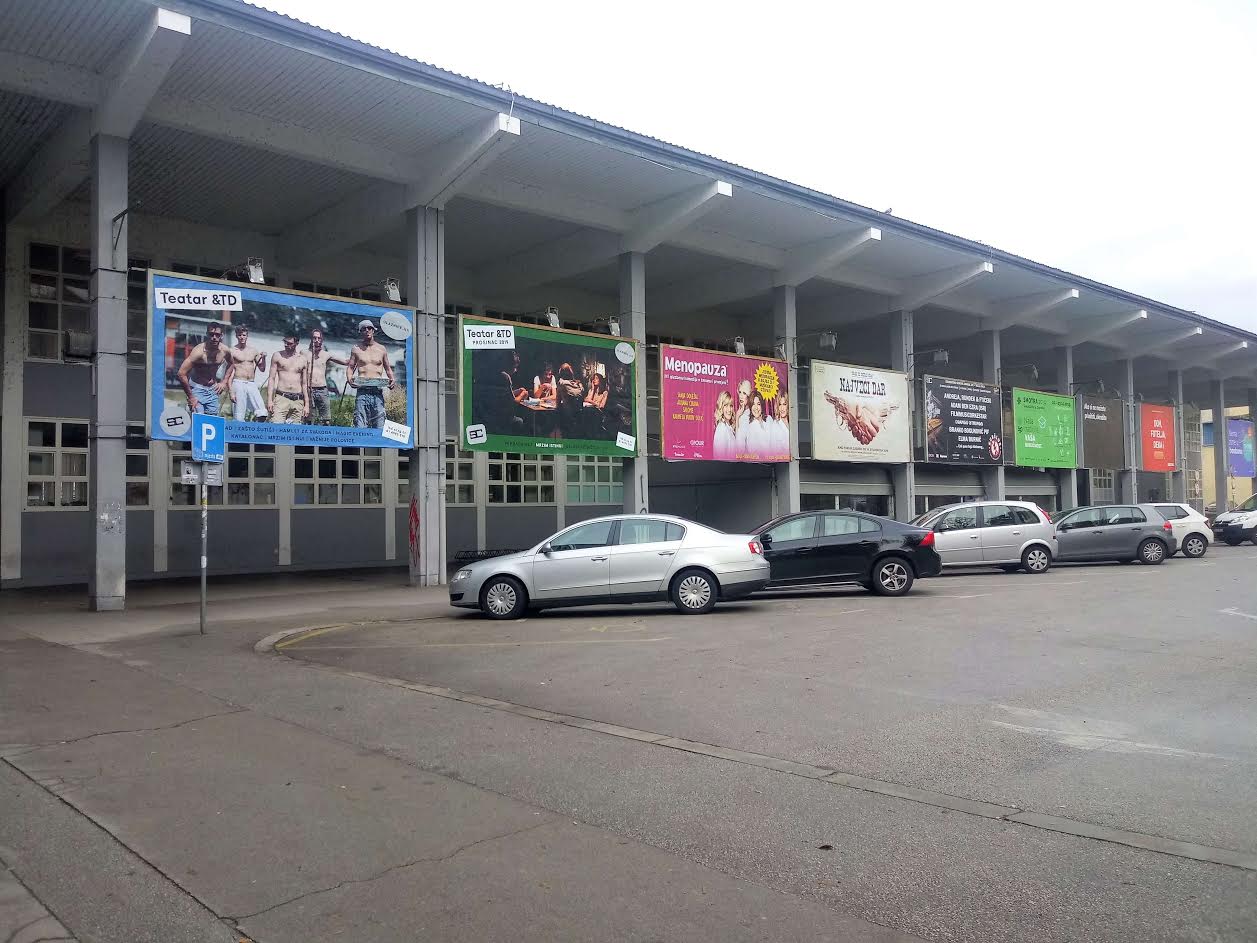
Posters in the front of the SC, (recognition of the SC), credit: Janja Šestak
If you want to do some extra job, volunteer, or you already want to start working in the field in which you are studying. Maybe it would be better for you to leave it for next year or at least the next semester. College is not a high school. There are numerous new things that you have to get used to. You might have moved from your parents, you are meeting a lot of new people. Give yourself some time and only then include work and/or volunteering.
Lectures and how to survive them
You have to be aware that some lectures won't be that interesting. Our sincere advice is, no matter how boring the lecture is, be there. The first week is one of the most important weeks, and it's often called orientation week. That means professors say the most important things every student needs to know - dates of midterms, which literature you have to have, where to find a syllabus, how many absences you can have (!), and whether the lectures and seminars must be attended. We recommend you pay attention to how many times you were absent because if it's more than the professor says, you won't get his signature in the Index. That means you can't pass that lecture. It is a pretty big deal, so don't play with that.
On some faculties, you can pass the course without taking the exam in exam season (February, June, or September), but rather be done with it earlier and pass it through the midterms. Then again, don't be upset if you don't pass the midterms and have to take an exam, which includes a whole semester to learn. It's not the end of the world. You will just need to organize better in order to learn everything!
Literature and how to spend the least amount of money on it

Interliber, credit: zv.hr (Official page of Zagrebački Velesajam)
One of the most significant differences between High School and college is definitely the amount of books you will read (or will you?) during the course of your higher education. Most of the classes will have their mandatory literature, and without reading it, it is highly unlikely you will pass the exam. The problem is that most of these books can be pretty expensive, especially for students. But there is a solution to the problem – INTERLIBER.
Interliber is a book fair that lasts for a week, every year, during November (great if your exams start in late November, early December), which offers a wide variety of books for cheaper prices. You can either find books for leisure reading for rather symbolical prices of 5 to 10 kunas or stumble upon a significant discount for your mandatory literature.
If you are one of the lucky ones, and your college doesn't oblige you to buy all of your literature books, but you still need to find the books somewhere, Zagreb City Libraries (Knjižnice grada Zagreba -http://www.kgz.hr/en/about-us/zagreb-city-libraries-today/523) or National and University Library Zagreb (Nacionalna i sveučilišna knjižnica - http://www.nsk.hr/en/) are the most important places you can go to. Both of them require you to pay for membership fees and in return, offer a broad range of books that can be related to your subject of study. If you feel overwhelmed already, both of the libraries have a catalog of all of their books on their website, and you can even check if the books you need are available.
Zagreb City Libraries are not as student-oriented as the National and University Library. There are 42 City Libraries located throughout Zagreb, many of them in the city center. However, there are some in the neighborhoods not so close to the center. If we had to single out the best library in the city center, it would be Bogdan Ogrizović Library near Cvjetno square, which has the biggest collection of books in English. The annual fee for ZCL is HRK 50, and with it, you can borrow books from all ZCLs. Working hours for ZCL are from 8 a.m. to 8 p.m., so you have plenty of time to borrow books and study there throughout the day.
If you are the type of person who can study while being surrounded by other people who study, the National and University Library is the place for you. It is located in Hrvatske Bratske Zajednice street number 4, next to Zagreb fountains, and it is the perfect building, which is both the place to borow books and study if you can't find peace anywhere else. The annual fee for NUL is HRK 100, but you can be sure to find all the mandatory literature in one place.
Student jobs
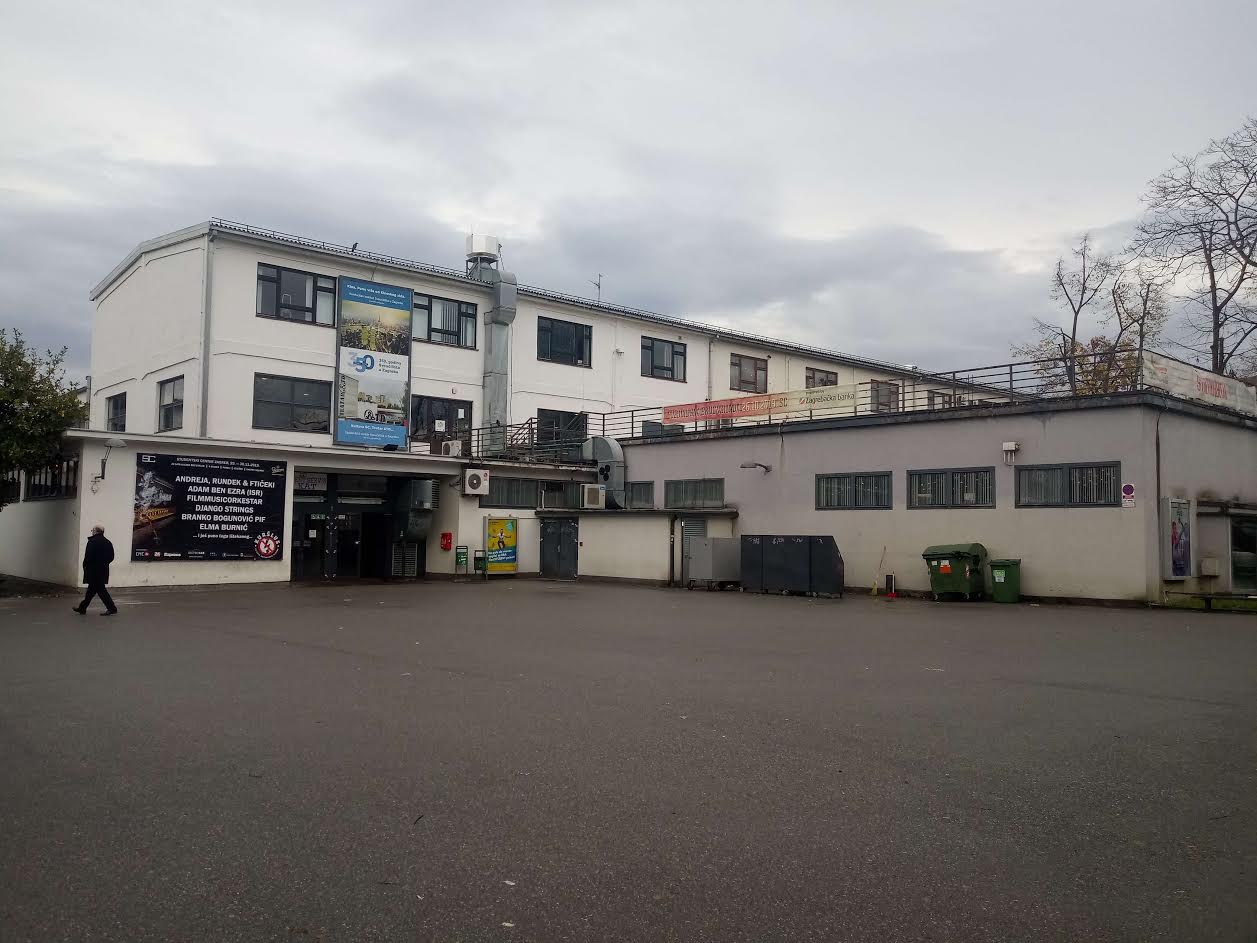
The building of Studentski Centar, credit: Janja Šestak
More than 60% of students in Croatia work through the Student service. Most of them only get the chance to work during the summer break, but those of you lucky enough to have some free time left after your lectures might be able to work throughout the year.
There are many great reasons why you should get a job. For starters, having some pocket money on the side can be a great help to your parents and a first step in becoming economically independent. Trust us, your parents will be extremely grateful if they don't have to pay for everything you do in your free time.
If you decide to get a job, the first thing you need to know is to create a student contract in the student service (Savska 25), one floor above the student cafeteria. Prepare yourself for gathering a lot of official papers and waiting in a line, but after that, you can be sure you will get a job you will be paid for regularly and fairly.
What you'll need to enroll in Student service are following official papers:
1) college confirmation that you are a full-time student (can be electronic record as well)
2) identity card (ID) – osobna in Croatia – it is necessary to prove your identity
3) IBAN personal giro account – a bank card or a contract with a bank, that way Student service can be sure money will come to your account and not someone' else
4) OIB number – same as ID, only for confirmation of your identity
5) 35x25 mm format photo
6) X-card (X-ica) – confirmation document for all students –
- • recent high-school graduate students can present Indeks if they haven't received their X-card as well as a certificate that shows they have finished the final year of high-school and printout of the application for state matura examination or a certificate of the state matura examination
Student service is for full-time students and high-school graduate students who have finished their matura exam and want to work during the summer before their college starts.
If you've fulfilled all the above instructions, you can start looking for a job. Your best chance lies in sending an e-mail of application and your CV on one of the numerous job applications you will see on the Student service page. Remember not to be disappointed if your first application doesn't result in you getting a job right away. Don't be afraid to send an e-mail and CV to multiple addresses.
After you have found the job and got through the interview, you should watch out for these things as well:
1) as of January 1st, 2020 your minimum hourly wage should be 25,38 kunas
2) students that work don't have usual health insurance that full-time employers have, so make sure you check on the Croatian Health Insurance Fund pages (HZZO) what kind of insurance if any, you have
3) watch out for night shifts, working on Sunday and during state or religious holidays
- a) night shifts are counted from 10 p.m. and your hourly wage should be 30% bigger than on the regular workday
- b) on Sunday, your hourly wage should be between 30 and 50% more than on the regular workday
- c) your hourly wage for state and religious holidays should be at least 50% bigger than on a regular workday
4) a minimum of one day off per week is mandatory
5) when it comes to working multiple shifts, remember that there needs to be at least 12 hours break between two shifts
Unfortunately, student work isn't regulated by strict law. That means that some people like to take advantage of students by making them work multiple shifts in a row, not paying them enough, etc. This problem can be easily solved by educating students about their rights and finding out who you'll be working for, how much you'll work, and in what conditions.
X-card (x-ica)
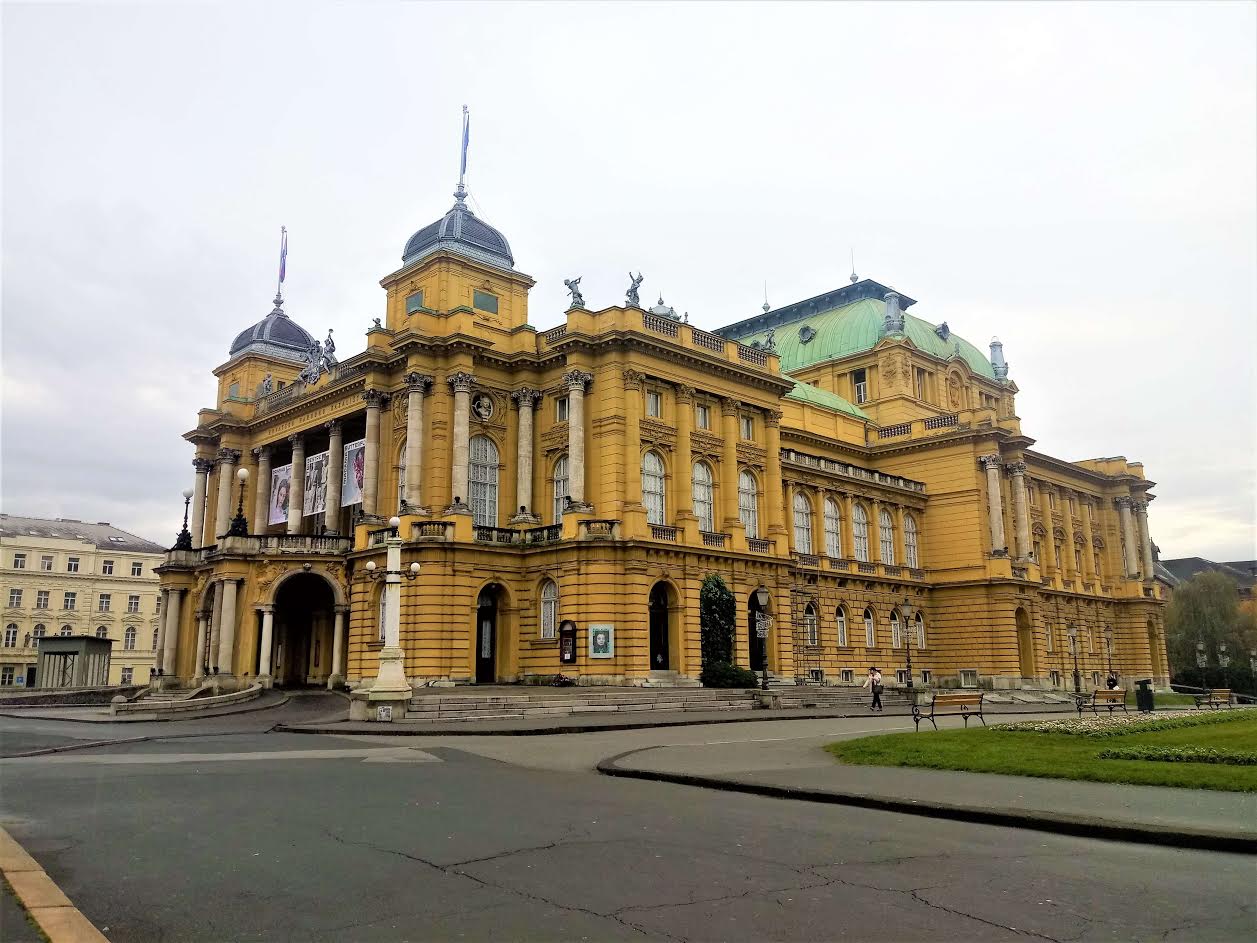
HNK, the Croatian National Theathre - credit: Janja Šestak
In addition to cheaper food in the cafeteria, X-card can also give you other advantages and make your student life a bit more than studying and attending lectures. You can get a discount if you buy student passes for trams and buses. Also, there are discounts for students traveling home, and all of that can be achieved if you show your X-card.
If you are a fan of sports or just want to keep your body in shape during your college days, you can get a discount with X-card in various gyms and sports clubs. The Sava student dorm has a gym, which you can use an unlimited amount of time for only 100 kunas per month. Other offers include Zumba and aerobics, both of which you can practice two times a week, also for 100 kunas. In Cvjetno Naselje, unlimited fitness gym is 125kn, Zumba two times a week is 100kn, Aerobics three times a week is 125kn.
If you are passionate about movies and enjoying going to the cinema, but you think CineStar is a bit expensive, don't worry. You can get a discount there as well. You will pay 23 kunas for movies that last 120 minutes, and 25 kunas for movies that last 120 minutes and more. In addition, every Wednesday, all the tickets are 20 kunas.
More information can be found on the link.
If you are a fan of theatre, there is something for you as well. With your X-card, you can watch a show at Kerempuh for 45 kunas. The Gavella, one of the Zagreb's most famous theatres, has a special card for pupils, students, pensioners, and for people with disabilities. The price for the card is 35 kunas as well as ticket price. Theatre Komedija enables students a 20 percent discount for one ticket if you show your X-card.
Explore Zagreb
When you get tired of studying and want to relax with your friends and drink for affordable prices, you might want to check Žirafa. It is one of the most visited places if you are a student in Zagreb, and is located in four locations: Jurišićeva 19/, Maksimirska cesta 64, Gunudlićeva 11, and Ilica 70. The other clubs in Zagreb for students are Club Roko (Jarunska 5), Žabac (Jarunska 1), and Klub klub (Pavla Haltza 14).
From the beginning of December till late January, Zagreb becomes the most beautifully decorated city in Europe. It even won the award for it three years in a row.
King Tomislav Square has a big ice rink, and there are many stands all over the city which sell mulled wine, sausages, or if you like something sweeter, fritters (fritule), germknödeln, and many more delicates from all over Croatia. The main square (Ban Jelačić Square) is also famous for its many concerts during the winter period. Park Zrinjevac is very beautiful when the snow comes, and there are great concerts of traditional Christmas songs there as well.
Klovičevi dvori are famous for being the most photographed place during the advent. From the back entrance to the Klovičevi dvori, there is a breathtaking platform that offers a view of Zagreb Cathedral. Free concerts are also held there. For more information about advent, take a look at their page https://www.adventzagreb.hr/.
If you are into sports, Jarun is an excellent place for you. It has a track for running, skating, riding a bike, or taking a walk with your friends. Jarun is very close to Studentski dom Stjepan Radić. During the summer, precisely in June, Jarun is the home for the Inmusic festival. Bundek is also a lovely place for sports activities, as well as concerts. In September they have an event which is called Rujanfest, the prices are not expensive.
If you love skiing and hiking, Sljeme is an excellent place for you. Medvednica, a hill under which Zagreb lies, is a popular weekend getaway for the people from Zagreb and can be an alternative offered on some Faculties as a way of completing your physical training course (PE).
Makismir forest is a fantastic alternative for everyone who lives on the east side of the city. In the middle of the park, there is a Zagreb ZOO. Nearby there is a stadium where the football matches are held.
Zagreb is renowned for its many museums. Probably the most famous is the Museum of Broken Relationships (Muzej prekinutih veza), where people from all over the world leave relics and symbols of their failed relationships. Other museums include, the modern Museum of Illusions and The Museum of Torture.
Student organizations
Again, for those of you who have free time and want to develop some additional skills to be more competitive in the job market, student organizations are the best option. While volunteering in organizations might sound silly to the students in the STEM department, it can mean the world to the students studying social sciences.
Zagreb is an excellent city and headquarters for many different organizations, so there is something for everyone. Some of the organizations are Studentski.hr, Srednja.hr, Financijski klub, Hrvatska studentska organizacija, Svjetski savez mladih Hrvatska, Erasmus studentska mreža, and many more. If we had to highlight some of them, AIESEC and eSTUDENT would definitely get our vote.
AIESEC is the oldest student organization in the world, it was established in 1948 as a response to all the violence that the world has seen and as a way of connecting students all over the globe. Their primary mission is changing the world and bringing peace to everyone by changing one person after another. Today AIESEC works in more than 120 countries in the world, it has over 40 000 members, and it mainly focuses on its volunteering and working internships. In addition, they strive to create leadership skills in young people (all of their members being between18 and 30 years old) and creating a better tomorrow.
eSTUDENT is a Croatian based non-profit organization that was founded in 2004 through an initiative of proactive students who wanted to make a difference and gain practical knowledge experience. From the beginning, it was led by people who strived for more, and their goal hasn't changed until today. They still aim to provide students with additional education which they might not found at their colleges and through working on projects and creating a firm atmosphere which would significantly improve students in their future jobs.
Both of these organizations give a fantastic asset to your CV and might make a difference when it comes to job offers. You will be much appreciated and awarded for all the hard work and for doing something out of your free time.
Check out how it was on Radićevi dani (Radić's days) in the video above, and don't be afraid to admit the Sava already gained a place in your heart!
- written by Janja Šestak, Ana Samodol and Paula Anić
To learn more about the Croatian capital, check out the Total Croatia Zagreb in a Page guide.
Croatian President Campaigns for Re-Election in Bosnia and Herzegovina
ZAGREB, November 27, 2019 - Croatian President Kolinda Grabar-Kitarović said on Wednesday in Mostar, which she visited during her campaign, that care for Croats in Bosnia and Herzegovina (BiH) would continue to be an important plank of her state policy.
In that southern city in Bosnia and Herzegovina, the Croatian president promised that she would continue to advocate the achievement of full equality of the Croatian people, including their possibility to elect their own political representatives without being outvoted.
"The thing that is and will remain to be my state policy is care for Croats in Bosnia and Herzegovina. The Croatians have two homelands - the Republic of Croatia, and Bosnia and Herzegovina. And that is why I will not stop until Croats in Bosnia and Herzegovina are provided with the rights they are entitled to historically, politically and under the country's constitution - and that is full equality and achieving their rights as a constituent people," said Grabar-Kitarović, addressing a conference on the anniversary of the establishment of the 'Prsten' Association of Bosnia-Herzegovina Croats with its headquarters in Bosnia and Herzegovina.
She said that it was necessary to prevent scenarios in which the more numerous peoples can impose their representatives on Croats in elections.
"No one else should be allowed to elect representatives for the Croatian people in BiH. They are deluding themselves if they think that Croats will bend and disappear from Bosnia and Herzegovina. No, they won't! With your help I will continue to be a guarantee that there will be no more ignoring of Croats in BiH which had happened in 15 years during the term of my two predecessors," she underscored.
Grabar-Kitarović called on Croatian business people to invest in Bosnia and Herzegovina and help stop the emigration of young people from the country.
"That is why in fact, I am encouraging Croatian entrepreneurs to turn to investments in BiH, to establish new companies and to launch new investments so that our young people can be given a job and keep living here," she added.
Grabar-Kitarović in particular underlined the significance of the Prsten association which was established by Croats from Bosnia and Herzegovina in an effort to preserve tradition and values and at the same time to assist their compatriots in Bosnia and Herzegovina.
During its 14 years of existence, the Prsten association, which has 3,500 member and 200 entrepreneurs, has set aside 15 million kuna in aid for institutions, and Croats in Bosnia and Herzegovina as well as an additional 3.5 million kuna for scholarships for poor students.
The Croatian president is due to stop in Skopaljska Gračanica near Bugojno and Vitez on her campaign trail in Bosnia and Herzegovina on Wednesday afternoon.
The incumbent president's candidacy for her second term is supported by the ruling Croatian Democratic Union (HDZ) and a few more political parties in Croatia.
More news about presidential elections can be found in the Politics section.
MEP Picula Appointed as EP Rapporteur for Western Balkans
ZAGREB, November 27, 2019 - Croatian MEP Tonino Picula has been appointed EP rapporteur for Western Balkans ahead of a summit in Zagreb in May 2020.
His role will be to prepare recommendations to the Parliament, Council and Commission regarding the opening of accession negotiations with North Macedonia and Albania as well as providing new impetus to the enlargement process, Picula's office reported on Wednesday.
One of the main topics and challenges that Picula will be involved with in the report is reaching a consensus in the Council regarding the enlargement process to countries in the Western Balkans, his office said in a press release, adding that the report is also aimed at analysing and responding to new proposed reforms for the enlargement reform process.
"Reform debates must not stop the process. Countries need to be assessed individually based on individual merits and achievements. Montenegro is the forerunner in that process and I expect that the achieved results and invested efforts to be recognised and that pre-accession negotiations be closed during this term," Picula concluded.
"I am exceptionally honoured with this new role as rapporteur for recommendations on the Western Balkans ahead of the coming summit in Zagreb...I will offer concrete recommendations that will enable blockades to be removed and to finally open negotiations with North Macedonia and Albania in Zagreb already," Picula said.
"By making a mistake, French President Emmanuel Macron, who blocked the process of opening negotiations with North Macedonia and Albania, in fact succeeded in something he did not plan - he returned the issue of enlargement into the focus of being debated at the European level," added Picula.
More news about the European Parliament can be found in the Politics section.
Croatia Basketball Learns Opponents for Olympic Qualifying Tournament in Split
November 27, 2019 - The Croatia basketball team, led by coach Veljko Mrsic, will face Tunisia and Brazil in the Split qualifying tournament for the 2020 Olympic Games in Tokyo. The groups were decided in a draw held at the FIBA headquarters in Geneva on Wednesday.
The second group, which is also played in Split, includes the national teams of Germany, Russia, and Mexico. Croatia will likely crossover with Germany or Russia. The first two teams from each group will go to the semifinals, with only the overall winner of the tournament going to the Olympics.
The qualifiers will be played in four different tournaments, each with six participants. The Olympic qualifying basketball tournaments will be played from June 23 to 28 next year, with host cities of Split, Belgrade, Kaunas, and Victoria in Canada.
Although he led the national team last summer on three continents (in Croatia, the NBA Summer League in Las Vegas and the Borislav Stankovic Tournament in China), coach Veljko Mrsic will sit on the bench for the first time for an official FIBA match next February in the new qualifying round for the European Championships in 2021. However, the biggest national team exam will be next June. Coach Veljko Mrsic shares his take on the draw.
"First of all, we have to understand the tournament in Split as a great prize and a great opportunity to promote basketball in our country, and then as an opportunity to qualify for the Olympic Games," said coach Mrsic.
“The group is tough… after all, all groups are tough and there are great teams in each. The possibility of Germany is a bit aggravating, but there it is. It is difficult and too early to talk about the chances at this point because we do not know how the other teams will arrive, and we cannot be sure about our own team. What is important is that we are a team. A team that our fans can be proud of and that we can be proud of. That is the basic goal that we must work on, and all that will be one big reward."
What does Mrsic expect in Split and from Split?
“This is a solid tournament, the strongest played on Croatian ground since EuroBasket 1989 in Zagreb and I am sure that our audience will recognize this and that the Split stands will be full and that we will really have a lot of support and wind at our backs from our audience."
Eight national teams have already qualified for the Tokyo Olympics next year. They are Spain, Argentina, France, Australia, the USA, Iran, Nigeria, and the host Japan.
Source: HKS
To read more about sport in Croatia, follow TCN’s dedicated page.
“There Would Be Money for Teachers If Less Money Had Been Given to Church”
ZAGREB, November 27, 2019 - Social Democrat Member of Parliament Nenad Stazić told Prime Minister Andrej Plenković during Question Time in parliament on Wednesday that there would probably have been enough money for striking teachers if the government had sent less money to Herzegovina and spent less on the Catholic Church, veterans' benefits and privileged pensions.
"Have you considered no longer giving billions (of kuna) to the Catholic Church, finally putting an end to an ever-growing number of war veterans and their privileges, making the president of the republic stop giving privileged pensions according to her liking and stop sending money to Herzegovina? Maybe then you would have enough money to meet the demands of those who teach children," said Stazić.
Plenković responded that it was unbelievable Stazić was mentioning war veterans in this context, stressing that his government had rectified numerous injustices done to veterans and shown respect for the dignity of the Homeland War.
He repeated that the latest offer to striking teachers was integral, adding that money for a wage increase existed because plans to lower the VAT rate had been given up.
"You evidently do not want to solve this problem and want to keep children uneducated because the more uneducated, stupid and primitive they are, the more easily they will vote for the HDZ," said Stazić.
Krešo Beljak of the Croatian Peasant Party (HSS) said Plenković had got lost in his political activity because he was assuming political responsibility for everything. "Problems in the school system should have been dealt with by the education minister or you should have fired her. You are not responsible for the arms smuggling incident, the defence minister is. A prime minister cannot be responsible for every problem in every department," said Beljak, to which Plenković repeated the government's offer to striking teachers' unions, claiming that there had been no arms smuggling incident in the army.
"Everyone responsible for non-compliance with discipline in the Croatian Army has been relieved of duty, new commanders have been appointed. An investigation is underway and the Zadar County Police Department has filed a report. There was no smuggling, there was unauthorised entry into the Zemunik air base," said Plenković.
More news about the Catholic Church can be found in the Politics section.
Croatia's GDP Growth Accelerates to 2.9% in Q3
ZAGREB, November 27, 2019 - In the third quarter of 2019, the Croatian economy grew by 2.9% on the year, a somewhat faster growth compared to the second quarter when GDP increased by 2.4%. The Croatian Bureau of Statistics (DZS) on Wednesday released its initial estimate according to which Gross Domestic Product (GDP) in the third quarter increased by 2.9% on the year.
That is the 21st quarter in a row that Croatia's GDP has grown.
The biggest positive contribution to GDP in Q3 came from a growth in the export of commodities and services, and household consumption, DZS reported.
Household consumption increased 3.3% in Q3 year-on-year and 2.7% compared to the second quarter.
The export of commodities and services increased by 4.7% in Q3, Y-o-Y and by 3.3% Q-o-Q. The export of commodities jumped by 7.1% while services exports increased 3.1%.
The import of commodities and services also increased on the year (+1.1%), significantly slower than in the preceding quarter when it jumped by 8.3%. The import of commodities increased by 0.9% while imported services increased by 1.8%.
The growth of gross investments in fixed capital increased by 5% in Q3 on the year, which was slower than in Q2 when it increased by 8.2%.
Government consumption also increased in Q3 (+2.9%) compared to the same quarter last year, which is a slower growth than in the second quarter (+3.9%).
In Q3 2019, according to seasonally adjusted data, Croatia's GDP grew by 0.8% from Q2 and 2.8% from Q3 2018.
That is a higher growth than the EU average. Recently, the Eurostat statistical office reported that the EU economy grew by 1.3% in Q3 on the year and 0.3% on the quarter.
More news about GDP growth can be found in the Business section.
Police Arresting People Suspected of Falsifying Croatian IDs for Mobsters
ZAGREB, November 27, 2019 - The police on Wednesday began arresting members of two criminal organisations who, according to unofficial sources, had been involved in collecting data and making false documents for criminal clans in Serbia and Montenegro.
The police have not released any official details as yet. A spokeswoman at the Interior Ministry (MUP), Marina Mandić, confirmed to Hina that police raids began on Wednesday morning and that some of the arrested were police employees.
The raids were conducted throughout Croatia but were focused on Zagreb and Karlovac.
According to unofficial sources, those arrested are suspected of collecting data and making documents like ID cards, travel documents and driver licences for criminals from Serbia and Montenegro.
About thirty people were arrested in the early hours of Wednesday and now their homes, workplaces and vehicles are being searched.
The USKOK anti-corruption office is expected to release an official statement since the case concerns organised crime rings.
Media reports note that documents were made for criminals who belong to the Zemun clan in Serbia and the Škaljarci and Kavčani clans in Montenegro.
The Jutranji List daily notes that these groups are connected to several mafia-style assassinations on several continents.
The daily adds that the suspected police employees collected from the information system data on Croatian citizens that were then used to create false Croatian documents.
More crime news can be found in the Lifestyle section.
Croatia to USA and Back: Marin Bek Reflects on Success
Marin Bek, electrical engineer and co-founder of Ascalia and Kraken Systems, reflects on his life and success for Generacija NOW, a Hrvatski telekom project, in the form of a recent letter to his younger self. After graduating from FER (University of Zagreb, Faculty of Electrical Engineering and Computing), he moved to America and found a job there, but eventually returned to Čakovec, Croatia. Today, at age 33, he runs two very successful companies.
When he was a kid in elementary school, he was dismantling TVs and burning things. And it was obvious to everyone that he wouldn’t study history but something STEM-related (Science, Technology, Engineering, Mathematics). He often went cycling with his mom, and while they rode together, she tried to figure out what he wanted to do with his life. He entered eighth grade and he told her that he wanted to be a programmer and work in California. Then he completed his degree in electrical engineering and computer science and lived in California for a while. After a few years, he returned from America to Čakovec, Croatia and started an IT company and later a tech startup there. It might have seemed like an odd path to his peers, but he knew that he had made the right decision because it is not important where you work in IT, but the kind of work you do.
Computer Whiz
Everyone in elementary school was interested in technology, but when he chose a high school, he encountered prejudice for the first time. He didn’t want to enroll in high school and chose the technical middle school in Čakovec instead, and since that school was not at its best, his former professors slandered him. They also summoned his mom to school and recommended that she take him out of technical school and enroll him in high school. And then his cousin Siniša, who had graduated from FER and the technical school in Varaždin, advised Marin’s mother to allow Marin to study what he wanted. Fortunately, she understood and gave him that choice.
The technical middle school was too easy for him. He was 16 years old, and advanced to the second level. Everything went smoothly, even though he wasn’t learning anything, and that's how it remained until he enrolled in FER. However, he found math so difficult there that he nearly lost a year and almost dropped out of college; but he advanced (barely). It took him some time to get used to the fact that things were not as simple as they were in high school, and he would have to study harder.
Working Full-time in College
He started working full time at Bosch during his second semester of college so that he could stay in Zagreb. He skipped typical student life and extended his studies to six and a half years. After working at Bosch for a few years, he had had enough of small programming jobs and he quit. Then he started working for the Austrian company AVL, and stayed there until leaving for America.
In the summer before his third year of college, he took a bus from Zadar to Čakovec. Among the documentaries shown during the bus ride was one about underwater robots exploring the Titanic. Seeing this encouraged him to enroll in a seminar on electrical engineering and the design of autonomous robots. He enjoyed this seminar and his professors persuaded him to switch from computers to electronics.
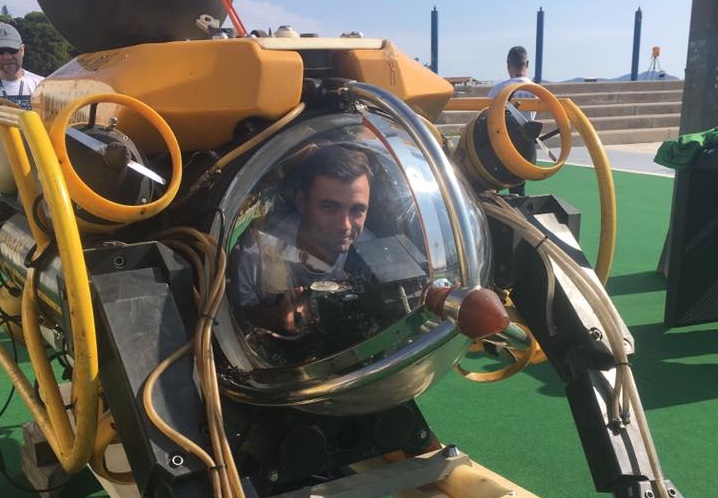
Autonomous Underwater Diver
He remained at AVL and his seminar paper turned into a graduate thesis. Then he made his own autonomous underwater diver, which was like a small underwater drone. Shortly before graduation, FER gave a lecture on startups, which still seemed like an abstract term back then. After that lecture, he spoke to the lecturer and Vladimir de Franceschi, a startup lawyer who worked in Silicon Valley, and told them about his autonomous diver. The lawyer like what he heard and suggested that he apply for the Startup Accelerator Program at the US-based Founder Institute in Zagreb, and later helped him with his startup in San Francisco.
After graduation he continued working at AVL. He wanted to enroll in the Founder Institute's American Startup Accelerator Program but needed an investment of 3000 HRK, which he didn’t have. His grandmother had a stroke and he helped pay for her care. Then his mother became ill and he looked after her as well. After discussing options with friends, his cousin Siniša lent him the money which was a major turning point. In Zagreb, he became familiar with the startup culture through the accelerator program.
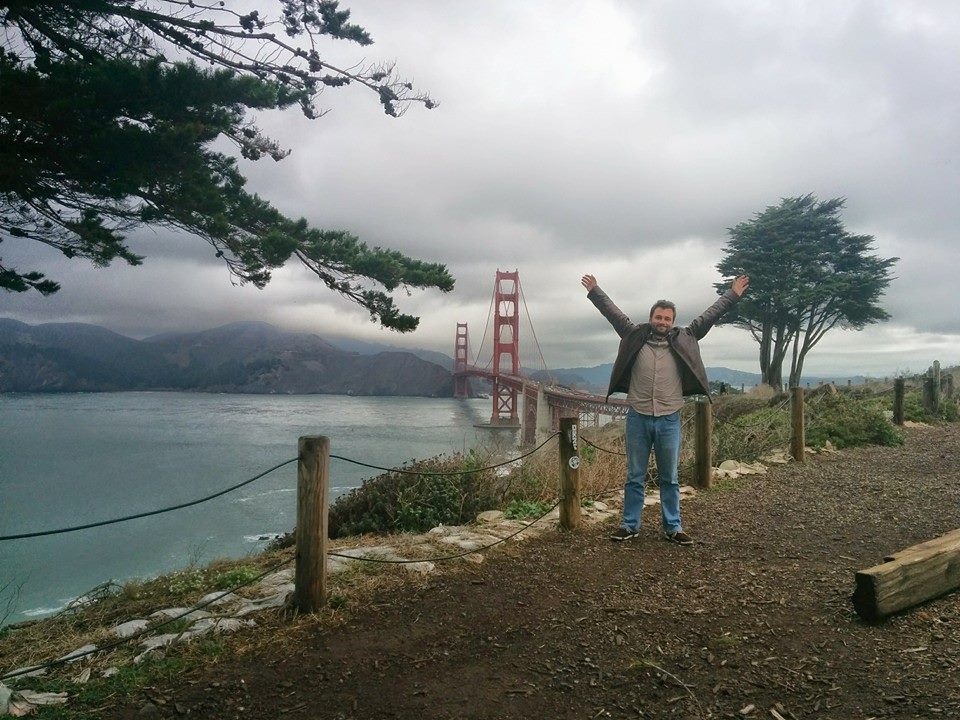
From Croatia to San Francisco
One afternoon in Čakovec in the winter of 2012, he cut off part of his thumb above the bone while splitting firewood for his mother. They saved his thumb and the three months of sick leave turned out to be a positive thing. During his time at home he realized that it was better to work alone than in an office, and started thinking about moving to San Francisco. He founded his first startup while still in Zagreb, and soon found a job online at the Nextuser startup so that he could pay rent, food and finance his own project. Many of his peers warned him of the risk of quitting a job at a well-off Austrian company to launch a startup with someone that he had met on the Internet, but he believed it would pay off in the end.
He enjoyed San Francisco, and like everyone else, he juggled several jobs while developing his startup. It was entirely commonplace there to be sitting in a cafe and have a waiter share an idea for a startup. He tried to get involved with marine technology and underwater drones but couldn’t obtain financing. Six and a half years later, he realizes that his idea was ahead of its time, and making it happen would have been extraordinarily expensive.
His project eventually failed, and he ran out of money, but quickly connected with people who would play a key role in his future. At Nextuser he had advanced from IT developer to CTO, and became involved with finding investors, which enhanced his knowledge and pool of acquaintances. However, he wanted to return to Croatia for his mom's sake and didn’t want to get stuck in America forever. In 2013, he and his friend and colleague Dean Strbad launched an IT company called Kraken Systems which dealt with big data in Čakovec. For a while he lived on the Čakovec-San Francisco route. After two and a half years, he left Silicon Valley and returned to Croatia.
Return to Croatia
When he set up Kraken Systems in Čakovec, his critics thought it strange that he had not chosen Zagreb. But his reasons were based on logic: Dean, who is also from Čakovec, worked alongside him. He also set up a home office so that he would not have to rent a space. Besides, he wanted to be closer to his mom because she was ill and needed his help. And, he didn’t allow himself to be influenced by peer pressure, because he had been shaped by American business culture, and knew that the location of his firm was completely irrelevant.
He didn’t plan on working with Croatian clients anyway, and it didn't matter to anyone in America whether the company is in Zagreb, Čakovec or Varaždin because they’d probably never heard of any of those cities. Also, in America, he never experienced prejudice regarding where he worked or where he came from. San Francisco is a melting pot, which is a positive aspect of life there. People arrive from all over the world and come from many different backgrounds.
However, after three and a half years, he decided to move the business to a more central location. His mother’s health didn't improve, and he moved to Zadar, where it became apparent that he would never return to Čakovec. As he continued to add staff; he decided to rent offices in Zagreb. However, he kept an office in Čakovec, where three people are currently working.
Kraken Systems is a now a company with close to 1 million EUR in revenue and they work with clients like Carrefour, Nestlé, Ferrer and Forbes. Four years after Kraken Systems began operations, he launched Ascalia, another tech startup, and now has over 20 employees in both companies.
He found investors from Canada and Croatia and his new startup focuses on industry and helping factories to modernize. They use the benefits of technology to reduce environmental impact and overall costs while optimizing operations. He created software and devices which allow industrial machines, made from 1979 to the present, to connect to the Internet. This allows clients to run a smart factory without a major investment. He has continued to develop this company, which is active in London, Paris and Germany. Everywhere except Croatia.
These days he travels all over the world: one day he’s in Paris, the next day in Munich or London. He also travels through America, Europe and China for work.
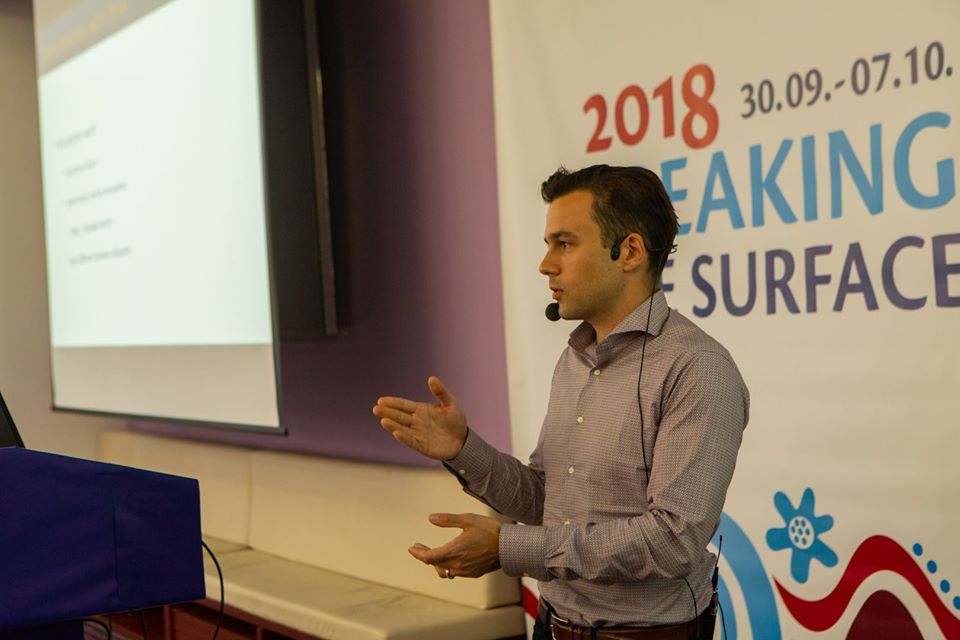
Advice to Young Entrepreneurs
His advice to young entrepreneurs? Don’t hesitate to take risks and follow your instincts without overthinking things. There will be tough times and obstacles, but be persistent and don't give up. Unfortunately, he no longer has any close relatives: mom, dad, or grandparents, so he doesn’t rule out living abroad again. Seven years ago, he was raising money for gas in Čakovec, and he never dreamed of achieving such success in his early thirties. He has no idea what his forties will bring. We’ll have to wait and see.
About Generacija NOW
Generacija NOW is a donor-sponsored program implemented by Hrvatski Telekom in partnership with the Institut za razvoj i inovativnost mladih (Institute for Youth Development and Innovation). In four years, more than HRK 4 million has been invested in preparing young people for jobs of the future, and the program works with more than 300 educational institutions across Croatia.
With the documentary “Generacija inspiracija” (Inspiration Generation), as well as a series of activities within the donation program, Hrvatski Telekom emphasizes the importance of investing in better education for all school age groups – so that they can successfully navigate life without missing out on opportunities provided by the latest technological advances. The importance of destroying preconceptions and prejudices must not be forgotten. And one of the more common preconceptions is that businesses cannot be started in smaller environments.
For more information on Croatian entrepreneurs and business in Croatia, follow our Business page here or our Made in Croatia page here.