

First Indictment Against Todorić Upheld
ZAGREB, December 17, 2019 - The Zagreb County Court on Tuesday upheld the first indictment against the former owner of the Agrokor food and retail concern, Ivica Todorić, former Agrokor managers Ante Huljev and Piruška Canjuga, and Austrian national Nicole de Rossi.
The prosecution alleges that Todorić, as Agrokor Management Board chair, and Huljev, as the company's executive director of finance, in 2013 abused their powers by enabling the payment of 1.25 million euro of the company's money to a Swiss company for fictitious consulting services.
Through this operation the Swiss company obtained illegal gain while Agrokor was defrauded of 1.25 million euro, the county prosecutor's office said after issuing the indictment in late September.
De Rossi is charged with helping Todorić and Huljev by issuing a bill on behalf of the Swiss company for the fictitious consulting services.
The indictment alleges that the actual owners of the Swiss company were Huljev and Canjuga.
The indictees are charged with incitement to and aiding and abetting abuse of trust in business operations.
Todoric has been under investigation since November 2017 on the suspicion of making an illegal gain of more than a billion kuna. That investigation also covers his sons Ivan and Ante Todorić and 12 Agrokor managers and auditors.
Investigative custody was set only for Ivica Todorić, who after his extradition from London to Croatia was taken to Zagreb's Remetinec prison but on 20 November 2018 he was released on bail in the amount of 7.5 million kuna and banned from leaving Zagreb.
More news about Ivica Todorić can be found in the Politics section.
Presidential Candidate Peović Supported by Slovenian, European Left Parties
ZAGREB, December 17, 2019 - The presidential candidate of the Workers' Front, Katarina Peović, has received support from the Slovenian parliamentary party the Left and a vice-president of the Party of the European Left, Parolo Ferrero, the Workers' Front said on Tuesday.
Deputies of the Slovenian Left, which has nine seats in the national parliament and advocates democratic eco-Socialism, expressed their support via a video in which they stressed that "time has come for a new system in which everyone will profit, not just a chosen few."
"Parolo Ferrero, vice-president of the Party of the European Left, which has 24 member-parties, has also expressed support for the only candidate of the Left in (Croatia's) coming elections," the Workers' Front says in a statement.
In his letter of support, Ferrero expressed confidence that Peović could strengthen the status of all workers in Croatia as well as help build an alternative system that was not based on exploitation and corruption.
The Workers' Front a non-parliamentary party, also says that the support Peović has received is a significant contribution in the strengthening of the Croatian and European anti-capitalist left.
More news about Katarina Peović can be found in the Politics section.
Croatian National Bank's Boris Vujčić Reveals Expectations for 2020
What does the Croatian National Bank's main man say the Croatian economy can realistically expect in 2020?
As Jadranka Dozan/Poslovni Dnevnik writes on the 17th of December, 2019, if you were to ask Croatian entrepreneurs, finding an adequate workforce is at the top of the list of the most important problems. According to the survey of the central bank, entrepreneurs consider the problem of regulation or bad or complicated regulations to be bigger than finding staff, while that was only their sixth "concern" a mere four years ago.
Labour supply pressures are also one of the main drivers of wage growth. Since back in 2017, they have been showing solid growth in Croatia, especially when one takes into account that the employee benefits with their salary due to tax changes.
At the Croatian National Bank, as part of the economic projections for the current and the coming year, they pointed out that, following the acceleration of wage growth in 2019, next year Croatia can expect further acceleration, with the public sector leading the way, and not the private sector. Croatian National Bank analysts estimate that in the public sector, nominal gross wages will rise by about 4.3 percent this year, and by more than seven percent in 2020, while the private sector expects about 3.7 percent this year, and about 4.5 percent in 2020.
Looking in the proverbial rearview mirror, statistics suggest that Croatian wage recovery is still below expectations, but the Croatian National Bank notes that this may be partly explained by changes in the structure of total employees, because stronger employment growth occurs in fields with relatively lower average wages (in tourism, for example, with 80 percent of the total average).
Overall, on the labour market - and in terms of wages and overall employment - the Croatian National Bank's Governor Boris Vujčić said that positive developments are expected to continue. In recent years, employment has grown on average around two percent, which is relatively modest, given the fact that the employment rate in Croatia is among the lowest in the European Union and certainly represents one of the major structural weaknesses of the country's entire economy.
Compared to continued favourable developments on the labour market, economic growth could reach three percent in real terms this year, with the central bank projecting a slowdown in GDP growth of 2.8 percent in 2020, which is slightly higher than in previous projections (2.7 percent). In general expectations for the Croatian economy next year are slightly better than what was forecasted last autumn.
Despite the woes of the now truly insufferable topic of Brexit, all estimates suggest that its impact on leading EU economies, some of which are Croatia's main foreign trade partners, will be smaller than expected a few months ago, when worrying recession scenarios were predicted for some. According to current forecasts, the Eurozone is expected to grow by 1.2 percent this year, and by an encouraging 1.4 percent in 2020.
In any case, foreign demand should remain solid, so the expectations for the growth of exports of goods and services from the Croatian National Bank in 2020 remain good (ranging from 2.8 to 3.3 percent).
The consumer price inflation forecast has also increased. After this year's slowdown to (an expected) 0.8 percent (owing to the reduction in the VAT rate on certain products and falling oil prices), they expect the central bank to accelerate to 1.4 percent next year as a result of an increase in the annual growth rate, the cost of food and the rise in excise taxes. In previous projections, the Croatian National Bank has calculated a slightly lower 1.1 percent when it comes to inflation.
Thanks in particular to growth in services exports, the stronger and better use of EU funds and growth in remittance revenues, the current and capital account surplus will be higher this year than it was last year, but it is realistic to expect that this surplus will be slightly lower once again in 2020.
Relative indicators of foreign indebtedness should also remain positive, which means a decrease from 75.7 percent to 70.6 percent of GDP this year.
In such a macroeconomic environment, the Croatian National Bank intends to continue expanding its monetary policy, supporting the high liquidity of the monetary system while maintaining the nominal exchange rate of the kuna against the euro in a stable way, Vujčić emphasised.
Make sure to follow our dedicated business and lifestyle pages for much more.
10 Popular Croatian Dishes Powered by Vegeta
December 17, 2019 - Vegeta, one of Croatia’s most recognizable brands, celebrates 60 years.
I have to be honest - when the TCN boss came up with the idea to share ten Croatian recipes powered by Vegeta in honor of the brand’s 60th birthday, I was a bit thrown off guard. “Isn’t Vegeta in every Croatian dish?”
At least that’s what I grew up believing, considering Vegeta always seemed to be the secret ingredient to all of my mother’s best dishes. You could find the Vegeta right next to the olive oil, salt and pepper in my house; it was and remains a staple in our kitchen and the kitchens of Croatians around the world.
This powerful seasoning is crafted with carefully selected aromatic herbs and spices and is used to add some mood to your food. Vegeta is so diverse, it can pep up anything from pasta to pašteta or paprikaš to peka. It gives life to a basic brudet and spices up the simplest soups. Vegeta is a friend of fish and a foe to no one. It is the trump card of Croatian chefs and will go down in history as one of Croatia’s biggest victories.
Thus, to help mark Vegeta’s 60th birthday, we’re bringing you 10 Croatian recipes fuelled by this powerful ingredient, courtesy of the Vegeta brand itself.
Beef medallions made the Dalmatian way (Juneći medaljoni na dalmatinski): This simple meat dish adds a touch of Dalmatia, a tablespoon of Vegeta, and thick slices of skuta cheese.
Stuffed pancakes a la Sarma (Punjene palačinke á la sarma): This recipe marries the best of both worlds by fusing two beloved Croatian dishes - pancakes and sarma, into one great meal. One spoonful of Vegeta Maestro Kim does the trick.
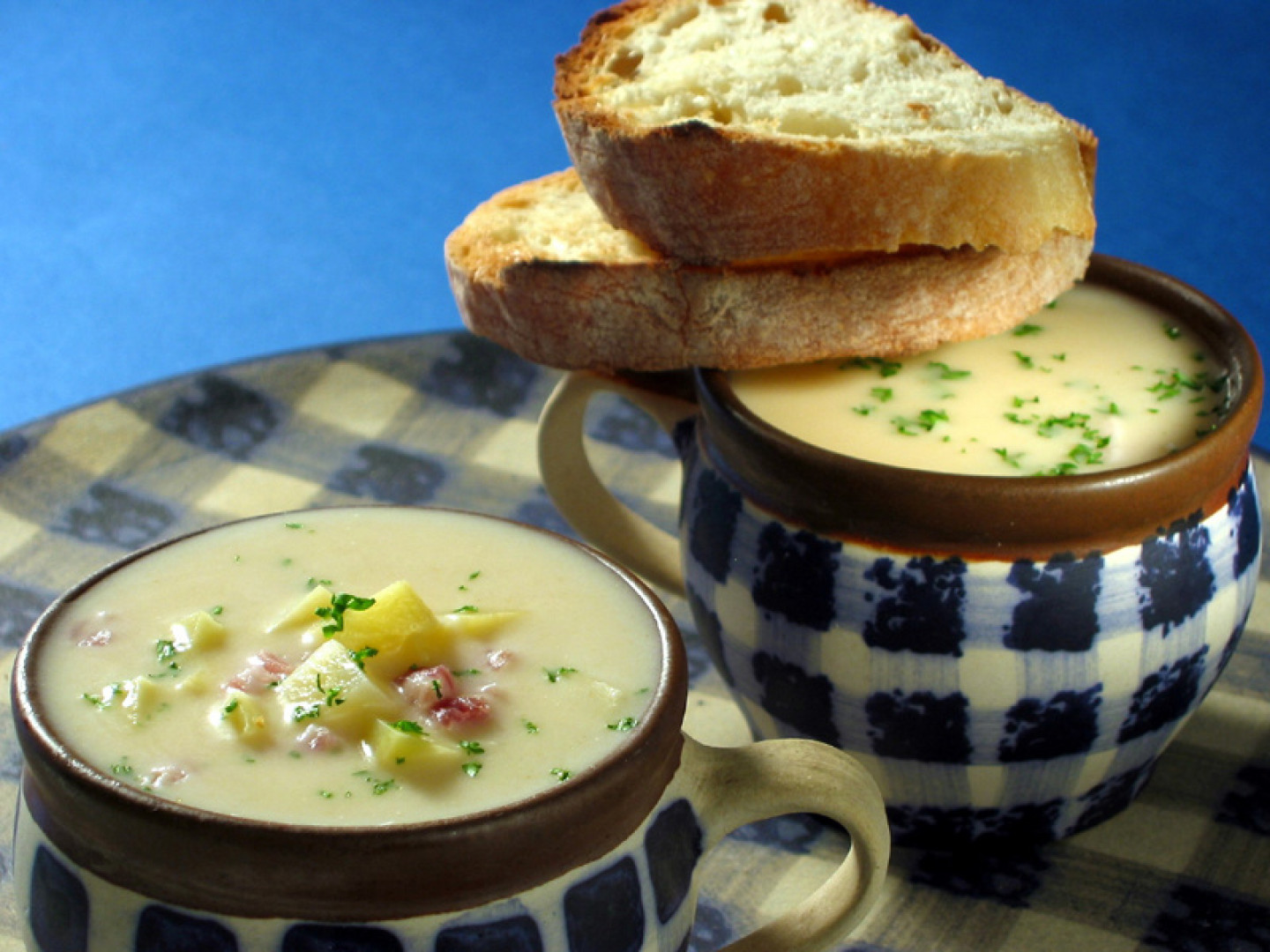
Zagorje Potato Soup (Zagorska juha od krumpira): Hailing from Croatia’s northern parts, this hearty potato soup combines a variety of Vegeta’s products, dried bacon, and sour cream.
Vegeta
Holiday soup with dumplings (Blagdanska juha s gris – knedlama): A staple at most Croatian lunches, be it during the holidays or not, is clear broth soup, usually made from chicken or beef. Many households dress it up with dumplings, though it would be nothing without two spoonfuls of Croatia's secret weapon.
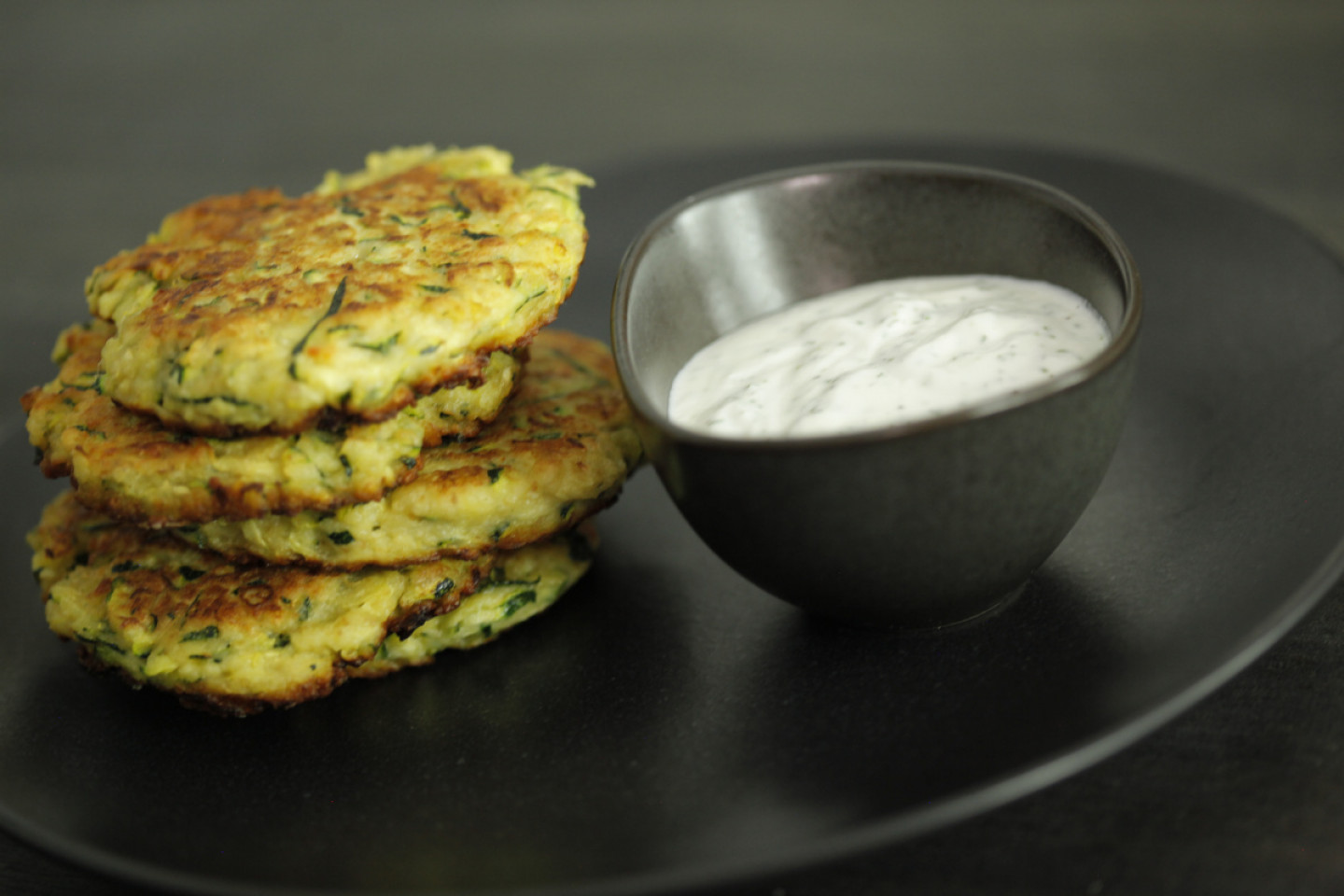
Zucchini fritters (Popečci od tikvica): I always looked forward to zucchini season as our dinner table abounded in my favorite fritters. A dish I watched my baba make as a child and my mother as a quick dinner fix as I grew older, our favorite seasoning takes simple fritters to the next level.
Vegeta
Chicken Pâté (Pašteta od pilećih jetrica): With pašteta already so easy to acquire on Croatian supermarket shelves, why would anyone bother making it themselves? Well, this way, you can add a dash of Vegeta - and this recipe boasts a fancy New Year’s Eve touch.
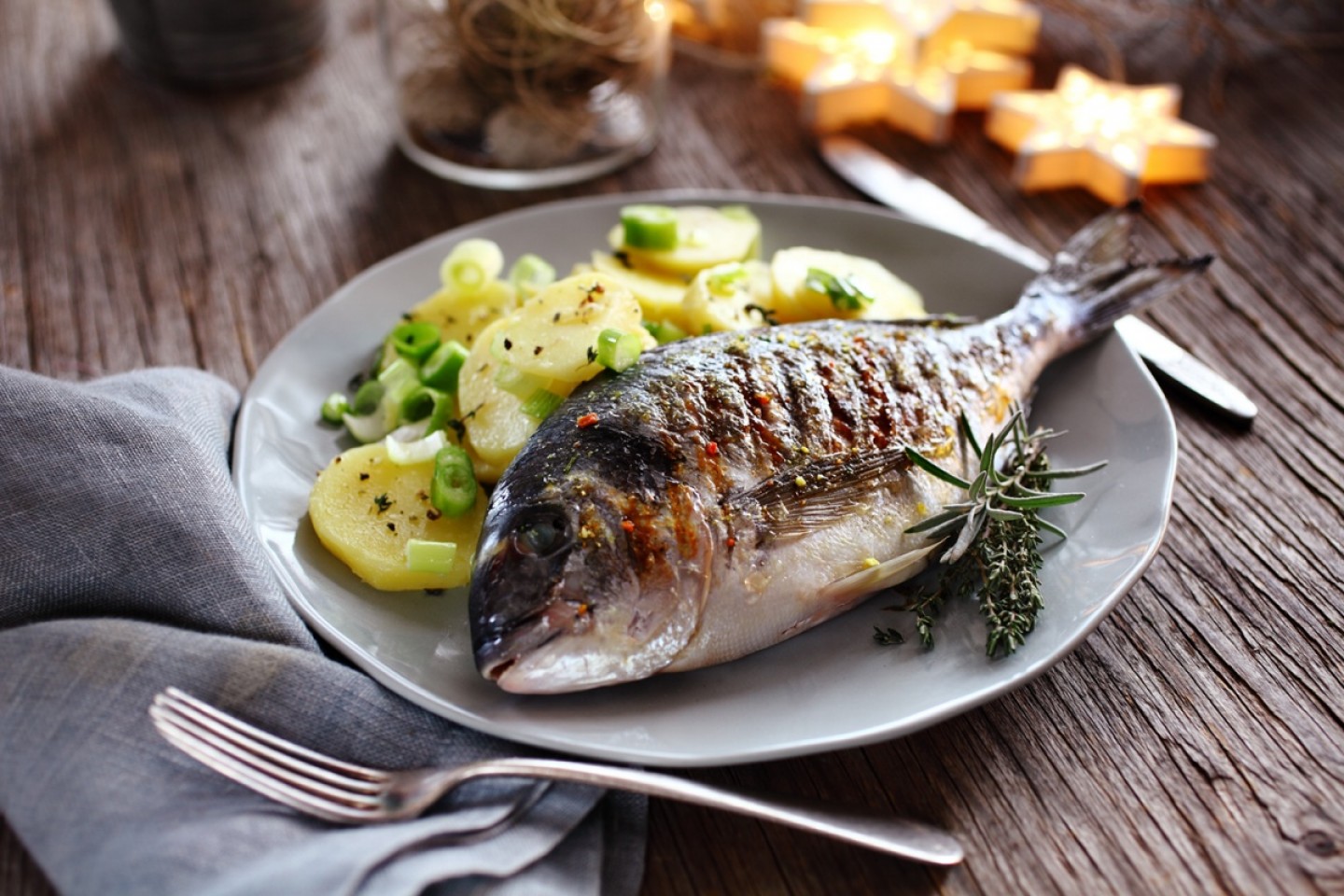
Orada with potatoes and scallions (Orada s krumpirom i mladim lukom): A grilled fish dish so good you’ll never look back. Orada is readily found along Croatia’s coast, usually served with potatoes and Swiss chard. This recipe may add a twist with the scallions, but the star ingredient is no surprise.
Vegeta
Stuffed Peppers (Punjene Paprike): If you skipped this on your Croatian holiday, then you haven’t been to Croatia at all. Usually served over piping hot mashed potatoes soaked in the pepper’s sauce, this Croatian classic is a summer standard.
Brudet: Another favorite enjoyed along Croatia’s coast is brudet - a stew made of a mix of fish, olive oil, vinegar, tomato sauce, and wine. Brudet is often served on a bed of polenta to ensure you soak up every last drop.
White Cod (more commonly known as Bakalar na bijelo): The key to a Croatian Christmas is bakalar, or cod fish. Prepared in two ways, ‘red’ or ‘white’, this recipe opts for the bianco version, boasting plenty of potatoes, garlic, and olive oil.
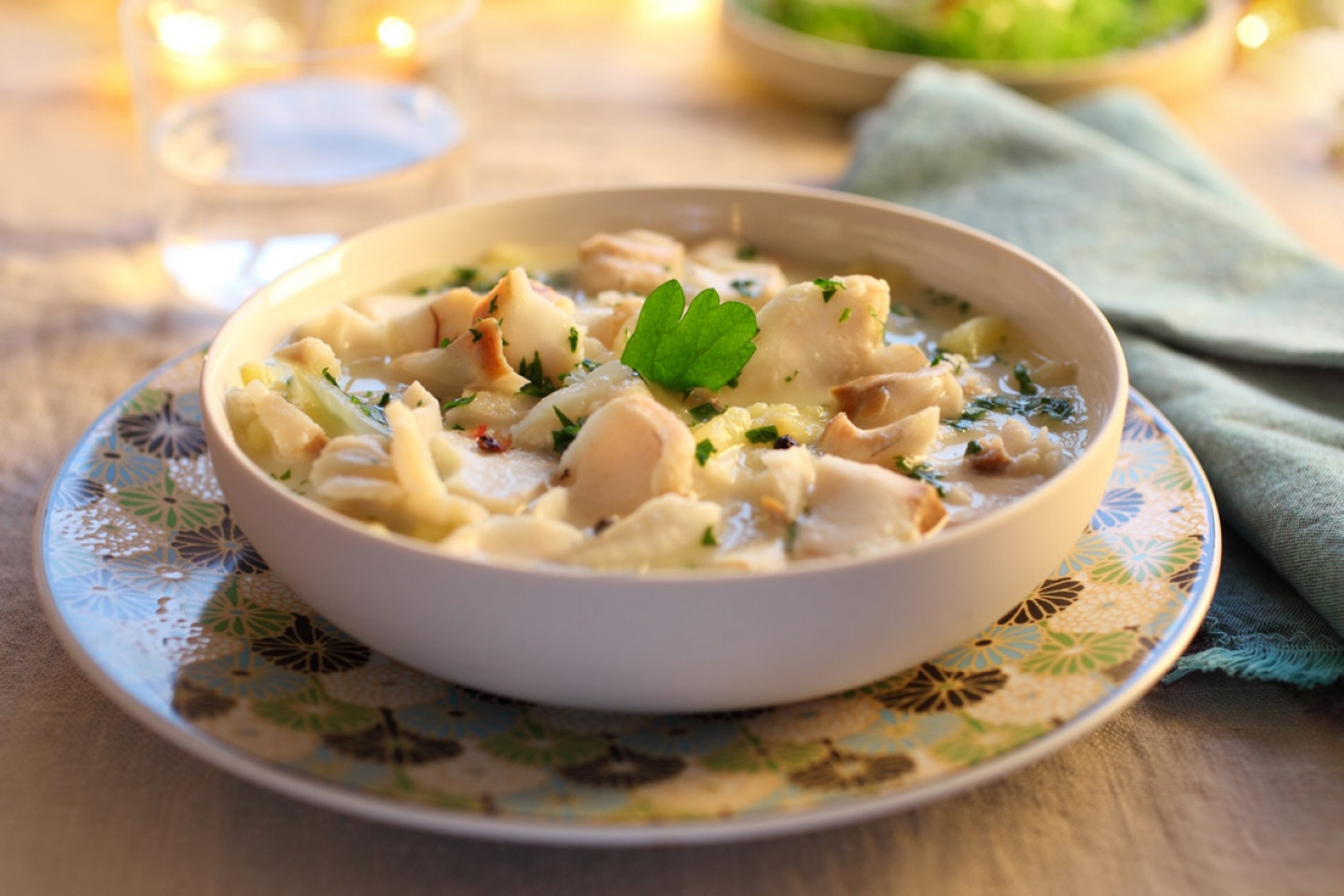
Vegeta
Vegeta is sold in 50 markets globally. Get out to get it now!
To read more about lifestyle in Croatia, follow TCN’s dedicated page.
Zagreb Average Monthly Net Salary Reaches 1005 EUR After Taxes
The average monthly net salary in Zagreb is at 7,487 HRK (1005,71 EUR) and above 10,000 HRK (1342,28 EUR) in some sectors. In September, the highest Zagreb average net salary was recorded in the field of crude oil and natural gas extraction.
Average Net Monthly Salary 1005 EUR
The average monthly net salary for Zagreb employees reached 7,487 HRK in September, which is 0.31 percent higher than August and 4 percent higher than September of last year, according to the latest statistics from the Office for Strategic Planning and Development in Zagreb.
The average salary in September increased by 23 HRK (3,09 EUR) from August and by 288 HRK (38,69 EUR) from September of last year, according to Poslovni Dnevnik/Hina on December 17, 2019.
Zagreb Salaries 144 EUR Higher than Croatian Average
Compared to the average monthly salary for September for the rest of Croatia, which amounted to 6,418 HRK (862,11 EUR) – the average Zagreb monthly net salary for September is 1,069 HRK (143,60 EUR) higher.
According to recent statistics, the average Zagreb net salary for September in the economic sector was HRK 7,289 (979,11 EUR) and 7,883 HRK (1058,90 EUR) in non-economic sectors.
The highest recorded September average net salary reached 12,412 HRK (1667,27 EUR) for crude oil and natural gas extraction. That was followed 10,894 HRK (1463,37 EUR) for financial services, except for insurance and pension funds.

Paweł Czerwiński | Unsplash
Pharmaceutical, Computer, Marketing and Petroleum Industries Over 1340 EUR
Zagreb statistics registered net salaries in excess of 10,000 HRK in the manufacture of basic pharmaceutical products and preparations (10,527 HRK), computer programming, consulting and related activities (10,473 HRK); the manufacture of computers, electronic and optical products (10,423 HRK); publicity and market research (10,208 HRK), and coke and refined petroleum products production (10,173 HRK).
Under 672 EUR in Manufacturing, Food and Beverage and Maintenance
By contrast, the city of Zagreb documented the lowest average September monthly net salary of 4,291 HRK (576,40 EUR) in the sector of apparel manufacture.
Zagreb statistics recorded an average net salary of less than HRK 5,000 in the following sectors. Metal manufacturing salaries averaged 4,432 HRK and textile/leather manufacture salaried were similar at 4,520 HRK. Monthly earnings for food and beverage industry employees amounted to 4,485 HRK. The average wage for building and landscape professions sits at 4,585 HRK. And other manufacturing industry wages are currently averaging 4,894 HRK.
Average Gross Salary Above 1412 EUR
According to statistics from the City Office for Strategic Planning and Development, the average gross salary for September in Zagreb amounted to 10,517 HRK (1412,72 EUR), which is by 0.07 percent lower on a monthly basis, but 4.26 percent higher on an annual basis.
Follow our Lifestyle page for information and updates on salaries and the cost of living in Croatia.
RECOM War Victims Project Has Politically Failed
ZAGREB, December 17, 2019 - RECOM, the regional fact-finding commission on victims of the 1990s wars in the former Yugoslavia, is a project which has politically failed, Nataša Kandić, a peace activist from Belgrade, said in Zagreb on Monday at a regional gathering of activists for the protection of human rights.
Since 2006, RECOM has been trying to compile a joint list of victims without success due to political resistance to combining data on the circumstances of death and the names of about 130,000 victims of the 1990s wars in the territory of the former Yugoslavia.
RECOM has created a solid foundation for a regional list of victims but the project has failed politically, Kandić said at the gathering organised ahead of Croatia's presidency of the Council of the European Union.
"NGOs and civil society can't publicly acknowledge the victims because that is the task of the states," she said, adding that RECOM had been unable to meet with Croatian President Kolinda Grabar-Kitarović because they were told she was too busy and that naming victims was not a topic within her remit.
Vesna Teršelić, head of the Documenta Centre for Dealing with the Past, said no progress had been made this year in documenting war victims due to lack of political will to access the documents of Croatia's Homeland War Memorial Documentation Centre, which collects and has access to all official documents.
The Transition Justice Forum brought together representatives of European Commission institutions, lawyers and activists. Croatia was represented by Assistant Justice Minister Ivan Crnčec, who agreed that regional cooperation was not good, blaming Serbia for it.
He said that over the past two years Croatia had been trying without success to start cooperation with Serbia. About 3,600 war crimes cases have been instigated in Croatia, about 2,100 indictments have been filed and about 640 persons have been convicted, while the figures in Serbia have been paltry and show no trend of increasing, he added.
"There is still no prosecuting on command responsibility in Serbia, which both Croatia and Bosnia and Herzegovina have managed to do," Crnčec said.
Speaking of the exchange of lists of war crimes suspects between Croatia and Serbia, he said Croatian prosecutors had given Serbia 1,534 names and received 86 in return, including 43 from an indictment filed by the military prosecutor's office for subverting the constitutional order of the former Yugoslavia.
"They won't hand over other cases instigated by the military prosecutor's office. Regional cooperation requires a lot of work but there must be at least a minimum will on the other side too," Crnčec said.
Activists called out the Homeland War Memorial Documentation Centre for not making public its list of war victims.
"Croatia's Memorial Documentation Centre announced a year ago that it would make public the names of 13,500 victims of Croatian nationality and about 7,000 victims of other nationalities... but that hasn't happened," said Kandić.
More news about the Homeland War can be found in the Politics section.
Cross-Border Payments in Euro Get Cheaper in Non-Eurozone Member States
ZAGREB, December 17, 2019 - According to new European Union rules on cross-border payments, which went into force on Monday, fees for cross-border payments in euro in non-eurozone countries will be the same as fees charged for domestic transactions.
"These rules will allow all our citizens and companies to equally benefit from cheap cross-border euro payments. This is a positive and concrete example of how the Single Market can bring real benefits to European consumers," European Commission Executive Vice-President Valdis Dombrovskis said.
"For instance, a family in Romania that wants to send money in euro to their child doing an Erasmus exchange in Paris will no longer have to factor in additional costs, as they will now be paying the same fee as for a domestic transaction in Romania," he added.
"As of today, consumers and businesses in non-eurozone Member States will enjoy cheaper cross-border payments in euro. New EU rules will ensure that all cross-border payments in euro in non-eurozone Member States - Bulgaria, Croatia, Czechia, Denmark, Hungary, Iceland, Liechtenstein, Norway, Poland, Romania, Sweden, United Kingdom - will be priced the same as domestic payments," the European Commission said in a press release.
The Commission said it would closely monitor the application of these rules, and would liaise closely with competent national authorities to ensure that they were implemented correctly.
More news about Croatia and the EU can be found in the Politics section.
60th Anniversary of Vegeta Spice Celebrated
ZAGREB, December 17, 2019 - A ceremony marking 60 years of production of internationally renowned Croatian spice brand Vegeta was held in the Podravka company in Koprivnica on Monday.
In attendance were Prime Minister Andrej Plenković and Parliament Speaker Gordan Jandroković as well as numerous ministers.
Plenković congratulated the hosts "on Vegeta's first 60 years," saying that the spice, aside from being part of Podravka's identity, was also part of everyone's everyday life.
"I also congratulate Podravka on its excellent business results as well as on your employees' excellent salaries," he said, praising the quality of Podravka's other products.
Jandroković said the 72-year-old Podravka was the pride of the Croatian economy. "It adapts to global trends and is also an innovative company," he said, recalling that the company with 1,800 employees had a line of as many as 1,000 products.
Speaking of Vegeta, Podvarka Board chairman Marin Pucar said it was invented by professor Zlata Bartl and her team. "It was such a big invention that even global multinational companies, after Podravka, decided to launch similar products."
Vegeta is Croatia's most successful brand and is sold on 50 markets around the world.
More news about Podravka can be found in the Business section.
VIDEO: Zip Line to Connect Trsat and Delta in Rijeka Next Summer
December 17, 2019 - A zip line connecting Trsat and Delta in Rijeka will be one of the highlights in the European Capital of Culture program next year.
Rijecanin.hr reports that the building of the former Exportdrvo warehouse on the Delta, along the Dead Canal, will be leased to the City of Rijeka for the Rijeka - European Capital of Culture 2020 program, the Ministry of the Sea, Transport and Infrastructure confirmed.
As part of the program, which will include several significant exhibitions and other events, the highly anticipated, two-kilometer-long zip line, from Trsat to Exportdrvo, will be built, confirmed the Rijeka's head of culture, Ivan Sarar.
“The City of Rijeka has applied for a concession for the special use of the maritime domain and to run the Rijeka - European Capital of Culture 2020 program. The Rijeka - European Capital of Culture 2020 program includes the production and implementation of cultural, artistic and entertainment programs and events related to the Rijeka 2020 European Capital of Culture project and its long-lasting heritage, organizing congresses, national and international gatherings and festivals and promotional events, organizing educational programs for children and young people, and setting up and using the Rijeka zip line arrivals station,” the Ministry of the Sea, Transport and Infrastructure said. They noted that, given the importance of this program, for the City of Rijeka as well as for the whole of Croatia, the Ministry has already proposed to the Government of the Republic of Croatia a decision to grant the requested concession to the City of Rijeka.
The Minister of Culture from Rijeka, Ivan Sarar, spoke about the future purpose of the building and why the building was chosen for the ECOC 2020 program.
“It is a port warehouse that has lost its original purpose over time as conditions and the mode of operation and/or operation of the port have changed. Also, it is a space in the center of the city that has so far proved ideal for various entertainment and cultural events, so using that space for the European Capital of Culture program is a logical choice,” said Sarar, adding that any work on the building itself is under the authority of the Port Authority and the Ministry of the Sea as the owner, that is, the authorities managing the port area.
Sarar also announced that, if the concession agreement between the Government and the City of Rijeka is indeed signed, a zip line will be constructed with the final stop at the Exportdrvo building, which will surely be one of the biggest attractions not only during the ECOC, but also in the years to follow.
The zip line project from Trsat, through the Rječina canyon to the Exportdrvo building, stands out among the projects in the ECOC program and is the idea of Rijeka entrepreneur Eris Marotti, who already has experience in setting up a zip line in Croatia. Marotti envisioned that the ride would begin at Trsat, from where the descent, at an average speed of about 50 kilometers per hour, would lead to the Katarina tunnel, and from Katarina, the zip line would go partly through the Rječina canyon and across the city center, down to the Exportdrvo building.
Earlier last year, when the project was announced, Marotti said it would take about two million kuna to execute. Marotti also estimated the time required for all the works to be about half a year, so that, under ideal circumstances, the zip line could function in the next summer.
Exportdrvo will also host various temporary art installations as part of the European Capital of Culture program next year.
To read more about lifestyle in Croatia, follow TCN’s dedicated page.

Why I Live in Croatia: 30 Incredible Discoveries in 2019 Alone
December 17, 2019 - Croatia, Full of Incredible DIscoveries. With so many people emigrating, this foreign resident doubts that he could live anywhere else. 30 magic moments so far in 2019.
I never cease to be amazed at the stories I hear about myself being a foreigner in Croatia. So many conspiracy theories, so many assumptions made about me. If I had time to read the intelligent musings of Croatia's army of keyboard warriors more than once a month, I am sure I would find out more about myself that I didn't know.
Two recent comments amused me, however. The first was that I have never written anything positive about Croatia, and the second was that many people think that I am independently wealthy and run TCN as a hobby.
I wish!
The truth is that I started Total Hvar with about 100 euro in my pocket and don't seem to have become much richer as the years go by. But that doesn't stop me from exploring this wonderful country in greater detail each year, now that I have moved to Varazdin County after 13 years on Hvar. It has been another incredible year, and I thought it might be fun to put some of the highlights together into one article (with links to each individual article in each header) to show that rather than looking for the exit door from Croatia, here is the kind of wonderful and diverse life you can have exploring Croatia. And if I can do it with a little determination, hard work, and 100 euro in my bank account, so can you.
So how much fun can you have in Croatia in a 12-month period - here are my top 30 incredible discoveries this year - most are new to this year, but a few are old favourites which I heartily recommend you try at least once in life.
Let's begin!
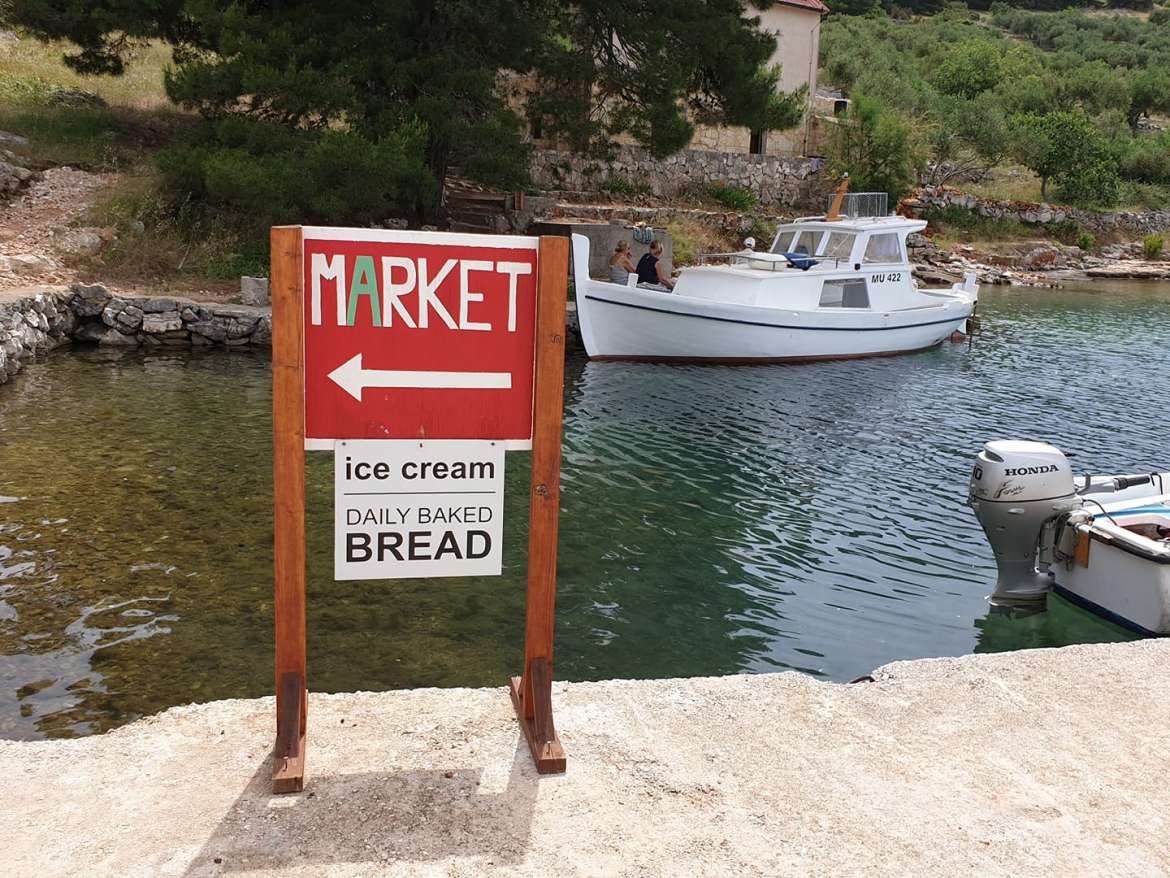
1. Meeting the successful shopkeeper on an island with no permanent inhabitants - Zut.
Successful Croatian businesses sometimes appear in the most unlikely of locations. Imagine coming up with an idea of opening a shop on an island where nobody lives permanently.
But you know what, it works! A really interesting interview with the shopkeeper on the island of Zut, and if you click on the link above, there is even a video demo of his wonderful cart pulley system, which operates on an island with no electricity.
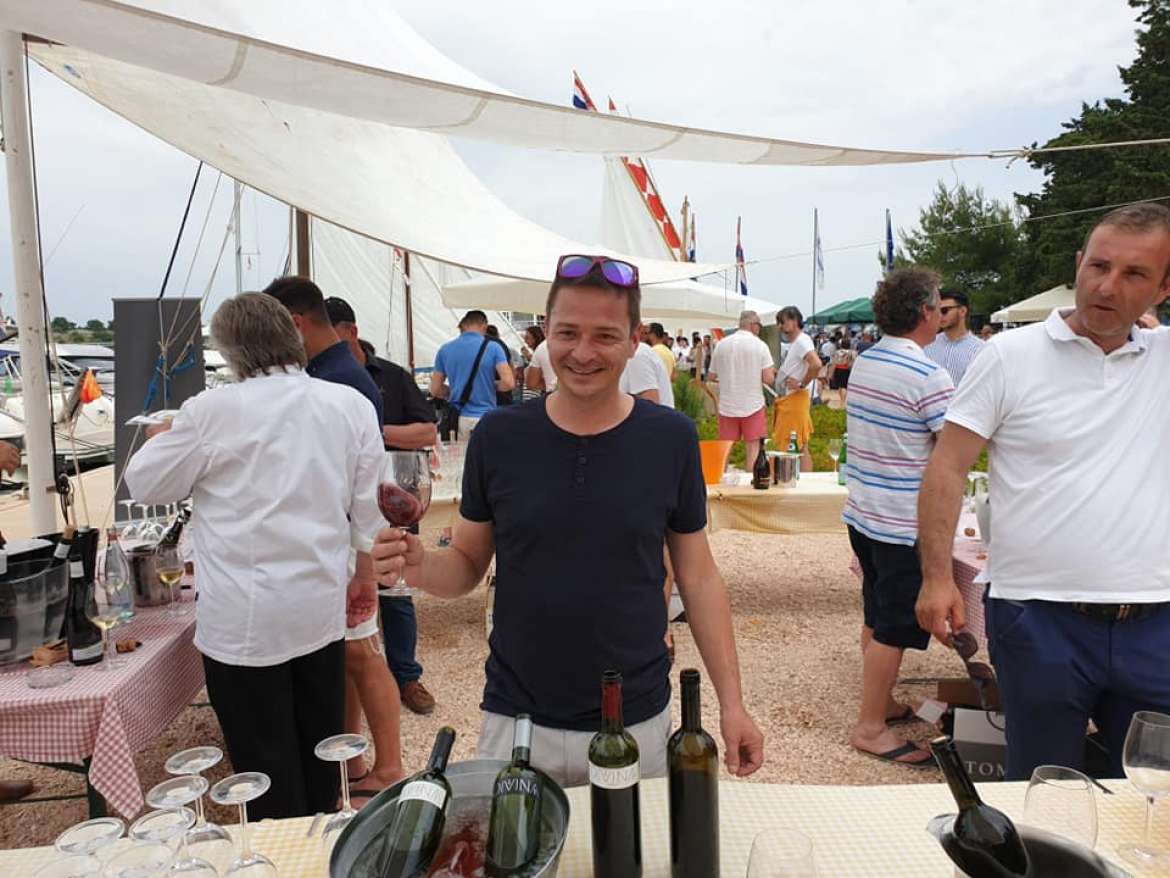
2. The only winemaker in Split, making wine in a nuclear bunker.
Croatia has some incredible wines and some very talented and charismatic winemakers, but have you ever met a winemaker who makes his wines in Split? In a bunker under a block of apartments?
And the wines are fantastic. Meet Divina Vina.
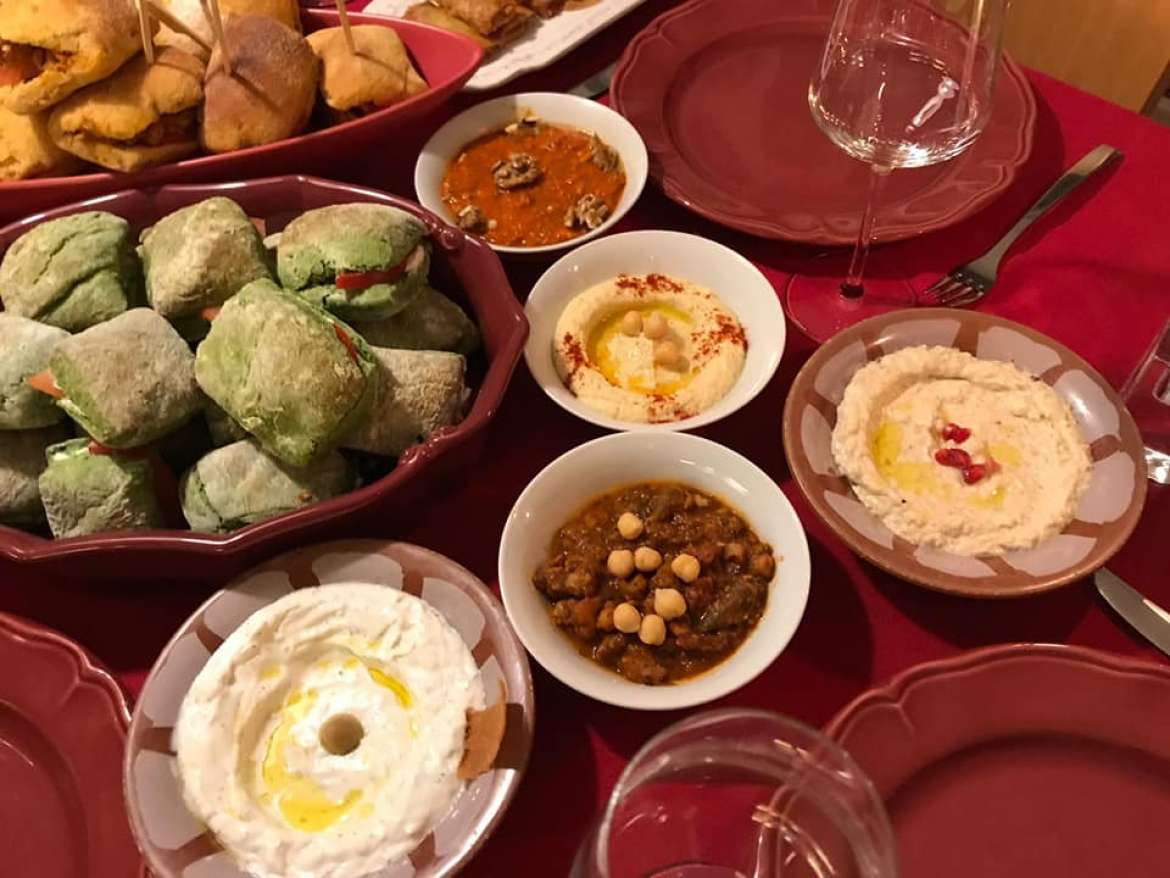
3. Biblos, a Lebanese treasure in the hills outside Zagreb.
One of the realities of daily life in Croatia is that things rarely go to plan, and often there is a pleasant surprise or diversion along the way. Hiring a van to collect a kitchen table from a garage west of Zagreb that we had bought on Njuskalo did not have much potential for a fun day out, especially when the garage owner did not turn up, but when life gives you lemons, Croatia sometimes gives you lemonade - in this case a quite incredible Lebanese restaurant around the corner.
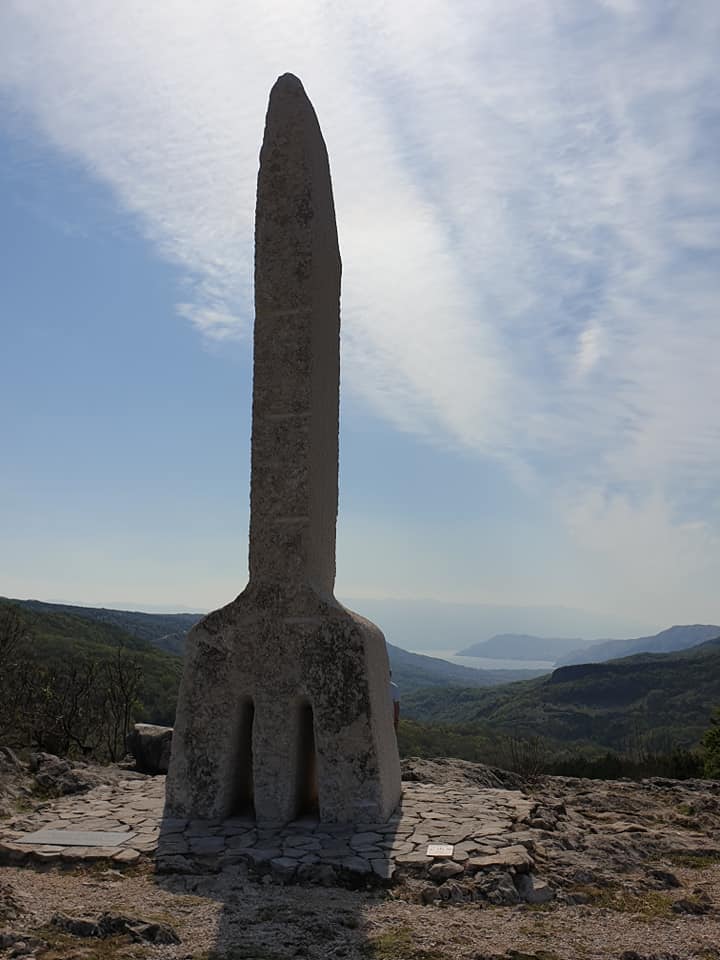
4. Baska, a Glagolithic masterpiece on Krk.
If there is one thing I have learned here, it is that Karin Mimica from Gastronaut puts on the best foodie tours. Through Karin's wonderful tours over the years, I have discovered the secrets of parts of Croatia I never knew existed. This year's Gastronaut highlight was the Krk Food Festival, and in particular, the Glagolithic magic of Baska.
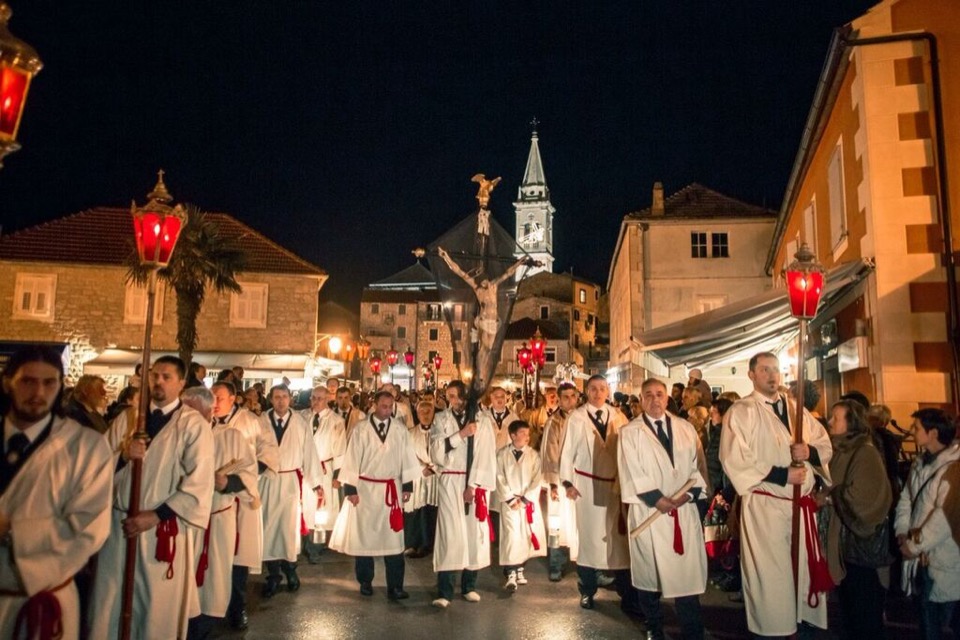
5. Za Krizen, 6 UNESCO processions through one incredible night on Hvar.
The most special night of the year on the island of Hvar - Maundy Thursday. The 500-year-old- 'Za Krizen' (Behind the Cross) UNESCO procession, which takes place simultaneously in six villages on Hvar, as a barefoot crossbearer leads his acolytes and pilgrims on a 22-kilomotre circular procession through the night. This year, I managed to capture the start, finish and all six processions passing though the main square of Jelsa on video.
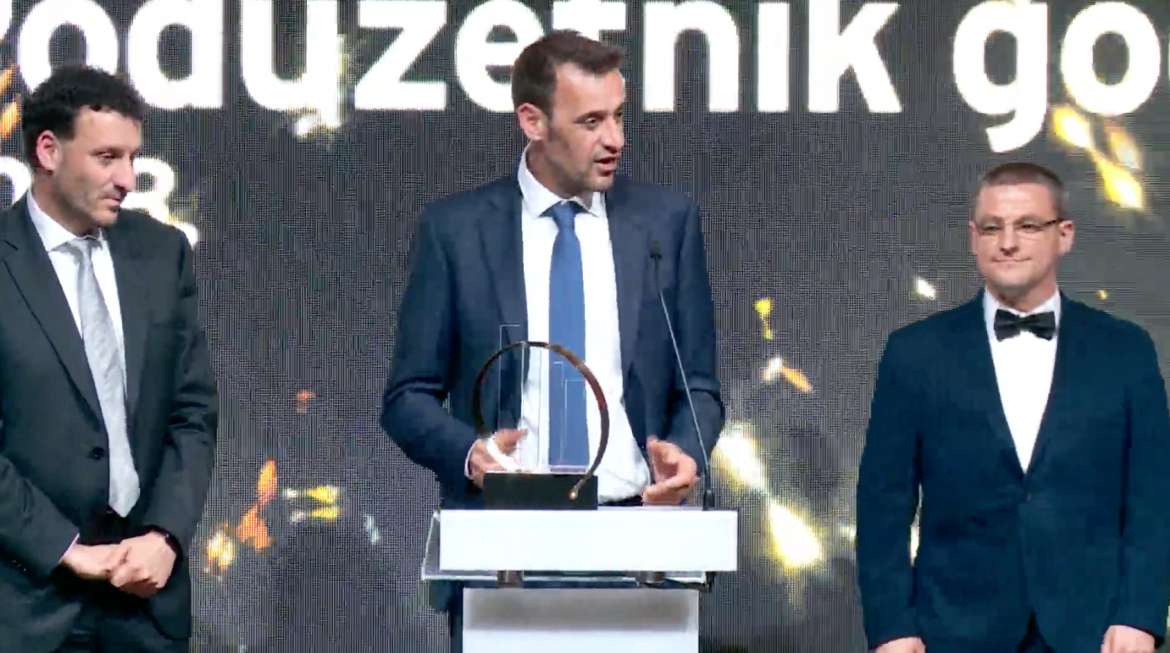
6. Hope for Hrvatska: the EY Entrepreneur of the Year dinner.
Croatia is not just a land of tourism. It also has a vibrant entrepreneurial scene, and one of the most positive nights of the year in a country which often thrives on negativity is the EY Entrepreneur of the Year dinner at Lauba in Zagreb. Infobip the worthy winners of 2019.
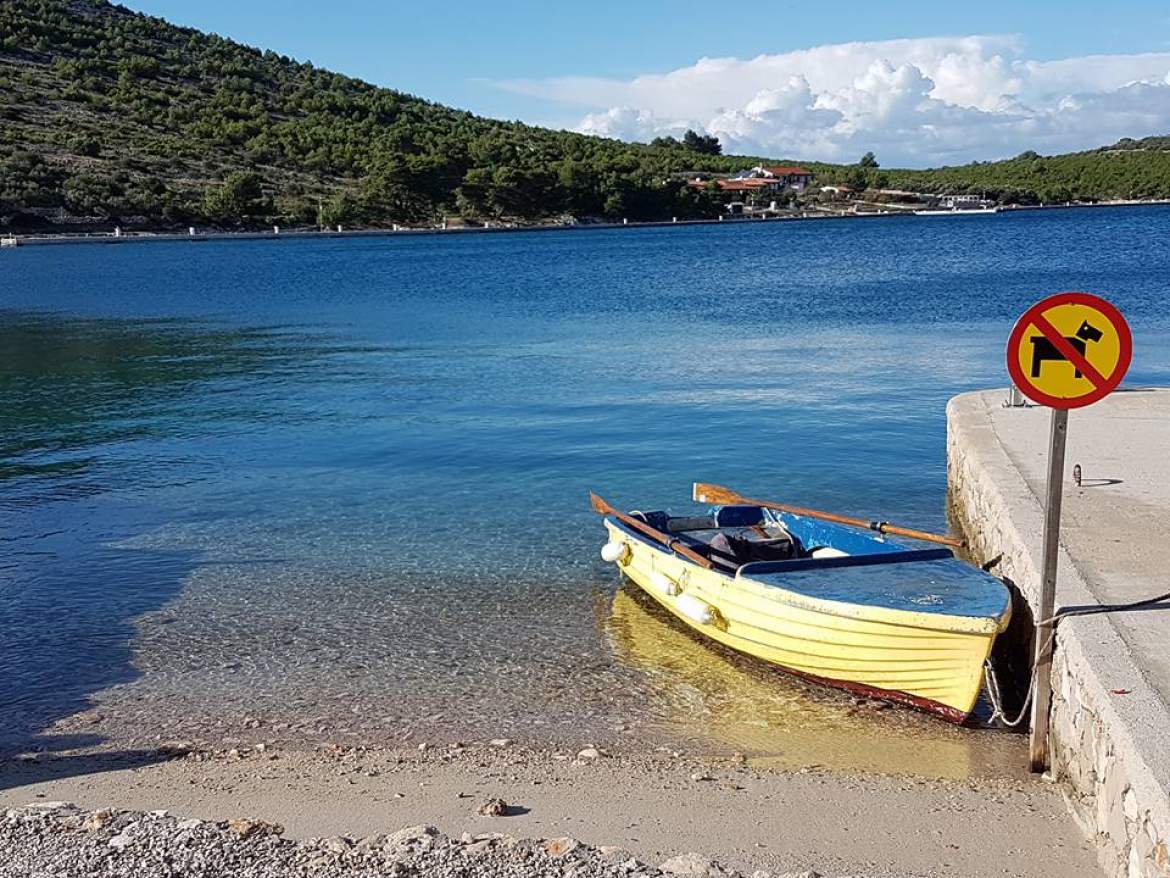
7. 5 Michelin Star Chefs on 1 Uninhabited Island - Festa Days on Zut.
The reason that I was able to meet the shopkeeper on Zut above, is that I was there for Festa Days on Zut, one of the culinary events of the year. And if you are looking for a great story, how about this one. A family with land on an island with no water, electricity or ferry connections decides to open a quality restaurant in 1993, in the middle of the war. How would you rate their chances of success? Some 26 years later, no less than five Michelin-star chefs accompanied 5 of Croatia's top chefs for a gourmet bonanza - I think Festa more than exceeded 1993 expectations, don't you?
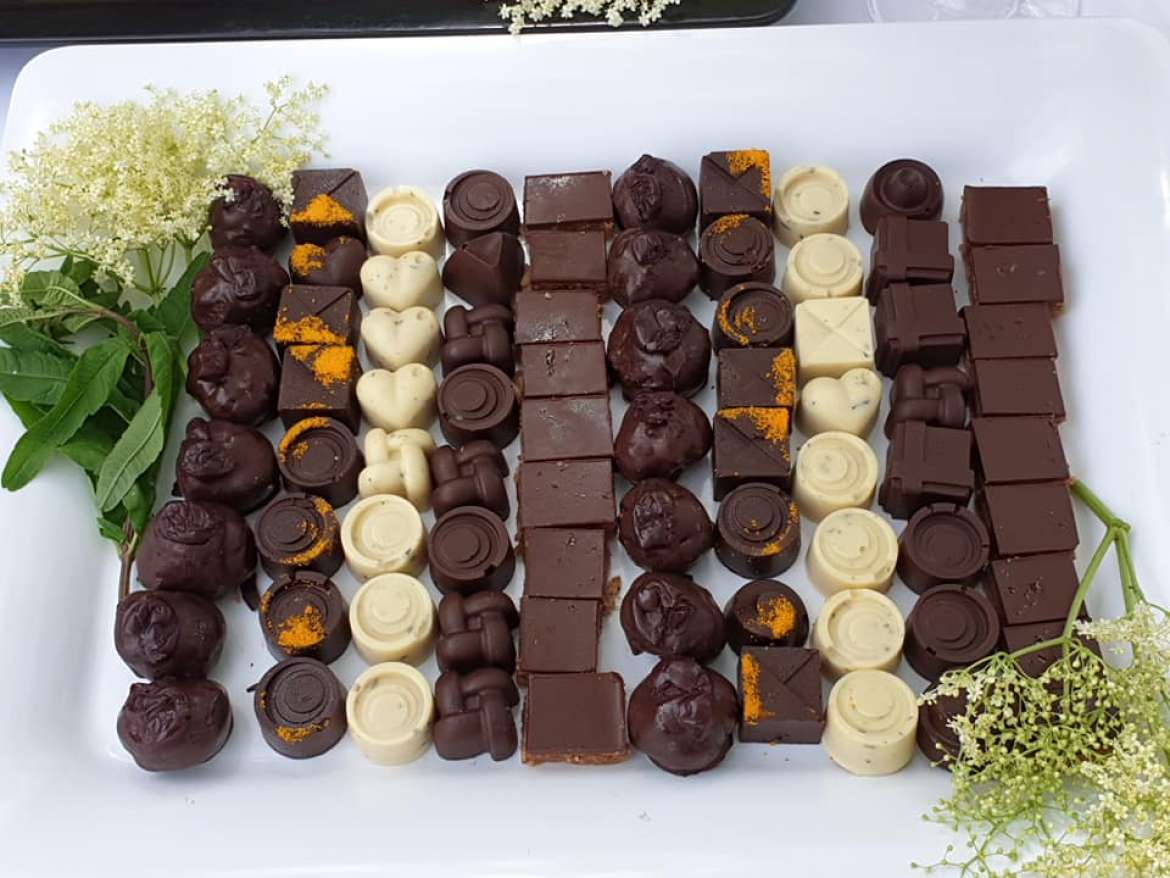
8. Korculanske Pjatance, a Spring Food and Wine festival of note.
For excellent food and wine festivals, however, few beat the excellence of Korculanske Pjatance Spring Food and Wine Festival on Korcula - a really special time to visit a very special island at the end of April/early May.
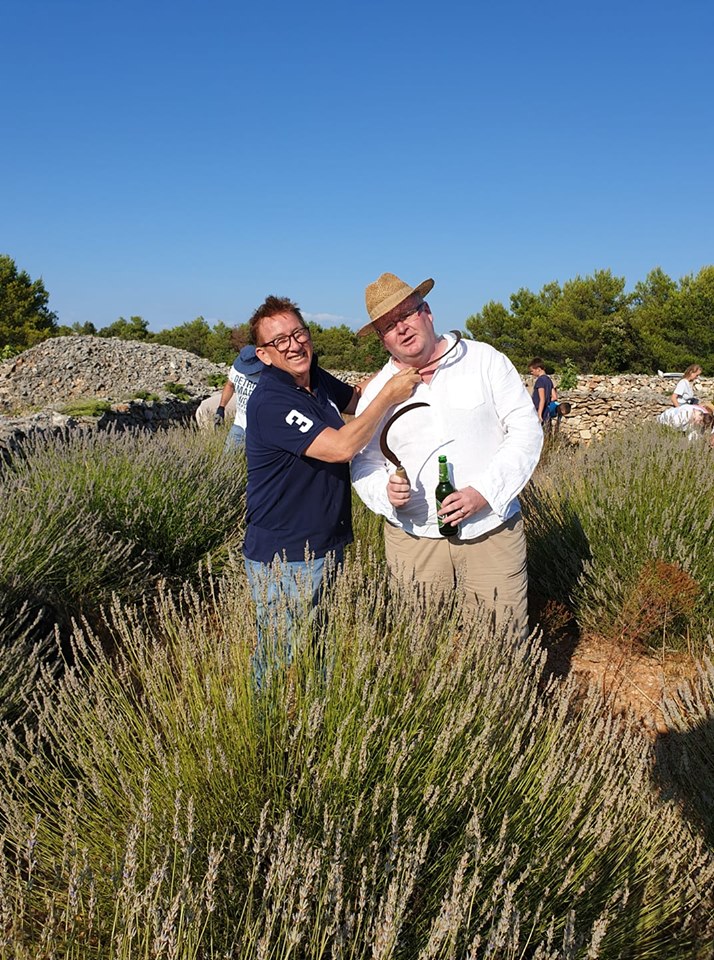
9. Harvesting lavender on the top of Paradise.
But for special times and aromatic authenticity, nothing beats a 04:30 start in early July on Hvar - harvesting lavender with celebrity snapper Jadran Lazic has been part of my summer calendar since 2013, this year with wonderful a capella singing from the local lavender harvesters.
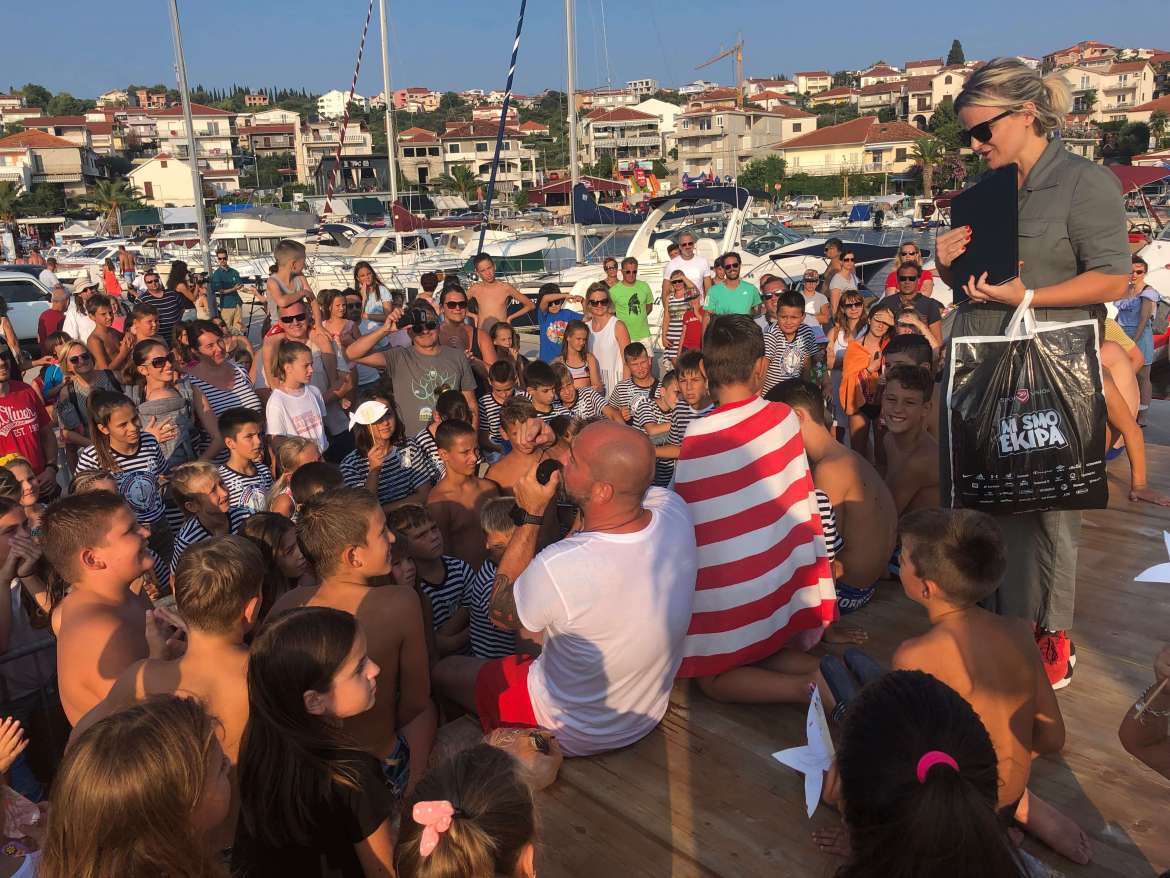
10. RokOtok, the most heartwarming project on the Adriatic in 2019.
And then I met him - Ribafish. Simply the most heartwarming project on the Adriatic in 2019. And it will be again in 2020 and 2021. Wonderful man, wonderful project, check it out.
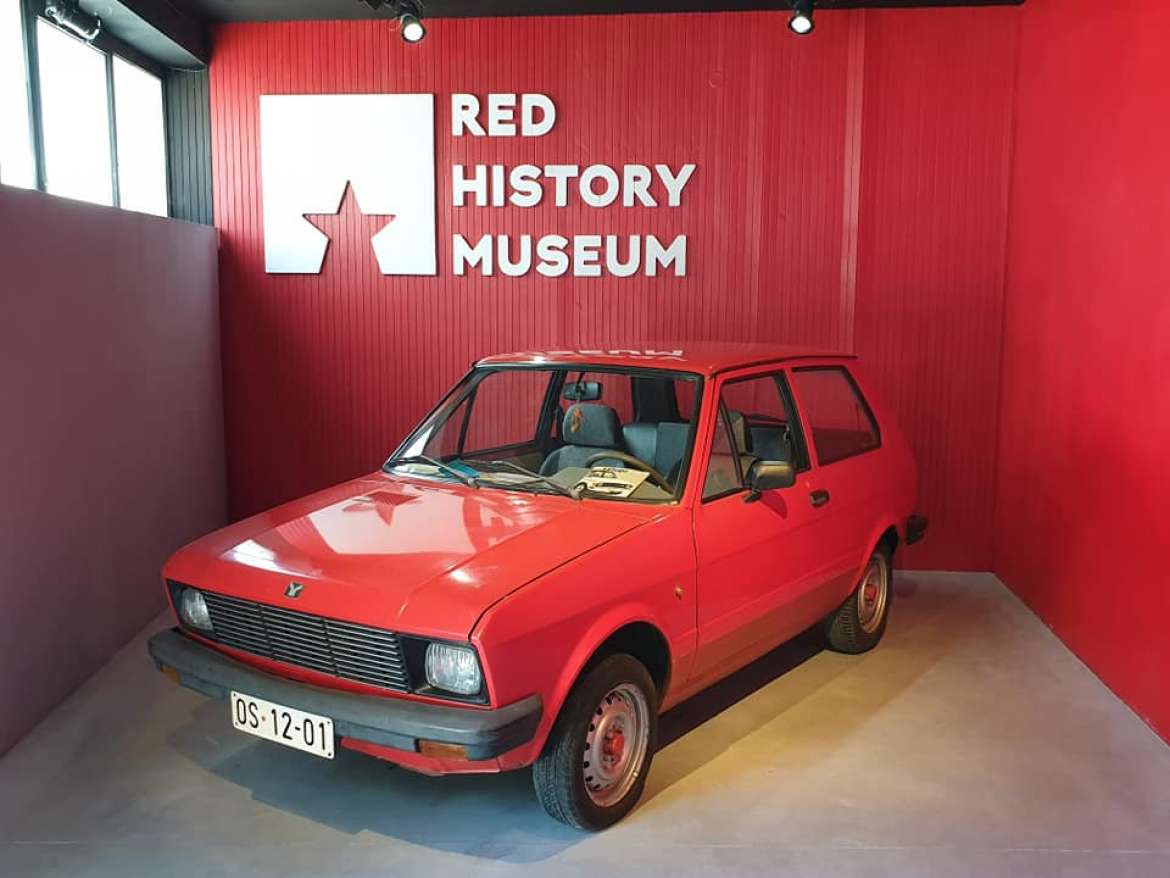
11. The amazing Red History Museum in Dubrovnik. The Good, the Bad and the Ugly.
The very mention of Tito or a red star evokes such an allergic reaction in many that I was stunned to learn that the Red History Museum had opened in Dubrovnik, of all places. Whatever your views of the past, it is hard to deny that this is part of Croatian history, and the two guys behind the project put together a brilliant exhibition of the good, the bad and the ugly of this most contentious of eras. Despite the seeingly controversial topic, it quickly went to the number one museum in Dubrovnik on TripAdvisor.
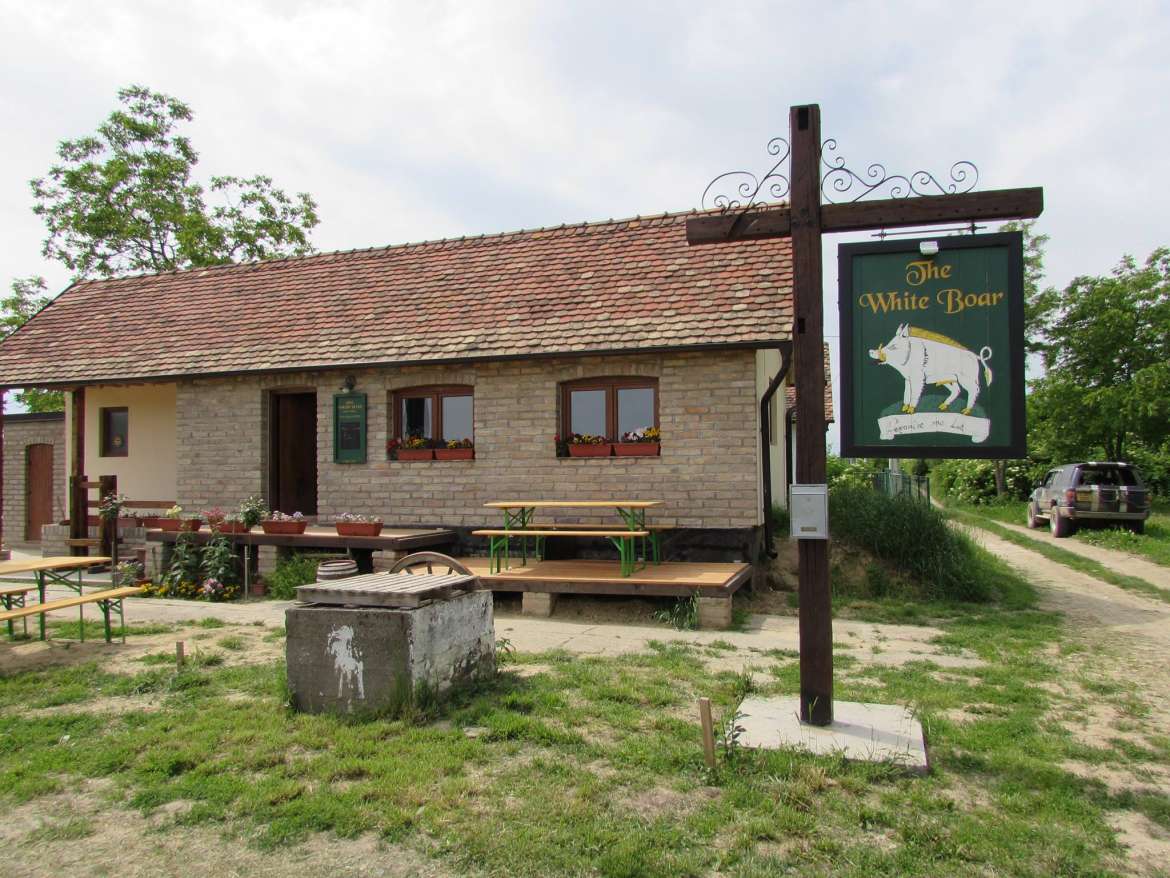
12. Finding an English pub in a field in the middle of nowhere in eastern Croatia.
The most random find of the year. Having found the red telephone box in Vinkovci in the lead photo, a little investigation informed me that there was a Brit who was not only responsible for that but had also opened an English pub in a field in the middle of nowhere a few kilometres away. I set off in search of it...
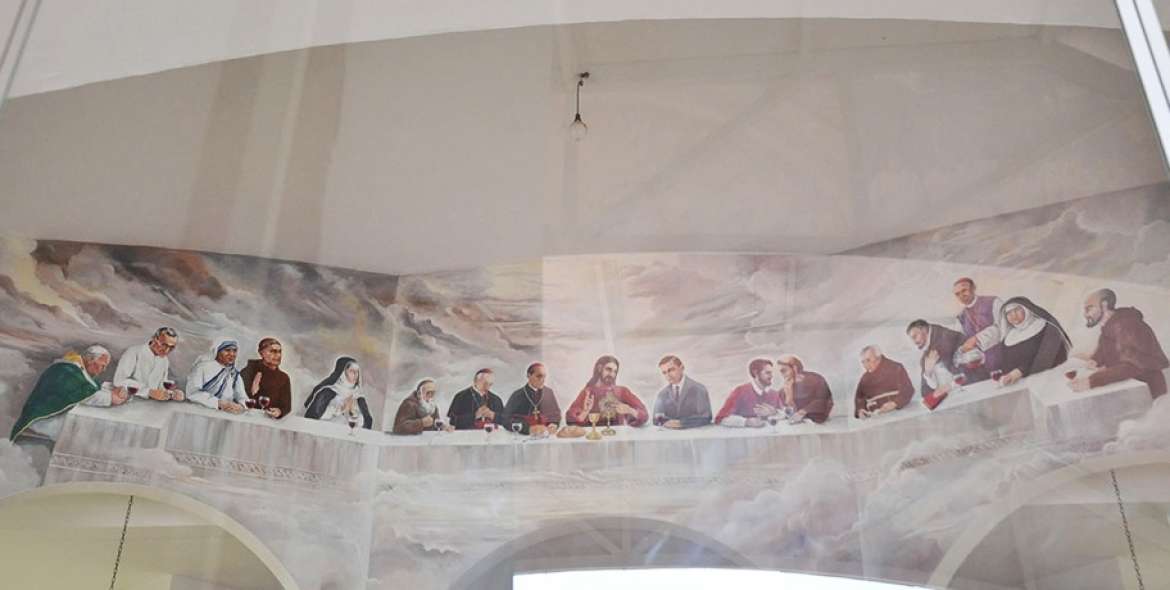
Croatia is 90% Catholic, and neighbouring Medjugorje in Bosnia and Hercegovina gets over a million tourists a year, despite there being nothing to see and no official recognition from the Vatican. Now, what if I tell you that not only does Croatia have a miracle authenticated by the Vatican, but you can also visit it, in Croatia's official miracle town.
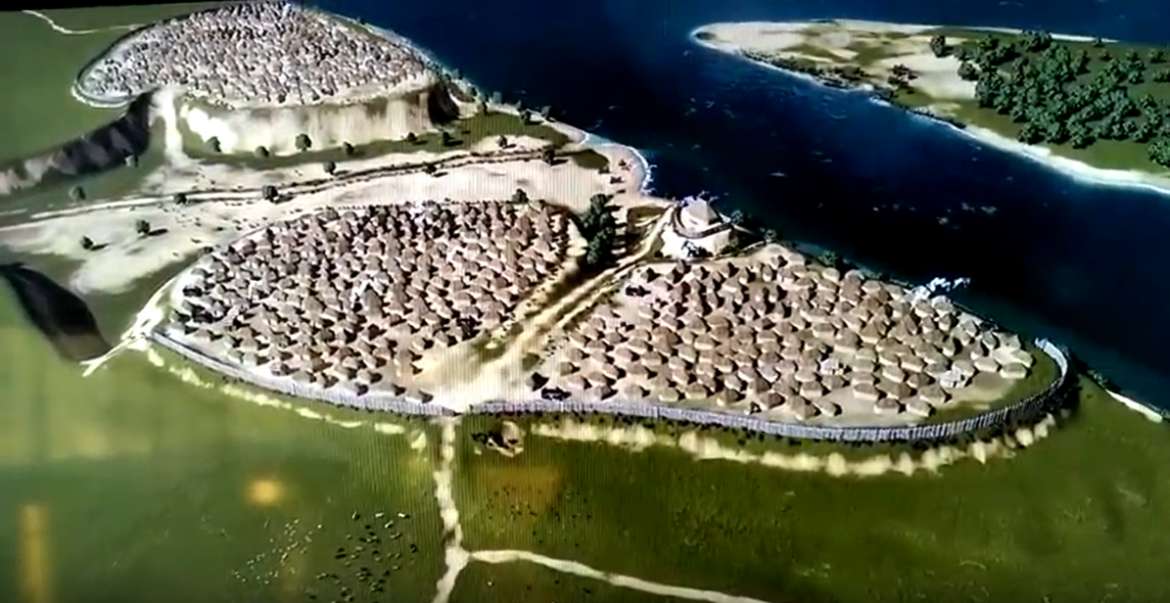
14. Vucedol, unique Croatia with a world-class product.
Vudecol. Just wow. One of the absolute must-sees in Croatia. Sadly seen by so few.
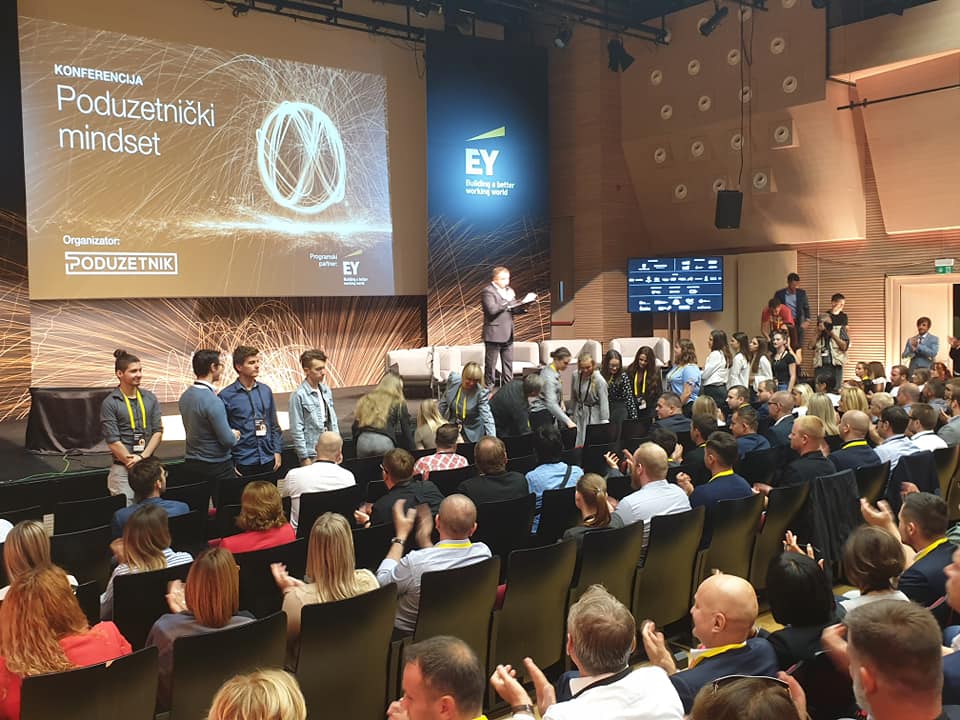
15. The Entrepreneurial Mindset conference in Zagreb.
Those entrepreneurs are getting more organised and more vocal. The conference of the year - Poduzetnik Mindset - (Entrepreneurial Mindset) was held in Zagreb in September. Rimac, Bakic, Murvos, Tedeschi, Bagatin and many other superheroes from the Croatian business world shared their stories - and their failures. And the most impressive part? In the front row, there were no ministers, but high school students - what a way to inspire the next generation.
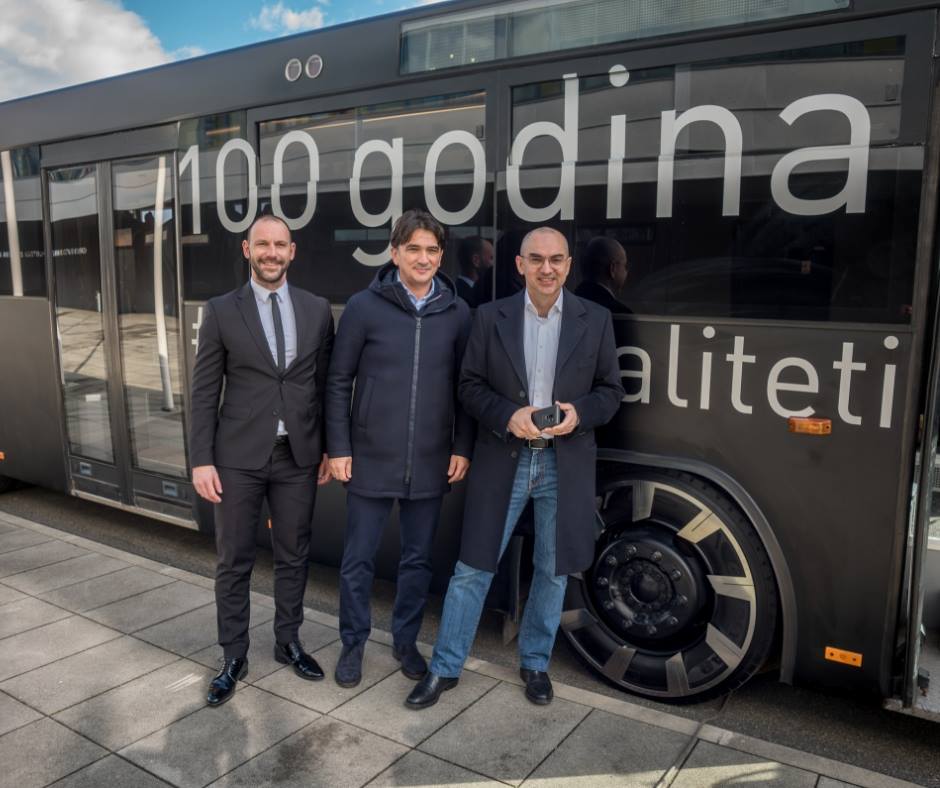
16. Reviving a Croatian fashion giant - a visit to Nenad Bakic and Varteks.
One of the most engaging business stories of the year has been the rebirth of Varazdin fashion giant, Varteks, under the dynamic leadership of Nenad Bakic. There are so many aspects to this story which deserve attention, and we only touched on a few of them in this interview in his Varteks office earlier this year.
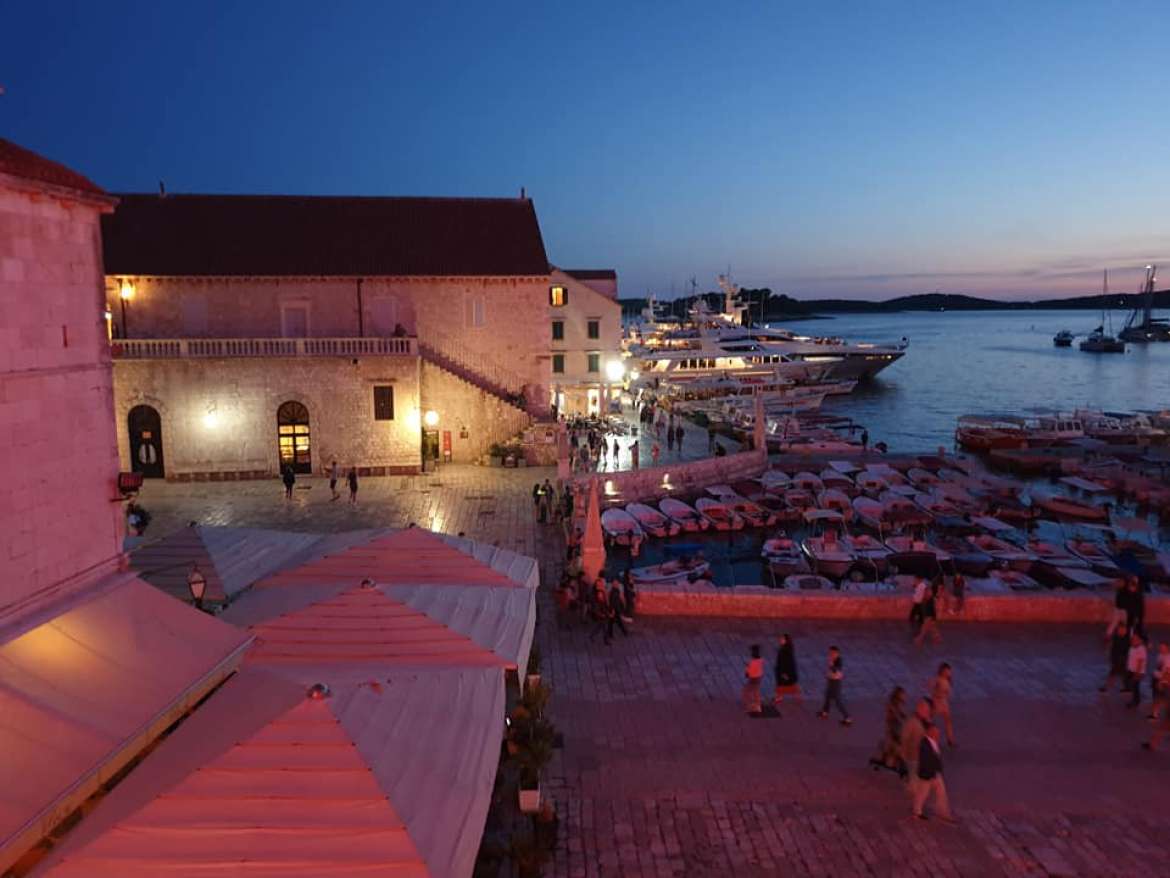
17. Elite tourism on Hvar: the opening of 5-star Palace Elisabeth.
My beloved Hvar kept calling me back, and it is always a joy to visit Croatia's premier island, especially for the official opening party of Palace Elisabeth, heritage hvar hotel, the first 5-star hotel on the island. It was quite a party, and it is quite a hotel.
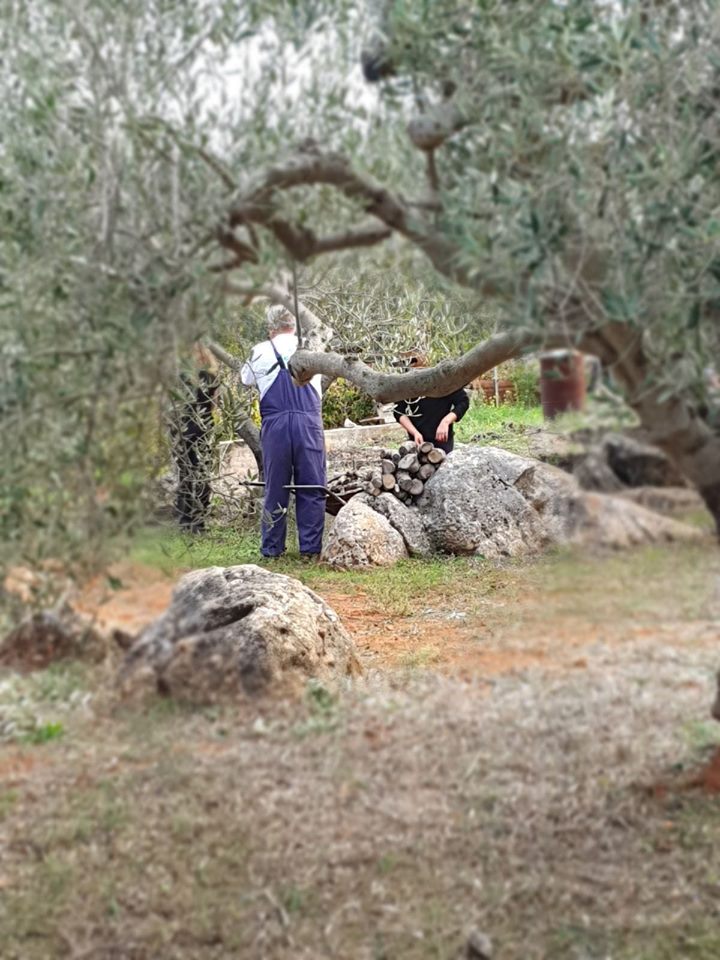
18. The lifeblood of Dalmatian life - the olive harvest.
Posh hotels are one thing, but life in Dalmatia comes down to the simple things. I used to hate the olive harvest and obligation to go to the family field, but it is now something I look forward to - natural stress relief with liquid gold.
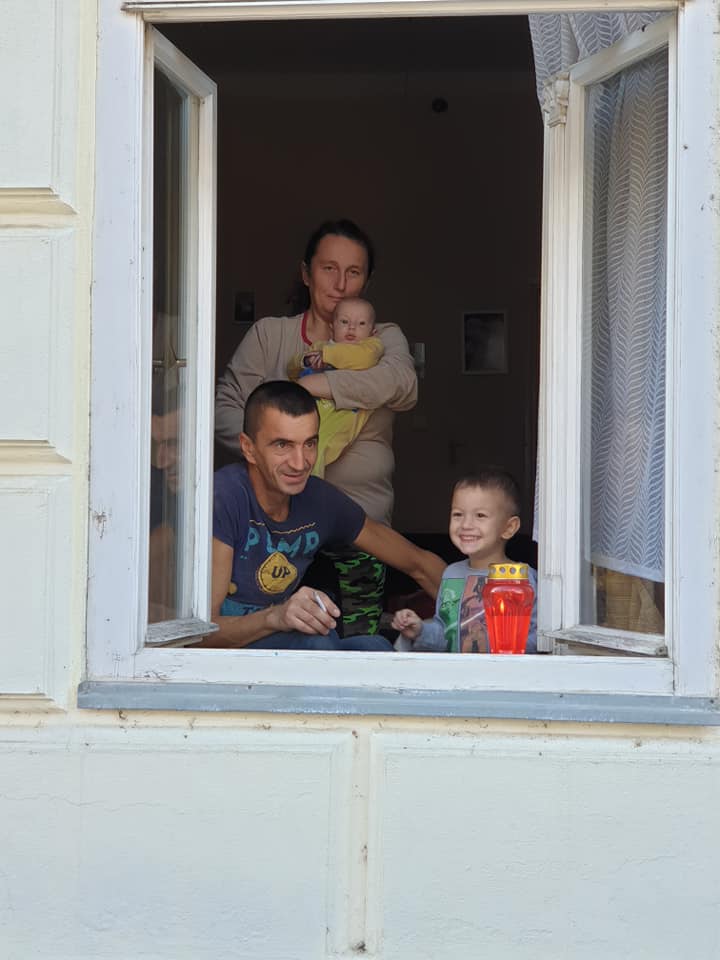
19. Taking part in the Vukovar Remembrance Day parade.
From stress relief to heightened emotion. I have always stayed away from Vukovar commemorations, as I felt a foreigner did not have a place there, but I decided to go this year to at least document the event in English, as nobody really had.
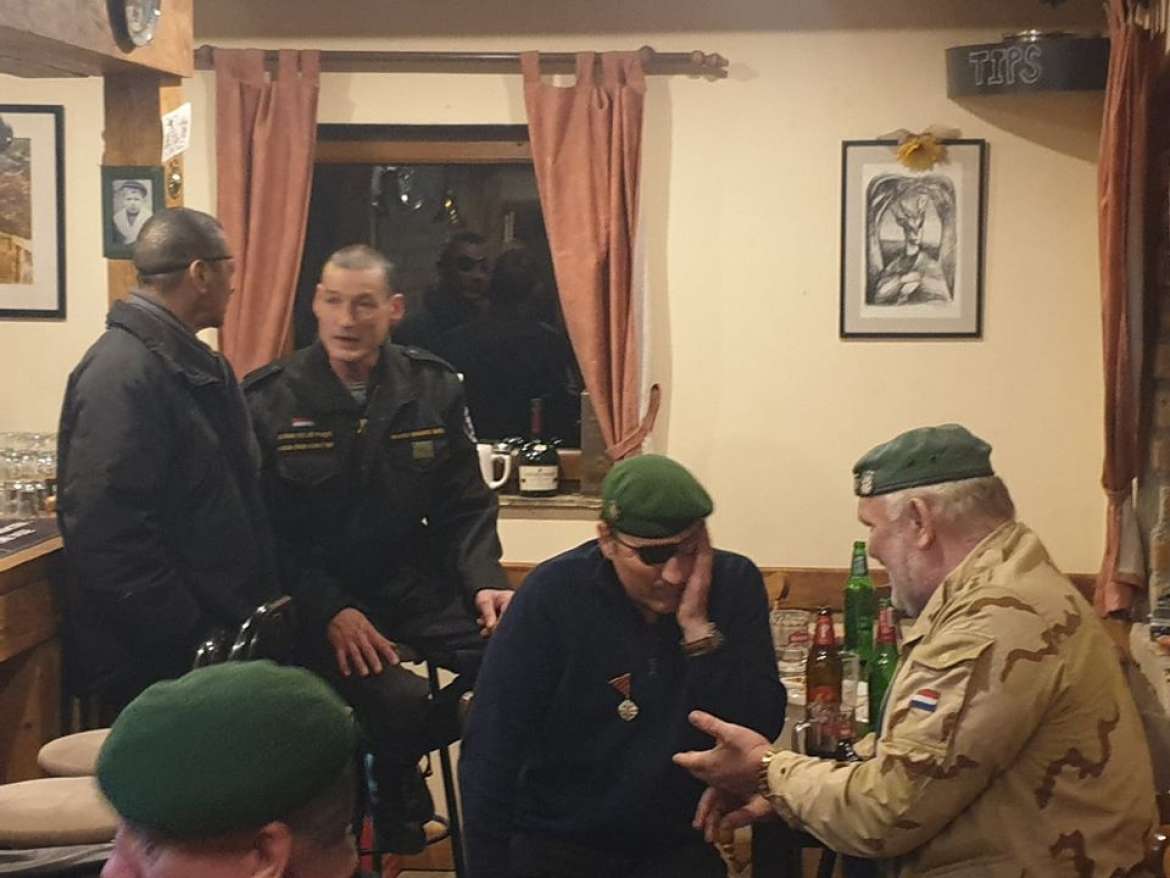
But these foreigners very much belonged to the Vukovar gathering - a quite extraordinary night back in that English pub, with a barbecue for some of the foreign veterans who fought for Croatia during the Homeland War.
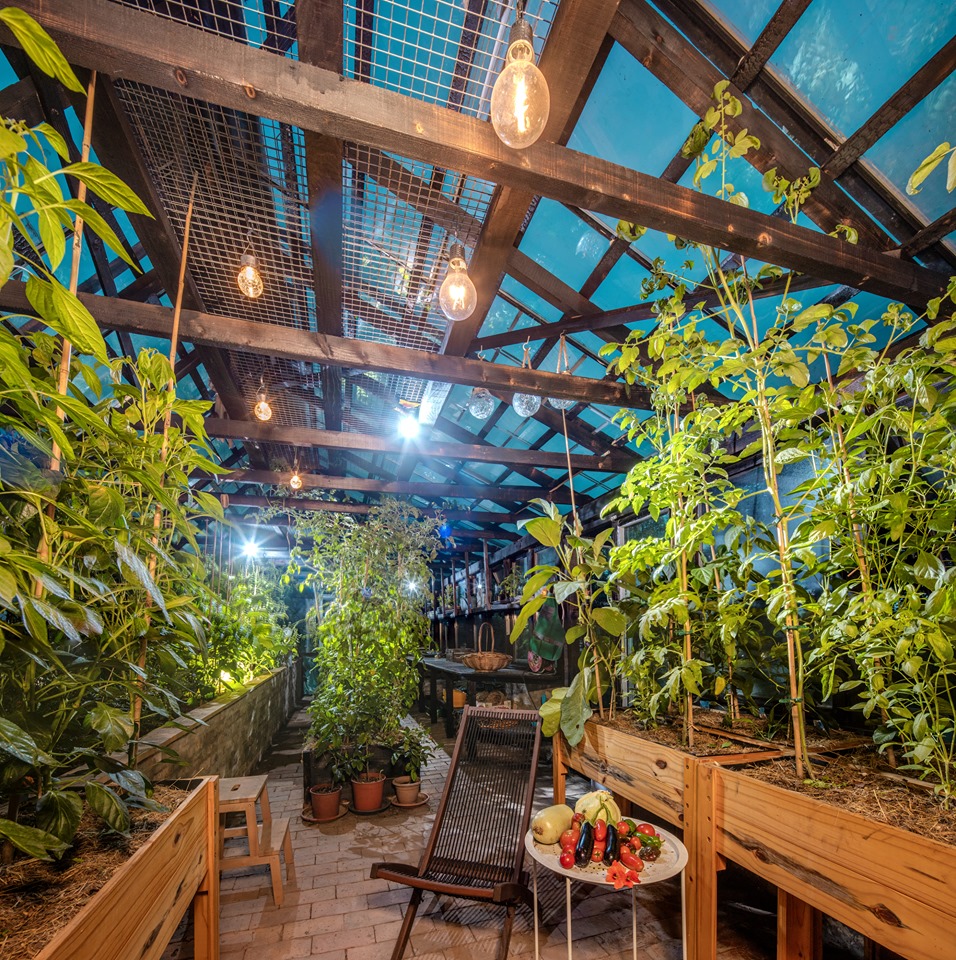
21. From famous photographer to organic farmer, the OPG Mario Romulic experience.
Although I had been east before, 2019 was the year when I made the most discoveries. One of my favourite was catching up with an old friend on a new journey - celebrated photographer Mario Romulic, turned organic farmer. A stay at OPG Mario Romulic is highly recommended!
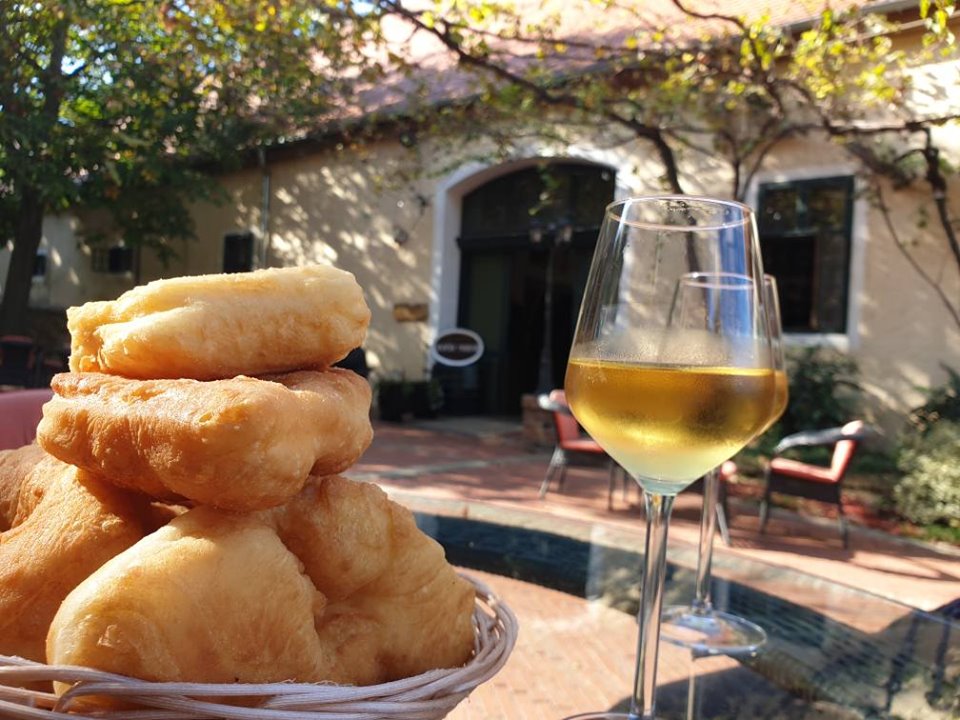
22. Ilocki Podrum, a wine story to beat all Croatian wine stories.
I have eaten some strange-sounding foods in my time, but Torn Underpants? That was the name of the appetiser in Ilok which came with a glass of Ilocki Podrumi Traminac, before the start of a fascinating tour which included the most expensive Croatian wine on the market - yours for just 7,400 euro a bottle. Only 182 left, so hurry!
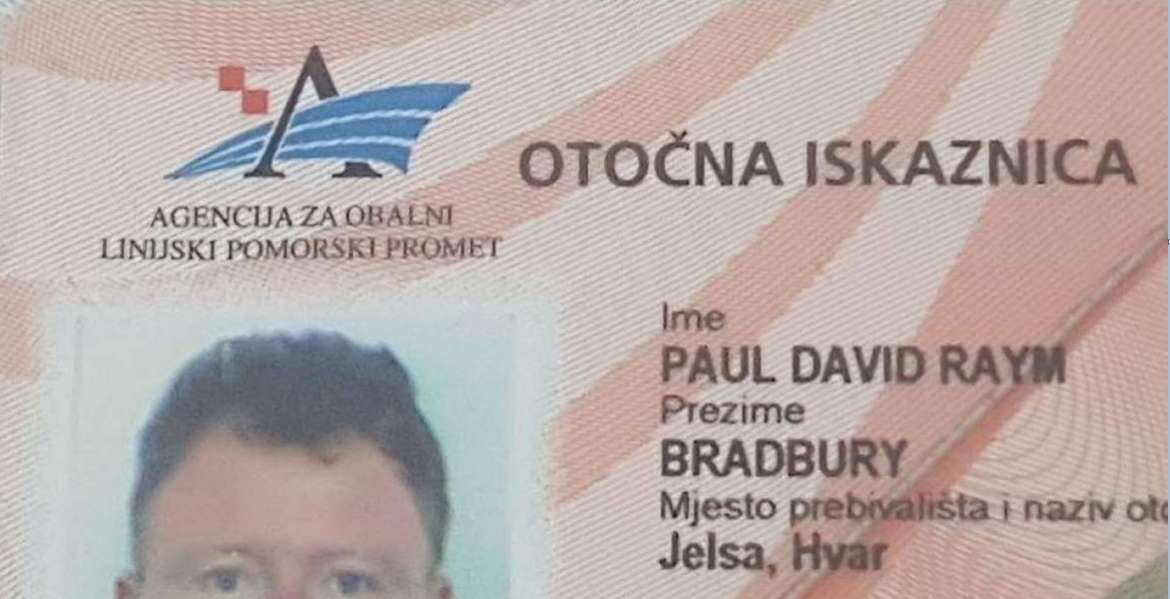
23. Conquering Croatian bureaucracy, a victory for long-named foreigners.
Among the most important incredible discoveries of 2019, Croatian bureaucracy that works! Varazdin MUP not only managed to figure out how to extend my name from Paul David Raym to Paul David Raymond after years of my name being squeezed on official documents, but they also sorted my post-Brexit paperwork in just 18 minutes, the time I took to sort out a new driving licence.
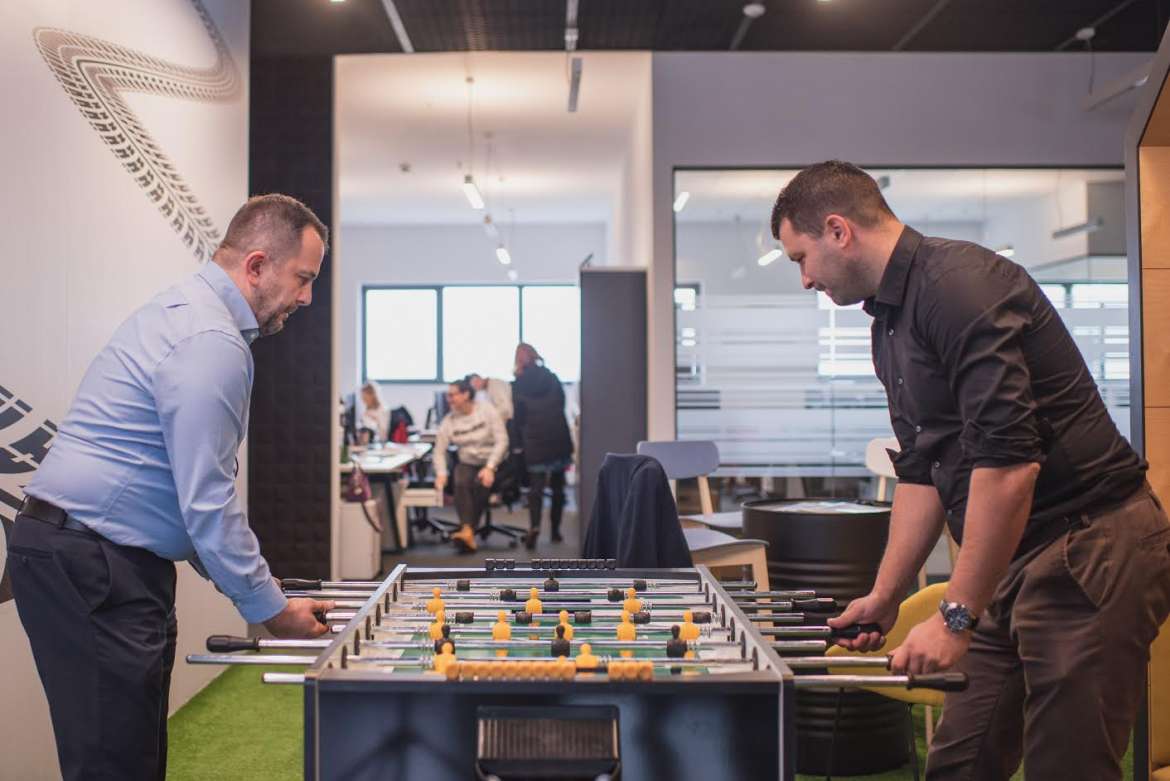
Remember the bit above about how days in Croatia never take the path you think they will? How excited was I about visiting a car parts factory in Sesvete? Exactly.
But how wrong could I be? Read. This.
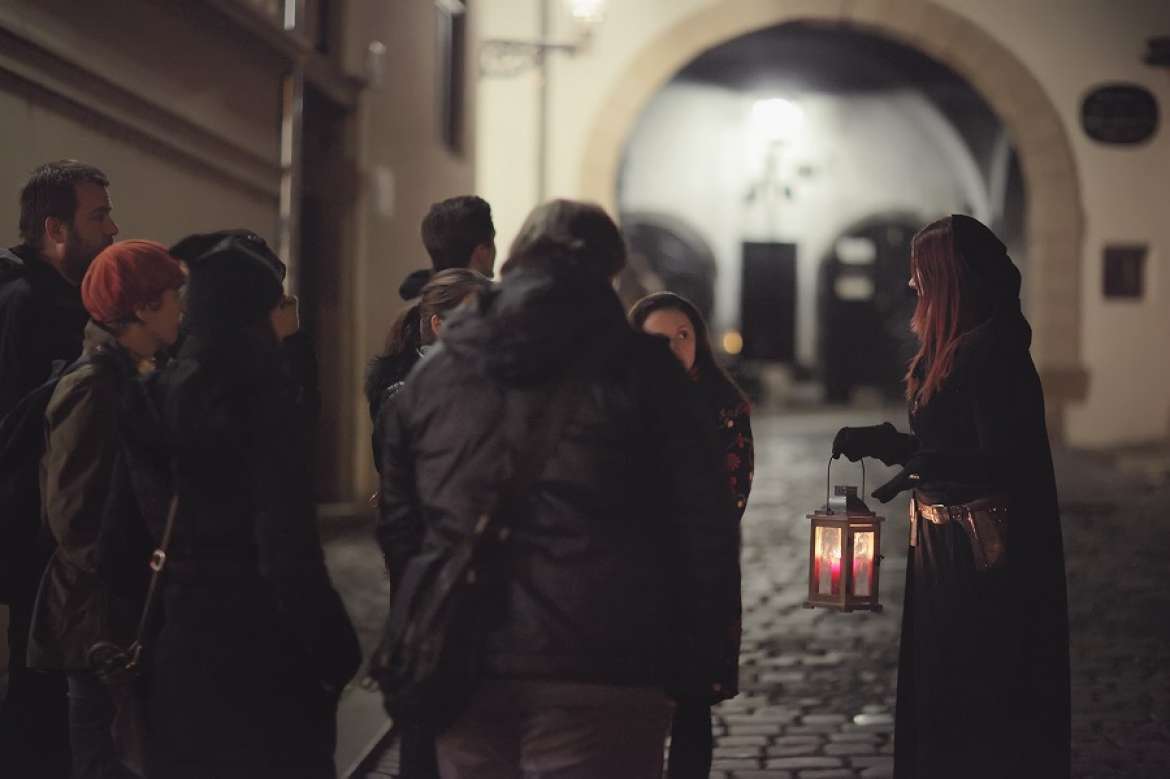
25. Innovative tours, engaging guiding, a masterclass in tourism from Secret Zagreb.
How do you keep your kids off their gadgets and engage them in the world around them? Just go in a tour with Teta Iva from Secret Zagreb. Not only the most innovative tours on the market, but also arguably delivered by the most engaging and passionate guide, the creator of all Secret Zagreb tours, Iva Silla. Truly magnificent.
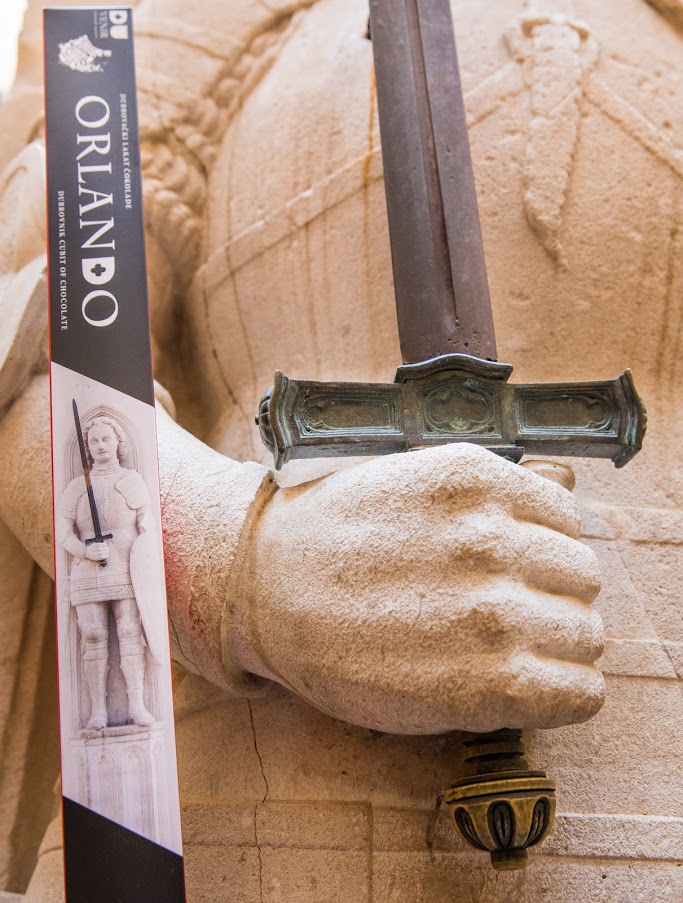
26. Innovative souvenirs - Orlando's chocolate elbow in Dubrovnik.
There are so many small businesses doing funky things in Croatia, and I particularly liked this very original Dubrovnik chocolate souvenir, the exact length of Orlando's elbow.
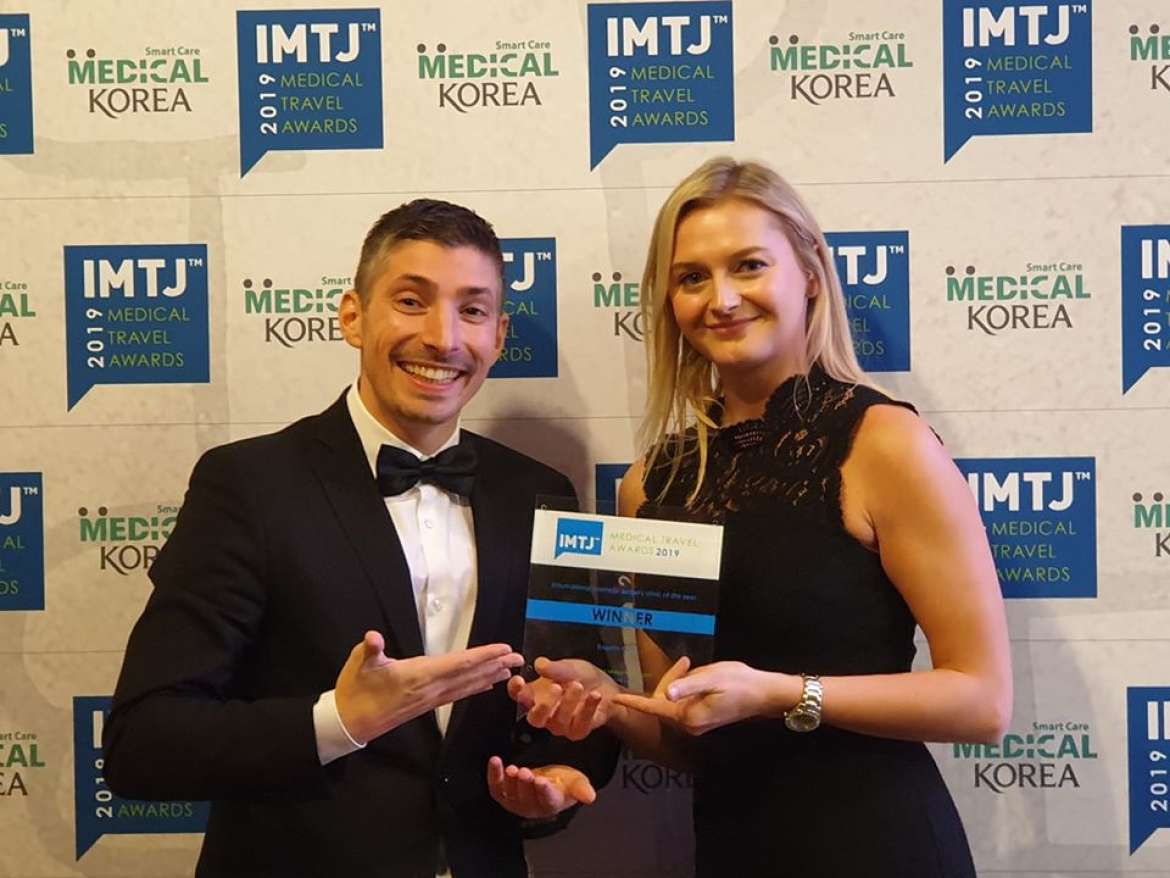
27. The Pride of Berlin: Bagatin named International Cosmetic Surgery Clinic of the Year.
If Vukovar evoked strong emotions of sadness, the strongest moments of pride were reserved for Ognjen and Andrea in Berlin earlier this month. The Croatian medical tourism industry is one I am following closely, and it was an honour to be one of just two others from Croatia to witness Bagatin Clinic named International Cosmetic Surgery Clinic of the Year by 20 independent expert judges at the International Medical Travel Journal 2019 awards in Berlin. Congratulations, and richly deserved.

And having solved the puzzle of the red telephone box in Europe's oldest continuously inhabited town, it was time to discover the rest of Vinkovci under the expert guidance of Goran Rihelj. I salute you, Sir!
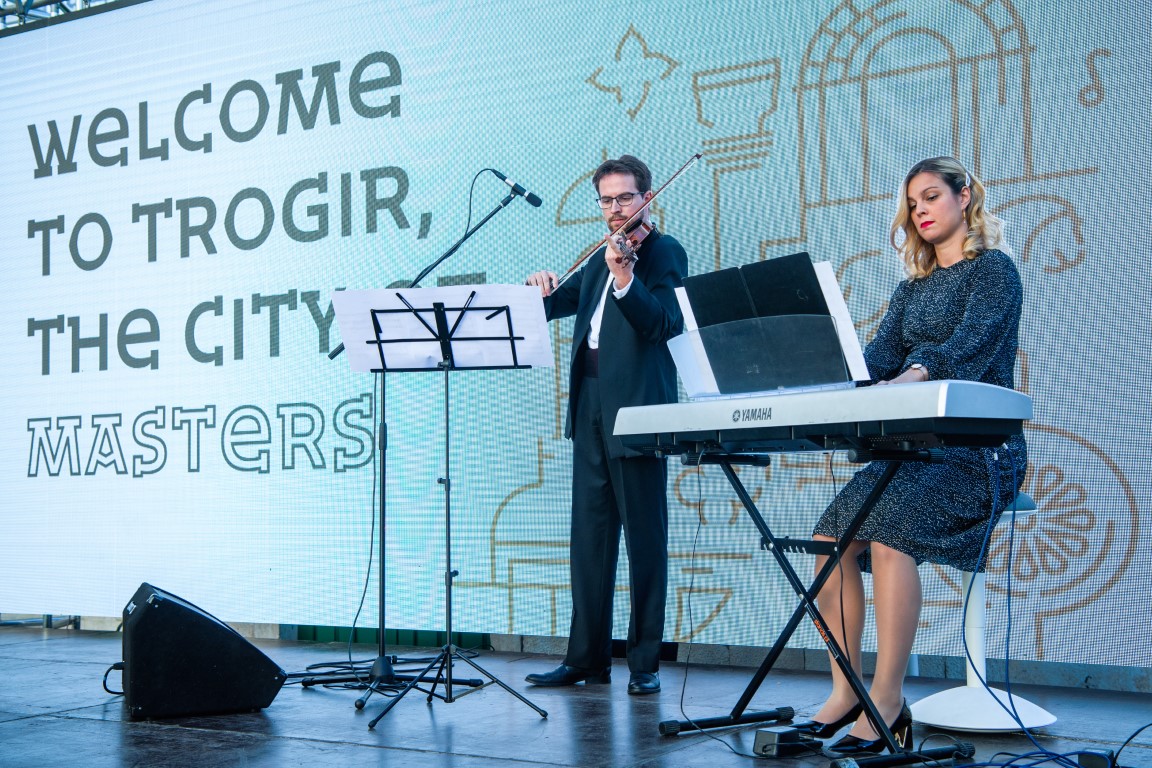
29. Marked by Masters, a branding masterclass in Trogir.
Dalmatia in late November is not noted for being a time it is Full of Life, but there was a very notable exception. And an exceptional one. In glorious Dalmatian sunshine, Trogir shone - but really shone - with the spectacular launch of its new branding and logo, Trogir, Marked by Masters.
Check out the video above.
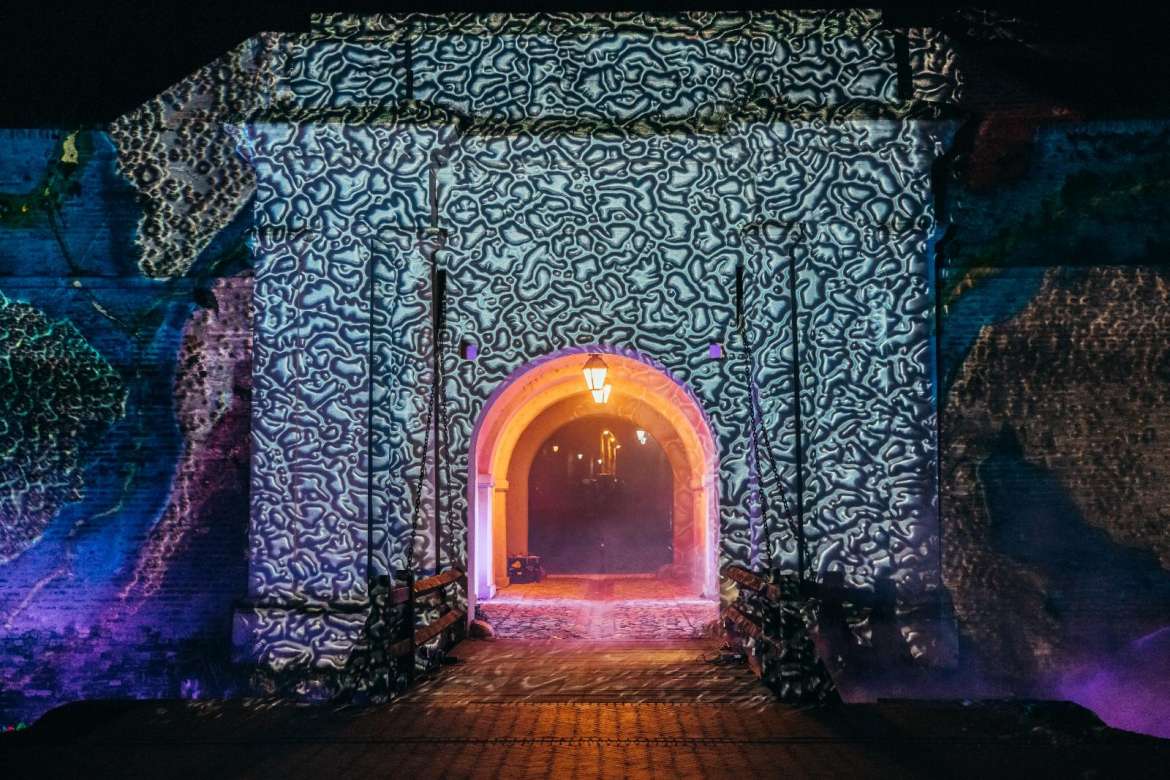
30. HeadOnEast - Hedonist, magical Osijek stuns the Croatian tourism world.
But just as Trogir shone, so too did Osijek, as it played host to all the tourism bods at the annual Days of Croatian Tourism. Even locals were stunned at the magic of Osijek and Tvdja.
And if you have not had the chance to HeadOnEast yet, why not put it on your list of things to do for 2020?
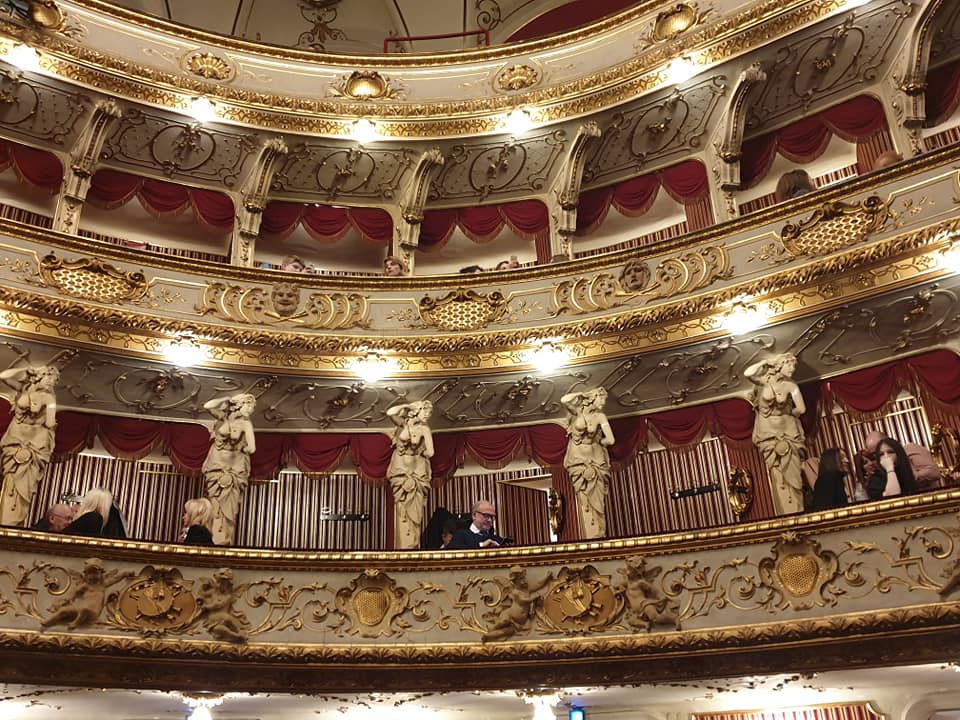
And then there were the events I have not yet had time to blog about - a superb performance of The Nutcracker at the Croatian National Theatre (thank you, Ankica Mamic - an incredible night).
And while 2019 was another year of incredible discoveries of Croatia, it also pushed TCN into new territory in other directions.
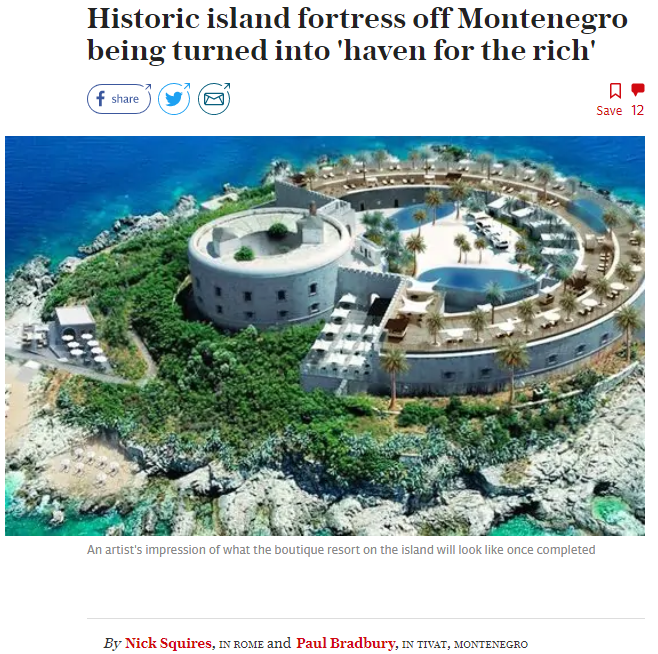
A first article for The Daily Telegraph.
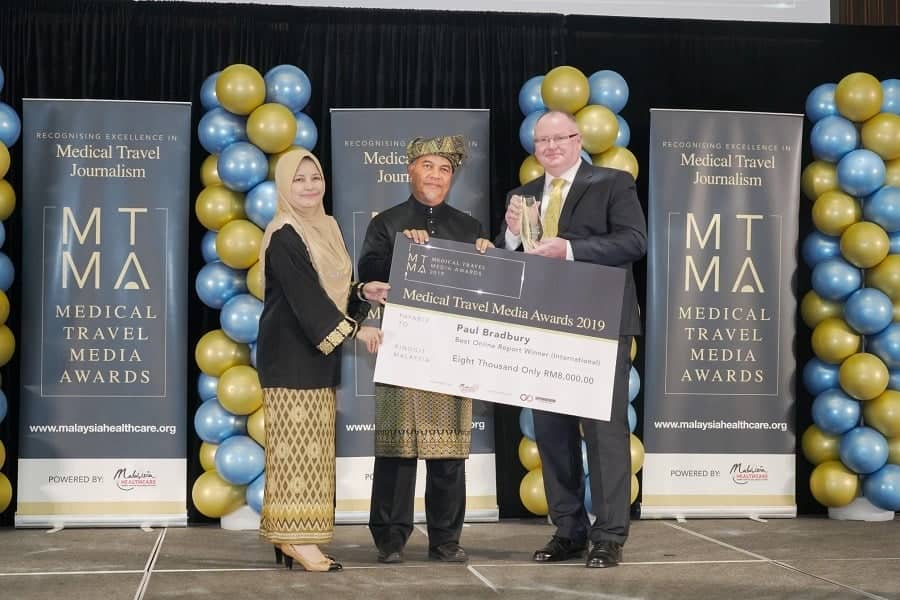
A first international media award for TCN. In Malaysia!
We were thrilled to win Best Online Feature at the inaugural Medical Travel Media Awards in Kuala Lumpur in August.

My childhood dream of becoming an international male model was finally realised at the age of 50 as I became the latest face of Varteks' campaign, Imperfect Guy in a Perfect Suit. If they can make me look presentable, imagine what they can do for you...
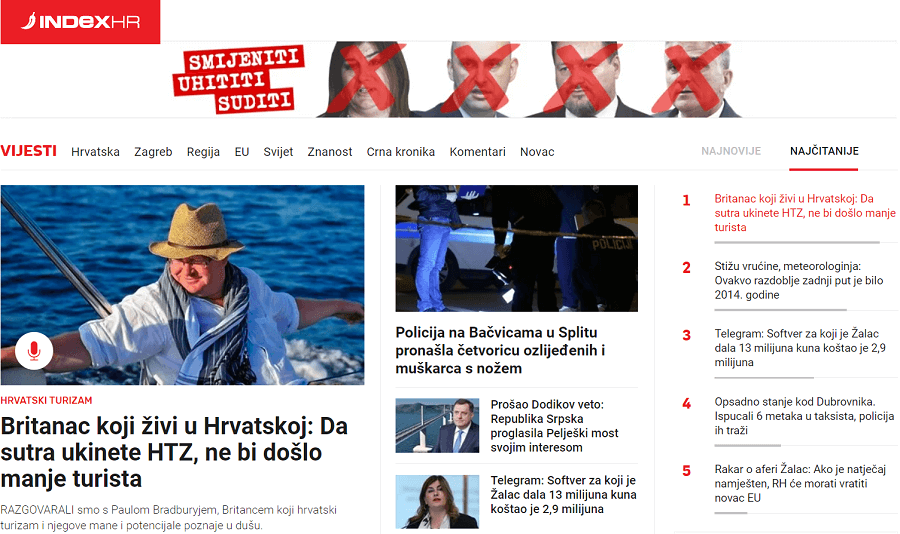
After an interview with leading portal Index.hr on the state of Croatian tourism was read over 100,000 times, I got my own occasional column on their site - link juice to die for. Thanks for the opportunity.
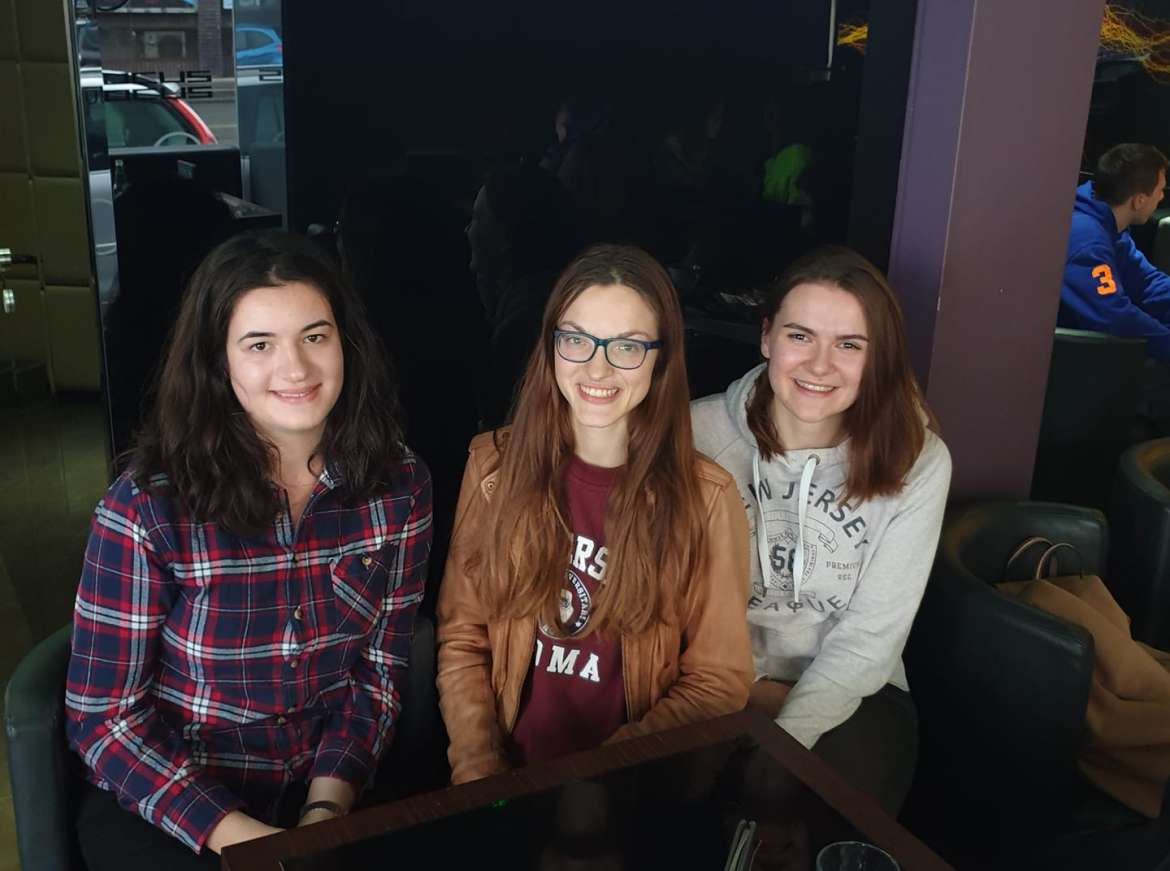
And speaking of opportunity, an opportunity arose to partner with the University of Zagreb to start an intern programme with journalist students from the Faculty of Political Science and Journalism. Early days and lots of fun so far, with one intern about to be published in London just a few weeks after starting with TCN.
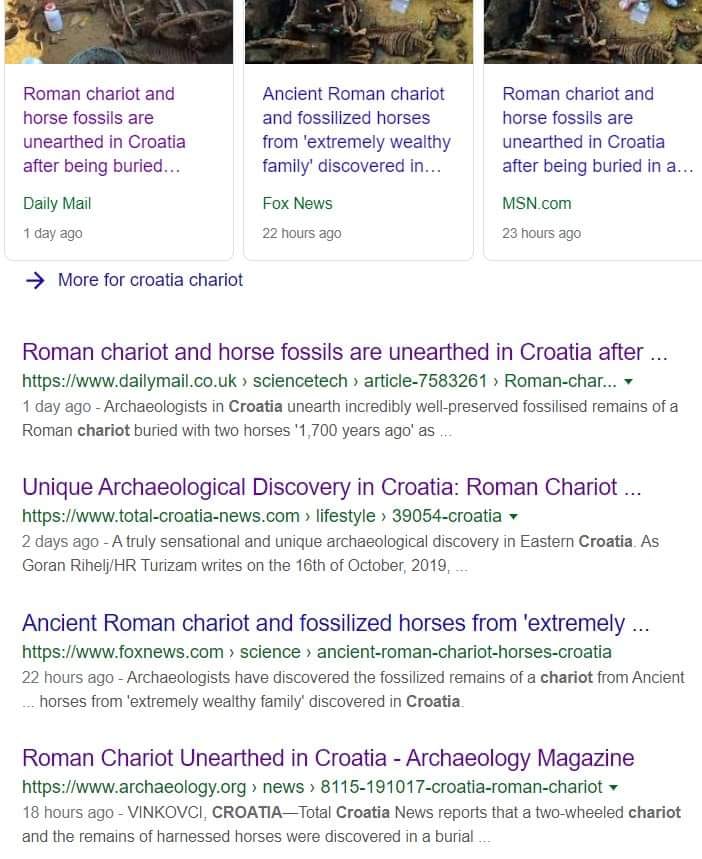
And it is always a boost to the day when the international media picks up a really fantastic Croatian story and spreads it all over the world.
So when people ask me - as they do, a LOT - why I am living in Croatia when everyone else is leaving - the very honest answer is that I genuinely couldn't live anywhere else. Life - and the lifestyle - in Croatia is simply too beautiful, absurd and addictive to want to live anywhere else.
And, far from needing millions to live here, if I can start a business with 100 euro, an idea and determination, sitting in a cafe in Jelsa, there is no reason why you can't as well. I won't pretend it is easy, but the rewards are definitely worth it.
Why emigrate? Where in the world are you going to find incredible discoveries and a lifestyle like the above outside Croatia?