

Marvie Hotel & Health: Your Dalmatian Destination for Congress Tourism
October 28, 2019 - We know that orchestrating your company’s conferences, meetings or team building events can take time and test your patience, but it doesn’t have to be all that bad in the end - that is, if you choose Marvie Hotel & Health.
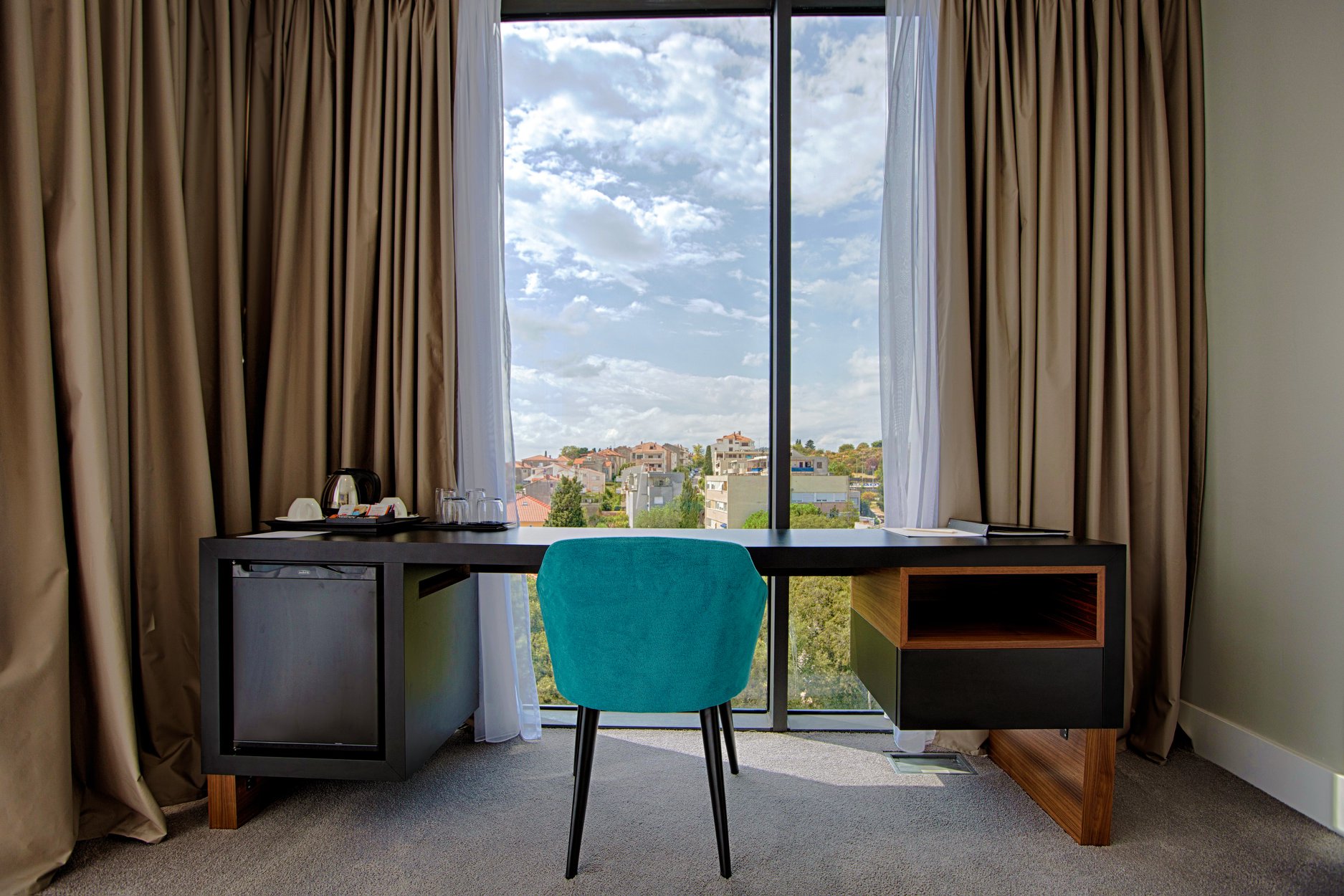
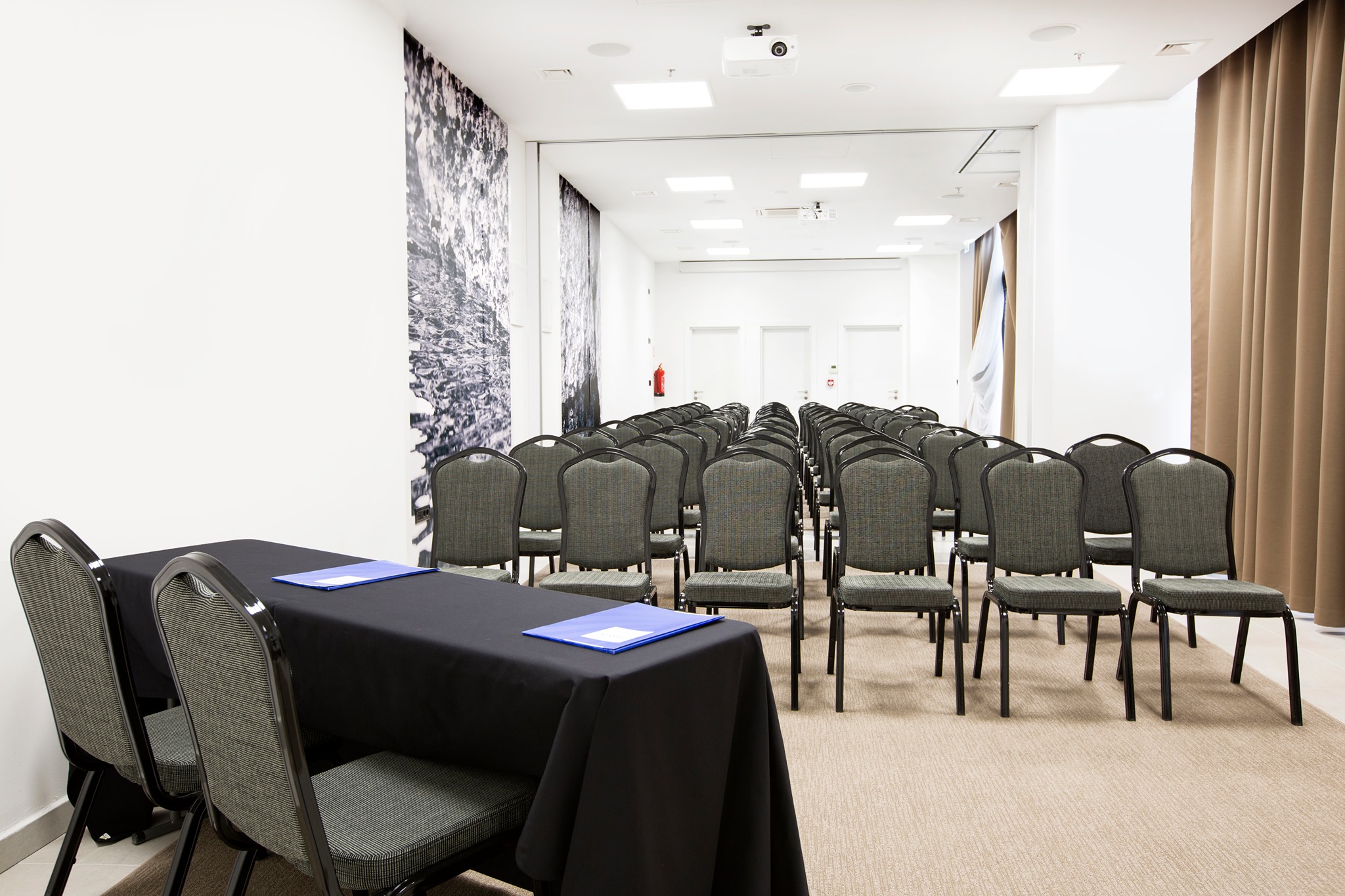
Marvie Hotel & Health opened its doors back in 2017 as the first hotel specializing in health tourism in Dalmatia, with each segment of its offer focused on quality self-care. Located in Split's residential area of Zenta, known as one of the city’s poshest neighborhoods, Marvie is spacious and modern, boasting an underground garage on three floors, 74 rooms and two suites, and modular halls that can accommodate up to 65 people. Your team will turn on relaxation mode from the moment they walk through its doors.

With wellness at the forefront, Marvie has always kept companies in mind, and in doing so, they’ve set the bar high for team members visiting the hotel, offering a variety of morning exercises as a foolproof way to get the day off to a good start - like yoga, tai-chi, hydro gymnastics, or physiotherapy training. And if you’re feeling a bit more adventurous, you can take your team to the nearby tennis courts or stroll along the coast, which you’ll find just minutes outside of the hotel.
But that’s not all.
Marvie offers a tranquil work environment to ensure a fruitful and productive day among colleagues - and once the work is done, the fun begins. Namely, your associates can gather at the hotel restaurant Da’Mar, or the Renevie Wellness next to the indoor pool, for music, drinks, and mingling once the business hours have passed.
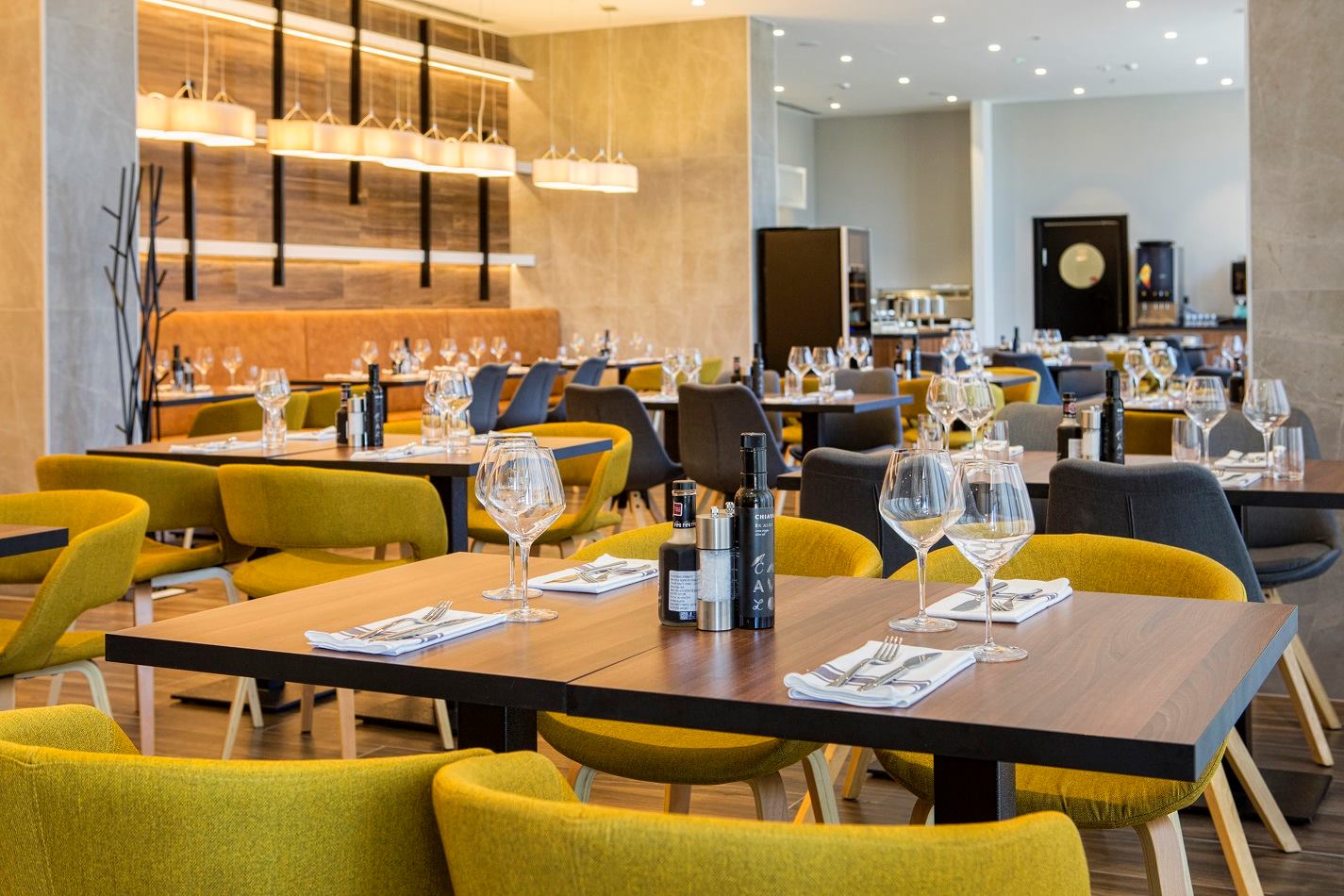
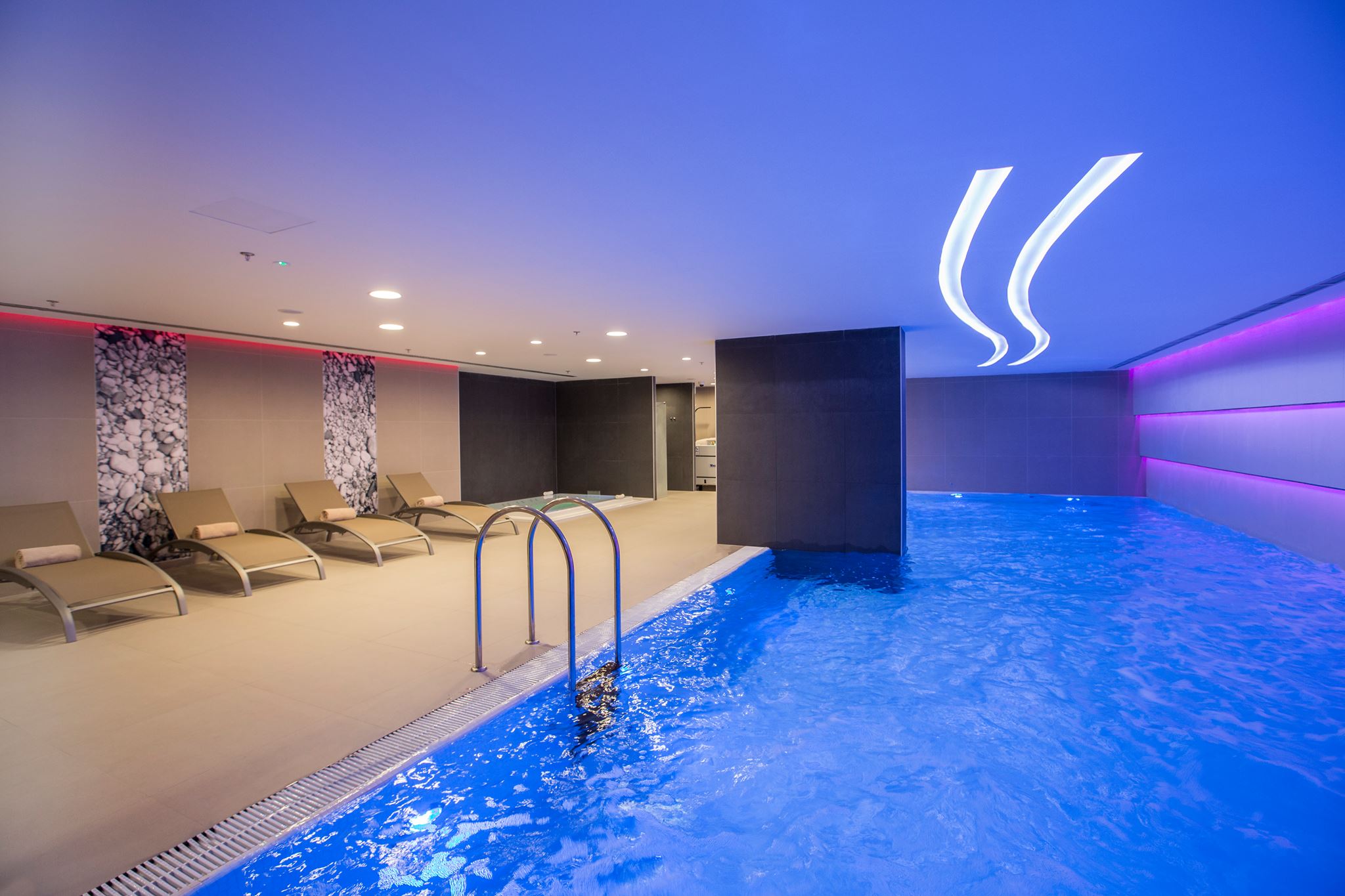
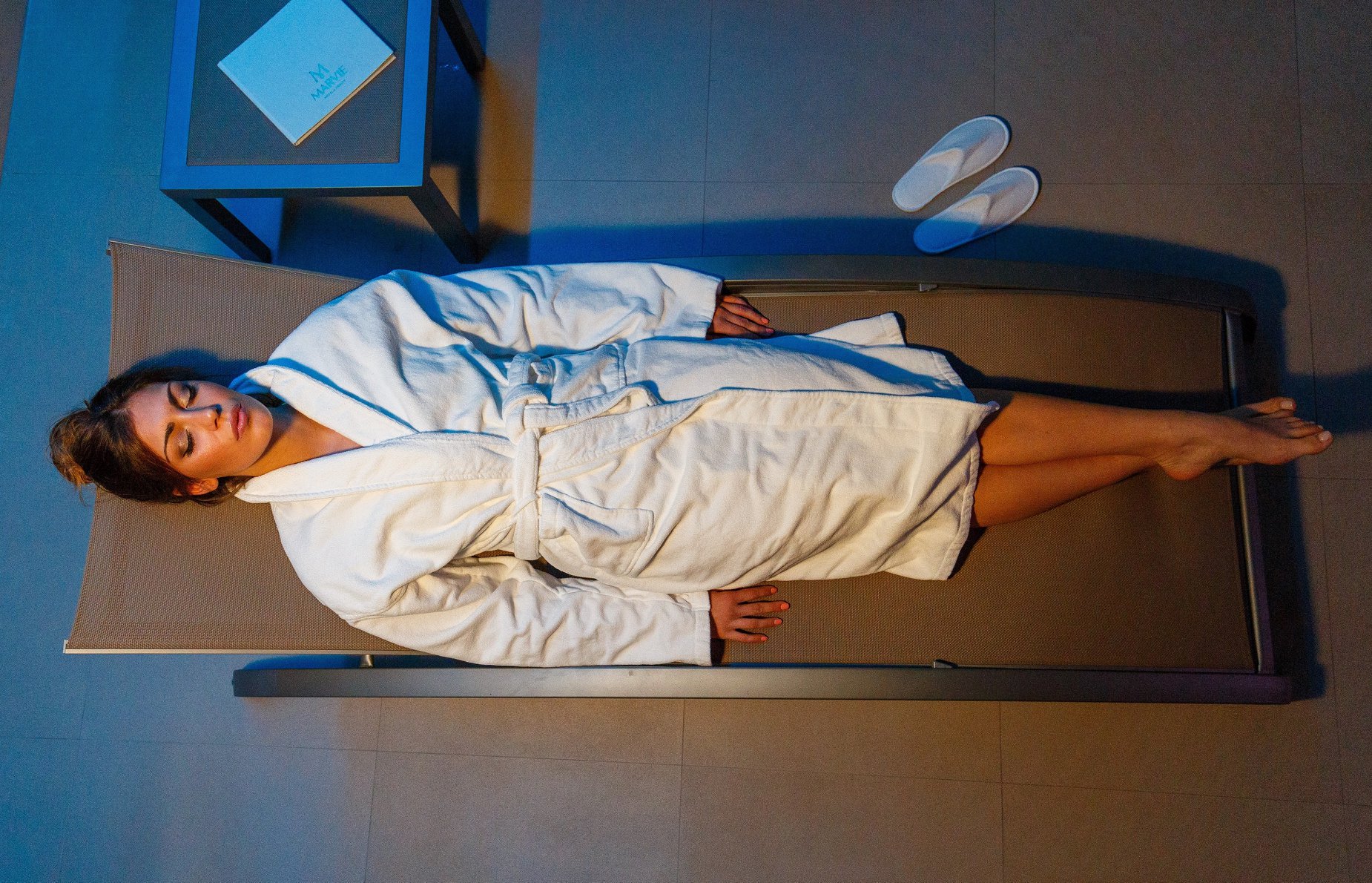
If you’re looking to wind down with food, the Da’Mar restaurant is a paradise for gourmands and offers carefully crafted creative, clean, and mostly gluten-free dishes. But if you’d rather dive headfirst into leisure, the extensive Renevie wellness area boasts an indoor pool and relax zone, jacuzzi, Finnish and Turkish saunas, and a gym. Apart from the various types of massages and beauty treatments, dermatological services and effective but non-invasive skin rejuvenation methods, you can also tap into the full range of medical wellness and physiotherapy methods for faster recovery and better overall health.
Or, visit the Aqua Med Medical Wellness - Physical Medicine and Rehabilitation Clinic and MediDerm Clinic - a dermatological clinic for cosmetic medicine. Guests can even receive a physical examination at the MediDerm Clinic, where vital functions, lab tests, and specialist medical examinations are at your disposal. Better yet, this can all be done in a day.
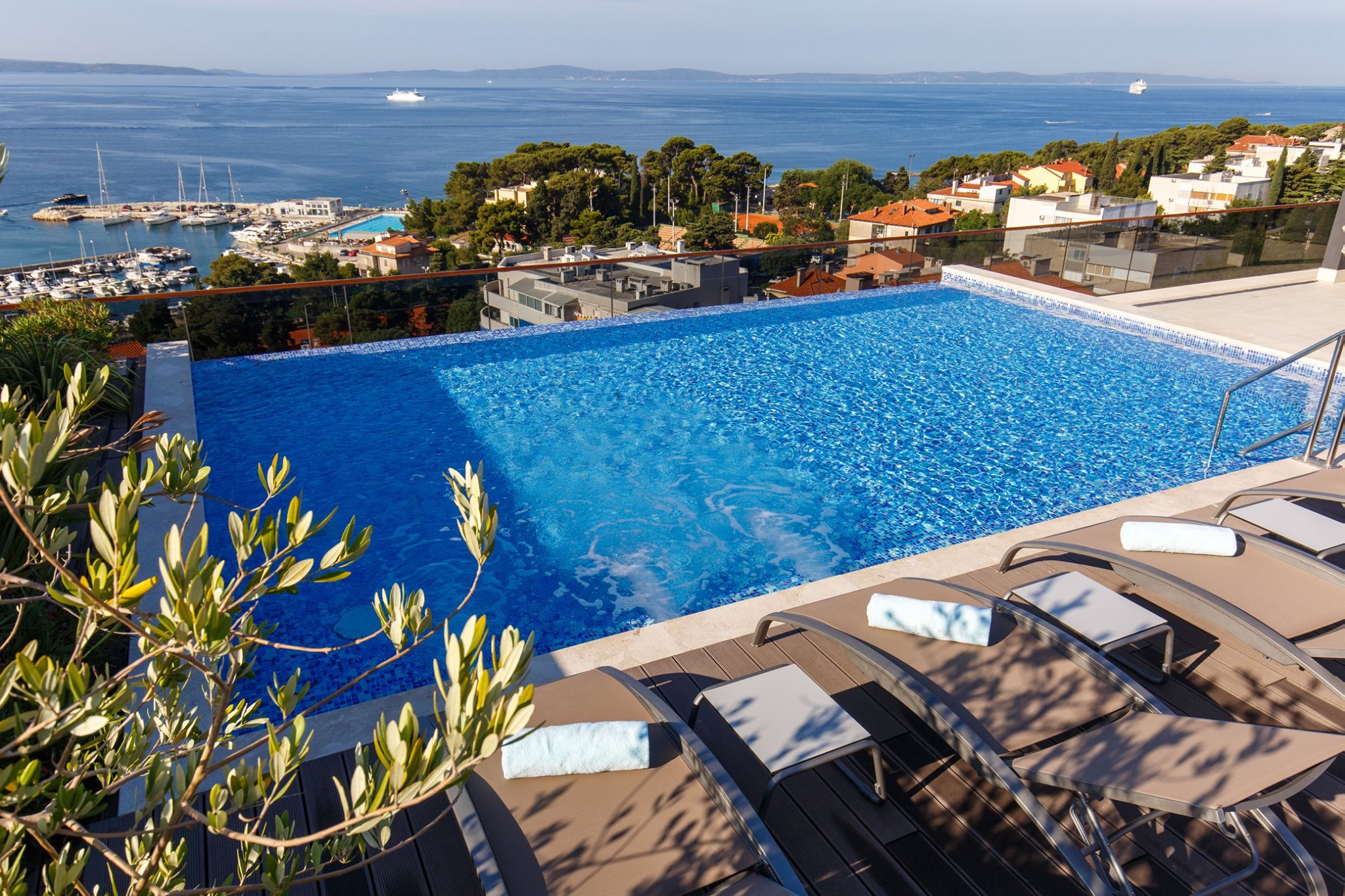
However, if the weather abides, you can take your team to the inviting rooftop terrace and network at the outdoor swimming pool where evening entertainment or relaxing programs will help team members unwind after a long day. The rooftop views of Split are unparalleled.
If you want to give your team even more, Marvie can coordinate casual team building activities such as a gluten-free cooking workshop or classic Mediterranean cuisine - or have them learn from a cocktail master, barista, or sommelier with the drink workshops available. You can even opt to stimulate your employees further with a corporate seminar led by renowned lecturers.
If your team spirit thrives outdoors, you won’t be disappointed by the excursions on offer, like trips to Croatia’s most famous national parks, horseback riding, ziplining, island hopping, or connecting the Game of Thrones fans’ in the group for a tour of the Croatian filming locations.
Marvie has done its part to ensure its wellness climate and overall offer are designed to balance business minds. It’s not hard to see why this hotel is chosen for congress tourism in Croatia.
You can read more about Marvie Hotel & Health here.
To read more about travel in Croatia, follow TCN’s dedicated page.
Moving to Ireland? Pros and Cons from an Irishman in Split
October 28, 2019 - While many Croats are emigrating to Ireland, some are headed in the opposite direction. Jason Berry, an Irishman living in Split for 6 years offers some excellent emigration food for thought.
There were some interesting reactions to our article at the weekend interviewing a Croatian expat approaching 5 years living in Ireland after her decision to move from Croatia. You can read Lidija's experiences in Kinsale in Is the Grass Greener in Ireland? A Croatian Expat View After 5 Years Abroad. One of the first messages I received was from Maura from the United States:
Thank you for a delightful, honest appraisal of life in Kinsale. My parents immigrated to America in 1929. I have an Irish Passport and have been there only once. Beautiful land and people. So happy it's home to many now and can provide jobs, that's why my parents also left the old country for the New life. Blessings and love, Maura.
A nice message, and Lidija and Maura are now in touch, but it got me wondering - with all the emigration from Slavonia right now, could it be possible that we could see a similar immigration from a totally different country 90 years from now, with people coming for the very thing that is so hard to find right now - employment?
Even more interesting was an email I received yesterday from Jason Berry, an American-Irishman who has been living in Split for the last six years. Although I have never met Jason, we did feature his successful career in Dalmatia in our foreign entrepreneurs in Croatia feature.
Jason offered a rather different perspective on the moving to Ireland discussion, and well worth a read for those considering the move. Plenty of pros and cons to contemplate. His article below is a version that originally appeared in Croatian in Dalmatinski Portal.
Over to Jason Berry...
So you are thinking about going to Ireland, the island of opportunity, where beer, jobs and money are everywhere. Here is what you need to know. I’m going to share with you what life is really like in Ireland when compared to life in Croatia.
Ireland and Croatia are remarkably similar. Approximately 4.5 million people in both countries, Catholic, and people in both countries speak excellent English. Both countries have very large diasporas and Ireland is one of only a few countries where Croats can immediately go to and work within the EU, no questions asked. Thank you European Union.
The weather. According to the website www.currentresults.com Split gets an average of around 2600 hours of sunshine a year, and most of Dalmacija gets the same. Zagreb and Slavonia get around 1900 hours per year. Nice! Dublin gets 1400. Not so nice. It takes a lot of rain to make Ireland so green. It’s even rainier in the west of Ireland. If you are going to Ireland prepare for a lot less sunshine, shorter days, more darkness, and more grey in the winter. Ironically both countries get about the same rainfall, around 1000 mm, the difference is that Ireland gets a little each day, where in Croatia we have thunderous downpours where you can’t go outside because it is raining so hard. But don’t be fooled, plenty of places in Ireland get 2000mm per year. Bring an umbrella.
If you like swimming in the sea, bring a wetsuit to Ireland. Ireland sea temperatures rarely get higher than 17C. You’ll be coming back to Croatia for your summer holidays and tickets home aren’t cheap during the season unless you book far ahead. I’ve paid between 300-700 euro with an average of around 400-500 for round trip tickets. Off season it gets better, and flights on Ryanair and Aerlingus to Zagreb and Zadar help, but Split and Dubrovnik are pricey. Outside of the season there are no direct flights.
Ireland was ranked in or near the top 10 countries in the world for ease of business by the world bank, Croatia 51. It is much easier to do business in Ireland, less red tape, goodbye notaries, good bye uhlebs that get in your way, and peace of mind that officials aren’t trying to find some little problem with your business and fine you. Corporate tax in Ireland is 12.5% vs 20% in Croatia. 20% is pretty good by the way.
But let’s get down to business, the real reason everybody wants to go to Ireland is jobs. So let’s take a look at what it’s like in Ireland on the job front. Unemployment is at an all-time low in Ireland and salaries are on the increase. So how do you make the “big money” in Ireland. Couple of notes on that. In Ireland when discussing salaries, the Irish talk about salaries before tax. If somebody says they are making 30,000 euro per year, that is before tax. Income tax rates are a lot better though in Ireland than Croatia and big taxes don’t hit til after you are making 30K or so. Here’s a link to a tax calculator. https://salaryaftertax.com/ie But don’t get me wrong, by and large salaries are higher and job selection is better.
There are a lot more professional career type jobs in IT, finance, and other 21st century careers, but you need to be qualified. These types of professional jobs are where the real opportunities are for Croats going to Ireland. Expect to get a low paying first professional job and then make more in your next jobs. But if you are going for a restaurant job, service sector, retail, or most manual labor jobs, income levels aren’t hugely different once you account for higher costs of living in Ireland which brings me to my next point. You might earn more in Ireland, but you pay more for everything except rain (that’s included).
Your biggest expense coming to Ireland will be rent. In Dublin average rent is 1875 a month. Those are euros by the way not kune. http://www.thejournal.ie/daft-rental-report-2-3992744-May2018/ Check out Daft.ie to get an idea of what is out there on the rental market. Good news, unlike Croatia, in Ireland, the renter doesn’t have to pay the estate agent for finding them a place. In Ireland only the landlord pays one month’s rent to the agent.
As a Croat your second biggest expense will be coffee, probably. Gone will be your days of 8-10 kn coffees a few times a day. In Ireland, take-away coffee will cost you around 2-4 Euro. If you want a croissant, tack on another 2-4 Euro. And if like me you love a good narancada after the coffee, OJ will set you back 4-6 euro. And if you want a coffee inside at a restaurant or café, its even more expensive. So if you start your day like me with a coffee, a croissant, and some OJ, you will have no change from 10 Euro. If you drink 3 cups of coffee a day, you’ll be spending around 15 euro a day or 450 euro a month. Prepare to learn how to make coffee, get a big high paying job, or curb that kava addiction.
If you have a smoking problem, your problem just got much bigger. A pack of cigarettes is 10-15 euro. https://www.expatistan.com/cost-of-living/dublin. If you smoke a pack a day, here’s another 300-450 euro a month.
For the ladies, haircuts, blow-drying your hair, pedicure and manicure, you’ll need to take out a few loans. Haircuts are 60-100 euro. Blow dries are 30 euro. Manicures will run you 30-50 euro. I’m sure you can find cheaper, but you’ll struggle in Dublin city centre. For dudes, count on around 15-25 euro for a haircut. https://www.treatwell.ie/places/treatment-haircuts-and-hairdressing/offer-type-local/in-dublin-ireland/
On average Dublin is 90% more expensive than Split and Zagreb. If you want to get an equal paying job in Ireland, it needs to pay at least twice as much as in Croatia. If you earn 1,000 euro a month in Croatia, you want to be earning well above 2.5K in Ireland, that means a job that pays around 45K euro in Irish terms. You’ll have to be creative to save money and live a similar standard under that number.
If I had to go back to Ireland tomorrow the things I would miss immediately are: no fresh fruits and veggies from my friends and family. No homemade olive oil from my punac. No burek. Sunshine. Coffee culture and cheap good coffee and chats (people generally get coffee to go, so no more lingering around the kafic). Skampi na buzaru. No vineyards and good wine everywhere. The sea. Teleca Peka. Sunshine. Fresh fruit and vegetables all year round. Basketball is everywhere. Croatian international football. Our nanny. Life is in general very inexpensive and good value in Croatia. Going to the beach for 6 months of the year and of course the network of friends and family that look after me and my family. And sunshine. Do not underestimate how powerful good weather is on your well-being.
So for those of you considering a life in Ireland only for financial purposes, its not an easy decision. You’ll be living in a new country, enjoying the experience, meeting new people, but you probably won’t be saving much or sending money home. In exchange for living in Ireland, you give up sunshine, being close to family, burek and cevapcici. Ireland is a great place, but make sure you do your research on the financials of your job and everyday expenses, know what you are getting into. It's not all a pot of gold at the end of an Irish rainbow.
Thanks Jason, very interesting.
Have you emigrated to Ireland or another country in the last few years and would like to share your experiences, positive and negative? Contact us on This email address is being protected from spambots. You need JavaScript enabled to view it. Subject Greener Grass.
For more news about the Croatian diaspora, follow the dedicated TCN section.
Batela – Croatian OPG Succeeds With Sweet Potato "Nutella"
Diana Prpic works on her estate in Brežani near Karlovac in the continental part of Croatia. As Poslovni Dnevnik writes on the 28th of October, 2019, this young farmer took over an OPG several years ago which was initially launched back in 2003 by her grandmother Mara. The creation of a sweet potato spread amusingly called "Batela" turned everything upside down.
"A lot has changed. And actually the thing that has changed the most is way I look for the market. Very quickly, I made my offer to customers on Facebook and today we are followed by more than 13,500 people. They all recognised the level of our hard work, the quality of our products. I have shipping everywhere. Watermelons and strawberries and raspberry products are particularly attractive. There are so many orders that I often stop at a highway intersection and wonder where it goes to Zagreb or Split," Diana recounts for Vecernji List.
"We are always thinking of something new. So, a long time ago we started planting different types of pumpkins and we also have zucchini spaghetti that is particularly interesting to people. She describes how you cut the zucchini and how it comes out onto the dish looking like real spaghetti, and this is just one of the culinary delights that comes from your own garden and that Diana deals with. However, an absolute hit took the main stage with her offer of a spread of sweet potato, a so-called "Batela" that has become very popular since the end of last year, and production is growing month by month, it is being sent even to Australia, and soon to Singapore.
"I experimented with sweet potatoes, cooked them with maple syrup, added chocolate without refined sugar and then some coconut oil. I made 50 jars and put it online. I thought, if it goes, then it goes. Immediately everything sold out. Although I was afraid that the market would not be filled with Batella as an instant hit, the complete opposite happened. The interest in this spread is growing. Batella has literally turned our lives upside down," admits Diana.
Make sure to follow our dedicated Made in Croatia page for much more.
INA's Revenue Up 2%, Profit Decreases
ZAGREB, October 28, 2019 - INA Group's revenue in the first nine months of 2019 totalled 16.55 billion kuna, two percent more than in the same period of 2018 while the group's profit dropped by 36% to 679 million kuna, shows a financial report the group released on Monday.
CCS EBITDA excluding special items amounted to 2.397 billion kuna, improving 8% compared to the same period last year. The average oil prices decreased somewhat during the first nine months of 2019, therefore the reported EBITDA amounted to 2.208 billion kuna and profit amounted to 679 million kuna, the group said.
The group notes that the first nine months of this year were an intensive investment period.
"CAPEX increased by 69% compared to the same period last year and amounted to 1,541 million kuna, mainly driven by refining investments. Investments in Croatia amounted to 1,319 million kuna, more than double compared to the same period last year. Net gearing amounted to 21% with net debt at 3,036 million kuna," the group said.
Sandor Fasimon, President of the Management Board of INA, said in a comment that the company's intensive investments in the first nine months had started to show results.
"Total investments exceeded 1.5 billion kuna, majority of which was spent domestically. Rijeka refinery turnaround, as one of the largest ones in the company’s history, was completed. Numerous improvements implemented during this turnaround are already visible in the better production structure, with a higher share of profitable white products. This is also to be further improved with future expected projects, in line with the INA Downstream 2023 New Course program.
"Also, the increased level of Upstream activities in Egypt is starting to give results with a 23% increase of oil production in Egypt. This, together with the continuous workover activities in Croatia, currently stabilized the hydrocarbon production impacted with natural decline," Fasimon said.
More INA news can be found in the Business section.
MOST Accuses Government of Failing to Tackle Depopulation
ZAGREB, October 28, 2019 - The leader of the opposition MOST party, Božo Petrov, said on Monday that emigration was the biggest challenge faced by Croatia since its accession to the European Union, and criticised the incumbent government for failing to seriously tackle the issue.
Petrov accused the government of taking only cosmetic measures in a bid to halt the depopulation trend.
"There are no concrete, serious moves to address the challenge of emigration," Petrov told a news conference in Zagreb on Monday.
He accused the government of failing to adopt a demographic strategy to alleviate the effects of the population decline.
Petra Mandić, a Rijeka councillor from this party, presented MOST's proposal that the minimum amount of monthly allowance during parental leave should be 3,991 kuna instead of the current minimum of 2,328 kuna.
MOST is in favour of introducing a monthly allowance of 135 kuna for parents with one child and of 2,000 kluna and more for parents with three children, depending on their income.
More MOST news can be found in the Politics section.
SOS Children's Village Croatia Calls for Focus on Unprotected Children
ZAGREB, October 28, 2019 - The SOS Children's Village Croatia on Monday called for shifting focus back to unprotected children and increasing welfare funding, underlining the importance of abolishing institutional care for children so that they could grow up in family-type alternative care.
"Alternative care in the past meant institutions where a child would get lost. The process of de-institutionalisation, shifting focus back to children and advocating children's rights helps make progress," the head of the SOS Children's Village Croatia national programme development, Gordana Daniel, said at an international conference.
SOS villages care about children without parents and parental care and life in SOS children's villages resembles the life of any family, the only difference being that those children's families are bigger and that they are cared for by SOS moms. Also, children's villages develop numerous other services in an effort to respond to the needs of the target group. This puts the child in the focus of attention and its needs are heard and recognised.
In 2018, in the two Croatian SOS children's villages - Lekenik and Ladimirevci - 170 children were growing up in 31 SOS families.
In the SOS communities in Zagreb, Velika Gorica and Osijek, where children go after primary school, there are 49 high school children, and 29 young people have taken part in a programme of semi-independent living that helps them live on their own.
The SOS Children's Village Croatia association is funded mostly by sponsors and donors, Daniel said, adding that the state, even though it did finance the association to a smaller extent, was still not ready to set aside enough funding to meet all of the needs of children without parental care.
This is particularly a problem in small communities which lack strong social services and where families have difficulty accessing the necessary professional help.
"All the more important social services are now based on the empowerment of the family. We are not focused only on giving direct care to a child that needs to be removed from its family, we have been working for six years on programmes that empower families and help prevent situations in which a child is taken out of its family. That is the future," she said.
The head of the SOS Children's Village Croatia Association, Mariza Katavić, said that the need for new children's villages was constantly growing but that apart from a lack of funding, there was also a lack of other infrastructure - transport, healthcare and welfare.
"What is problematic is that we cannot expect the state and local communities to solve those problems because local communities very often do not have the money although they do have the will," she said.
Tatjana Katkić Stanić of the Demography, Family, Youth and Social Policy Ministry said that children were expected to gradually leave children's homes and that such homes were expected to provide accommodation for only a short period of time.
"A precondition for that is the strong development of foster care and development of services for families at risk so that children who can do so, can return to their primary family with parents' capacity having been strengthened... while children who cannot be in their primary family would be provided for in some other way, such as adoption," Katkić Stanić said.
The international conference, called "Recognise, care, be proud", was held to mark three anniversaries - the 70th anniversary of the umbrella international association SOS Children's Villages International, which so far has supported four million children through the system of alternative care and family empowerment, the 30th anniversary of the UN Convention on the Rights of the Child and the 10th anniversary of the UN Guidelines for the Alternative Care of Children.
More news about children in Croatia can be found in the Lifestyle section.
President's Statement Angers Rijeka Mayor, Local Officials
ZAGREB, October 28, 2019 - Primorje-Gorski Kotar County Deputy Prefect Marko Baras Mandić said on Monday that President Kolinda Grabar-Kitarović's statement about the Rijeka Football Club was deeply insulting for the county's residents and that her statement about Goli Otok was dangerous.
"I am really shocked as a citizen and deputy prefect because (the president) described the county's residents as proponents of a policy that caused a lot of harm to Croatia in the 1990s while forgetting that at its first official match in Zagreb on October 17 and later at Rijeka's Kantrida stadium on December 22, the Croatian national football team included as many as four players of the Rijeka Football Club, a 'reserve Serbian club" as she described it," said Mandić.
"(She) has insulted all of us who in the 1980s wore the red-white-and-blue scarves and got beaten by the regime's batons across Yugoslavia by saying that we had rooted for 'a Serbian club', said Mandić.
He stressed that he was shocked the most by Grabar-Kitarović's statement about Goli Otok. "She said that she would benefit the most if a week of Yugoslavia was introduced because she would send all those speaking against her to Goli Otok. That is a very dangerous statement, resembling statements by comrade Stalin rather than by a Croatian president," Boras Mandić said, adding that he had to make the statement as a citizen and someone who had to protect Croatian citizens, including those in Primorje-Gorski Kotar County.
Rijeka Mayor Vojko Obsernel, too, commented on Grabar-Kitarović's statements on Twitter. "After she left the country from behind the Iron Curtain with a red passport to go to school in the United States, Kolinda Grabar-Kitarović today insulted the Rijeka Football Club by saying that it was a reserve Serbian club. How deep can that reservoir of stupidity be? Where does it end?" Obersnel wrote on Twitter.
Presidential candidate Miroslav Škoro, too, commented on Grabar-Kitarović's statement about the Rijeka club, posting on his Facebook wall of photo of himself standing at Rijeka's stadium, with the message "Rijeka is great", and describing the debate about the Iron Curtain as tragicomic.
In a comment on her speech in Washington on Sunday, in which she mentioned among other things that she had lived behind the Iron Curtain, Grabar-Kitarović said on Sunday:
"Churchill said that an iron curtain had descended from Stettin in the Baltic to Trieste in the Adriatic and that all capitals of Central European culture, including Belgrade, were left behind it. Regardless of how things changed, whether they were non-aligned or not, they were not neutral," the president told the press during a visit to Split when asked to explain her speech during her acceptance of the Fulbright Life Achievement Award at a ceremony in Washington on Saturday.
"Please, let no one try to convince me about a life that never was. We all experienced it in the former Yugoslavia. We all know how it was to travel with a red passport, the humiliation we had to go through, what it meant to pay a deposit. If anyone is nostalgic about the former Yugoslavia, let's introduce one week of the former Yugoslavia. Do you know who will benefit the most? I will, because if you say anything against me, you will end up on Goli Otok," she said, referring to an island prison where political prisoners were held during communist rule.
More Rijeka news can be found in the Lifestyle section.
Unions of Education-Sector Employees Walk Out of Negotiations
ZAGREB, October 28, 2019 - The two striking unions of primary and secondary school teachers as well as the union of employees in the tertiary education and science sector on Monday walked out of negotiations with the government on higher wages after they did not get an answer about a timetable for talks on their demands.
The leader of the secondary school teachers' union, Branimir Mihalinec, said that "the government still does not know" when negotiations on their demand for a higher job complexity index would be arranged.
Mihalinec said that their departure from today's talks "is a symbolic, procedural gesture" since the sufficient number of union representatives of public-sector employees stayed to negotiate base pay.
"We have our representatives who will continue negotiations on base pay," Mihalinec told the press after leaving the talks. He called on Prime Minister Andrej Plenković "to start solving the problems."
The unionist also criticised a proposal by the Croatian People's Party (HNS) about "compensation measures " for education-sector employees, meaning the allocation of 160 million kuna annually for such measures until the elaboration of job complexity indices.
Last Friday, Education Minister Blaženka Divjak, who comes from the HNS ranks, called on all parties involved in the ongoing teachers' strike to abandon their entrenched positions, both political and interest-based, and understand that a compromise was necessary to secure a wage rise for teachers. "We haven't authorised the HNS to negotiate on our behalf," said Mihalinec.
The leader of the primary school teachers' union, Sanja Šprem, said that the government must think if ignoring the problem would be the right way to solve it.
The leader of the union of tertiary education workers, Igor Radeka, said that the union would stage a one-day strike on Wednesday.
More news about strikes can be found in the Business section.
Bosnia’s HDZ to Back Grabar-Kitarović for Croatia’s President
ZAGREB, October 28, 2019 - The leader of the Croatian Democratic Union of Bosnia and Herzegovina (HDZ BH), Dragan Čović, has confirmed that his party will support Kolinda Grabar-Kitarović in her bid for a second term as President of Croatia.
Speaking in an interview with the Sarajevo-based daily Dnevni Avaz of Monday, Čović said that the HDZ BH would support Grabar-Kitarović in the presidential race. "The HDZ BH will join in the election campaign when it formally begins," he said.
Citizens of Bosnia and Herzegovina who have dual Bosnian and Croatian citizenship are entitled to vote in presidential and parliamentary elections in Croatia.
Čović said he hoped the forthcoming Croatian presidency of the European Union would help Bosnia and Herzegovina catch up with other countries in the region in their efforts to join the bloc.
"The Croatian presidency of the Union in the first half of next year gives Bosnia and Herzegovina a chance to catch up with Albania and North Macedonia because we have met all the conditions except forming a government," Čović said.
Čović said that in negotiations with the predominantly Bosniak Party of Democratic Action (SDA) he would continue to insist on amending electoral legislation, suggesting as the best solution the election model used by Belgium.
Čović said that his party supported the country's NATO membership bid, but added that one should not insist on it the way the SDA did because this was a process that would not be completed in 20 years' time if it continued at the present pace.
More news about presidential elections can be found in the Politics section.
Zlatko Dalic Announces Player List for Slovakia Qualifier in Rijeka
October 28, 2019 - Croatia welcomes their last Euro 2020 qualifier next month against Slovakia as the first team in the group. Zlatko Dalic has announced the player list.
On Saturday, November 16, at 8:45 pm, Croatia and Slovakia will play their last Euro 2020 qualifier at Rujevica stadium in Rijeka. Three days later, a friendly against Georgia is scheduled in Pula.
The team will gather in Zagreb on November 11, where they will hold a charity dinner for the Vatreno Srce Foundation the same evening and will stay in Opatija from November 12 to prepare for the match against Slovakia at NK Rijeka’s stadium.
On Monday, coach Zlatko Dalic announced the list for the upcoming qualifier, which features the return of two important players - Marseille stopper Duje Ćaleta-Car was called back to the national team for objective reasons, while striker Andrej Kramarić, who scored two goals after returning to the pitch just a week ago, has recovered from his injury.
There is no Domagoj Vida or Dejan Lovren on Dalić's list, as they cannot compete against Slovakia due to yellow cards. The player list also includes four potential call-ups - Marko Rog, Filip Bradarić, Marin Leovac and Josip Juranović, who will be activated if the need arises before the first or second game.
“There is a big game ahead of us in Rijeka and I fully believe these players will respond to such a challenge in the right way. We will not be distracted by the match in Trnava, Slovakia is a very good team and can be a very dangerous opponent. Still, Croatia has higher quality, experience and the overwhelming ambition to cheered for as a nation like in Russia. With the support of the full stadium, I do not doubt a positive and successful finish to these qualifications,” said coach Zlatko Dalic.
Recall, Croatia topped Slovakia 4:0 in Trnava in September.
List of players for Slovakia and Georgia:
Goalkeepers: Lovre Kalinić (Aston Villa), Dominik Livaković (Dinamo), Simon Sluga (Luton Town)
Defenders: Tin Jedvaj (Augsburg), Matej Mitrović (Club Brugge), Borna Barišić (Glasgow Rangers), Karlo Bartolec (Kobenhavn), Duje Ćaleta-Car (Marseille), Mile Škorić (Osijek), Dario Melnjak (Rizespor), Dino Perić (Dinamo)
Midfielders: Luka Modrić (Real Madrid), Ivan Rakitić (Barcelona), Mateo Kovačić (Chelsea), Marcelo Brozović (Inter), Milan Badelj (Fiorentina), Mario Pašalić (Atalanta), Nikola Vlašić (CSKA Moskva)
Attackers: Ivan Perišić (Bayern), Andrej Kramarić (Hoffenheim), Ante Rebić (Milan), Josip Brekalo (Wolfsburg), Bruno Petković (Dinamo), Mislav Oršić (Dinamo)
Call-ups: Marko Rog (Cagliari), Filip Bradarić (Hajduk), Marin Leovac (Dinamo), Josip Juranović (Hajduk)
Source: Gol.hr
To read more about sport in Croatia, follow TCN’s dedicated page.