

Croatia Advent Offer Promoted in Nine Key European Markets
November 26, 2019 - The Croatian National Tourist Board has launched a promotional Croatia Advent campaign as one of the key motives for traveling here in the winter.
HRTurizam reports that the campaign is being implemented in the markets of Germany, Great Britain, Italy, Austria, France, Switzerland, Spain, Hungary and Slovenia until the end of December this year. The communication channels through which the campaign is advertised are YouTube and social networks Facebook and Instagram.
The Advent campaign is implemented through the new promotional video "Croatia, full of magic" and encourages the Advent offer of Croatian destinations.
According to the Croatia National Tourist Board, the campaign leads the user to the page "Croatia.hr", where in addition to Advent in Zagreb, which won the title of the best Christmas fair in Europe for three years in a row, the Advent events of SalajLand, Slavonia, Dalmatia, Kvarner, Istria and continental Croatia are also promoted.
Over 50 foreign established journalists, bloggers and influencers from 11 European countries will visit Croatia in the organization of the Croatian National Tourist Board in December and will have the opportunity to get to know and experience the Croatia Advent offer firsthand. For example, Croatia will be visited by Russian MUZ TV, which creates the show "Independent Traveler", which is viewed by more than 25 million viewers across Russia.
Also, a team from Swedish RES TV and RES Magazine will record three special episodes dedicated to Zagreb's Advent, which are estimated to be watched by a total of 1.5 million viewers in Sweden. Croatian traditional holiday customs will be transmitted to its viewers by TVN Discovery, the oldest and largest private TV station in Poland, which is watched by over 8.38 percent of the entire Polish market.
"In the last few years, our country has become an increasingly sought after and attractive tourist destination in the winter, when diverse Advent programs come to the fore. I believe that the vibrant Advent facilities in many Croatian destinations such as Zagreb, Split, Osijek, Zadar, Rijeka, Porec, Dubrovnik, but also on the islands will attract numerous Croatian and foreign guests and contribute to the conclusion of a very successful tourist year,” said the director of the Croatian National Tourist Board Kristjan Staničić.
According to eVisitor, more than 410,000 tourists visited Croatia during last year's Advent, generating over one million overnight stays.
To read more about travel in Croatia, follow TCN’s dedicated page.
Pag Cheese Becomes 24th Protected Croatian Product in European Union
November 25, 2019 - The European Commission announced that Pag cheese is enrolled in the register of protected designations of origin and protected geographical indications
Index.hr writes that the process of protecting the name "Pag cheese”, or what you may know better as ‘Paški sir’, began in July 2017, when the Pag Cheese Producers' Association on the island of Pag submitted a request to the Ministry of Agriculture for its protection.
The Republic of Croatia now has 24 agricultural and food products registered in the European Union as a protected designation of origin or a protected geographical indication. With Pag cheese, the following other Croatian products are registered: Krk prosciutto, Cres extra virgin olive oil, Neretva mandarins, Ogulin sour cabbage, Baranja kulen, Lika potatoes, prosciutto from Istria, Drniš, Krka and Dalmatia, Poljički soparnik, Zagorje turkey, Krk olive oil, Korcula olive oil, Pag lamb, Solta olive oil, Varaždin cabbage, Slavonian kulen, Međimurje meat ‘z tiblice’, Slavonian honey, Lika lamb, Pag salt, and Zagorje mince. The EU trademark or geographical indication on the packaging guarantees the consumer an authentic product.
This is yet another recognition for Croatian agricultural products after the European Commissioner for Agriculture and Rural Development, Phil Hogan, and Agriculture Minister Marija Vuckovic confirmed the first six protected Croatian products on the Chinese market. They include Neretva mandarins, Baranja kulen, Dalmatian prosciutto, Drniš prosciutto, Lika potatoes and Dingač. They will even list a seventh product, Istrian prosciutto, but as a protected product of Croatia and Slovenia.
The geographical area of Pag cheese production includes the island of Pag and the two islands of Maun and Škrda. Pag cheese is hard sheep cheese made from whole fat sheep's milk of the original breed of Pag sheep. Milk for the production of Pag cheese is obtained from Pag sheep grown semi-extensively throughout the year in fenced pastures within the geographical area of production.
To read more about things made in Croatia, follow TCN’s dedicated page.
Overhead Railway to Run between Split Airport and Ferry Port? New Proposal Introduced
November 25, 2019 - Sixteen months ago, at a Government session in Split, a decision was made to implement the Split Suburban Railway Project, connecting the Split ferry port with the Split Airport with an intermodal terminal at the new central station in Kopilica.
Splitski Dnevnik reports that the project is worth around 150 million euro and is estimated to be completed in 2027. For its realization, it is necessary to reconstruct 18 kilometers of the existing railway line from the Split ferry port to Kastel Stari and to construct about 10 kilometers of the new railway line from Kastel Stari to the airport. It is precisely on these ten kilometers of the new railway that the project seriously begins.
The people of Kastela have been offered three options. All three envisage using part of the existing railway line, and then a new railway line to the airport would be built either from Kastel Kambelovac or Kastel Stari. The City of Kastela, however, was not in favor of the first, cheapest option, costing 300 million euro.
This project envisaged that the new line would depart from Radun, via Crkva Gospe od Stomorije, to the airport. Mayor Denis Ivanovic explains Kastela’s refusal of the route by the fact that buildings would be damaged and it would pass through the fields, as well as through the protected sanctuary of Crkva Gospe od Stomorije. Kastela demanded that part of the railway line be buried underground, below the highway, but this would significantly increase the cost of the project.
However, a new proposal for Croatian Railways has now been crystallized, according to which trains should run on an overhead line that runs parallel to the high-speed Split-Trogir road, mostly on pillars.
This was confirmed by the Vice President of the Croatian Chamber of Economy in charge of construction, Mirjana Cagalj.
"We are currently in the process of determining that railway route. So far, a dozen variants have been released, accepted by all but Kastela. Some made objections and some didn't respond. However, the last option by the HZ Infrastruktura designers is excellent, and we all have a feeling that this will be the variant that will be accepted.
For now, it has been sent to the Ministry of Transport and forwarded to the designers of Ernst & Young who should return this as a conclusion to all other variants, whether it is good or not,” said Cagalj, adding that this variant is not the cheapest option, but it is not as expensive as building a tunnel.
"This variant is a little more expensive than the ground railway, but it also has the advantage that for its construction, we do not have to resolve property and legal relations, expropriation, or the consent of neighbors, so we avoid the potential of delaying the project indefinitely," said Cagalj, who added that the new section would go through the body of the expressway.
"So, in that part, there is room for foundations and pillars above the road. Visually, if done well it can be great, there are many such examples in the world, and with several descending platforms, so that all the people of Kastela can use the rail to get to work, school, or the doctor."
“The cost of land is lower and the construction is more expensive, so a price will be conceived after that, and the construction deadlines are shorter in this project. We all have hopes that this will be the option that will suit Kastela as well.”
Ernst & Young consultants should evaluate the cost-effectiveness of this solution within 15 days and include it in a study that has already been completed, followed by a revised spatial plan.
To read more about travel in Croatia, follow TCN’s dedicated page.
Award for WOW Association Sparkling Wine of the Year Presented
This past Sunday, on November 24th, in a fantastic newly opened space, the award ceremony for the WOW Association sparkling wine of the year was held.
Usually, the award is given at the traditional ceremony/dinner in Balon restaurant, which takes place in June. This year that hasn't happened, but the award ceremony for the best sparkling wine was held in an even more prestigious venue - the recently opened Meetings with Style event space in the narrow center of the town. It's located right next to the Ban Jelačić Square, in Jurišićeva 2a on the first floor. It's managed by the Eures-tim management company, which offers the five rooms of the Meetings with Style for various events, meetings, and get-togethers, in a great atmosphere.
Women on Wine Association has been organizing the popular award called "What Women Want." There are five categories of the award, and in the first stage of selection, a well-known sommelier makes their pick for the best wines tasted in the last year. This year the first-stage selector was Filip Savić. After the selector has made the selection, all of the members of the association (and some additional voting members) vote over email, thus creating the list of finalists. In the final stage, the three members of the Association (all with wine education) have a blind tasting and select the winners. The overall winner gets to travel with the WOW members to a great wine region somewhere in the world, as a part of their award.
This year the jury of three consisted of Karin Rupena Perdec, Ines Matić, and Doris Srpek. They chose the following winners: Meneghetti White 2015 (white wines category), Il Primo 2015 by Fakin Winery (red wine), Krauthaker's select grapes Graševina 2015 (dessert wines), Rosella Poletti 2017 (rose wines). The winner in the sparkling wine category was Blanc de Noir, by Peršurić winery, and Ana Peršurić Palčić took her award yesterday in Zagreb. The overall winner of the WOW Association for 2019 is Il Primo by Fakin Winery.
Marked by Masters: Trogir Unveils Stunning New Branding
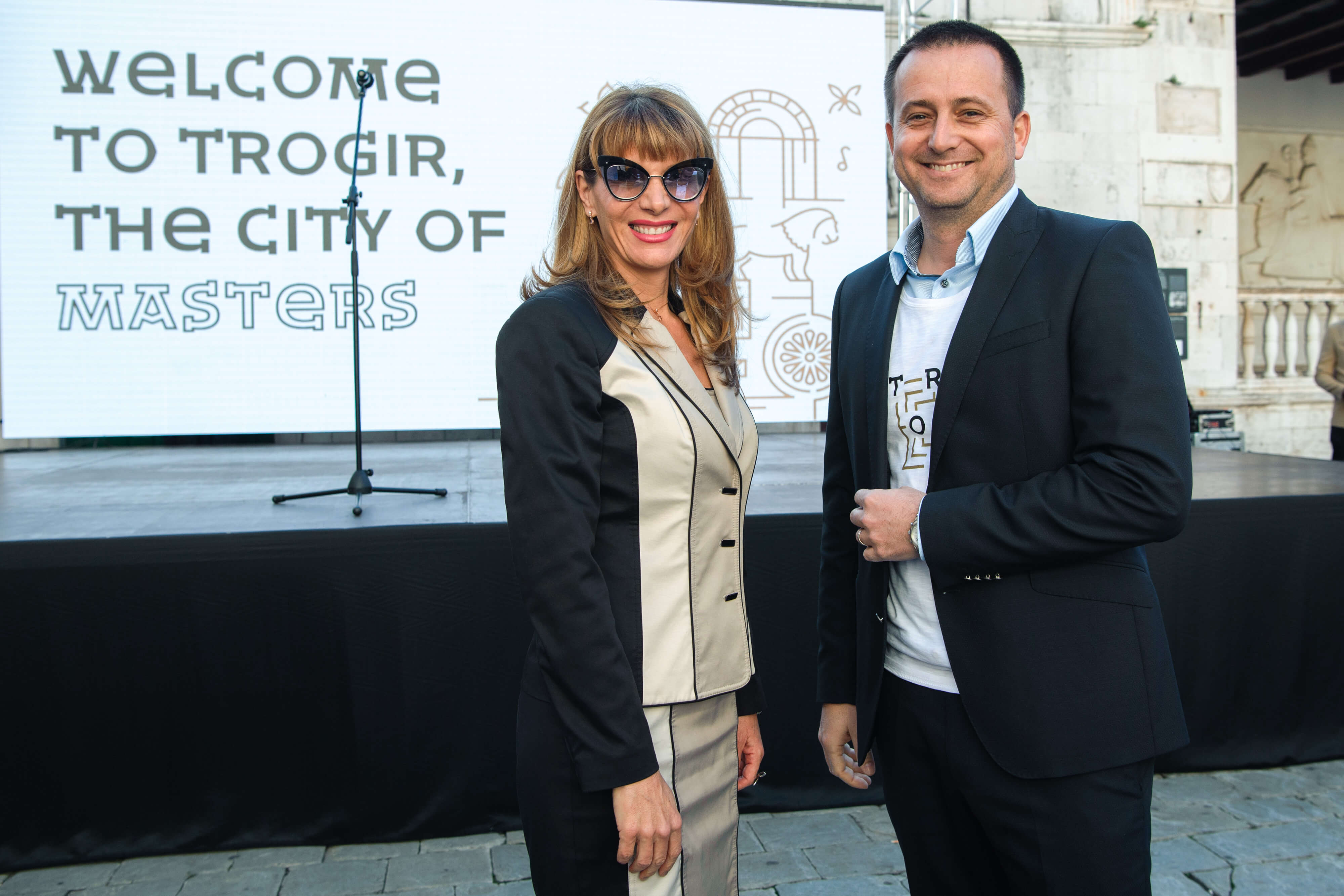
November the 25th, 2019 - ‘’Our wish through branding is to become one of a number of similar destinations in the Adriatic and to become recognisable by the variety of special features we have,’’ stated Mayor Ante Bilic when discussing Marked by Masters, Trogir's new brand.
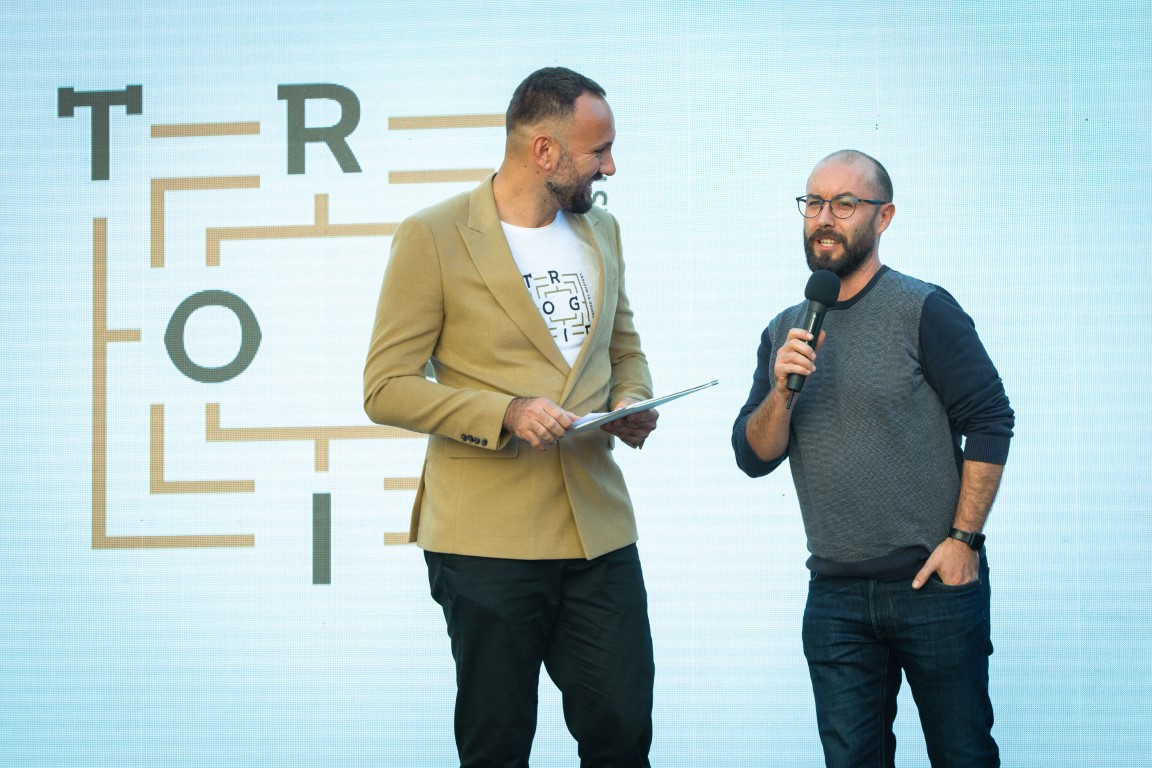
The City of Trogir unveiled a new branding strategy, a new visual identity and a new promotional video for the city. At an event in a crowded town square, the professional public and other citizens were presented with the project that Trogir made as the first city in Dalmatia. After a year and a half of work involving more than a hundred people in various ways, Trogir has become the first coastal destination to begin branding at such a serious and professional level.
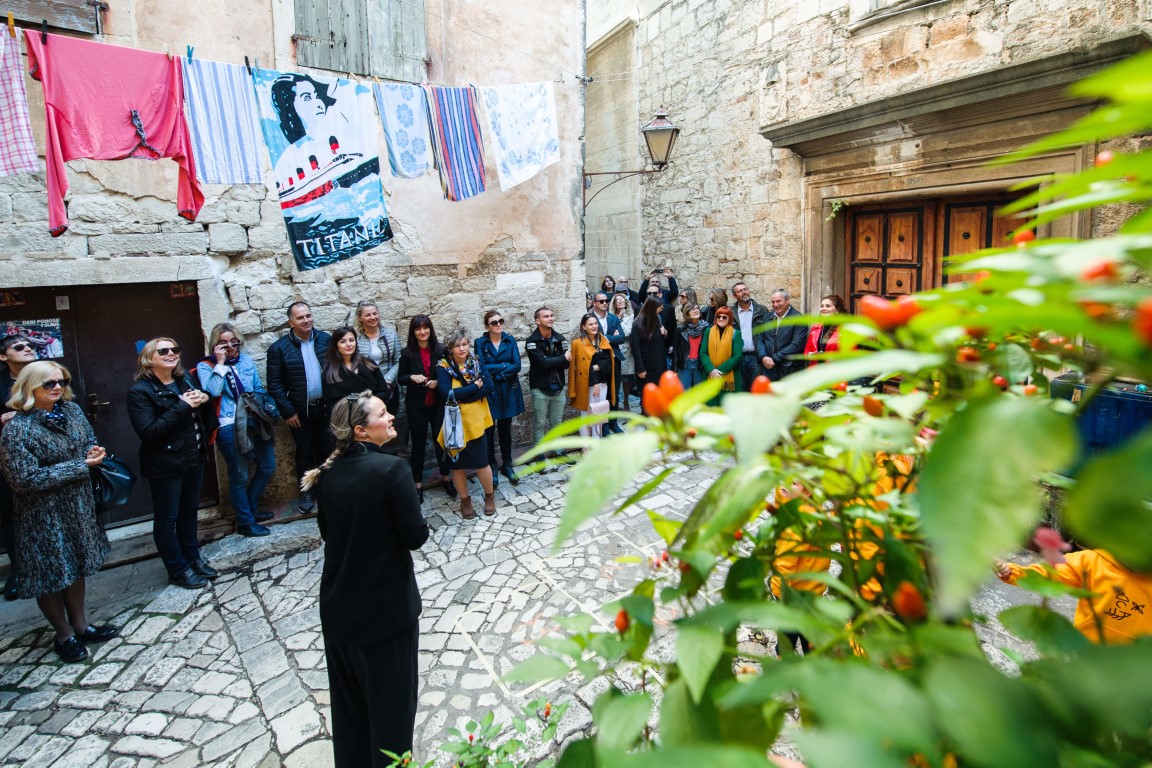
The aim of the project was to identify the features that distinguish Trogir from other cities and to shape them into a new slogan, logo and narrative that will be talked about primarily by the residents of Trogir, those who work in tourism, residents of this Dalmatian region, local and foreign tourists, and the media. The idea is that by using heritage and local specialities in a contemporary context and by enhancing authentic values, the city can be positioned not only as one of the most desirable Croatian destinations, but also Mediterranean destinations. The project is modelled after many European destinations, such as Glasgow, Eindhoven, Bologna, Berlin..., which, after branding, recorded a number of positive economic effects, all of which Trogir also wants to achieve.
“We decided to embark on this project because, by looking at foreign examples, we realised the positive impact that quality branding has on the lives of local people. We’re also aware that the market is changing and that only those who respond to the needs of today's tourists will be able to continue to develop without compromising the quality of life of local people. We wish, through branding, to profile ourselves among a number of similar destinations in the Adriatic and to become recognisable by the range of special features we have. Trogir deserves it primarily for the people who live here and create it, its beauty and heritage and the fact that it has been on the UNESCO list for 22 years,’’ said Mayor Ante Bilic, adding:
‘’We want to stop Trogir from becoming a fast food destination. I’m proud that we, and on such a high level, were the first in Dalmatia to launch such a complex project which is based not only on new and beautiful visuals, but on a strategy that should guide us in the coming years, and, I repeat, bring great benefits to Trogir and to our fellow citizens. There are still many steps ahead of us and we’ll certainly be learning as we go, but I hope that we will soon become a positive example and that other cities will follow us.’’
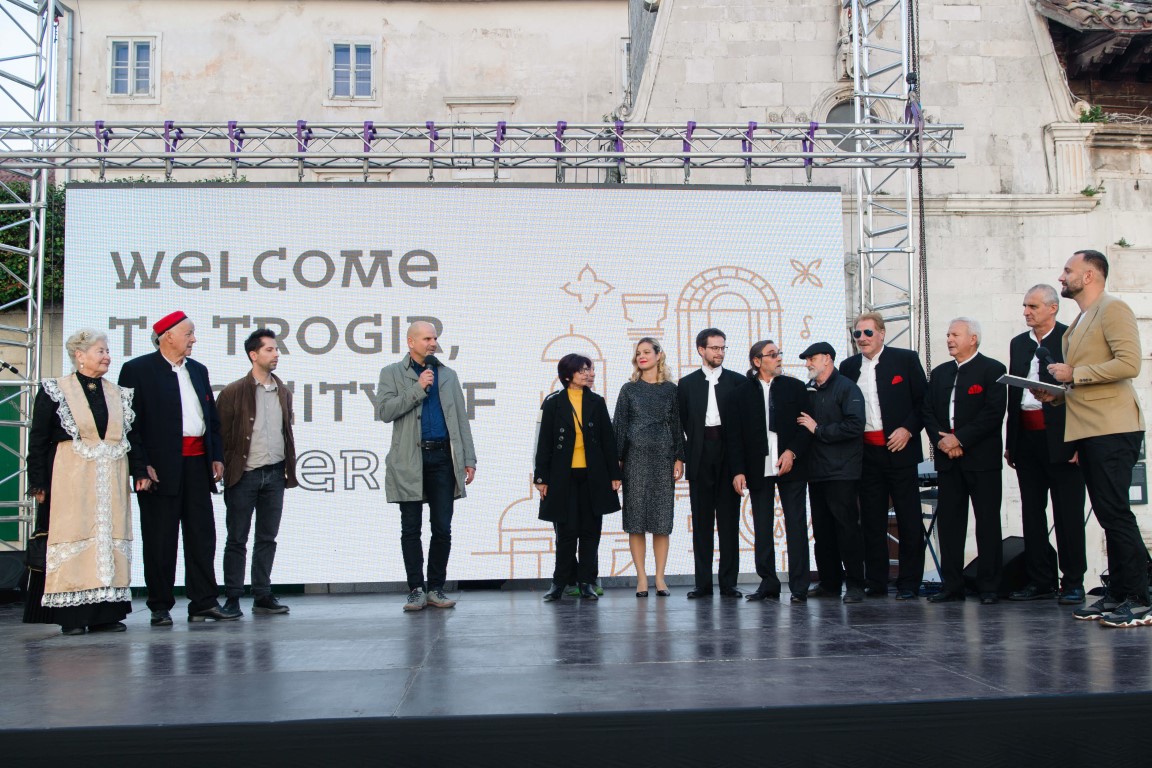
The project was worked on by the internationally award-winning Zagreb-based Fabular, a member of the REBRAND Hall of Fame™ Professional Association, among the top 25 brand consultants in the world, led by branding strategy director Anja Bauer, author of the proprietary "8 Branding Ingredients" formula and leading branding expert in Croatia.
In a process that lasted for more than a year, an extensive interdisciplinary survey was conducted on the perception, potential and challenges of Trogir, which analysed historical material, conducted surveys with locals and tourists, and talked to all meritorious people in the city - from historians, craftsmen, caterers, museum staff, City, Tourist Board, tourist guides…
"Working on Trogir’s branding was interesting, intriguing, invigorating, instructive. Trogir is a place that fascinated us with its beauty and its depth of meaning and we all enjoyed creating its story. Through our research, we’ve identified three key things, impressive features that make up the identity of Trogir. These are the continuities of life over 3600 years, then the great masters who have been operating there since the Middle Ages up to this day, and the indelible traces that these masters leave. These are the three main elements, the so-called sweet spot of Trogir, based upon which we created the strategy,’’ said Anja Bauer, owner and creative director of Fabular.
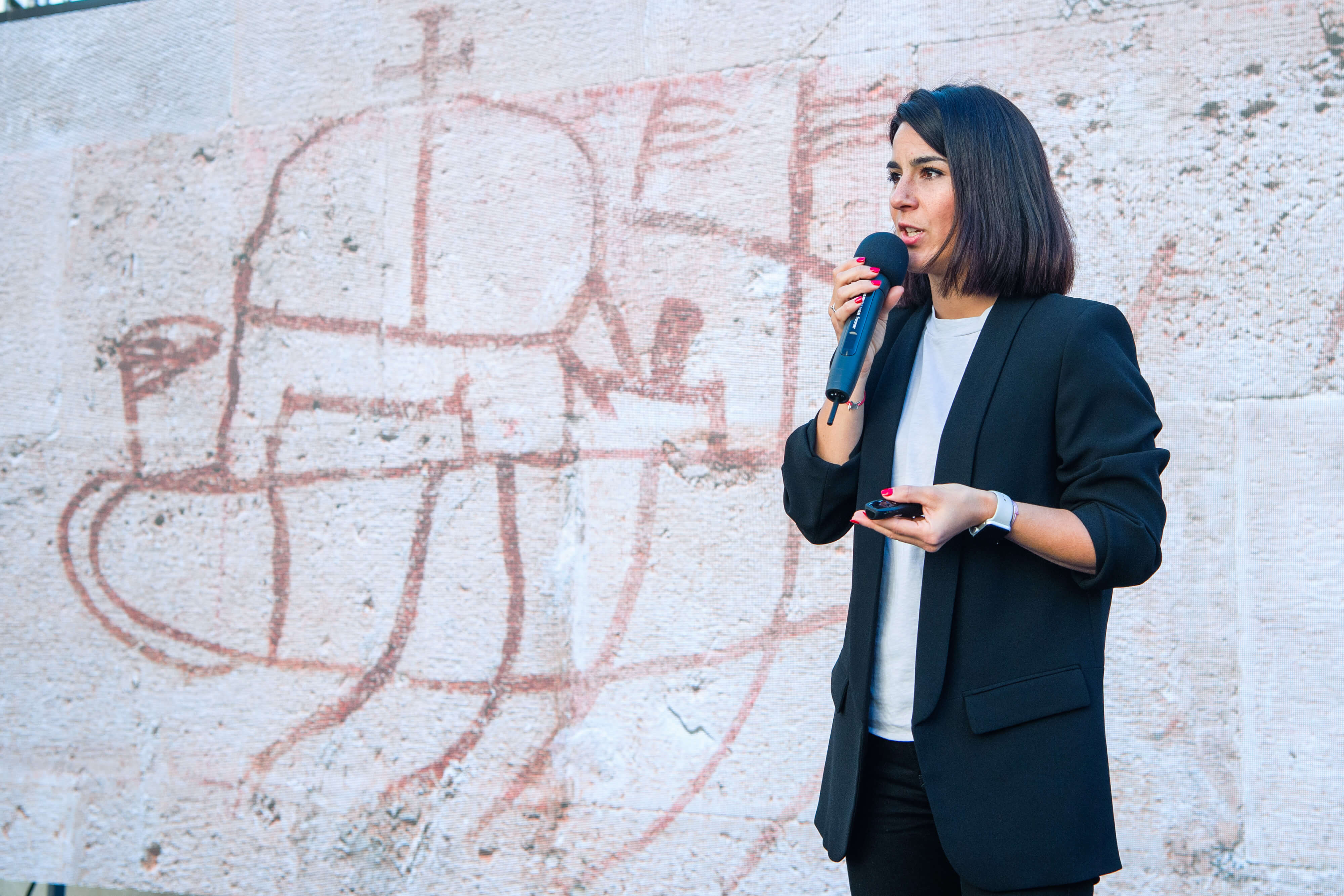
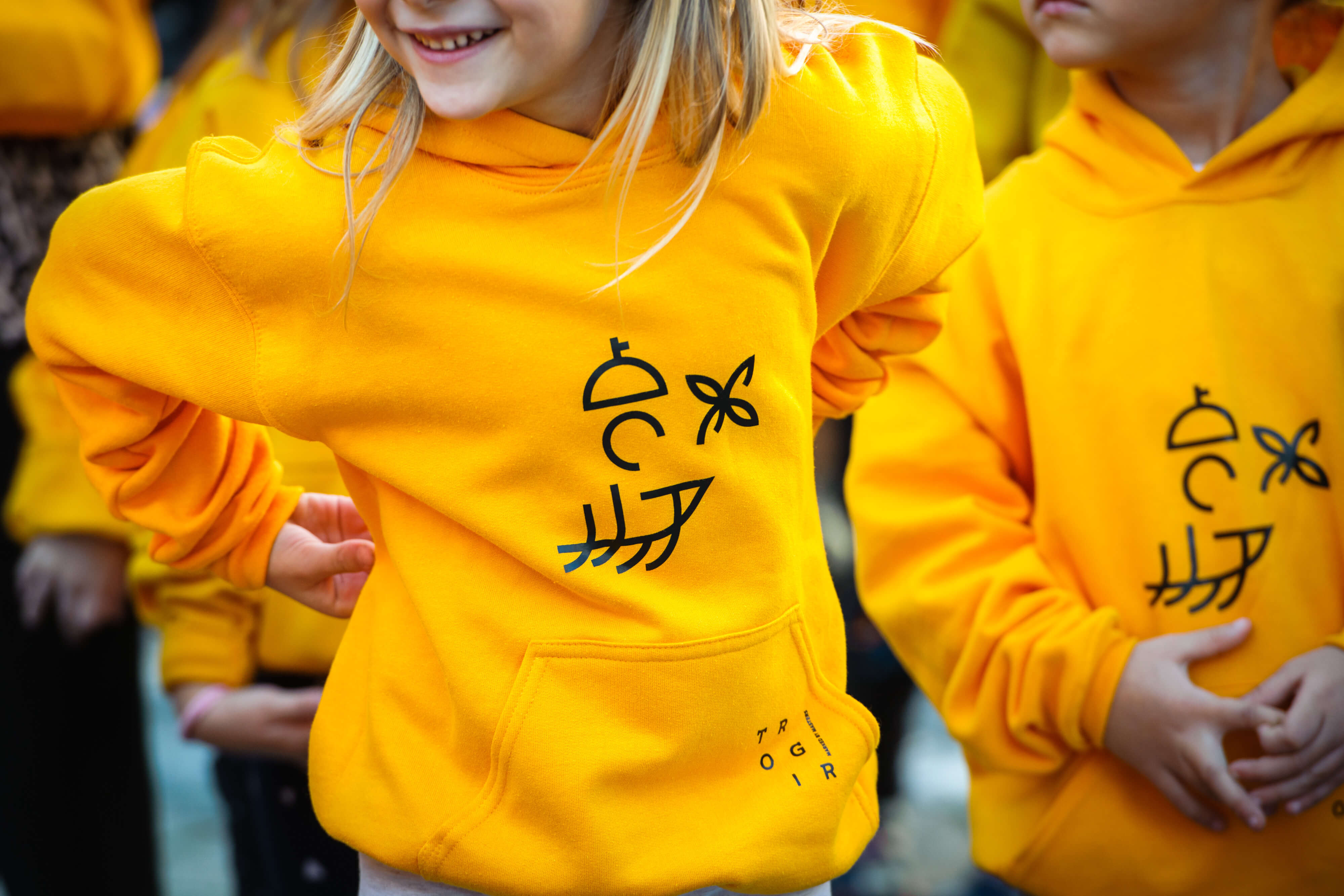
The author of the new visual identity of Trogir is Maja Bagic Baric, one of the most respected Croatian designers. Fabular found the signature of 13th-century master Muscardell in the interior of the Cathedral of Trogir. Nikola Đurek, Faculty Professor in Split and Zagreb, who is otherwise the most famous Croatian typographer, created a new font. In the creative process, a new city slogan was created: "Marked by Masters".
"The new visual identity of the city of Trogir outlines traces carved in stone and unique, world-class art. Inspiration was found in old traces, signatures and notes left by the medieval masters at the Cathedral of St. Lawrence and the Church of St. John the Baptist.
It is a trace of a mark in time that bears witness not only to the supreme creativity, but also to life and play - a prayer - a sailboat and a permit and the completion of construction of Radovan’s stamp. The logo depicts a the lines for a traditional game called Trlja (Mlin) carved in stone; it is one of the common clues left by the masters at St. Paul's Cathedral. St. Lawrence and the Church of St. John the Baptist.

It tells us about the simplicity and beauty of living in Trogir, and points out that in addition to magnificent buildings, the beauty of everyday life in Trogir is equally inspiring. A system of pictograms has been developed, inspired by the urban and artistic heritage of the city of Trogir, as well as outlining everyday life through the traces and graffiti left by the medieval masters builders, sculptors and stone-cutters who lived and created things here, who, centuries later, still vividly testify to the intertwining of the sublime and the living,’’ explained Anja Bauer.
The project has also seen a new promotional video of Trogir created, and behind the footage is the multi internationally award-winning Split cinematographer Milan Latkovic. The shooting lasted for 30 days, with five hours of footage, the first of which was created in a series of videos showing Trogir in a new light.
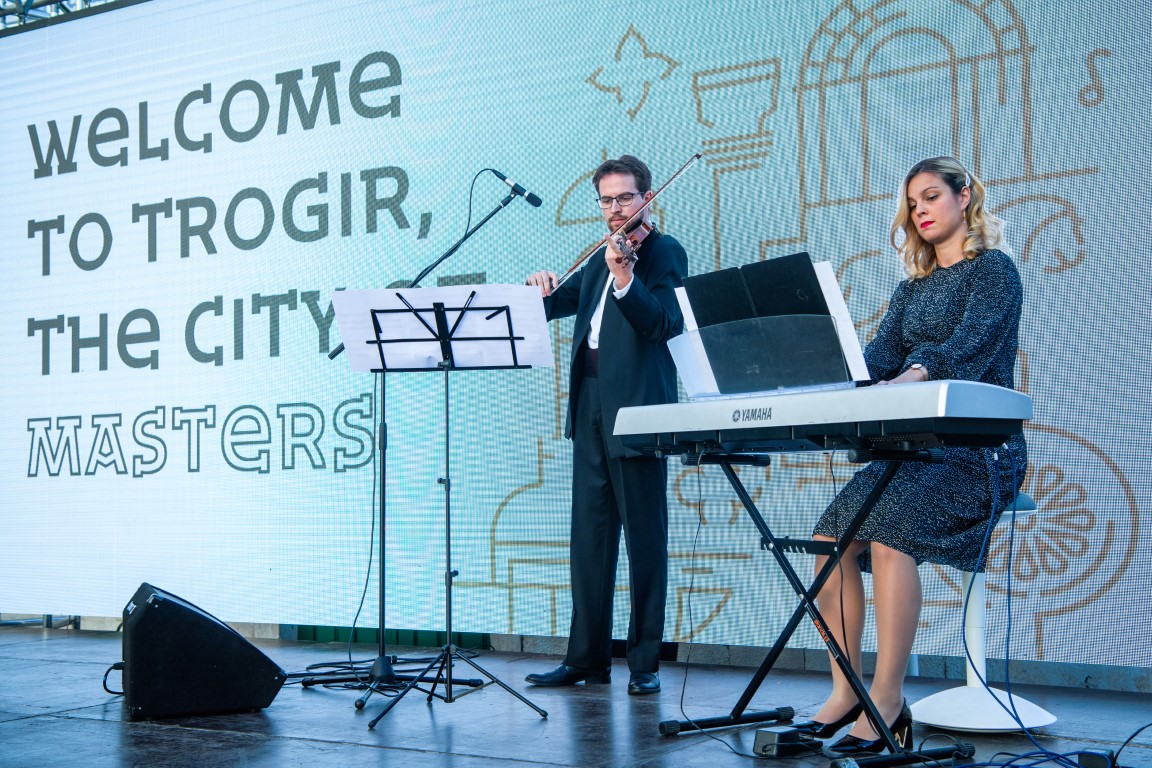
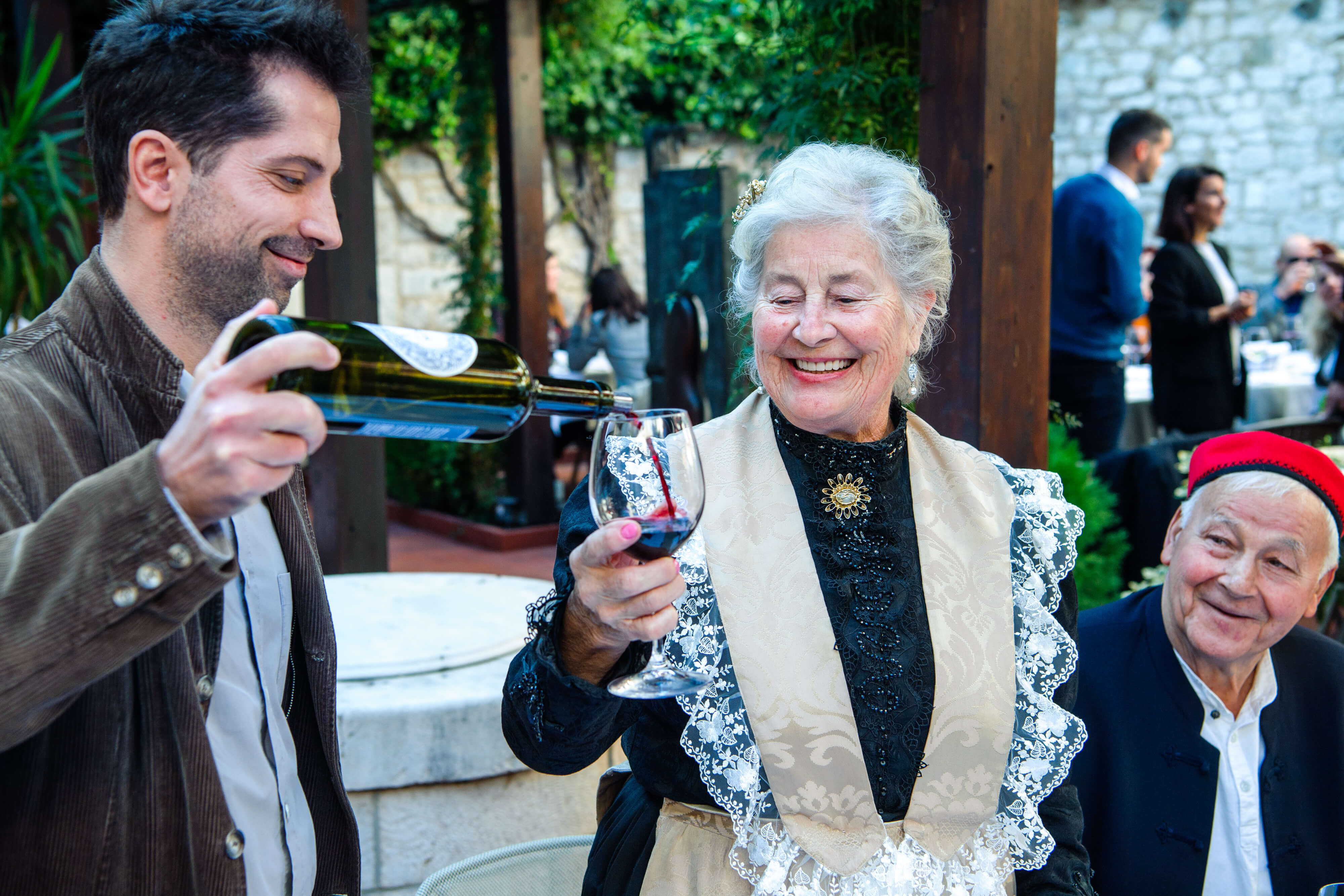
The video is special in that it involves many people, with an emphasis on craftsmen (masters), both those who created it, and many contemporary craftsmen - sculptors, painters, coralers, tanneries, as well as children from Trogir’s schools and kindergartens, athletes, grandmothers from the market and many others, olive growers, beekeepers, winemakers, chefs ..., all the people who make the city what it is.
"The filming was interesting and fun, and sometimes even dangerous, such as when we went into the apiary in shorts. There were also ankle twists along Trogir’s cobbles, the clouds knew how to cover the sun when it was not needed, but we still managed to capture everything just as we’d imagined.
There were days when we were filming at 12 o'clock, which at 35 degrees and when the sun is at its most fierce can be quite exhausting, but in the lives of me and my colleague Ratko Ilijic, this is common. All for a good shot. We met a lot of great people from Trogir and learned many things we didn't know about the city, even though we’d been there so many times before. We were most impressed by the craftsmen who work there and who haven’t been influenced by the negative effects of mass tourism, but who instead stick to tradition. It was challenging to reduce five hours of material don to just three minutes, but modern trends want short forms. Fortunately, we have so much great stuff captured that the plan and desire is to make a series of small videos in the next year in which we’ll show everything we filmed. It would be a shame not to see all that, too,’’ said Milan Latkovic.
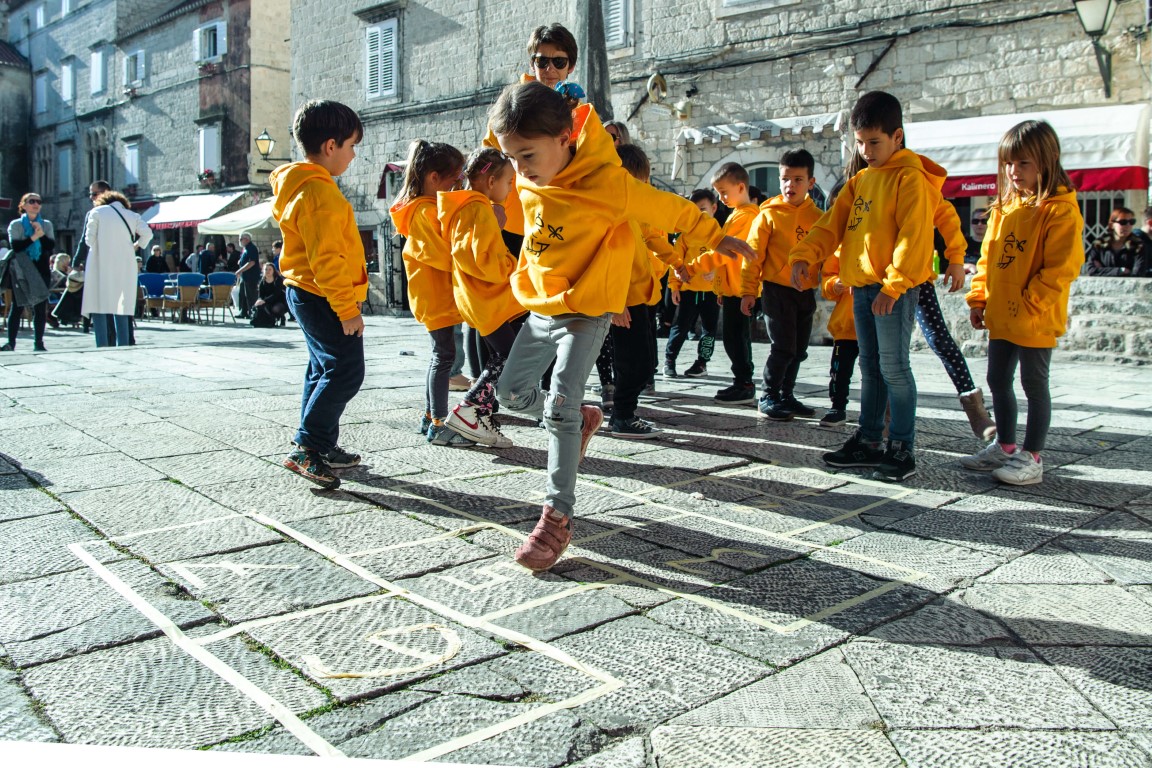
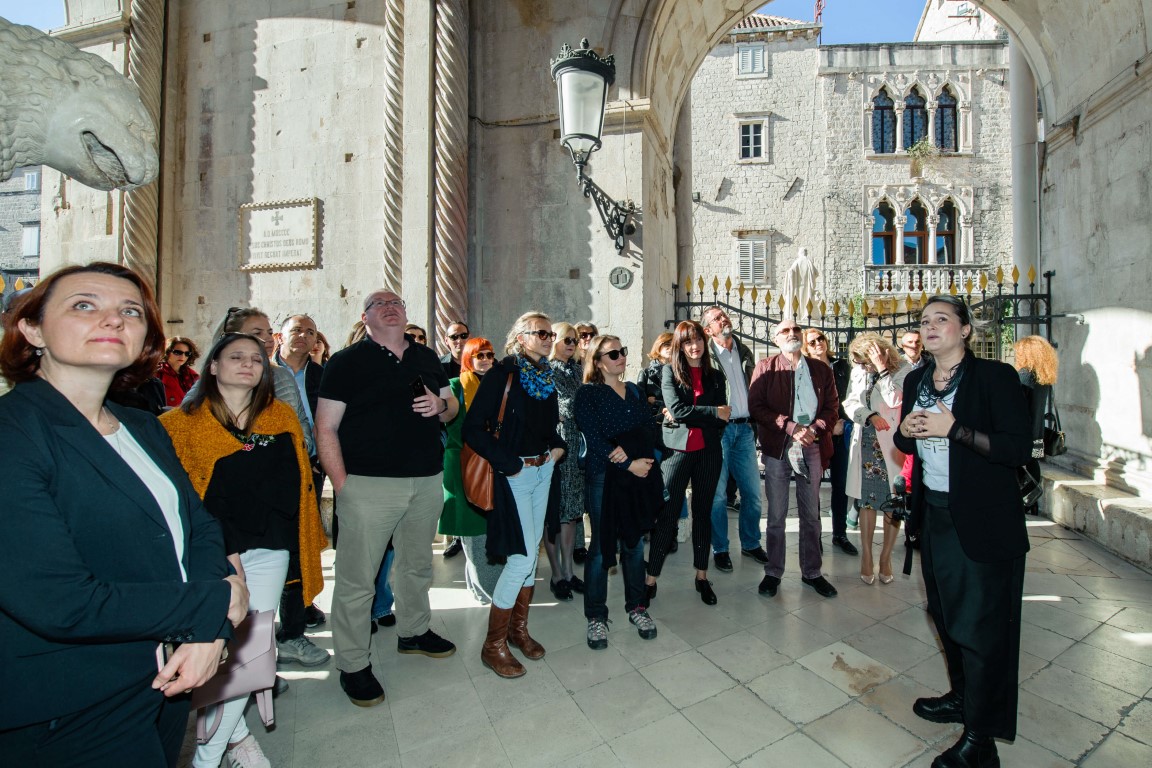
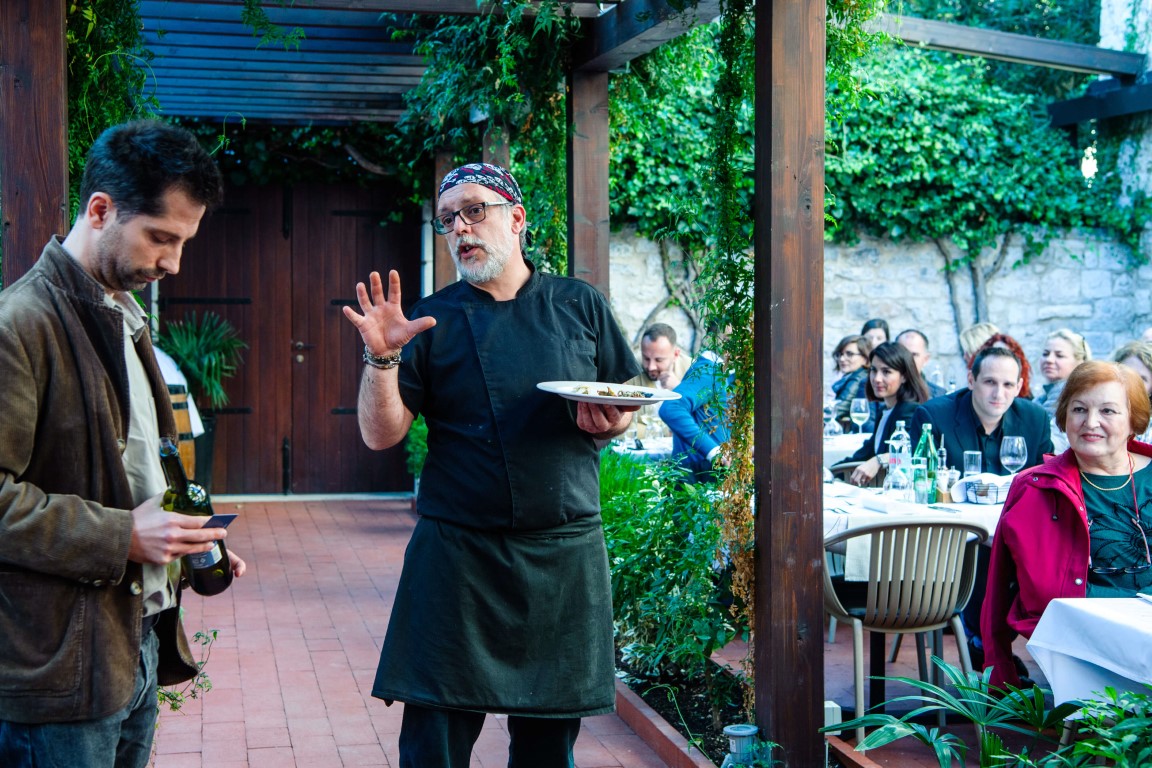
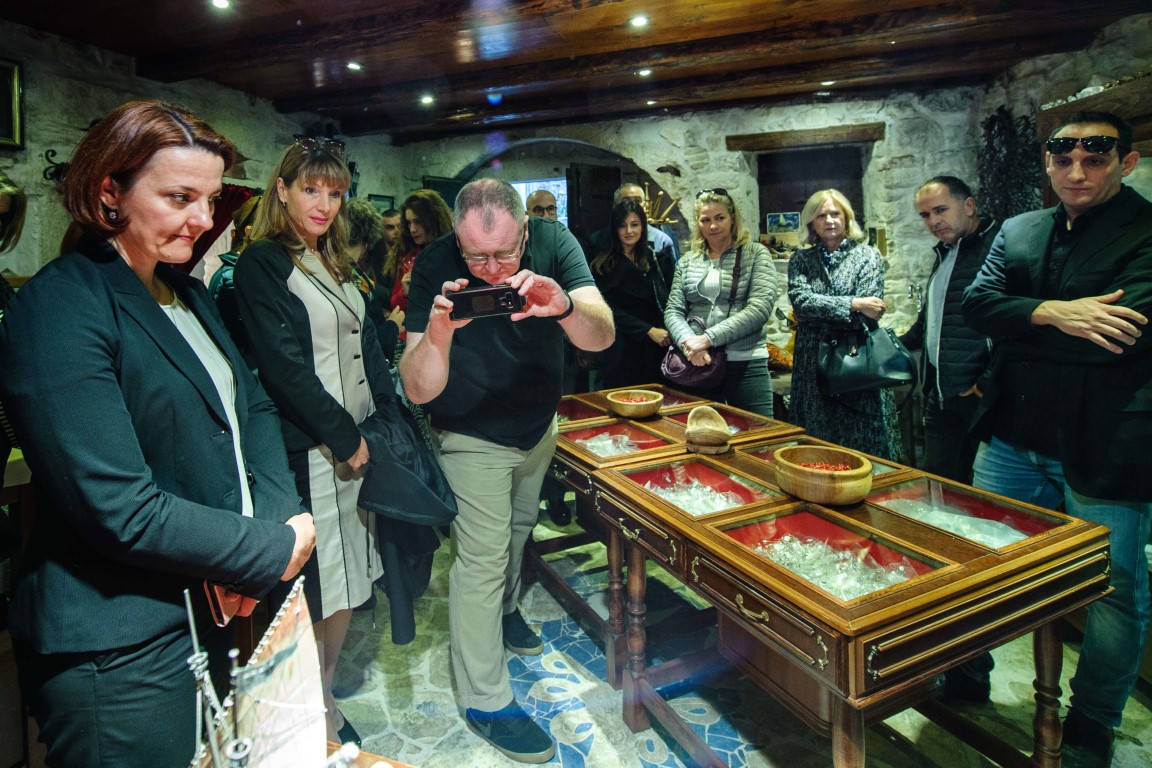
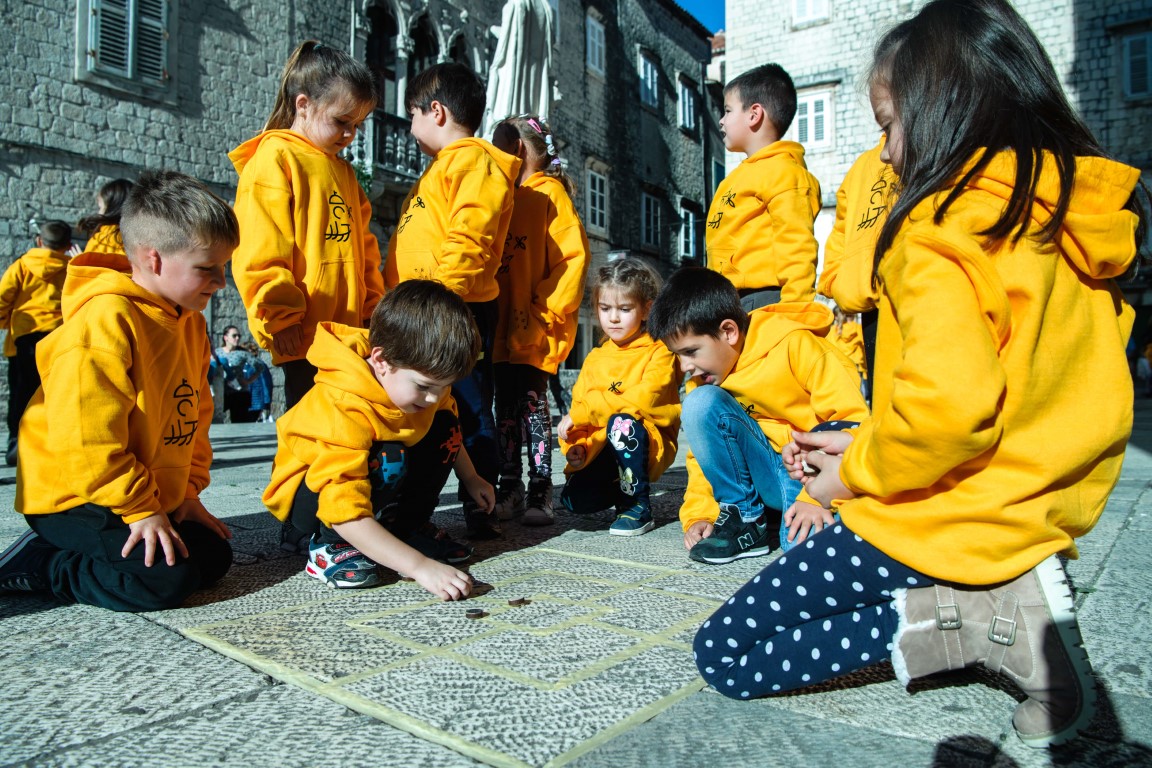
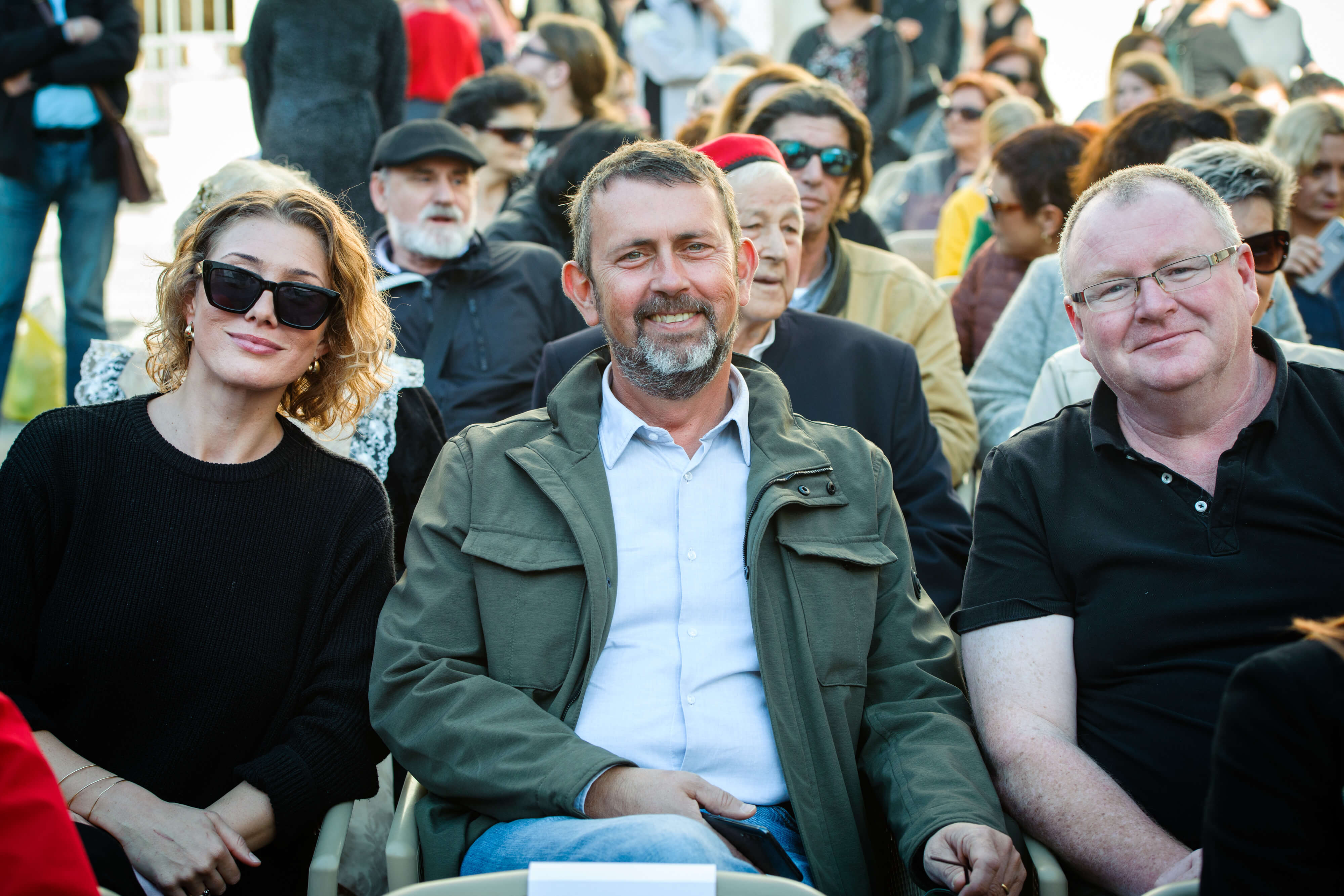
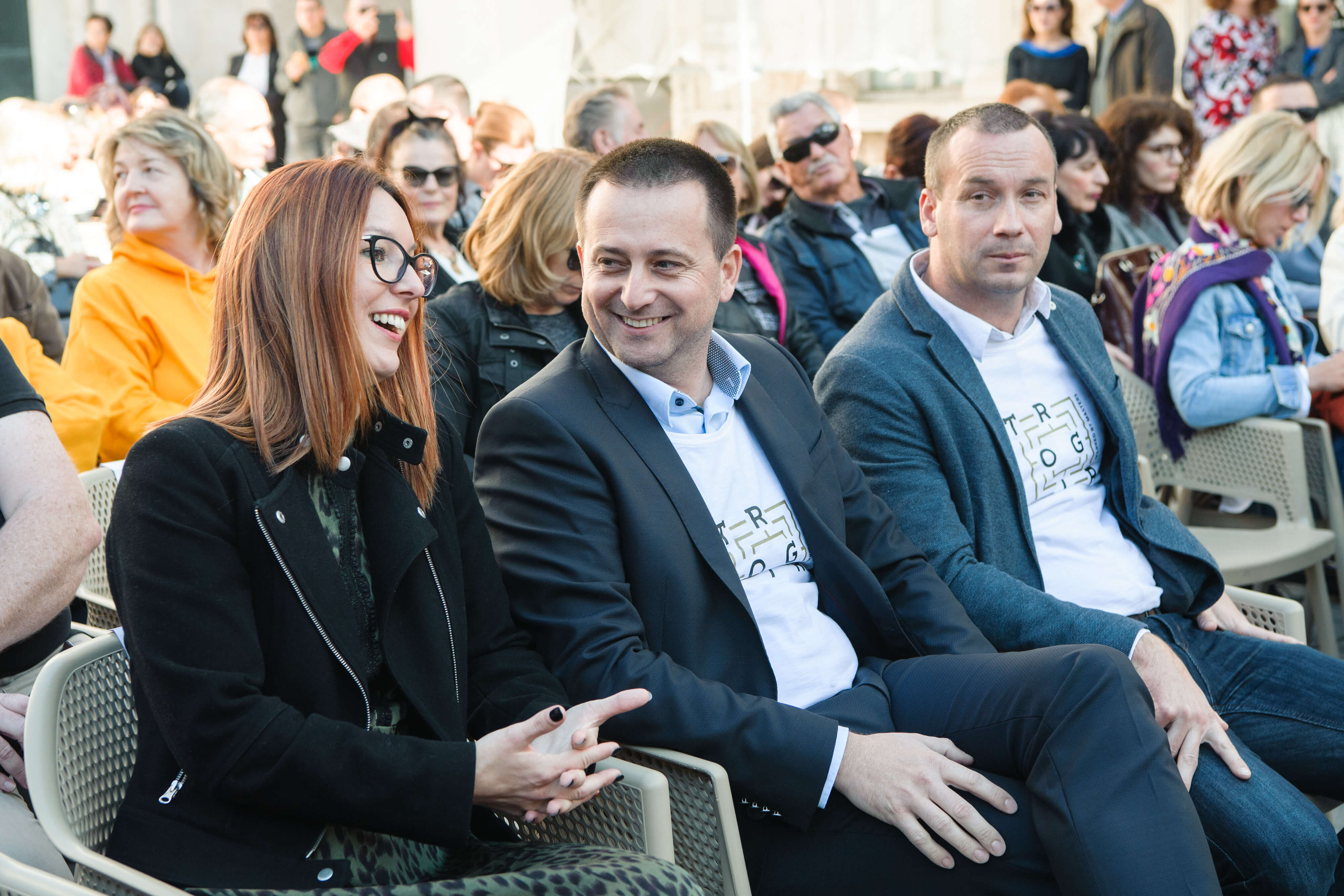
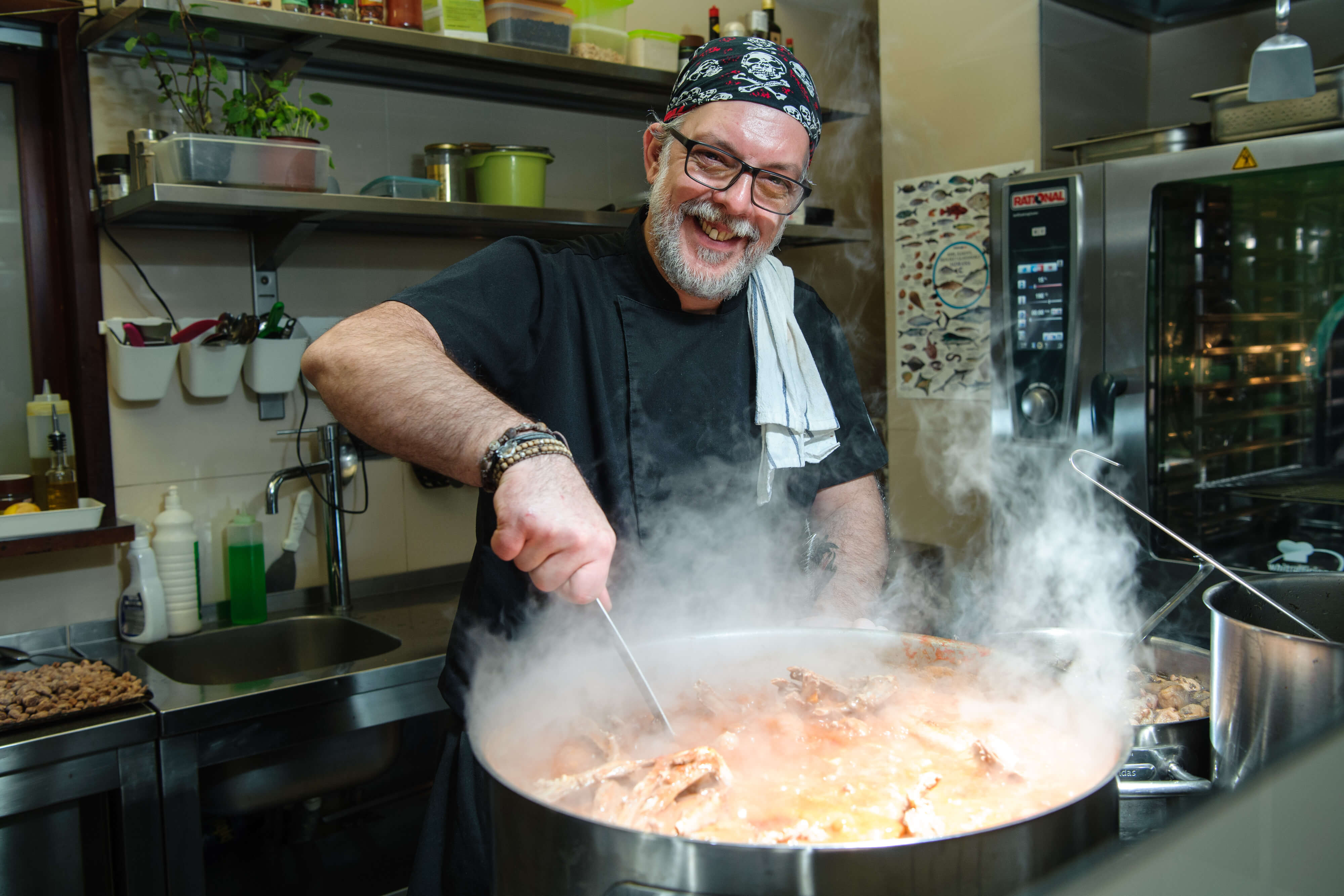
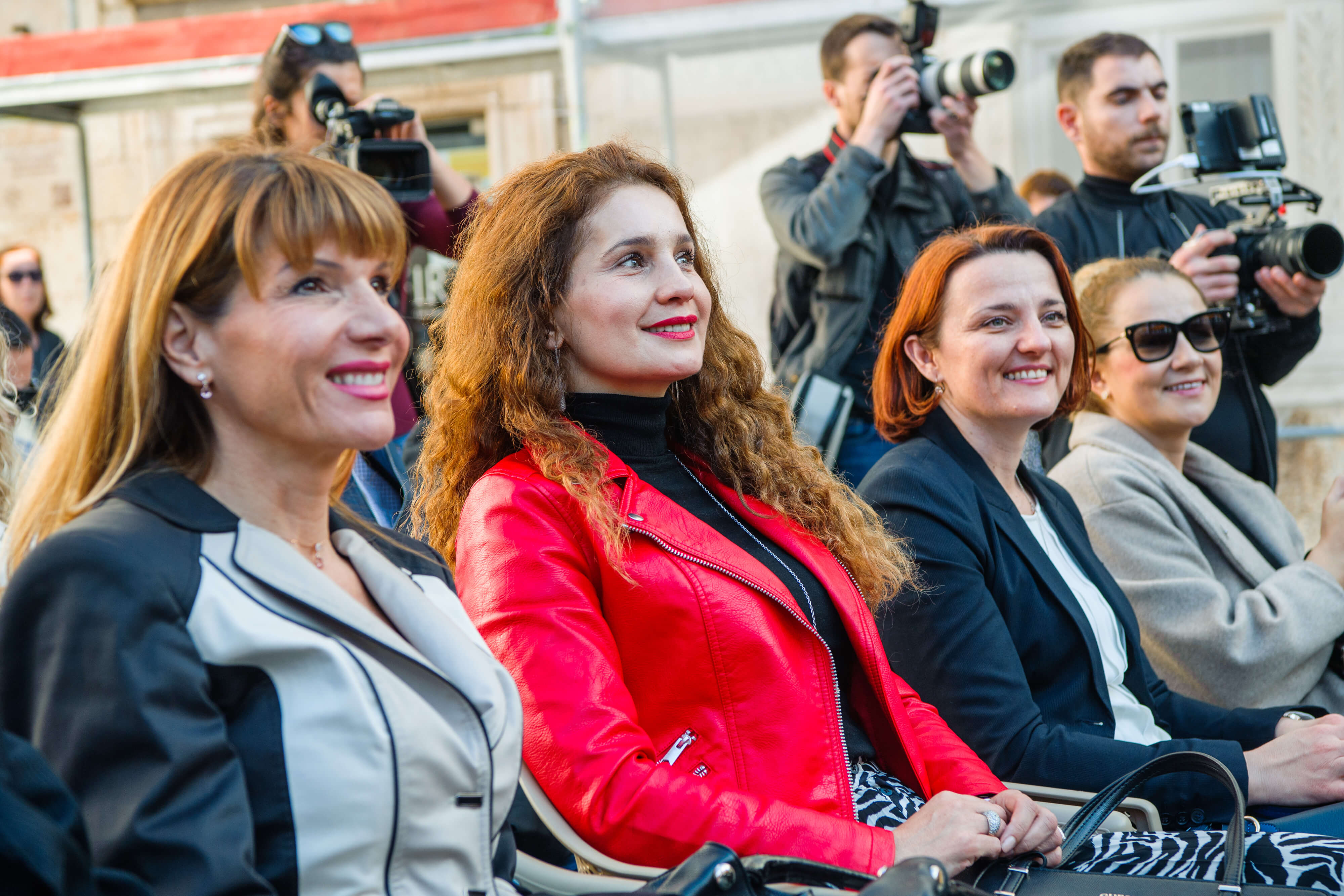
Many heads of tourist boards, tour guides, hotel and agency managers and other tourism professionals had the opportunity to visit the city for the first time today in a so-called masterful tour through which all the special features of the new branding of the city were shown, and the tour was led by an experienced guide, a Trogir native, Ana Tomić. The famous Trogir chef Robert Predrag Žmire also joined the project, not only as a face in the video, but also as the author of a special, modern menu made up of traditional Trogir dishes. For this occasion, children from kindergartens in Trogir worked on a project to play traditional games such as Trlja, with the aim of preventing them from escaping collective memory.
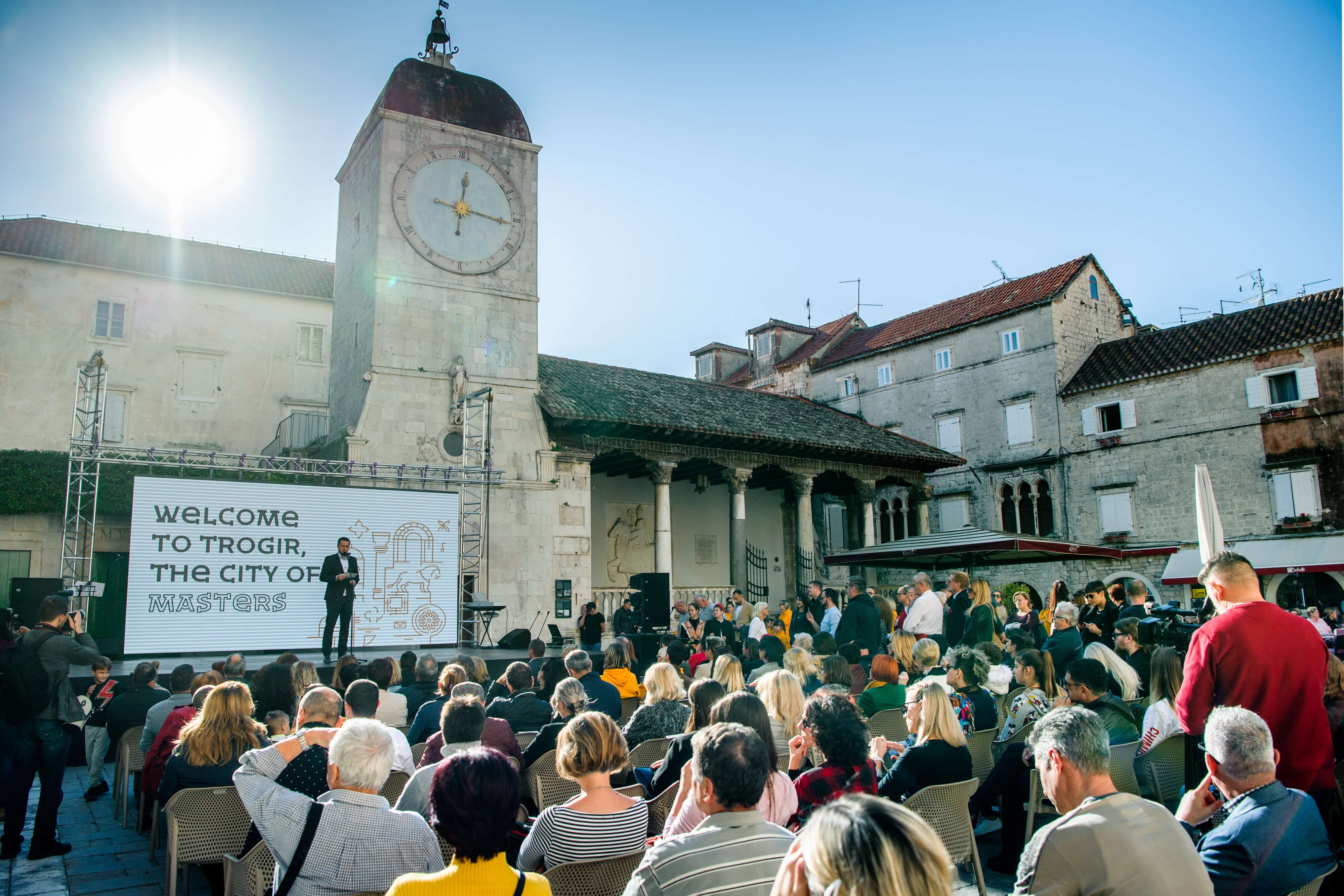
‘’The branding of a destination is very important, especially when it comes to tourist cities, for which tourism is one of the main branches of the economy. I really liked what I saw in Trogir and this is the direction that all Dalmatian cities should go in in terms of developing their brand, and I can say that Split is going in that direction as well,’’ said Alijana Vukšić, director of the Split Tourist Board.
In the coming years, the implementation of this project will follow, aiming at what everyone wants - to attract the more affluent, the so-called cultural tourists who stay longer and spend more through the revitalisation of neglected and hidden locations, both in the core and beyond, then the lengthening of the season, holding ‘’master’’ workshops, organising various events which encompass Trogir’s new brand throughout the year, cooperating with universities, hosting art colonies, and sports competitions.
Find out more about Marked by Masters and Trogir's branding by watching the video below:
Follow our dedicated travel page for more information on Trogir, Marked by Masters and much more.
Slavonia to Dalmatia in Under 4 Hours: The A1 Motorway
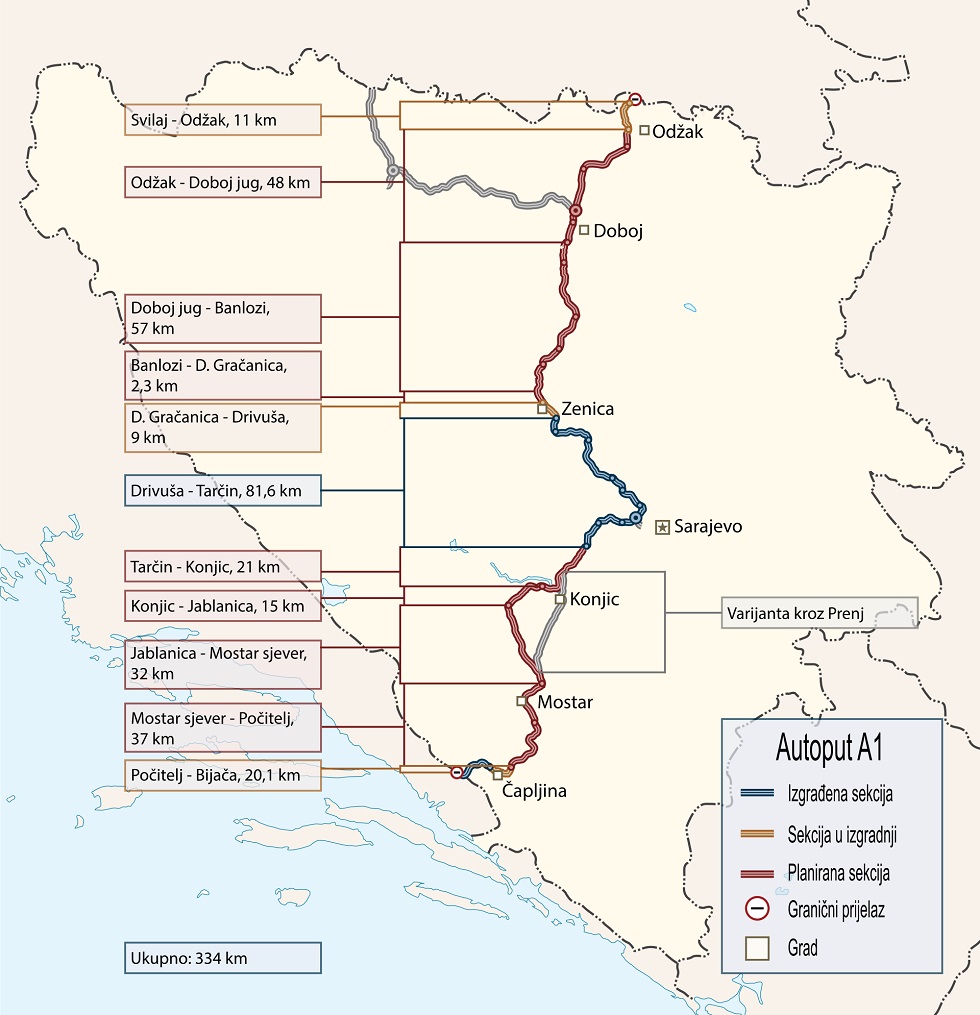
The Autoput A1, a motorway which will run through Bosnia and Hercegovina, is currently under construction. It will span 334 km when completed and will be the fastest route between Slavonia and Dalmatia.
Why is the A1 important for Croatia, Slavonia and Dalmatia?
According to Google Maps, it currently takes roughly the same amount of time (7 hours) to drive from Osijek (in Slavonia) to Ploče (in Dalmatia), either by staying within Croatian borders or crossing through Bosnia. The Croatian route is a 784 km drive, while current routes through Bosnia are up to 200 km less. Nevertheless, the drive through Croatia remains on four-lane motorways, which are built for speeds of up to 130 km, while the two routes through Bosnia mostly involve two-lane roads where speed limits vary, but are capped at 80 km.
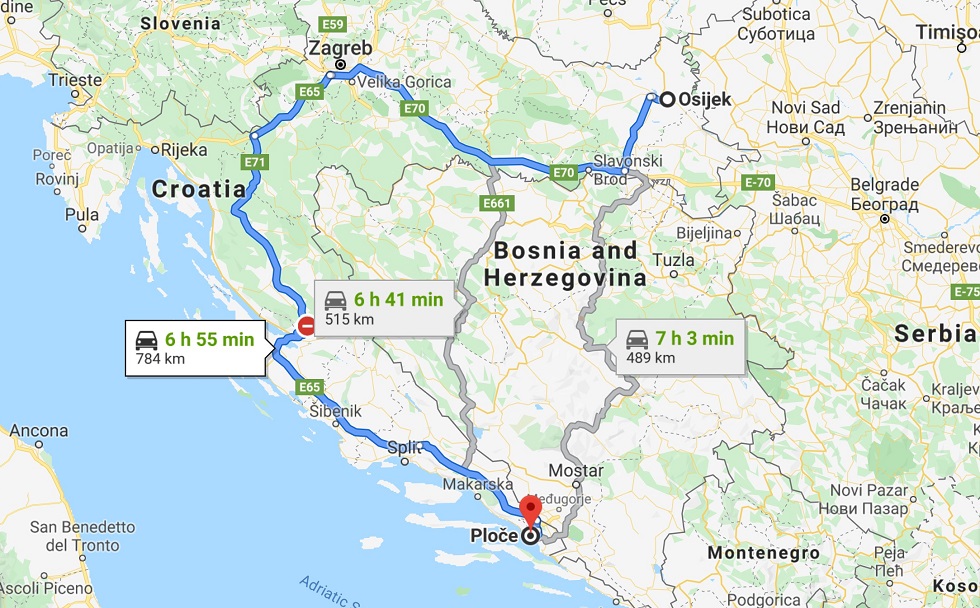
The Autoput A1, which will span Eastern Bosnia, will be an estimated 334 km in length. It is approximately 72 km from Osijek to the Bosnian border, and about 24 km from the Bosnian border to Ploče. Once the A1 is complete, it will be a about a 430 km drive from Osijek to Ploče, which is 354 km less than the current Croatian route and will take less than 4 hours!
The route also provides a faster connection from the rich agricultural region of Slavonia to the Port of Ploče, a key Adriatic port in Southern Dalmatia.
Why is the A1 important for Bosnia and the entire region?
As well as providing a connection to the Port of Ploče, the A1 will connect four major Bosnian cities: Doboj, Zenica, Sarajevo and Mostar. It also connects Međugorje, Kravice and Počitelj; all of which are world-class tourist destinations.
The A1 is part of European Route E73/Corridor Vc, which will connect the above-mentioned towns and cities to Budapest, Hungary.
What are the environmental concerns?
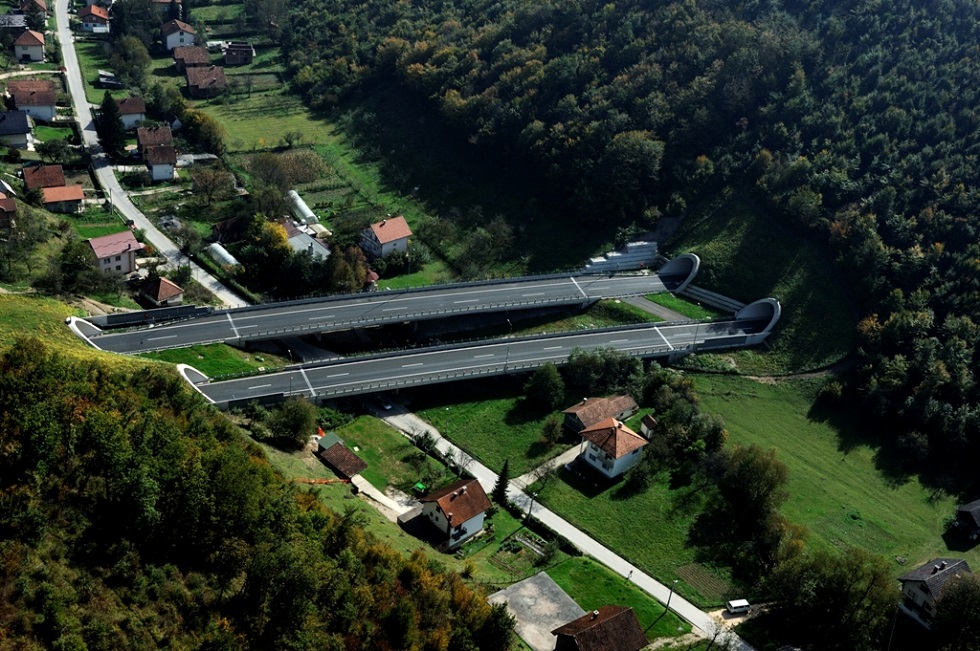
The A1 highway route has been criticized by environmentalists, concerned citizens, and factions of the academic community and media for its encroachment on many endangered natural phenomenon, habitats and traditional ways of life in the Dinaric karst region.
This is especially emphasized in the region of Herzegovina where most of Bosnia and Herzegovina's karstic topography and biodiversity can be found. Planners have been addressing concerns by proposing variants to the route in the problematic sections.
How much of the A1 has been completed? What areas are currently under construction?
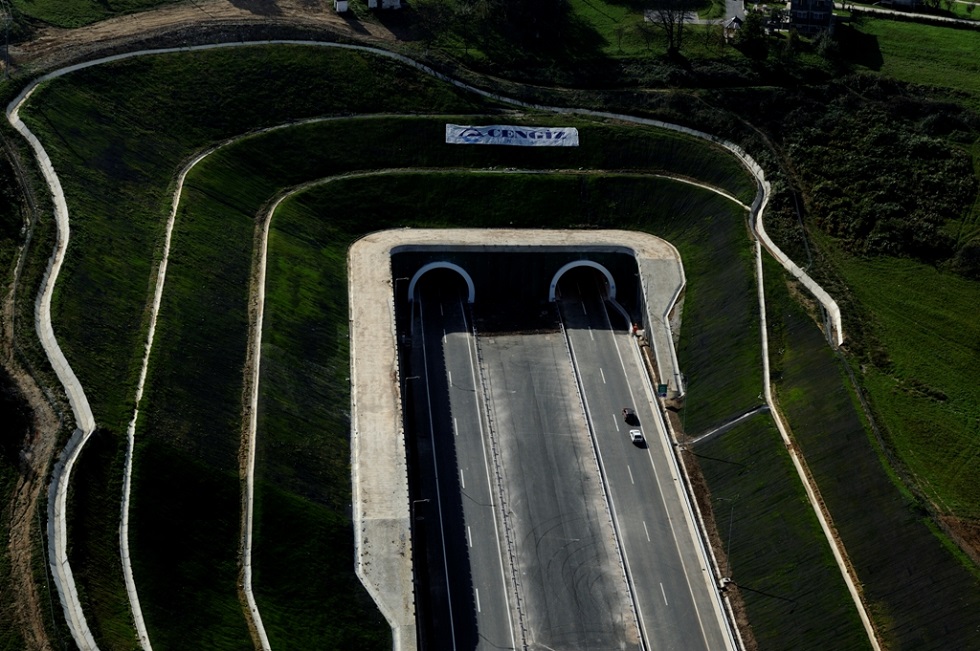
About 90 km of the 334 km route have been completed so far. Those areas include an 81 km span between Drivuša and Tarčin and a 10 km span between Bijača and Čapljina.
There is 30 km of motorway under construction in the following regions: 11 km between Svilaj and Odžak and 9 km between D. Gračanica and Tarčin. The 10km between Čapljina and Počitelj, was recently contracted to China State Construction Engineering Corporation Limited and is scheduled for completion in 2021.
This means that there will be about 120 km of the 334 km route completed within the next couple of years.
Here is a video from JP Autoceste FBiH, which provides an overview of the route:
And a September 2019 video update on the section between Vranduk and Ponirak (near Zenica):
For more information and updates on the construction of the A1, check out the JP Autoceste FBiH website here.
To follow infrastructure developments and updates in Croatia and neighboring countries, follow our Travel and Lifestyle pages.
Milanović Stops Collecting Signatures after Surpassing Required Number
ZAGREB, November 25, 2019 - After the leader of the Reformists party, Radimir Čačić, presented signatures collected in support of Zoran Milanović's candidacy in the presidential election, Milanović's campaign headquarters decided to cease collecting signatures as it had more than necessary.
The signatures collected will be submitted to the State Electoral Commission (DIP) tomorrow already it was said.
Čačić said that they had collected 7,554 signatures and that they had planned to collect 20,000 to support Milanović who is being backed by 13 centre left parties.
On 16 November, Čačić said that as "a sign of the party's strength and the party's support," the Reformists would collect 20,000 signatures for Milanovic, 10,000 more than he is required to submit for his presidency bid.
Čačić today "accused" Orsat Miljenić, who is running Milanovic's campaign, for the smaller number of signatures collected because Miljenić decided that instead of collecting signatures for 12 days as prescribed by the electoral law, signatures were collected for only two and a half days.
More news about Zoran Milanović can be found in the Politics section.
President Supports Initiative for Work-Free Sunday
ZAGREB, November 25, 2019 - President Kolinda Grabar-Kitarović said on Monday that she supported an initiative to for non-working Sunday, announcing that she would ask the relevant ministry to consider the proposal to adopt legislation that would protect workers and assist families.
After the president receives representatives of the Croatian Sunday Alliance in her office, one of the representatives for the alliance and former MEP, Marijana Petir underscored that Sunday was family time.
She presented findings of a survey showing citizens see Sunday as family time which is why they ask for non-working Sundays. The survey conducted earlier this year show that 82 percent of Croatians support the introduction of a work-free Sunday in all stores in Croatia. The survey covered 1,000 respondents.
The biggest problem, she added, was seen in the retail sector where the majority of workers are women who work non-stop and sometimes for several weeks without one day of rest and earn a minimum wage even though most retail chains owned by foreigners are closed on Sundays in their countries of origin.
The alliance president, Friar Božo Vuleta, says that not only do stores that are open on Sundays fail to contribute to the economy, employers themselves have realised that due to the drain of the labour force, staying open on Sundays is not worth it and many of them are hopeful that legislation will be adopted banning work in the retail sector on Sunday. Some have even decided of their own accord not to work on Sundays.
"A new law would just reflect real needs and the will of almost two-thirds of Croatian citizens, Vuleta said.
The leader of the retail segment in the SSSH trade union federation, Zlatica Štulić, confirmed that there was no need for stores to remain open 0 to 24 hours, 365 days of the year because the social damage of that work were far greater than economic benefit with regard to deterioration of workers' health.
More Politics news can be found in the dedicated section.
Investments in Transport Infrastructure Worth More Than 2.7 Billion Euro
ZAGREB, November 25, 2019 - Transport and Infrastructure Minister Oleg Butković on Monday said that investments in Croatia's transport infrastructure were valued at more than 20 billion kuna and that most of these investments went to the road sector.
Butković was attending a conference on the future of Croatia's transport system, organised by the Via Vita roads' association, about current road, railway, sea and air transport and of the strategy, financing, public procurement, and construction of infrastructure.
Commenting on the ongoing projects, he cited the future Pelješac Bridge, a bypass road around Omiš, an access road to the Rijeka ring road and so on.
Speaking of procurement procedures, Butković made reference to long appeals procedures which often make it difficult to close financial constructions for various projects.
He added that the law that regulates this has been aligned with EU directives and that a balance needs to be found so that appeals processes are resolved more quickly and that possible abuse is diminished.
As for road transport investments, he also mentioned projects referring to the infrastructure within the pan-European 5C corridor, the motorway to Sisak, the Istria Y-motorway and the future, second tunnel through Učka as well as completing the Zagreb-Macelj motorway and fast roads in Zagorje, Bjelovar.
"We need to be grateful for EU funds, which help us to resolve large investment," he underscored and added that along with economic growth, Croatia's budget is all the more stable and is opening opportunities for the country to slowly resolve the question of investments from the state budget in collaboration with international institutions.
More transport news can be found in the Business section.
Croatian Prosperity: Where Does Croatia Stand Within Immediate Region?
What does Croatian prosperity look like on a map of its immediate region, Eastern Europe, Europe as a whole and indeed when compared with the rest of the world? What has improved and what has become worse?
As Poslovni Dnevnik writes on the 25th of November, 2019, according to the Legatum Institute of London - as is the case with most of Eastern Europe, of which Croatia is listed as a part of, the Western Balkan countries are ranked lower on the Prosperity Index in terms of personal freedoms, social capital and the natural environment.
The Western Balkan countries have made progress in general prosperity over the past decade or so, meaning that Croatian propserity has taken steps forward, but they're generally lagging behind in terms of progress in personal freedoms, social cohesion and the environment, as is shown quite clearly by the annual Legatum Institute Prosperity Index of London, Radio Free Europe reports.
Globally, prosperity continues to improve and the world is more prosperous now than it has ever been. On the other hand, the gap between the countries with the best and worst results continues to widen, while the stagnation of institutions keeps global prosperity from improving more.
"The very good news is that the index shows that prosperity is continuing to grow globally, both over the last year and consistently since 2007," said Philippa Stroud, director of the Legatum Institute. She added, however, that further improvements in global prosperity have been slowed by the weakening of personal freedoms as well as in the area of governance.
In this year's Prosperity Index, Denmark has replaced Norway by taking first place, and North America remains the most prosperous region of all, although the stagnation of prosperity in that part of the world is reducing its gap with Western Europe.
Of the Western Balkan countries, Montenegro is ranked 50th on the Prosperity Index list. It is followed by Serbia in 52nd place, Northern Macedonia in 54th place, Albania in 65th place and Bosnia and Herzegovina in 70th place. According to the Legatum Institute, Kosovo is among the countries not included on the Prosperity Index due to insufficient access to the necessary data.
Social capital measures how cohesive a society is in terms of trust, respect and assistance among its members, as well as in relation to institutional structures.
From Eastern Europe, Estonia is the 21st highest on the Prosperity Index list. Then come Slovenia (27), Czech Republic (28), Slovakia (32), Lithuania (33), Latvia (35), Poland (36), Croatia (45), Hungary (46), Romania (47) and Bulgaria (49).
At the very bottom of the list of Eastern European countries lie Belarus (73rd on the global list), Russia (74), Moldova (81), Azerbaijan (92) and Ukraine (96).
Over the past decade, at least according to the Legatum Institute, all Eastern European countries have recorded improvements in market access and market infrastructure, as well as in living conditions.
Additionally, social capital, which was generally weak in Eastern Europe, improved in 17 of the 23 countries in the region, with Bosnia and Herzegovina rather surprisingly having the largest improvement of them all.
On the other hand, personal freedom in Eastern Europe has deteriorated more than in any of the regions, with only eight of the 23 countries having improved since 2009. Hungary recorded the largest deterioration of all countries, significantly reducing freedom of assembly, association and speech.
Although Eastern Europe has experienced overall deterioration in security over the past decade, there have been improvements in 18 of the 23 countries. The deterioration in the region in this regard is mainly due to the war in eastern Ukraine.
The top ten countries in the Prosperity Index are Denmark, Norway, Switzerland, Sweden, Finland, the Netherlands, New Zealand, Germany, Luxembourg and Iceland. These countries were in the top 10 years ago, though in the meantime, another Northern European country, the United Kingdom, entered the top 10 but then dropped out.
The last 10 are Sudan, Burundi, Eritrea, Somalia, Democratic Republic of the Congo, Afghanistan, Chad, Central African Republic, Yemen and South Sudan.
In the list of regions, behind North America, which covers only the United States and Canada, are Western Europe, Eastern Europe, Latin America and the Caribbean, Asia Pacific, Middle East and North Africa, as well as Sub-Saharan Africa.
Make sure to follow our dedicated lifestyle page for much more on Croatian prosperity.