

Tokić Hrvatska: mjesto gdje je prodaja auto dijelova zabavna
14. prosinca 2019. - Od male obiteljske tvrtke s jednom prodavaonicom od 35 m2 1990. do mjesta na listi 50 najinovativnijih kompanija u Europi Londonske burze. Upoznajte Tokić Hrvatska.
Jeste li znali da je Peter Altmaier, njemački ministar gospodarstva i energije posjetio hrvatsku automobilsku kompaniju prošli mjesec, da bi saznao više o inovativnim tehnikama u industriji u kojoj je Njemačka globalni lider? A pritom ta kompanija nije bila Rimac automobili?
Postoji ta izreka da će vam Hrvati oprostiti sve osim uspjeha. To je jedan od razloga zašto priče o uspjehu u Hrvatskoj često prolaze ispod radara, zašto je toliko ljudi negativnog stava o poslovnoj klimi ovdje te zašto se odlučuju na emigraciju. TCN je nedavno odlučio istaknuti te uspješne priče, da bismo pokazali da postoje mnoge hrvatske kompanije koje rade sjajan posao na europskom i svjetskom tržištu. A što više takvih priča objavljujemo, to više dobivamo mailova s pozivima da upoznamo i druge uspješne poslovne priče.
I iako zaista volim vidjeti pozitivnu stranu bilo čega, bio sam zaista sumnjičav kada sam primio poziv da posjetim kompaniju koja je bila toliko agilna i inovativna da su joj njemački ministri dolazili odati priznanje.
Tvrtka koja prodaje auto dijelove? Smještena u Sesvetama, na istoku Zagreba? Stvarno?
Tokić Hrvatska je ime koje dobro poznajem - nemoguće je ne poznavati ga ako vozite automobil u Hrvatskoj. Najveće su ime u prodaji auto dijelova, ali zaista nisam nikada o njima razmišljao dok me nisu pozvali da ih posjetim u središtu tvrtke u Sesvetama. Otišao sam više iz pristojnosti - kako bih mogao vidjeti išta zanimljivo u tvrtci koja prodaje auto dijelove?
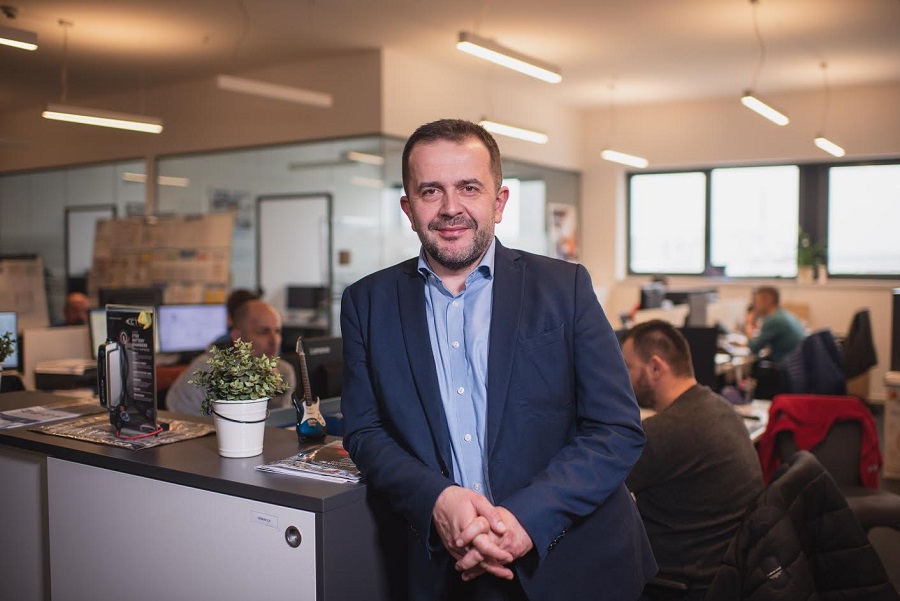
Pa, što reći, jesam li mogao biti više u krivu?
Nije mi dugo trebalo da shvatim da sam u posebnom okruženju, koje je svjetlosnim godinama udaljeno od tipičnog hrvatskog načina razmišljanja o poslu, i koje ne vidi prodaju auto dijelova kao glavni fokus, što mi je iznimno karizmatični CEO Ivan Gadže objasnio jednom rečenicom:
"Mi ne prodajemo auto dijelove, mi izrađujemo ljude."
Pristup kod Tokića je toliko revolucionaran da, kad je hrvatski web portal o njima posao priču 2016., naslov je bio nešto poput - Je li ovo Google ili Facebook? Ne, Tokić. London ili New York? Ne, Sesvete.
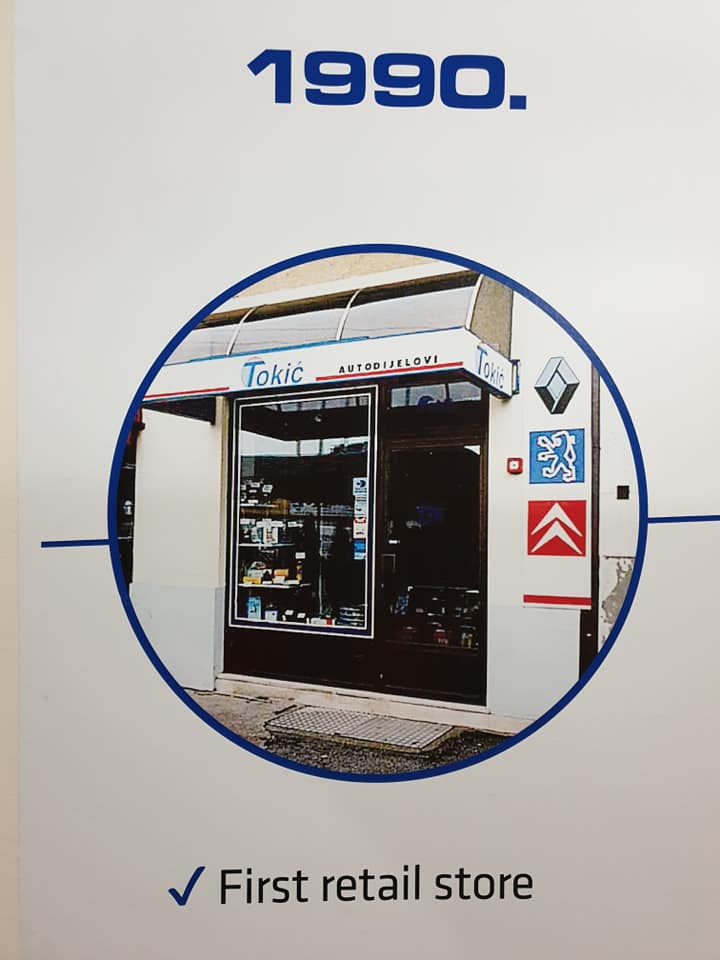
Malo trčim pred rudo, hajdmo se ipak vratiti na početak. Godina je 1990, dva brata otvaraju dućan u Zagrebu od 35 m2 u kojem prodaju auto dijelove. Posao im ide dobro, pa ga šire. Do 2000. godine imaju deset dućana u Zagrebu, a do 2014. njih preko sto u Hrvatskoj, u franšiznom modelu. 2008. godine Tokić Hrvatska postaje član i vlasnik udjela tvrtke ATR International AG u Njemačkoj. Kompanija, iako je vrlo uspješna, i dalje ja zapravo tradicionalna u stalno mijenjajućem svijetu.
A onda su se stvari promijenile.
Dva brata, osnivači, odlučili su se povući i dovesti profesionalce da upravljaju ekspanzijom i dugotrajnom održivošću kompanije. Rijetko se događa u obiteljskoj tvrtci, ali tu su odluku značila je dogovor koji su u potpunosti ispoštovali i pustili novo vodstvo da upravlja kompanijom samostalno, bez obiteljskog uplitanja. Oba su brata članovi nadzornog odbora, ali kompanijom samostalno upravlja Gadže i njegov tim.
Donesena je odluka da se stvori inovativna i agilna kompanija koja ulaze mnogo u ljudske potencijale, dok prihvaća najnovije od novih tehnologija. Kompanija koja je otvorena, inovativna i inkluzivna, to je veoma rijetko u Hrvatskoj, posebno za obiteljsku kompaniju.
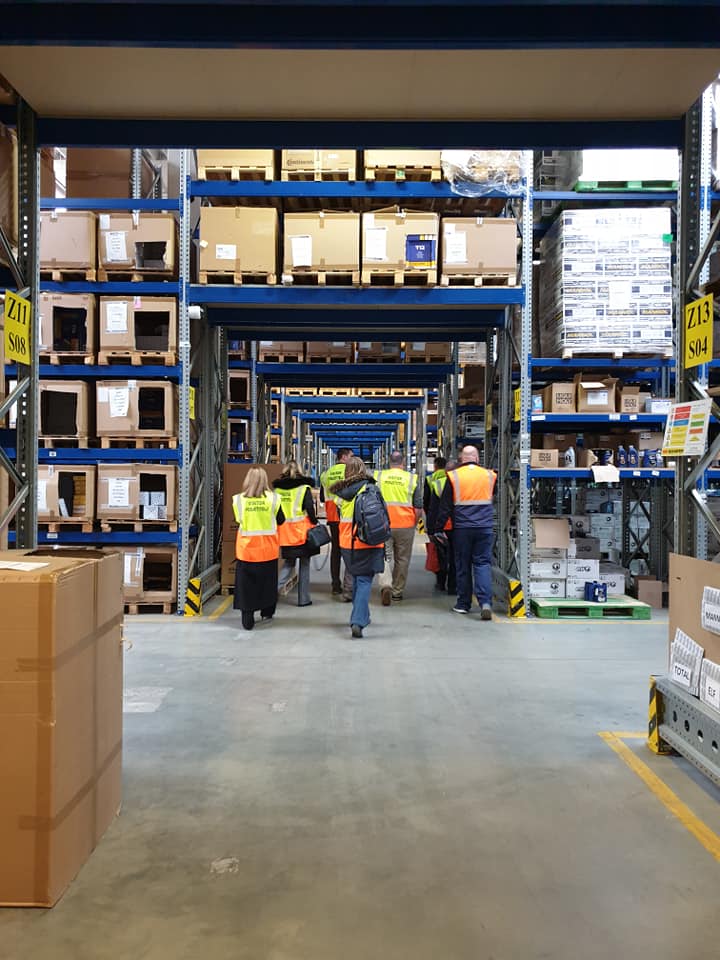
Novi logistički centar, golemih 24.000 m2 izgrađen je u Sesvetama (samo za usporedbu, Zagrebačka IKEA ima 38.000 m2), a nova logistička djelovanja započela su 2016.
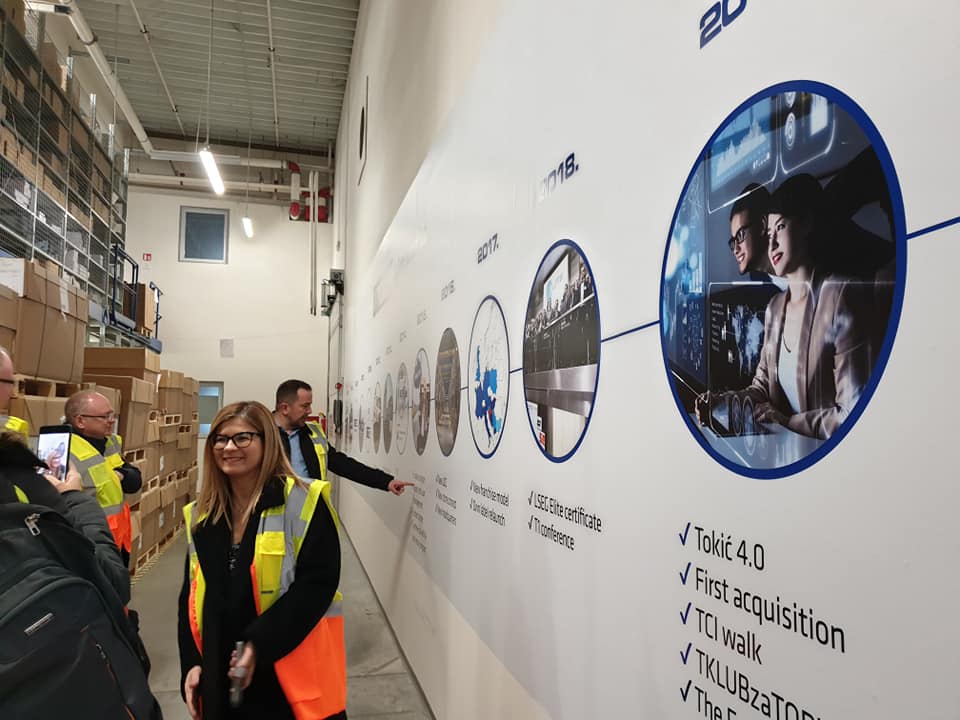
To je uključivalo selidbu nevjerojatnih 1,1 milijun kutija na novu lokaciju, u 11 dana što je odradilo 140 ljudi, a da pritom dostava od distributera niti isporuka kupcima nisu ni na tren bili prekinuti. Radilo se o fantastičnom postignuću, kako nam Gadže objašnjava u gornjem videu, a koje je trajno obilježeno na zidu skladišta.
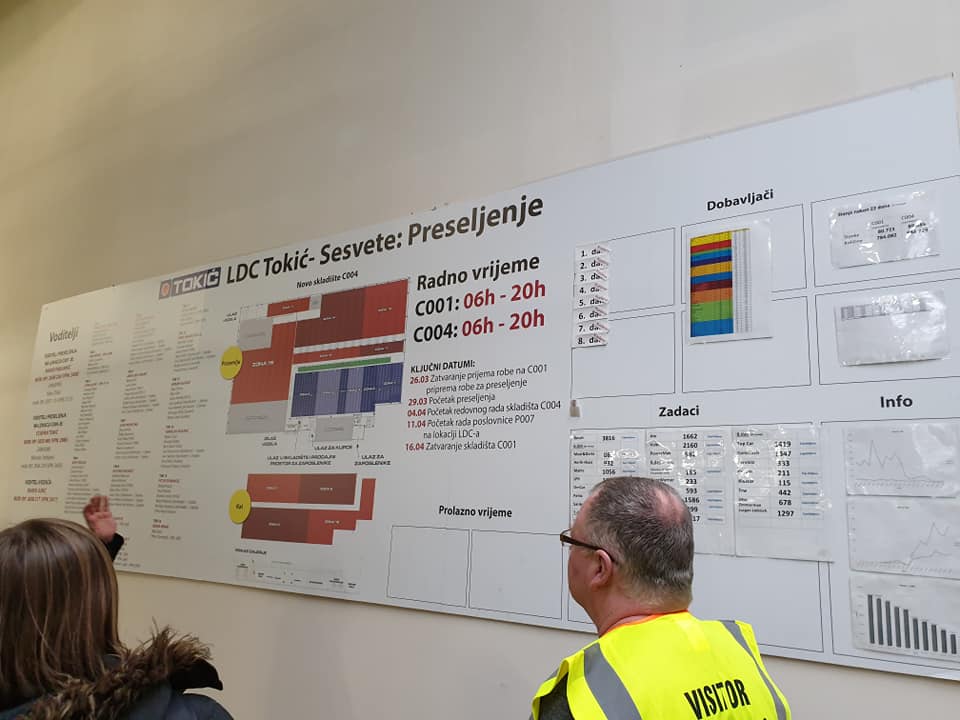
(The Hall of Fame of the incredible logistical move in 2016)
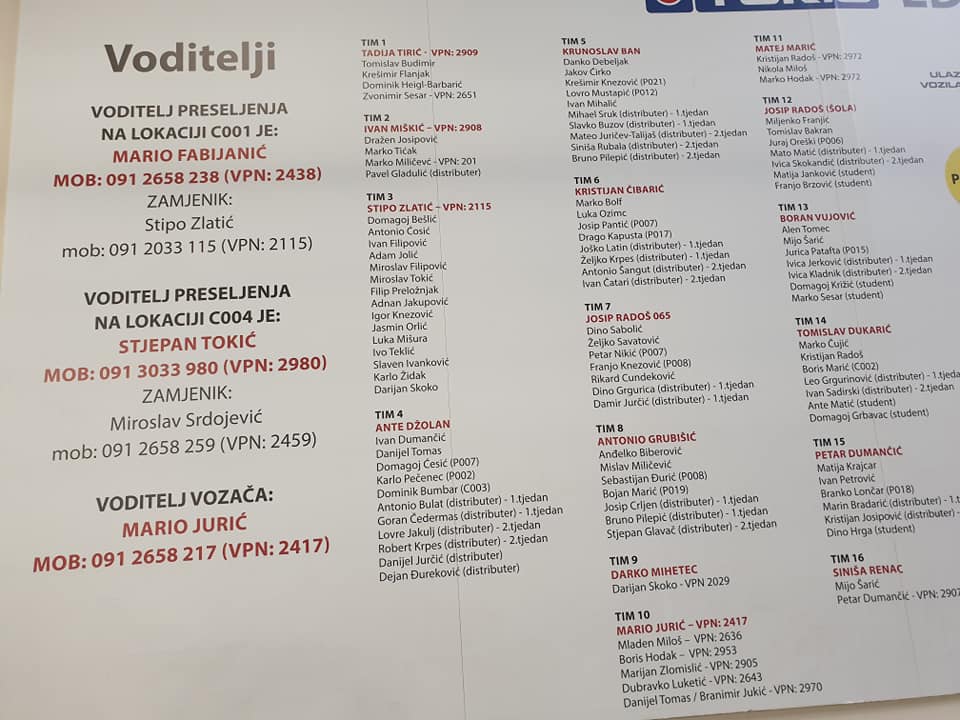
Gdje uopće početi s nabrajanjem inovacija? Možda s jednim od razloga zašto je njemački ministar došao u posjetu. Tokić Hrvatska ponosi se agilnošću i inovacijama, a vjerojatno najbolji primjer toga je što su bili prvi koji su implementirali robotsku tehnologiju tvrtke Gideon Brothers.
Bio je to savršeni primjer agilnosti kod Tokića. Gideon Brothers imaju su sjajan koncept, ali nisu imali partnera za implementaciju, pa su pregovarali s mnogim kompanijama. Dvije su se kompanije našle na sastanku u petak, ugovor je bio potpisan u ponedjeljak. a prvi je pilot započeo mjesec dana kasnije.
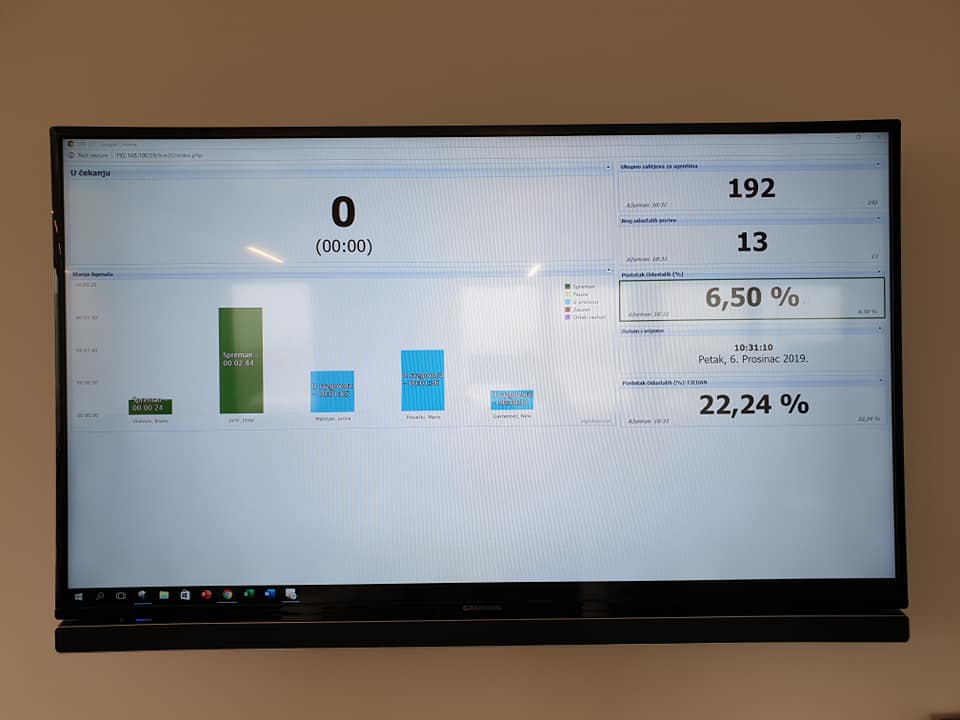
Prvi u regiji su uveli konceptualnu prodavaonicu rezervnih dijelova za automobile, koja nije postojala niti u Austriji. Redomati su uobičajena pojava u bankama, ali ne u ovoj industriji - još jedna inovacija. Kontrola kvalitete je posve očita bilo gdje u uredima u Tokiću. Postavljeni su monitori u prodajnom odjelu koji prate koliko treba da se preuzme poziv, kao i postotak propuštenih poziva. I kod svih koje sam rano upoznao očita je snažna želja da se stvari rade bolje.
Ova kompanija stremi savršenstvu, te sam se u sebi nasmijao kad sam pitao o vremenu dostave od konceptualne prodavaonice do kupca, a istovremeno je prodajni asistent trebao otići u to ogromno skladište, pronaći jedan dio. Iako je vrijeme dostave veoma kratko, to i dalje nije dovoljno brzo za duh koji postoji u Tokiću, pa mi je bilo jasno da to smeta mom domaćinu, jer je znao da rješenje nije daleko.
Investicije u ljudski kapital vidljive su na svakom koraku. Program Kaizen (japanska filozofija trajnog napredovanja), dvoje zaposlenika obučenih u MBTI-ju, najvećem globalnom psihometrijskom testu ili modelu koji određuje preferencije kod ljudi. T1 Walk interna edukacijska akademija, u koju je uloženo preko milijun eura. Tokić Edukacijski centar (TEC) je u ponudi u suradnji s Njemačkom obrtničkom komorom u Dortmundu, dakle radi se o kvalifikaciji koja se priznaje u Njemačkoj i šire u EU.
Ljudi, ljudi, ljudi. Ako razvijete ljudski kapital tvrtke, ona će se sama pobrinuti za sebe. A i rezultati govore za sebe. U vrijeme kad hrvatske kompanije redovito prigovaraju da ne mogu pronaći kvalitetne zaposlenike, Tokić Hrvatska svjedoči upravo suprotnome, dok najbolji od najboljih prelaze k njima iz konkurencije, a neki se čak vraćaju i iz mjesta poput Ujedinjenog Kraljevstva.
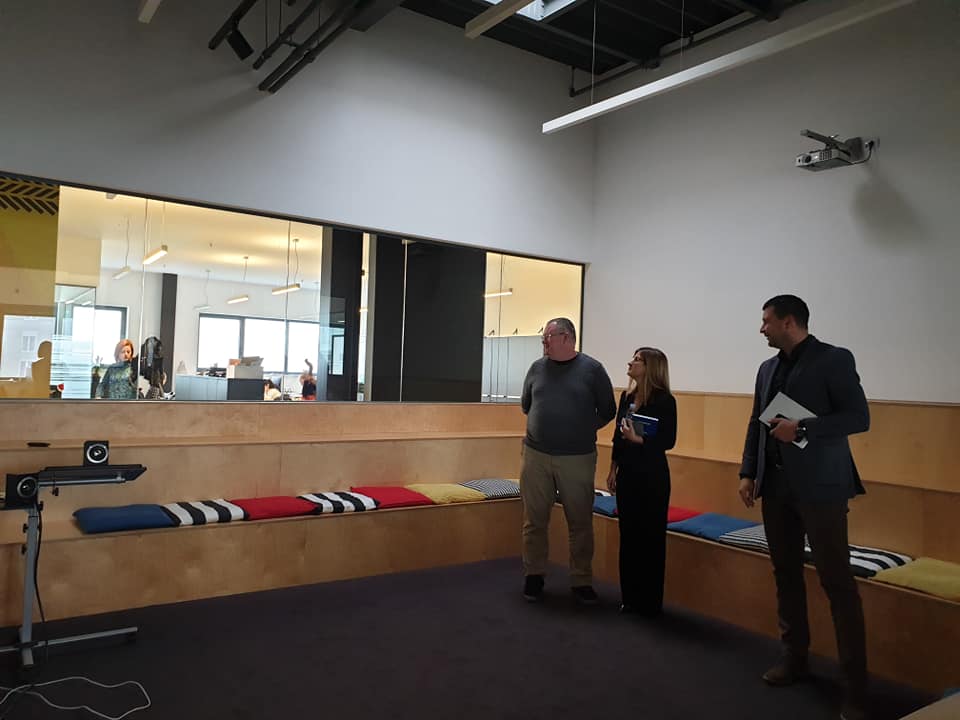
Dok hodate otvorenim i dobro osvijetljenim uredima, nije teško shvatiti zašto. Ovo je obiteljska kompanija, koju su pokrenula dvojica braće, ali koja je izrasla u daleko veću obitelj koja nije povezana srodstvom, nego duhom kompanije, poštovanjem, vrijednošću, transparentnosti i strašću za poboljšanjem. Jedan od razloga može biti i u tome što se kompanija nalazi u Sesvetama, koje ne samo da su najbrže rastući dio Zagreba po broju stanovnika, nego i cijele Hrvatske.

Dok smo obilazili ured, zaustavili smo se da bismo porazgovarali s djelatnicima u prolazu o njihovim iskustvima rada u Tokiću Hrvatska. Osim VRLO opuštene uredske kulture, njihova strast i ideja na mene su ostavili utisak, posebno dok mi je jedan od njih pričao kako cijelu noć nije mogao spavati jer je pokušavao riješiti program koji upravlja robotom.
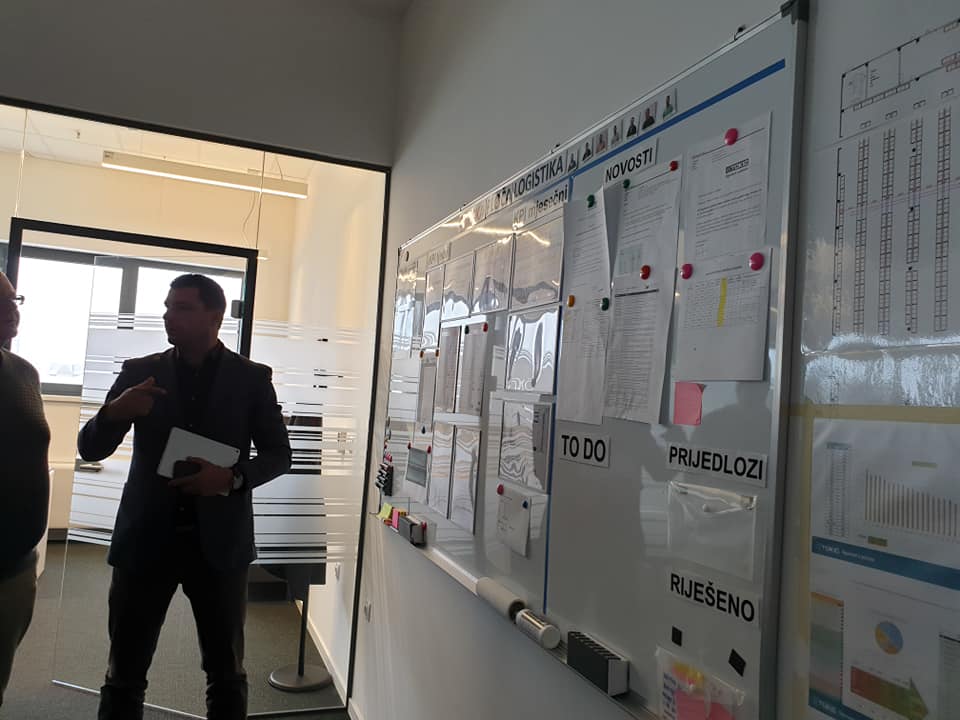
Postoje procedure za prigovore, kao i načini da se iznesu prijedlozi. Svaki odjel ima ploču na zidu gdje se takve stvari raspravljaju i rješavaju. Vidio sam više takvih ploča dok smo hodali po tvrtci. Svaka je imala kućicu za prijedloge i jednu za ono što je riješeno. Sve kućice za prijedloge su bile prazne, jer su oni bili raspravljeni i riješeni čim su se pojavili.
Iako Tokić Hrvatska posluje u 14 zemalja, većina operacija se trenutačno odvija u Hrvatskoj, Sloveniji, Italiji i Austriji, te na tim tržištima nudi zaista nevjerojatnu garanciju. Naručite li dio koji vam treba prije 18:00, bit će vam isporučen tijekom sutrašnjeg dana. Tokić posluje i na tržištima istočno od Hrvatske (ima partnere u Makedoniji i Crnoj Gori), ali sebe vide kao europskog igrača njemačke kvalitete, koje opslužuje europsko tržište. Vjeruju da imaju proizvod, zaposlenike i znanje i vještine, kao i inovativnost i agilnost, da bi se na njemu natjecali.
A isto to o njima misle i drugi.
Londonska je burza odabrala Tokić Hrvatsku da bude jedna od 13 europskih kompanija u njihovom ELITE programu. Ovoga studenog Tokić je naveden u prestižnoj grupi kompanija LSE pod nazivom Future Shapers. A kao jedna od 35 članica 29 milijardi eura vrijedne ATR International AG grupe, Tokić je među onima koje drugi suvlasnici najčešće dolaze u posjetu.
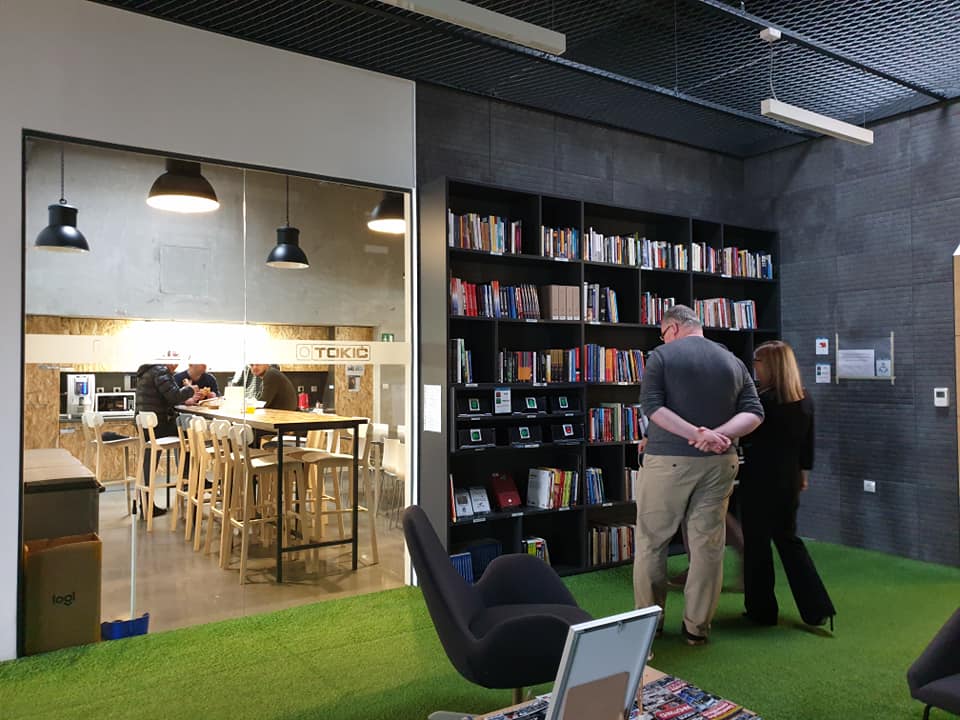
Šetnja po uredima je pozitivno i opuštajuće iskustvo, udaljeno od nekog stereotipa toga što bi tvrtka koja prodaje auto dijelove trebala biti. Otvoreni prostori, staklo, ali šarene stolice u prostorima za odmor, stolni nogomet za opustiti se i riješiti stresa, čak i knjižnica za razmjenu knjiga među djelatnicima (zabavilo me kad sam primijetio da se najmanji odjeljak zove "Automobili"). I svugdje se vide osmjesi, posvećenost, osjećaj svrhe.
Kultura inkluzivnosti proteže se sve do stila života i partijanja, jer nam je Gadže rekao kako su gostoprimstvo i zabave nešto po čemu je Tokić Hrvatska poznat. Tvrtka svake godine organizira otprilike 12 velikih zabava, od čega je najveća ove godine bila na njihovom Expou u listopadu, gdje je 4000 ljudi slavilo do kasno u noć. Ali, osim zabava i sport je važan dio izgradnje tima. Tokićev trkaći tim sastoji se od 15 vozača, postoji nogometni kup u kojem sudjeluje 24 ekipe od zaposlenika tvrtke, snažno su predstavljeni na Adventskoj utrci u Zagrebu, stolni tenis, biciklizam, a lista ide i dalje.
Kao i korporativna i socijalna odgovornost.
Tokićev pristup edukaciji uključuje vraćanje zajednici. Imaju, na primjer, program vjernosti za mehaničare, gdje se od svakih potrošenih 100 kuna donira 1 kuna strukovnoj školi u Velikoj Gorici. I iako nemaju baš neki interes za profesionalni sport, Tokić Hrvatska aktivno sponzorira dječje sportove. To uključuje Božićni kup u Dubravi, gdje mnoge najbolje ekipe u Europi dovode svoje podmladke (ispod 13 godina) na natjecanje u Zagrebu. U prošlosti je i Luka Dončić bio jedan od natjecatelja.
A što s budućnošću tvrtke? Cilj je da postane relevantna srednje-europska kompanija u smislu veličine i prihoda, da se izgradi brand i povjerenje u taj brand, da se ostane u korak s najnovijim dostignućima tehnologije i inovacije. Telematika je jedno od ključnih područja interesa u budućnosti, jednako kao i prediktivno održavanje, čime se Tokić već bavi kroz prediktivne analize, ali još uvijek to nije monetizirao.
Dva sata su mi proletjela, a svijet auto dijelova u Hrvatskoj transformirao se pred mojim očima.
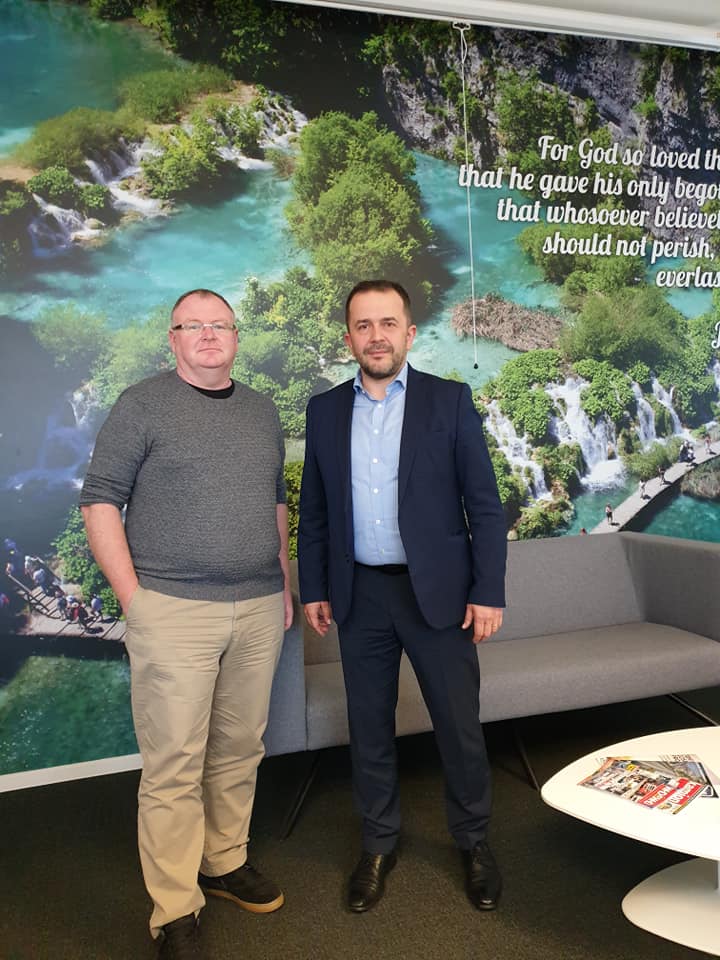
Stoga, samo zato što hrvatske kompanije ne pričaju često o svojim uspjesima, to ne znači da se ti uspjesi ne događaju. Vrijedi upravo suprotno, te iako većina odlazi do Tokića da bi kupili neki dio za auto, ogromno ulaganje u ljudski kapital znači da ste tu kupnju obavili u jednoj od 50 najinovativnijih kompanija u Europi.
Dinamo Falls to Manchester City, Eliminated from Champions League
December 11, 2019 - Dinamo Zagreb and Manchester City met for the final Group C game of the Champions League on Wednesday at Maksimir Stadium.
The Zagreb club had the chance to achieve another incredible result in the final game of the Champions League group stage, though their opponent was no piece of cake - Manchester City.
Dinamo came out with a lineup boasting Livaković, Stojanović, Ademi (C), Dilaver, Moubandje, Gojak, Moro, Olmo, Kadzior, Oršić, and Petković. Manchester City, on the other hand, came out with Bravo, Cancelo, Garcia, Otamendi (C), Mendy, Rodri, Gündogan, Foden, Silva, Mahrez, and Jesus. One thing was certain - Dinamo needed a win against City to secure a spot in the Round of 16.
Dinamo and City kicked off at 6:55 on Wednesday to a sold-out Maksimir Stadium - and the atmosphere was buzzing despite the cold. The Zagreb club was aggressive at the start while City held back and waited for a counterattack.
However, it was Dinamo to shock Zagreb when Olmo scored for 1:0 in the 10th minute! The goal certainly woke City up, and they continued to press aggressively for the next 20 minutes. Dinamo’s defense remained stable, that is until the 34th minute when Gabriel Jesus scored the equalizer. The game was now 1:1.
Moments before the half, Gojak's nasty elbow to Rodrigo's cheek should have been a red card, though the ref failed to consult VAR - and Dinamo was lucky.
All in all, Dinamo played bravely throughout the half and managed to hold their own. The game ended 1:1 at the half.
The second half, unfortunately, didn't get off to the best start for the Zagreb side. Already in the 50th minute, Jesus scored for 1:2 City - and four minutes after that, Jesus secured a hat trick for 1:3.
City made their first change in the 66th minute - Zinchenko came in for Gabriel Jesus, the hero of the night.
City maintained 71% possession of the game, and it wasn't long for them to score again. Foden made it 1:4 in the 83rd minute.
With this loss against City and Atalanta's win against Shakhtar, Dinamo has been eliminated from the Champions League and will not compete in the Europa League this spring.
To read more about sport in Croatia, follow TCN’s dedicated page.
Economy Heading in Right Direction, Calls for Stepping up Pace
ZAGREB, December 11, 2019 - Croatian Chamber of Commerce (HGK) president Luka Burilović said on Wednesday that the national economy was heading in the right direction but called for stepping up the pace.
"We can be moderately satisfied with the outgoing year. All important macroeconomic indicators are positive. We have yet another record tourist year and our consumption and investments have been growing. That growth is still not at the rates we want it to be at but is enough to make us optimistic about next year. We are heading in the right direction but we must step up the pace - that is the message that we have been sending the government all the time," Burilović said at a session of the HGK Assembly.
Speaking of challenges, he said one of the biggest was a labour shortage.
If the education system does not follow market needs, we will have big problems, he said.
The Digital Chamber project, which is in its final stage and is expected to be completed by the end of March next year, was presented at the HGK Assembly session.
The project is an information-communication platform for e-services intended for HGK members, public administration and citizens.
The digital chamber will make information on possible financing sources more available to enterprises, enable them to better present their products and services and involve them more actively in creating the business climate.
The total value of the project is 28.7 million kuna, of which 85% comes from EU funds and 15% has been provided by the HGK.
More economy news can be found in the Business section.
Training Centre of NATO's Multinational Special Aviation Program Established at Zemunik
ZAGREB, December 11, 2019 - An international training centre of the Multinational Special Aviation Program (MSAP) was inaugurated on Wednesday at the Zemunik barracks near Zadar, and Defence Minister Damir Krstičević said that MSAP centre could become a new NATO centre of excellence.
This confirms that Croatia is a trustworthy member of the alliance, the minister said at the ceremony.
"We are building new capabilities for the Croatian army, for Croatia and for NATO and what is more important, we are building the future together with our partners and allies," Krstičević said.
He said he was proud of the fact that at Zemunik the best pilots would be trained to carry out special aviation forces' operations, which, he added, was proof of the power and respectability of the Croatian Armed Forces.
The 11-million-euro centre will provide training for helicopter crews from Croatia, Hungary, Bulgaria and Slovenia. The MSAP program is intended for multi-purpose helicopter crews for special air operations and consists of theoretical and multi-week flight training programmes for the implementation of unconventional special air force tasks.
The Croatian Armed Forces chief-of-staff, General Mirko Šundov, said that the establishment of the MSAP created prerequisites for conducting training in complex and diversified conditions, which would enable the achievement of the goals defined for each of the countries-contributors to MSAP.
NATO's Assistant Secretary General for Defence Investment, Camille Grand, said that the development of capabilities of special air forces showed NATO's ability to develop new capabilities.
More news about Croatia and the NATO can be found in the Politics section.
No Debate of Presidential Candidates in First Round for First Time in 20 Years
ZAGREB, December 11, 2019 - The Social Democratic Party's presidential candidate, Zoran Milanović, said on Wednesday that in the last 20 years in Croatia it never happened in the first round of presidential elections that there was no televised debate of all presidential candidates.
"It never happened in the last 20 years that there was no general debate in the first election round of all presidential candidates, including the incumbent president. The incumbent president is the first one to shun such a debate," Milanović said during a visit to Donji Lapac, a town in Lika-Senj County close to the border with Bosnia and Herzegovina.
"That is a problem, debates tell voters something about the candidates. It is a fact that for the first time we have a president who is running for a second term in office and who has been cowardly evading debates in the first round. If she makes it to the second round, we can expect her to do the same," Milanović said.
Asked why he did not want to participate in debates without incumbent President Kolinda Grabar-Kitarović, he said that a debate without the incumbent president who was running for a new term did not make sense in the Croatian election system.
Electoral surveys show certain ratios and it would be logical for the four candidates who weigh the most to confront their views, however, the president is evading it and television broadcasters are tolerating it, said Milanović.
More news about presidential elections can be found in the Politics section.
Three Sovereigntist Parties Sign Agreement on Joint Participation in Elections
ZAGREB, December 11, 2019 - Three political parties - HRAST, the Croatian Conservative Party (HKS) and the Bloc for Croatia - on Wednesday signed an agreement on joint participation in the next parliamentary election as part of the Croatian Sovereigntist platform, expressing confidence that they would win at least 15 seats and that it would not be possible to form the next government without them.
The signatories to the agreement confirmed that they would support independent candidate Miroslav Škoro in the coming presidential elections.
HKS leader Marijan Pavliček said he was confident that after the right-wing voter camp had been fragmented over the last 15 years, the Croatian Sovereigntists would win at least 15 seats in the next parliamentary elections.
"A snowball has been started at the elections for the European Parliament and it will grow into an avalanche in the parliamentary elections," Pavliček said, adding that after 20 years of globalist governments, the time had come for a sovereigntist government that would answer only to the Croat people.
HRAST leader Ladislav Ilčić said that globalist lobbies, "although wrapped in beautiful paper", often worked against the interests of the Croat people and state.
"The only way to identify them is the identity and values that have determined the Croat people throughout the centuries," Ilčić said, adding that what made the Sovereigntists special was the advocacy of that identity and those values.
HRAST member of parliament Hrvoje Zekanović said that the sovereigntist camp also included numerous civic initiatives, such as the Truth about the Istanbul Convention, the Croatian Rampart as well as numerous prominent individuals.
Zlatko Hasanbegović of the Bloc for Croatia said that Prime Minister Andrej Plenković and the ruling HDZ party were in a state of panic because the coming presidential elections, followed by parliamentary elections, would articulate the dissatisfaction of voters caused by the formation of "an anti-national Croatian-Serb coalition that is based on political trade-offs", which, he said, "is against the authentic will of the electorate."
Zekanović, too, believes that the HDZ is losing popularity and that Plenković "evidently has problem coping with that."
More politics news can be found in the dedicated section.
Court of Justice Advocate General Deems Slovenia's Demands Against Croatia Unfounded
ZAGREB, December 11, 2019 - Court of Justice of the European Union Advocate General Priit Pikamae believes the Court does not have jurisdiction in Slovenia's case against Croatia over alleged infringements of EU law caused by the non-enforcement of a border arbitration award, it was said in Luxembourg on Wednesday.
The advocates general's opinion is not binding on the Court of Justice. The advocate general does not represent the interests of either the parties or the public, only giving an expert opinion on relevant legal matters in complete independence.
We cannot predict the Court's judgment based on the advocate general's opinion, Court spokesman Balazs Lehoczki told reporters. He added that the judgment could be expected in the first half of 2020, perhaps in the first quarter.
The practice to date shows that in cases before the Grand Chamber, as in Slovenia's action against Croatia, the Court follows the advocate general's opinion in about 50% of the cases.
Since Croatia contested the validity of the arbitration award and refused to be bound by it, Slovenia brought infringement proceedings under Article 259 of the Treaty on the Functioning of the European Union, moving that the Court of Justice establish that Croatia is in breach of Articles 2 and 4 of the Treaty which concern respect for the rule of law and loyal cooperation between member states.
Slovenia also submits that Croatia is in breach of the regulation on the common fisheries policy, border control and maritime spatial planning.
Croatia submits that the Court of Justice has no jurisdiction to rule in the present case given that it is not really about the application and interpretation of EU law. According to Croatia, the dispute in this case refers to the interpretation and application of international law and therefore it should be resolved by applying international law and by means envisaged for the peaceful resolution of disputes, including negotiations.
"First of all, the Advocate General points out that the purpose of an action for failure to fulfil obligations is to obtain a declaration that the conduct of a Member State is in breach of EU law and to terminate that conduct. He is therefore of the view that it is necessary to examine the relationship of the arbitration agreement and the arbitration award in question with EU law and to determine whether the EU is bound by them," the Court said in a press release.
In that regard, the Advocate General notes that the EU "is bound by international conventions concluded by the EU pursuant to the provisions of the Treaties, by international conventions where the EU assumes powers previously exercised by the Member States, and by rules of customary international law when the EU exercises its powers. International conventions that do not fall within those categories are not acts of the EU and do not bind it."
"Relying on the case-law of the Court of Justice, the Advocate General points out that the territorial scope of the Treaties is an objective fact predetermined by the Member States which the EU has to accept. Consequently, the Advocate General is of the view that delimitation of national territory does not fall within the sphere of competence of the EU or, therefore, of the Court of Justice," said the press release.
"Next, the Advocate General examines Slovenia’s heads of claim. As regards the relationship between, on the one hand, the arbitration agreement and the arbitration award and, on the other hand, EU law, the Advocate General notes that it does not fall within any of the situations in which the EU is bound by international law."
As for the alleged infringement of the value of the rule of law and of the principle of sincere cooperation, "the Advocate General is of the view that those matters are merely ancillary to the issue of delimitation of the land and maritime boundaries between the two Member States concerned and that, accordingly, the Court does not have jurisdiction to hear and determine those complaints. Furthermore, the Advocate General states that, according to the case-law of the Court of Justice, the principle of sincere cooperation has constituted an independent basis for obligations in cases where the EU was party to a mixed agreement or where the obligations being fulfilled arose under the EU Treaties. However, the conduct at issue does not fall within either of those two situations."
"Regarding the alleged failure to fulfil obligations in relation to the common fisheries policy, border control and maritime spatial planning, the Advocate General observes that Slovenia is relying on the premise that the boundary has been determined by the arbitration award. However, the Advocate General emphasises that the award has not been implemented in the relations between the two Member States concerned. He is therefore of the opinion that, from an EU law perspective, the boundary between those two Member States has not been established. The Advocate General infers that Slovenia is seeking, by implication, to have the arbitration award implemented, which falls outside the EU’s sphere of competence," the press release said.
The Advocate General concludes that "the alleged infringements of EU law are ancillary to the issue of determining the boundary between Croatia and Slovenia. Determining that boundary is, by its very nature, a matter of public international law in respect of which the Court does not have jurisdiction."
Court spokesman Lehoczki said that sometimes a party lodged objections to an advocate general's opinion, which the Court noted in its judgment and decided on the legal and factual elements available.
He added that sometimes, after an advocate general's opinion was published, a party might also request another hearing but that this was not customary and that in nearly all cases the Court only mentioned those arguments in the judgment and decided on the legal and factual elements available.
More news about the border dispute between Croatia and Slovenia can be found in the Politics section.
Flos Olei 2020: Istrian Olive Oil Makes Up 15% of 500 Best Olive Oils in World
December 11, 2019 - The eleventh edition of the most influential guide to the world's top extra virgin olive oils, Flos Olei 2020, was officially promoted in Rome last week. Istrian olive oil was once again in the international spotlight.
Namely, HRTurizam writes that Istria has once again been awarded the title of the highest-quality extra virgin olive oil region in the world, for the fifth consecutive time. This is especially important given the fact that the publication contains oils from around the world, that is, from 53 olive-growing countries. Better yet, Istrian olive oil makes up as much as 15 percent among the top 500 olive oils in the world.

Thus, in the new edition of this olive oil bible, 79 oils from the territory of Croatia are included, 77 of which are from Istria. There is also one oil listed from the island of Krk and one from Dalmatia. At the same time, most olive growers achieved better results than last year, which is proof of significant work on raising the quality and application of the latest scientific and technological developments in olive growing.
Such worldwide success certainly contributes to the branding of Croatia, and especially of Istria as a gastronomic destination, since extra virgin olive oil is a major food supplement and a staple of the Mediterranean diet, and is valued almost everywhere in the world for its organoleptic and medicinal properties.
"It sounds unreal and I would say pretentious, but for the fifth year in a row, Istria has been named the best olive oil region in the world. Since its first release in 2010, Istria has immediately taken on an important role and positioned itself as the second-best olive oil region, just behind Tuscany. But each year, Tuscany's advantage has diminished, and at the end of 2016, it has occupied the leading position it retained to this day, but with a far greater difference than Tuscany previously had compared to Istria. It’s enough to say that Istria has 77 listed olive oils this year, and Tuscany 53. Even more important is the fact that more than 1,500 samples from all over the world arrive for evaluation, that a professional panel of tested tasters organoleptically test all received samples, that afterward, the best 500 in the world are selected and that within the top 500 Istria has 77, which is truly impressive,” says Denis Ivošević, director of the Istria County Tourist Board.
Ivošević also touched on one important topic, which is that Croatia must start respecting themselves, as others would start recognizing Croatia, and pointed out that it is of utmost importance that Croatia become aware of the fact that in no discipline, in any industry, in sports or any other significant competition, or simply in places where reputation is gained and confirmed, does Croatia have such success as the Istrian olive oil region.
"We are very proud of this fact, but it seems that there is still a lot of work to be done both in our country and abroad, that this primacy bears full and true value, that we become aware of it first in Croatia, and that all those who promote Croatian gastronomy proudly point it out. I believe that the time has come and that five years of validation is proof enough to make us aware that we are in the best of something in the world,” concluded Ivošević.
You can find the Flos Olei 2020 guide here.
To read more about lifestyle in Croatia, follow TCN’s dedicated page.
VIDEO: Watch How Works are Progressing on Sljeme Cable Car
Sljeme has always been a top attraction for those of us who live in Zagreb. The peaceful rolling hills coated in thick forests with bike paths and hiking trails snaking between the trees are the perfect escape from the hustle and bustle (and indeed the pollution) of the Croatian capital city which sits just below. Could the construction of the Sljeme cable car enhance its touristic lure?
From Medvednica nature park to the ski slopes of Sljeme, the entire area acts much like Marjan hill does for Split - Sljeme and its nature are the lungs of the City of Zagreb. However, Sljeme isn't free of controversy despite the peace and quiet it offers, and that's all down to the will-it-won't-it saga of the Sljeme cable car, which once operated on the mountain.
As Poslovni Dnevnik writes on the 11th of December, 2019, on Tuesday, Zagreb City Assembly's lawmakers gave the "green light" to ZET for a massive loan totalling 537 million kuna for the construction of the much talked about and long awaited Sljeme cable car.
Initial construction of the brand new Sljeme cable car began earlier this year, and recent footage and pictures show that much of it has indeed already been built.
Zagreb Mayor Milan Bandić announced back in June this year that he would try to finish the Sljeme cable car in time for Zagreb's city day, which is May the 31st next year, when the Remetinec roundabout, which has also had its fair share of problems, could also finally be completed.
At that time, he said that its construction was being carried out in four phases - the reconstruction of the Mihaljevac-Dolje railway line, the development of all of the necessary project documentation for the new Sljeme cable car, the procurement of equipment for the Sljeme cable car and then of course, the actual construction of the cable car.
As stated, the powers that be in Zagreb have given the cable car's construction the "green light" by approving ZET a loan for 537 million kuna and a repayment period of fifteen years, the opposition does not dispute that the Sljeme cable car is definitely needed, but considers it questionable whether the money for it is actually there, and another question is whether or not the enormous loan which has now been approved can be repaid at all.
Watch a video of how the works are progressing below:
Make sure to follow our dedicated lifestyle page for much more. If it's just Zagreb you're interested in, give Total Zagreb a follow or check out Zagreb in a Page for all you need to know.
Nigerian Students in Bosnia: We won't go to Croatia without UN Escorts!
According to yesterday’s interview for a Bosnian portal, the Nigerian students say they want to go home to Nigeria immediately. If the Bosnian authorities intend to transfer them back to Croatia, they will only agree to go if they are accompanied by United Nations escorts.
Azra Omerović, of the Bosnian portal Žurnal, caught up with the students in East Sarajevo on December 10, 2019.
Original Žurnal Story Went Viral
On December 3, Žurnal published the story of two Nigerian students, Abia Uchenna Alexandro and Eboh Kenneth Chinedu, who allege that Croatian police illegally transferred them to Bosnia and Herzegovina. That story was picked up by several international publications including The Guardian and The Cable, a Nigerian portal. In the meantime, the students were transferred from Velika Kladuša to the Immigration Center in East Sarajevo, after being detained for questioning in Bihać.
The Croatian Ministry of Interior has dismissed allegations by the Nigerian students that they had been illegally transferred to Bosnia by the Croatian police.
Youth Hostel Manager Denies Students’ Account
Branimir Markač, the manager of HI Youth Hostel, the Zagreb hostel where the students stayed, has also disputed the students’ arrival and departure dates. He also denies that the students disappeared on the evening of November 17. He dismisses the students’ claims that an unidentified “friend” later came to pick up their passports, which they claim remained at his hostel after the students were allegedly “kidnapped” by Croatian police. The fact that the students could not remember the name of their hostel further muddies the narrative. There is unconfirmed speculation that the unidentified “friend” might be the other student in their group, who tried to enter Slovenia twice, applied for asylum in Croatia and is currently being housed in Zagreb.

Nigerian Minister of Foreign Affairs Intervened
Abike Dabiri-Erewa, Chairperson of Nigerians In Diaspora Commission (NIDCOM), responded to the students’ claims on Saturday, after their account was picked up by The Cable in Nigeria.
“The Minister of Foreign Affairs is on this matter. It’s not as straightforward as you have reported, but the Minister has personally intervened. We should give an update as the intervention continues,” she wrote.
In their most recent interview with Žurnal, students say they cannot believe what is happening to them and have responded to allegations by the Croatian media and police.
We are Telling the Truth!
“We are scared, we were telling the truth about what the Croatian police did to us. They have accused us of lying because we want asylum in Croatia. We were legal in Croatia, and if we had wanted to seek asylum, we could have applied for it because we had visas,” Kenneth Chinedu insists.
The two Nigerian students are currently being housed in East Sarajevo, at the Center for Foreign Affairs of Bosnia. They say that they have been in custody the entire time.
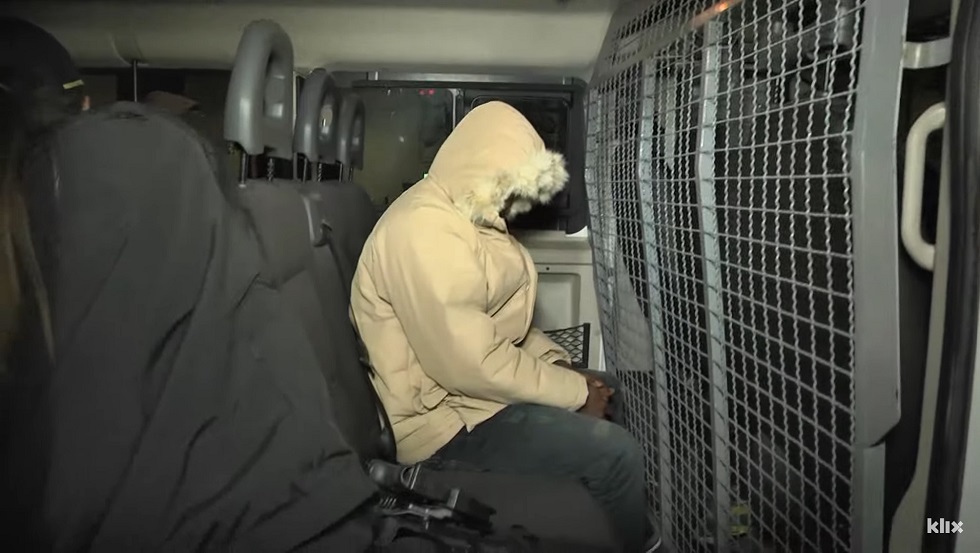
Currently in Custody in East Sarajevo
“The police questioned us. We told them what happened, and we've been in custody here ever since. We are not allowed to go outside and we're not doing well at all. We need help, have someone help us. Send us home immediately or allow us to be escorted back to Croatia with UN representatives. We will not go to Croatia without UN representatives, maintains Alexandro.
Students Demand UN Escorts for Croatia
“If they want to send us to Croatia, we must be accompanied by the UN. They (the Croatian police) denied everything we said they did to us. We need someone to accompany us every moment and to keep track of what's happening. We are terrified of returning to Croatia after everything that they have done to us. We told the truth and stand by our story!” Alexandro reiterates.
Nigerian Official: There is ‘Back Story’
The Nigerian students are asking the Bosnian authorities to resolve their situation as quickly as possible because they did not enter Bosnia and Herzegovina illegally. However, the details of their transfer to Bosnia remain in dispute, and top Nigerian government official Abike Dabiri-Erewa confirmed that there is a “back story”.
“But whatever the circumstances, the most important thing is to get them back,” she emphasized in Saturday’s tweet.
Follow our Politics page to keep updated on this story and the migrant crisis in Croatia.