

Life After a Brutal Jugo Wind: The Adriatic Sea Speaks
November 17, 2019 - A brutal jugo wind has been battering the Adriatic coast in recent days. With calm returning, some of the contents of the Adriatic have been left as souvenirs on the mainland.
I wouldn't describe myself as an environmentalist at all, but anyone with an ounce of common sense watching over the 'development' of the Adriatic coast can see that there is clearly something very wrong.
Numbers, numbers, numbers - a record number of tourists a record number of overnight stays, apparently. And a record number (I would guess) of something that nobody is talking about officially, or putting an actual figure on.
Environmental damage of, among other things, the main jewel that Croatia has to offer with its tourism - the pristine Adriatic Sea.
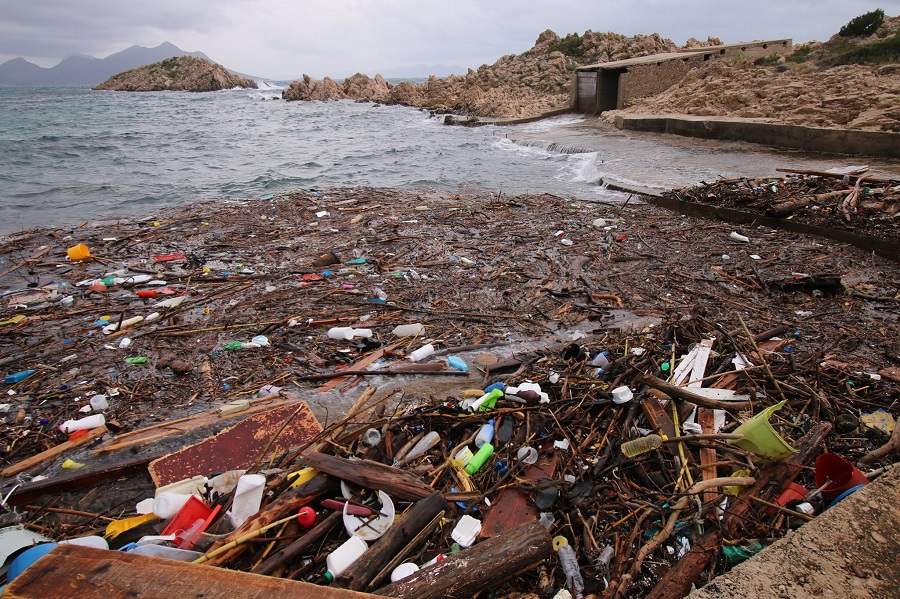
(Photo credit Ivica Trojenovic / Peljesac i Politika - a beach near Orebic)
As we have reported these last few days, a brutal jugo wind has hit the Adriatic coast and islands, bringing spectacular scenes for us to enjoy in the comfort of our homes around the world.
And leaving plenty of trash in its wake, all along the coast.
I have never been one to sensationalise things, as it is a very longterm strategy, but it is clear that all is not well with Croatian tourism's relationship with its prized jewel. The lack of sensationalism is what led me to approach a respected marine biologist academic for her views on the state of the Adriatic, and I am grateful to Dr. Ana Bratos Cetinic from the Department of Aquaculture from the University of Dubrovnik for her very in-depth and detailed interview for TCN recently - Mass Tourism, Climate & Plastic: Marine Biologist on Cost to Adriatic. Of the many thought-provoking things Dr. Ana said in the interview, the answer to how many Mediterranean monk seals were in the Adriatic is the one that stayed with me:
The Mediterranean monk seal is now considered extinct in the Adriatic, but rare sporadic observations of the monk seal have been reported. Those specimens likely belong to the populations outside of the Adriatic, which they visit. Once, there was a relatively abundant Adriatic species which has given way to increasing human pressure and deterioration of their habitats which, actually, belong to nautical tourists these days.
And while the monk seals sadly have no voice and are increasingly invisible to the point of extinction, there is one thing in the Adriatic and other seas which is increasingly abundant and visible - trash.
Quite how much trash has been deposited by cruise ships and sailboats, in addition to that washed up by tides from Albania is not known, but in the last few days, the jugo wind gave the Adriatic Sea a chance to give us a reminder. From a tourism point of view, the 'good' news is that it happened in November, giving the authorities plenty of time to clean up before the next season. The bad news is that unless serious action is taken, this will be a much more common occurrence.
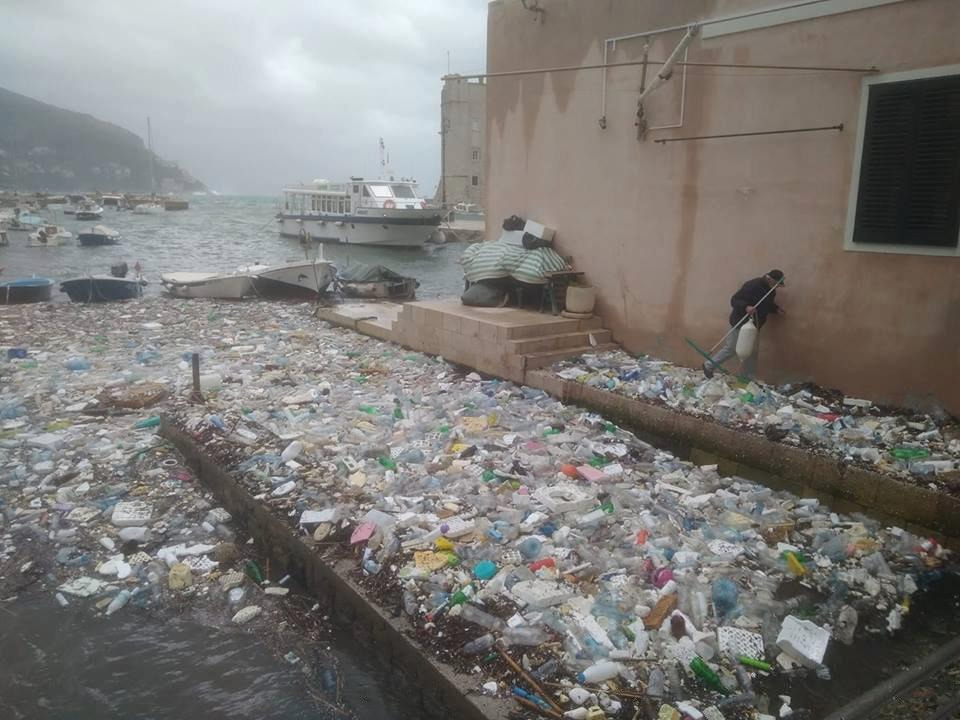
This week's jugo wind trash gifts are far from unique. The above image was widely circulated in the Croatian media this week, but a little research shows it is from earlier this year. Which makes it no less shocking.
Numbers, numbers, numbers. The Kings of Accidental Tourism are busy celebrating alleged record numbers. Would they or their relevant ministerial counterparts care to comment on the following:
1. While revenues generated FROM tourism will soon be published, I have yet to see any costs caused BY tourism - utilities, infrastructure, waste management - can we have some transparent information, please?
2. We hear great news about tourism expanding, less so about infrastructure built to cope with that increased demand. Can we have more transparency, including information on waste treatment and what we are pouring into the Adriatic?
3. Is there a plan to deal with the environmental effects of this huge increase in tourism? Can we see it if it exists?
4. Is there a study on the benefits of cruise ship tourism versus the environmental costs? Can we see it if it exists?
5. If the answer questions 3 and 4 above is no, why not?
Tourism and Wine are Inseparable, Iter Vitis Conference Hears
ZAGREB, November 17, 2019 - Tourism and wine are inseparable, an international conference of the Iter Vitis European Cultural Route, which took place in Motovun, Istria County on November 14-16, has concluded, organisers said on Saturday.
The "From heritage to brand" conference, held as part of the Iter Vitis European Cultural Route General Assembly, brought together more than 200 experts, tourism employees, winemakers and representatives of institutions from 11 countries.
Franjo Matušić, state secretary at the Ministry of Tourism, said Croatia had an exceptional cultural heritage because different cultures mixed throughout its history, and that 12 European cultural routes, including Iter Vitis, passed through it.
He said wine had always been an essential part of Croatian tradition, and that its quality and the number of autochthonous wine grapes proved it.
Oenology and gastronomy are inseparable and one of the ten key products on which the development and future of Croatia's tourism is based, Matušić said.
Assistant Regional Development and EU Funds Minister Stella Arneri said environmental protection and rural tourism were important for a sustainable vision of development. This vision is centered on the rich cultural heritage which, included in cultural routes, gains additional visibility and protection, she added.
Iter Vitis director Emanuela Panke said wine had always been linked to tradition, identity and lifestyle as well as being one of the key instruments of intercultural dialogue.
The Iter Vitis European Cultural Route passes through 20 states and Croatia joined it in March this year. The route encourages the development of wine destinations.
Cultural routes facilitate the development of rural areas and year-round tourism, and joining Iter Vitis is in line with Croatia's tourism development strategy until year 2020, said Dijana Katica, president of a Croatian tourism and rural development association.
More tourism news can be found in the Travel section.
Croats Day Marked in Hungary
ZAGREB, November 17, 2019 - Croatian Foreign Minister Gordan Grlić Radman took part in the marking of the 19th Croats Day in Baja, Hungary on Saturday, underlining the connection of Croats and Hungarians in the past and the present.
It is a well-known fact that Croats and Hungarians are linked by a shared past and a European present, he said, according to a press release from the ministry.
Croats are a recognised national minority in Hungary.
The minister said the contribution of Hungarian Croats to the nurturing of Croatian customs and cultural heritage was visible at many levels, and that Croatia would continue to support them. He thanked everyone who has cultivated the Croatian language, tradition, culture and customs in Hungary for centuries.
He said the government was investing a lot of effort to unite Croats at home and abroad.
"All that has been achieved so far and the special ties with Croats outside the homeland oblige us to continue to encourage development, to adapt and carry out the necessary reforms, to acquire new knowledge, standards and values so that we can ensure further progress and enable future generations on both sides of the border to live better lives," the press release quoted him as saying.
More diaspora news can be found in the dedicated section.
Lists, Lists, Pointless Lists: Does Clickbait Make You Travel?
November 17, 2019 - The Internet is full of pointless lists, but do they make you travel to a destination?
If I ran the Internet, there would be two things I would do immediately.
I would ban comments, at least until and unless someone had actually read the article. No, I would ban comments entirely. The 1% of intelligent and engaging comment gets drowned out by our keyboard warriors, so the online world would be a better place without comments.
And I would ban pointless lists, especially pointless clickbait travel lists.
I mean, has anyone actually travelled to a destination because they saw it on a clickbait list? Like, ever?
My relationship with travel lists is admittedly evolving. Having started my online writing career at the tender age of 41, I used to think lists were the greatest thing ever for someone writing about tourism. When Albania was voted Lonely Planet's Number One place to go in 2011, I could write with authority about it when few could, and when Lonely Planet gave its destination top spot love to Hvar in 2012, I was in heaven.
But then...
30 Must-See Places Before You Die, Top 10 Romantic Towns in Europe, 27 Unknown Jewels of Croatia, Top 10 Honeymoon Destinations in Europe, Top 10 Places in Europe to Bring Your Pet Giraffe, the lists went on. And the more the lists peppered my inbox with their unending lists which always had some kind of Croatian angle, the more I found myself asking the same question:
According to whom? On what authoritiy?
There are some well-established lists in the travel industry - Lonely Planet's Top 10 series each October; the New York Times 52 Places to See in 2019, the Conde Nast Annual Traveller Awards are three examples. There are certain lists which are based on detailed research, such as Business Insider's list of the top 15 countries billionaires will visit in 2019.
And then there is an enormous list of total and utter pointless clickbait crap. An ENORMOUS list.
The cleverest of these is the European Best Destinations website, which is a website which descended on Croatia in a blaze of publicity in 2016 from memory. Zagreb was voted Best Advent Destination in Europe, Zadar the very Best Destination in Europe.
Really?
I remember at the time that the Croatian media, while encouraging people to vote, vote, vote, were a little incredulous that Zagreb could be shortlisted as best Advent market in Europe. Full credit to the Zagreb Tourist Board, they built on this gift and have added lots of content. So much so that perhaps today it can be considered as one of the best in Europe.
But Zadar as best destination?
The European Best Destinations project was very clever, choosing one destination per European country and encouraging everyone to vote. Croatians are very patriotic, and online they love to celebrate victory and being the best at things. If one (actually more than one was allowed per person) click could help Croatia become the best at something, they would click away. And so Croatia had the best destination in Europe. A quick look at the EBD website explained things a little more:
European Best Destinations is a European organisation based in Brussels and developed to promote culture and tourism in Europe. In partnership with the participating tourism offices and the EDEN Network we promote a better understanding of the wealth, diversity and quality of European destinations.
So participating tourist boards - just one per country per list - pay to take part in the project, then the general public is encouraged to be patriotic and vote for the destination in a country. And so a new Best Destination is born.
And then there are lists such as the one which hit my inbox a few days ago before I asked to be removed from the mailing list - a travel website called Big Seven Travel. They had come up with a list of the top 50 Christmas markets in the world for 2019, with the big science of their research concluding that Zagreb was the third-best in the world, behind Birmingham of all places, and somewhere in the States.
According to the press release, This year's top Christmas Markets were ranked on a number of factors, including but not limited to vendor variety, entertainment, local traditions, reader suggestions from our 1.5 million social audience and previous awards.
The only time I had ever come across this website was from similar previous press releases and pointless lists, so I decided to have a look at their impressive social media reach.
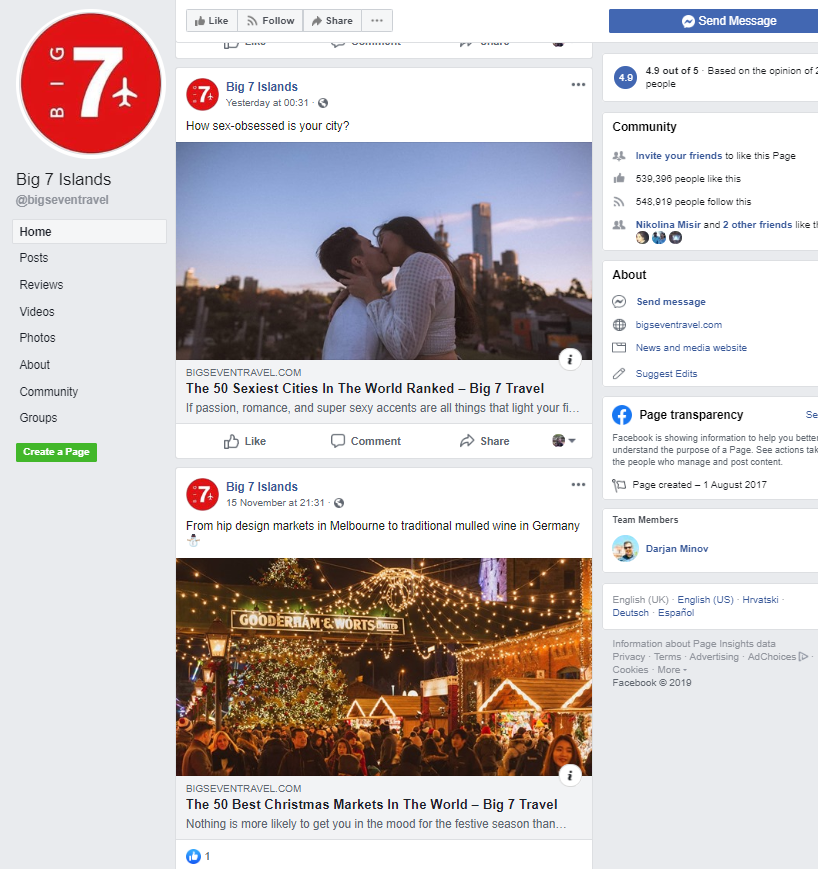
They do indeed have very impressive numbers - over 530,000 Facebook fans. A little odd, then, that this fantastic list of the top 50 Christmas markets in the world got just one like from that massive following of half a million followers. Even stranger, perhaps, that such a clickbait title of the 50 Sexiest Cities in the World got no likes at all. Indeed, have a scroll down, and if you find a post with more than one Facebook like, you are a better man than me. A little strange given that reader suggestions are one of the main factors in compiling the list. Allegedly.
But the team have been busy thoroughly researching their lists. In the last few days alone, and in addition to their thoroughly researched lists of the world's top 50 Christmas markets and sexiest cities, they have managed to research and rank the 50 friendliest cities in the world, the top 25 winter getaways, the best 50 cocktails in the world, the best 50 burgers in Europe, 21 pizzas you have to eat in New York before you did, and much, much more.
But with almost none of their half a million fans clicking, how do they get the clicks?
A simple technique which works very well.
Simply contact the media in each of the countries you have decided to list and send a press release. An easy copy paste text and photo, one easy story done. Clickbait and share guaranteed. Their readers will be delighted and will share with their friends. And so more pointlessness spreads around the Internet.
And does it actually make anyone travel?
I have made a personal decision not to write any more about lists unless they come with some level of authority - there are just too many interesting things to write about instead. But we do do lists at TCN, but we try and make them useful - and the most detailed lists about destinations out there, such as 25 things to know about Sibenik.
I would invite your comments, but I have mentally banned them, above.
Croatia is Going to Euro 2020: What's Next?
November 17, 2019 - The Croatia national team secured their spot at the European Championships next summer after defeating Slovakia 3:1 in Rijeka on Saturday night. Here’s what they can expect next.
The first part of the qualifications for the 2020 European Championships will end on Tuesday when the final group games are scheduled. After Tuesday, we will know twenty national teams that have qualified, who will compete in the tournament from June 12 to July 12 in twelve host cities in twelve different countries.
The national teams confirmed for the Euros so far include Austria, Belgium, Croatia, Czech Republic, England, Finland, France, Germany, Italy, Netherlands, Poland, Russia, Spain, Sweden, Turkey, and Ukraine.
The first game will be played in Group A, in Rome, Italy starting at 9 pm.
You can see a breakdown of the cities and stadiums hosting the competition below:
GROUP A
Rome (Italy) - Olimpico (72.698)
Baku (Azerbaijan) - Baku Olympic Stadium (68.700)
GROUP B
Saint Peterburg (Russia) - Gazprom Arena (68.134)
Copenhagen (Denmark) - Parken (38.065)
GROUP C
Amsterdam (Netherlands) - Johan Cruyff Arena (54.990)
Bucharest (Romania) - Arena National (55.600)
GROUP D
London (England) - Wembley (90.000)
Glasgow (Sweden) - Hampden Park (52.063)
GROUP E
Bilbao (Spain) - San Mames (53.332)
Dublin (Republic of Ireland) - Aviva (51.700)
GROUP F
Munich (Germany) - Allianz Arena (75.000)
Budapest (Hungary) - Puskas Arena (67.889)
ROUND OF 16
Bucharest, Copenhagen, Bilbao, London, Glasgow, Dublin, Budapest, Amsterdam
QUARTERFINAL
Saint Petersburg, Munich, Rome, Baku
SEMIFINAL
London
FINAL
London
The draw for the final tournament takes place at ROMEXPO in Bucharest on Saturday, November 30 at 6 pm.
The draw will involve the two top teams in the ten qualifying groups and the eventual four play-off winners (decided in March 2020, and identified as play-off winners. Recall, the final four places at the Euros are determined by the Nations League playoffs, which you can read more about here.
UEFA writes that the seedings are based on overall European Qualifiers rankings, including:
a) final position in group
b) points
c) goal difference
d) goals scored
e) away goals scored
f) number of wins
g) number of away wins
h) lower disciplinary points total (3 points for red card including for second booking, 1 point for single yellow card for a player in a match)
i) position in overall UEFA Nations League rankings
Croatia has a virtually confirmed among the top seeds, with Belgium and Italy being the only safe thus far. But there are also complications with these seeds. Some national teams may have to be transferred to a higher or lower qualitative group in order for the draw to be concluded normally. In addition, for political reasons, neither Russia, which has qualified, nor Kosovo, which can still qualify, can go to Group B.
All will be made more apparent after Tuesday, when the group qualifications are over and when we find out who qualified directly and must still qualify via the Nations League play-offs.
For now, we can be thankful that Croatia didn’t complicate their route to the tournament next summer.
To read more about sport in Croatia, follow TCN's dedicated page.
Zinfandel Food & Wine Bar Whips Up New Winter Menu
November 17, 2019 - A look at Zinfandel Food & Wine Bar's 2019/20 winter menu.
We have finally reached that special time of year when our favorite Split establishments warm us up with what’s in store for winter. And we’re confident that the chilly season ahead will be anything but bleak thanks to what Zinfandel Food & Wine Bar is preparing for its faithful patrons.
Serving Split since 2013, Zinfandel has no time to disappoint their foodie fans, and their new winter offer confirms just that.
Whether you’re into a glass of wine and light bites or a hot and hearty main course, Zinfandel has got you covered this season.
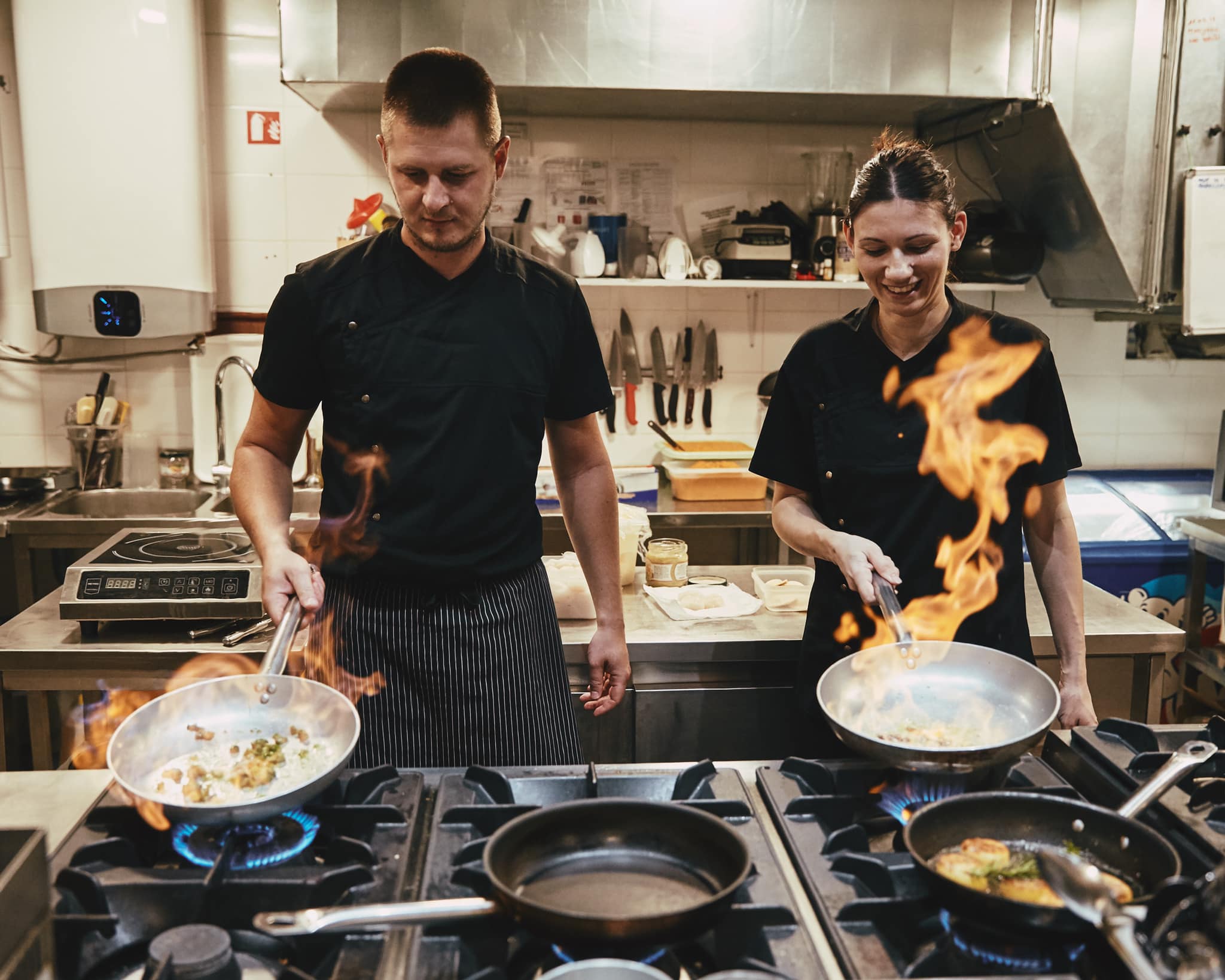
Beginning with the bar menu, which is anything but basic, Zindanfel is busting out tempura sardines, mini burgers with caramelized onion and crispy pancetta, foie gras and hummus share platters, or hand-cut potatoes with pancetta.
For starters, enjoy a rich tableside steak tartare or foie gras terrine, or dig into the house-made spaghetti with burnt butter, truffles and semi-fried tomatoes, the agnolotti with skuta cheese and burnt fig, or the ravioli topped with apricot cream, beetroot and grilled prawns. No appetizer list in Split would be complete without a creamy risotto, which Zinfandel offers with grana Padano and balsamic.

For those looking to keep things light, the cauliflower soup, Dalmatian style mussels, or vegan salad with beetroot, bulgar and smoked tofu will do. You can always choose Zindandel’s cheese and charcuterie platters, too.
The stars of the show are in the main courses of the menu, where you’ll find a rump steak with potatoes, pancetta, and bearnaise sauce, duck breast with a sour cherry demiglace, or a pork fillet wrapped in pancetta. The lamb shank is slow-cooked with potato mash and fava beans, the Hama fish baked with zucchini, leeks, carrot and posip, while the skuta-stuffed squid is decorated with semi-dried tomatoes and hummus.
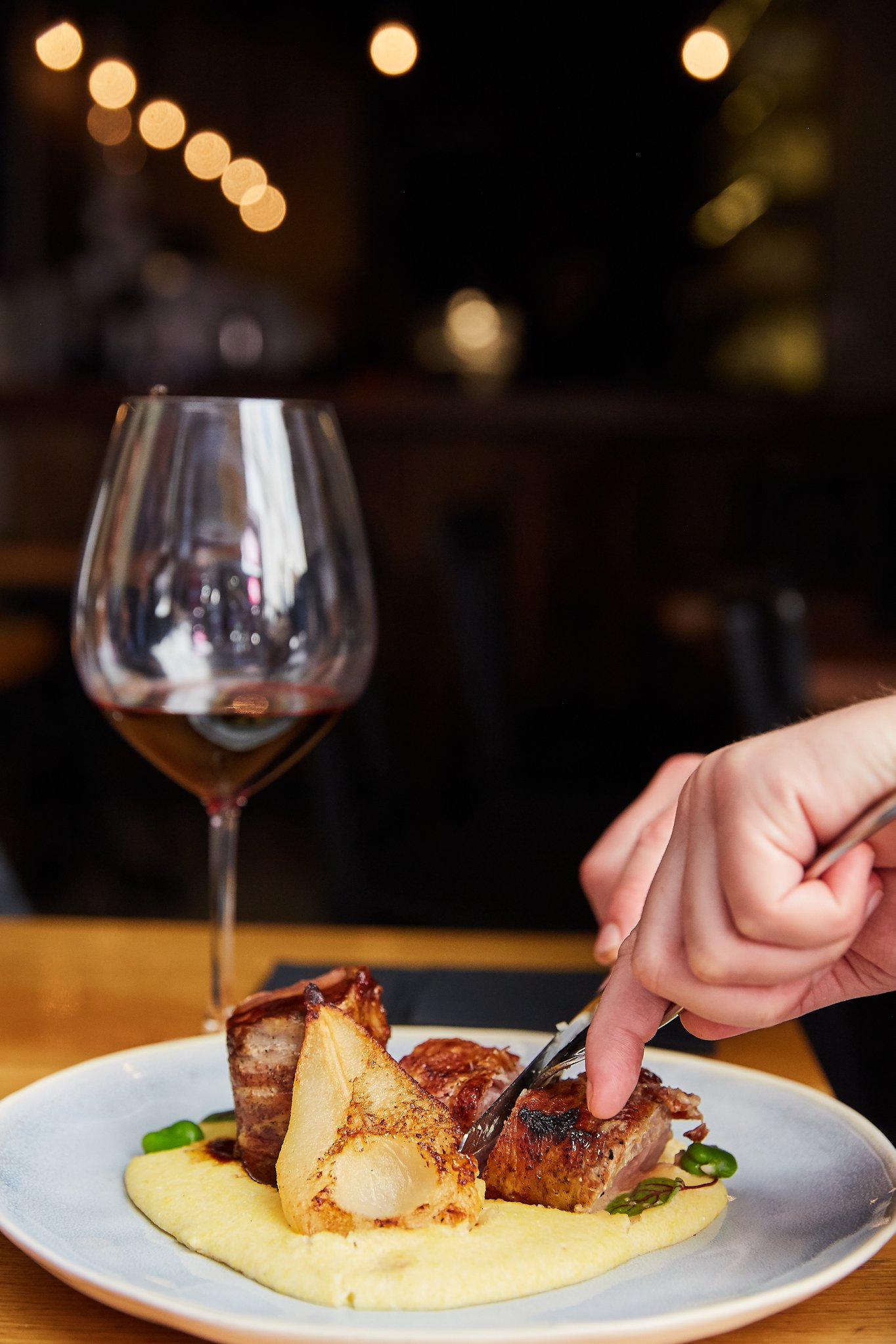
To complete your meal, satisfy your sweet tooth with a warm pumpkin cake, sticky date pudding, Sissy pancakes, or kadaif cannoli.

You can explore the entire Zinfandel winter menu on their website here and try it in Split today!
To read more about lifestyle in Croatia, follow TCN’s dedicated page.
Successful Businesses Tell Success Stories: Bagatin Clinic Reaches Argentina
November 17, 2019 - Black Peel Mask treatments come to Croatia, as Bagatin Clinic extends its message to Argentina.
The more I write about Croatia and the longer I live here, the more amazing successes and untold stories I discover. While many are emigrating and complaining of the lack of opportunity, I find that the opposite is true, but there is a reason for that disconnect.
Very few people are telling their stories or sharing their success.
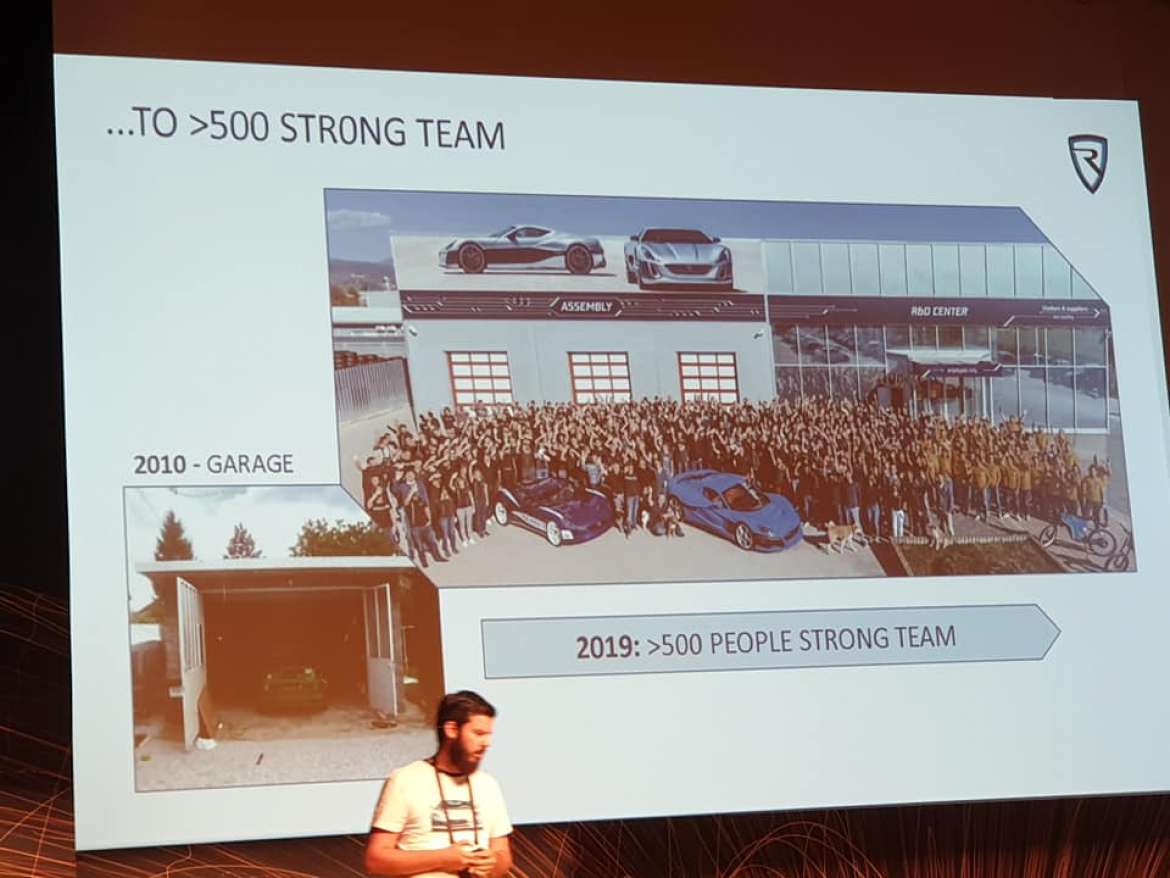
One exception to this is Mate Rimac, of the phenomenally successful Rimac Automobili. Pictured about at the Entrepreneurial Mindset conference in Zagreb, where many of Croatia's top entrepreneurial names shared strories of their successes - and failures - in an inspirational day for budding entrepreneurs in Croatia. Just listening to both the speakers and the participants talking about their businesses made me realise just how much positivity and success there was in Croatia.
If only people knew about it all...

It is the same with the Croatian medical tourism industry. I was recently asked to speak at the Crikvenica International Health Tourism conference in Selce, with the topic of giving my reflections as a foreign resident and journalist on the potential and the reality of Croatian medical health tourism. While it was an honour to be invited, I was a little surprised. My knowledge of the medical tourism is limited, but on reflection, I realised that the pool of medical tourism journalists in general is very limited.
And not just in Croatia, but on a global level, which is surprising for such a major - and rapidly expanding - tourism niche. It was more than a big surprise for TCN to win an award at the inaugural Medical Travel Media Awards in Kuala Lumpur, for example.
The fact is that there are very few people focusing on writing or telling the stories - at least the positive ones. Bad news sells much better than good news, but the less good news that is told, the less people will know about it. That is why I am ultimately very positive about Croatia's future, as I can see that the seeds being planted are very positive - we just need to tell people more about it.
And so too with the medical tourism industry.

The best promotion, of course, is by word of mouth from a happy client, especially testimonials which appear online in the form of a well-written story. I have written before about Carl's Story, which remains to me the absolute best advert from Croatian tourism - medical or otherwise - especially as it took place out of season. An American citizen whose life was literally transformed by a trip to Bagatin Clinic in Zagreb, where his complete new set of teeth inserted during 10 days over Advent in Zagreb not only gave him the trip of a lifetime and complete self-confidence, but also saved him about $35,000 once the trip costs for him and his friend had been paid. It is one of the best stories I have come across, and I encourage you to read it.
Bagatin Clinic is not only the leading clinic in the region, but also the best at telling its story - one of the reasons it has won prestigious international marketing awards. And so it was somehow no surprise to learn from my Facebook feed this morning that Bagatin is now offering Black Peel Mask treatments in Croatia - information I learned from a health portal in Argentina.
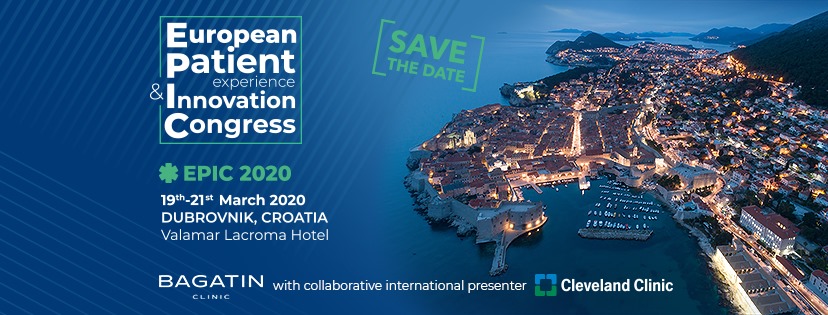
Bagatin is keen to tell the world not just about its own services, but also to raise awareness of the potential of Croatian health tourism in general. A giant step for a small clinic will be taken in March, when Bagatin Clinic, with collaborative international partner, Cleveland Clinic, will host the first ever European Patient Experience and Innovation Congress, EPIC 2020, to be held in Dubrovnik in March. You can learn more from the official website.
Now THAT will be quite a story to tell.
For more on the Croatian medical tourism story, follow the dedicated TCN section.
Euro 2020 Qualifiers: Croatia Tops Slovakia in Rijeka, Secures Euro Spot!
November 16, 2019 - The Croatia national team and Slovakia met in Croatia's final Euro 2020 qualifier of Group E on Saturday night at Rujevica stadium in Rijeka.
Croatia played their final qualifying match for placement in the European Championship next year on Saturday night in rainy Rijeka to just over 8200 fans.
Dalic's side was without World Cup stars Ivan Rakitic, Dejan Lovren, Domagoj Vida and Andrej Kramaric, and played with a younger squad that included Dominik Livakovic, Tin Jedvaj, Duje Caleta-Car, Dino Peric, Borna Barisic, Marcelo Brozovic, Luka Modric, Ante Rebic, Nikola Vlasic, Ivan Perisic and Bruno Petkovic. Recall, Croatia defeated Slovakia 4:0 in Trnava back in September. Croatia started the game at the top of Group E.
Croatia had their first attack of the game already in the second minute - Perisic crossed into the box though Slovakia defended. Bruno Petkovic forced Croatia's first corner in the 4th minute. Modric played it short to Borna Barisic, who failed to get a good shot in.
A brilliant play by Nikola Vlasic found Petkovic, who played the ball to Modric. Modric's shot was defended by the Slovakia defense, though the play ultimately resulted in a corner.
Slovakia's first corner came in the 11th minute, though Barisic had no problem clearing it out. Slovakia was beginning to attack, but Croatia's defense remained solid.
Croatia was beginning to press but was unable to string plays together in the box. Another corner in the 20th minute saw Caleta-Car head the ball into the keeper.
Nikola Vlasic played Brozovic in the 24th minute, which he hit wide of the goal. A brilliant Modric cross found the head of Vlasic moments later, which the keeper tapped over the goal for a corner, though they were unable to capitalize.
Slovakia was dangerous in the 29th minute though Livakovic was there to save the day. Croatia seemed to control the game with 15 to go in the first half. However, one minute later, Slovakia had their chance - Bozenik scored for 0:1.
Croatia picked up their game in the minutes that followed and pressed Slovakia's defense. Perisic almost scored the equalizer, though the Slovakia keeper was quicker to the ball.
In the 38th minute, Petkovic fired at the keeper who made a brilliant save to keep Slovakia in the lead. The atmosphere at Rujevica was dulling. Slovakia had two more dangerous attacks with a minute to go and Croatia's fragile defense was lucky it wasn't more. One last attack for Croatia was unfruitful. The game ended 0:1 at the half.
Dalic made no changes to the lineup to begin the second half.
A Croatia corner in the 53rd hit the post. Another corner in the next play saw Rebic hit over the goal. Josip Brekalo went in for Rebic in the 53rd.
Croatia was pressing and the fresh legs helped. They finally had their chance in the 55th minute - Nikola Vlasic scored for 1:1!
A quick counter for Croatia in the 58th resulted in a corner, which found the head of Bruno Petkovic for 2:1! The Dinamo star almost had his second goal in the 61st but shot at the keeper. Brekalo shot from outside the box moments later but hit over the goal. The atmosphere at Rujevica was far better in the second half.
Slovakia's Hak received his second yellow of the game in the 65th minute and was forced to play a man down for the rest of the game.
Perisic played a perfect through ball to Brekalo in the 70th though the keeper pushed him to the goal line for an out.
Croatia was on fire - and a brilliant cross by Barisic found the foot of Perisic for a volley into the goal. The game was now 3:1!
Mateo Kovacic came on for Nikola Vlasic in the 74th minute.
Croatia had another stellar chance in the 77th - Brekalo stole the ball from the Slovakia defender, played Modric to Petkovic, who played Perisic, though he shot just wide of the goal.
Brekalo had an unlucky shot at the keeper in the 80th. Mislav Orsic was subbed on for Perisic in the 81st.
A few more attacks in the final minutes of the game proved unsuccessful, and the game ended 3:1 for Croatia!
With this win, Croatia finishes at the top of Group E and secures their spot at the Euros next summer!
To read more about sport in Croatia, follow TCN’s dedicated page.
Birdwatching in Croatia: An Undeveloped Year-Round Tourism Niche
November 16, 2019 - Tourism in Croatia has many niches apart from the stereotypical sun and sea attractions. A look at the tourism potential of birdwatching in Croatia.
Birdwatching is usually associated with a relatively older public, but it seems it is now becoming popular even among millennials. It has been hailed as 2017’s unlikeliest craze with an increasing number of celebrity birders as fans. Hotels around the world are now holding regular 'Birds and Booze' rooftop events, and the London-based Urban Birder David Lindo runs popular masterclasses and field trips.
So, with birdwatching tourism growing as a niche market, how does Croatia fare in all this? Well, potentially - remarkably well. That is, if the right strategy is put in place and powers that be realise the opportunity that such niche visitor experiences present especially in light of over-tourism in the summer months and attracting more people to continental Croatia.
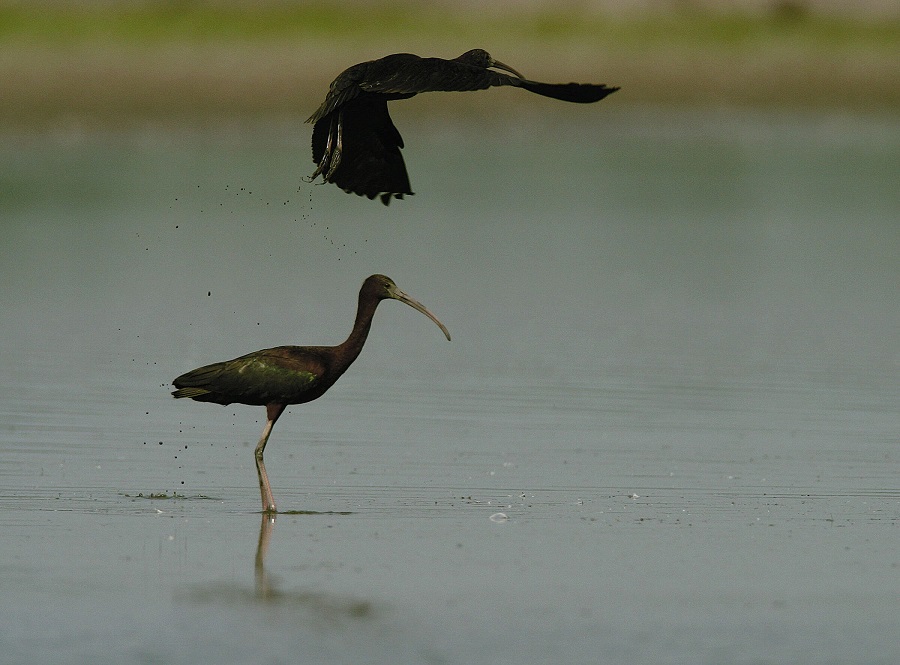
There are several key preconditions that make a destination attractive for birdwatching tourism, but the availability and variety of birdlife, as well as the presence of specific bird groups or endemic species is a critical one. With 387 bird species to be observed in Croatia, out of which 69 are threatened on the European level and 21 on the global level, Croatia surely has a lot to offer in terms of variety of birdlife. In addition, Croatia is the only eastern European country that has breeding Cory's and Yelkouan Shearwaters, Audouin's Gull and Eleonora's Falcons.
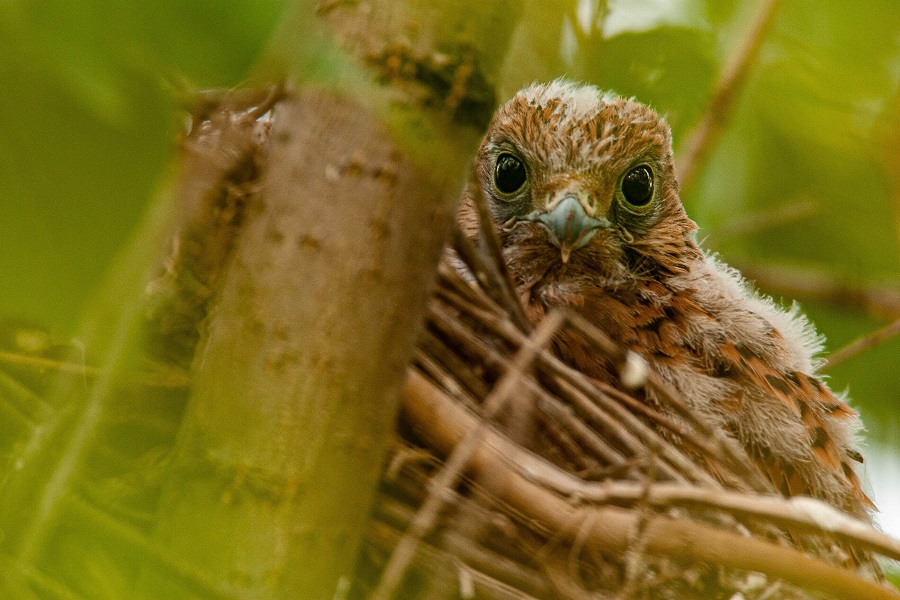
Safety is another important requirement for birdwatching tourism as birdwatchers often spend a lot of time alone or in small groups in isolated areas. This situation generally makes protected areas more attractive than unprotected ones.
Again, Croatia fares really well against this criterion – with as many as 23 International Bird Watching Areas spread across an area not bigger than 300 km2 it is an ideal birdwatching destination year-round. There are 20 ornithological reserves and four wetland sites in Croatia that are on the Ramsar Convention list– world’s leading protocol for the conservation and sustainable use of wetlands. Nature Park Kopački Rit, Nature Park Lonjsko polje, Crna mlaka and the delta of the river Neretva are key Ramsar sites, not to mention 8 national parks and 11 nature parks Croatia has to offer. These are all protected and marked areas, incredibly safe, yet offering wild, unspoilt unique landscapes.
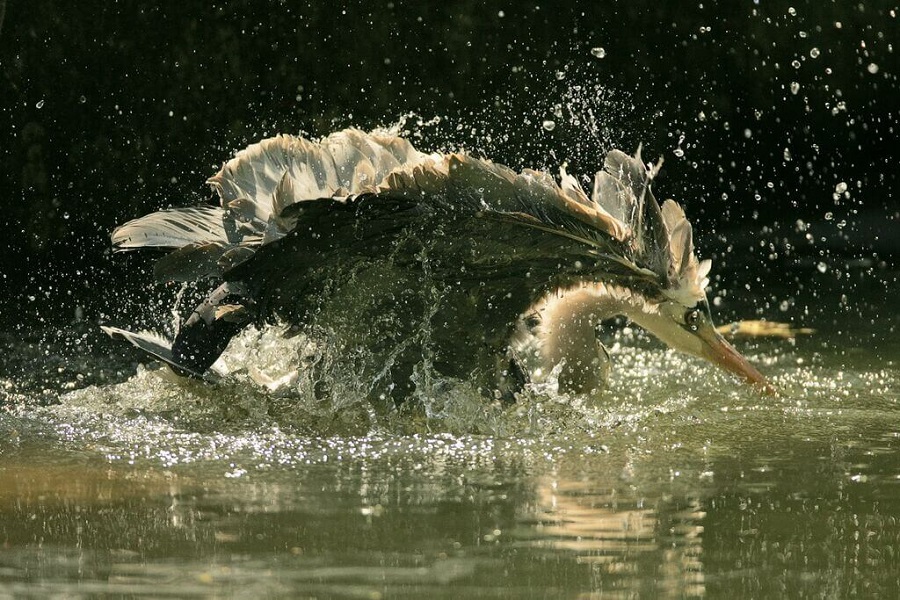
So, what do we know about a typical birdwatcher? They tend to be men and women between 40 and 70 years old, well educated, relatively affluent and interested in other wildlife as well. Weather and other circumstances are not that important to them, but they like to relax and are interested in other activities as well, especially cultural. They are more concerned about conservation and sustainability than general travellers and are therefore very respectful to the environment.
This makes them an ideal visitor– wealthy, environmentally conscious, not bothered by the weather and interested in activities such as culture!
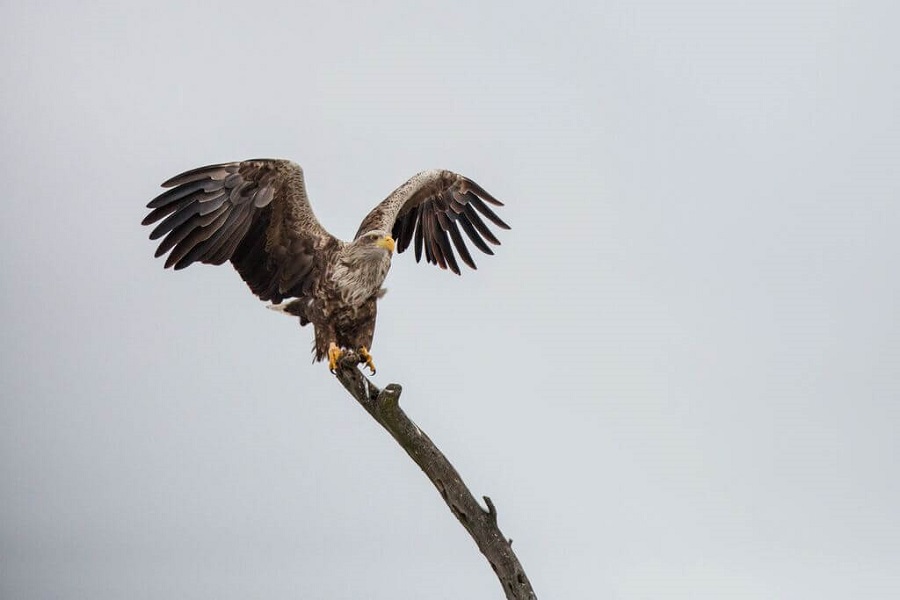
So what does all this have to do with Croatia? Well not much yet, as we still seem to focus on sun, sea and crowded beaches as our main offer to tourists coming mostly during the summer months.
But, with a rising number of environmentally discerning travellers seeking unique experiences, birdwatching is just one option how to attract affluent visitors to Croatia without a heavy investment needed.
With so much to offer, Croatia truly has all the ingredients to position itself as a boutique birdwatching destination, offering coastal and continental birdwatching in combination with rich culture, fabulous gastronomy and world heritage in one place. All we need is a bit of thought and some good planning to tap into what could be a real little gem in terms of unique visitor experience offer.
For the latest travel, follow the TCN dedicated section.
Peović: 21st Century Democratic Socialism Increasingly Popular
ZAGREB, November 16, 2019 - The presidential candidate of the non-parliamentary Workers Front party, Katarina Peović, on Saturday pushed for 21st century democratic socialism which, she said, warned that some tenets of socialism should be taken and that this idea was increasingly popular in the world.
Speaking to reporters in Šibenik, she said this city and the coastal region of Dalmatia had been witness to "deindustrialization and touristification" for 30 years. She said that in socialism Šibenik had a developed industry, people had permanent jobs "and now they are all reduced to tourism."
She said tourism had raised the region and the city but that one should ask what kind of jobs it offered because "salaries are lower, people have uncertain contracts, the jobs are all highly exploitative."
Peović recalled Šibenik's "history of revolution and fighting, and the modernist project that followed, when the country was industrialised in only a couple of decades." She said that "after 30 years of devastation... it's time we asked... why the entire industry has been shut down and in whose interest it is that our people can't be anything else but maids and waiters."
She said that in highly developed European countries tourism accounted for 4-5% of GDP, whereas in Croatia that was 20% and in Šibenik 50%, "which means that a bad tourism season reduces a whole city to poverty."
She said Croatia must protect its economy and industry and "pursue an autonomous policy towards Europe, because of the agreements we have signed with the European Commission and because the free market doesn't allow us on the periphery to develop."
More news about presidential elections can be found in the Politics section.